




4200blu
Utente Registrato
-
Iscritto il
-
Ultima visita
Tutti i contenuti di 4200blu
-
-
-
…molto probabkile scritto/creato con AI… 😝
- 878 risposte
-
-

- 1
-
-
- 2.0 mhev
- 2.0 phev
- folgore
- future maserati
-
Taggato come:
- 2.0 mhev
- 2.0 phev
- folgore
- future maserati
- ghibli mca
- grecale
- levante m184
- levante mca
- m156
- m157
- m161
- m183
- m184
- m189
- m240
- m6u
- m9s
- maserati
- maserati 100% electric
- maserati bev
- maserati d-uv
- maserati elettrica
- maserati ev
- maserati f-uv
- maserati full electric
- maserati grecale
- maserati mc20
- maserati newgt
- maserati spy
- maserati supercar
- mmxx
- mmxxi
- new v6
- nuove maserati
- nuovi modelli
- quattroporte m183
- quattroporte mca
-
-
-
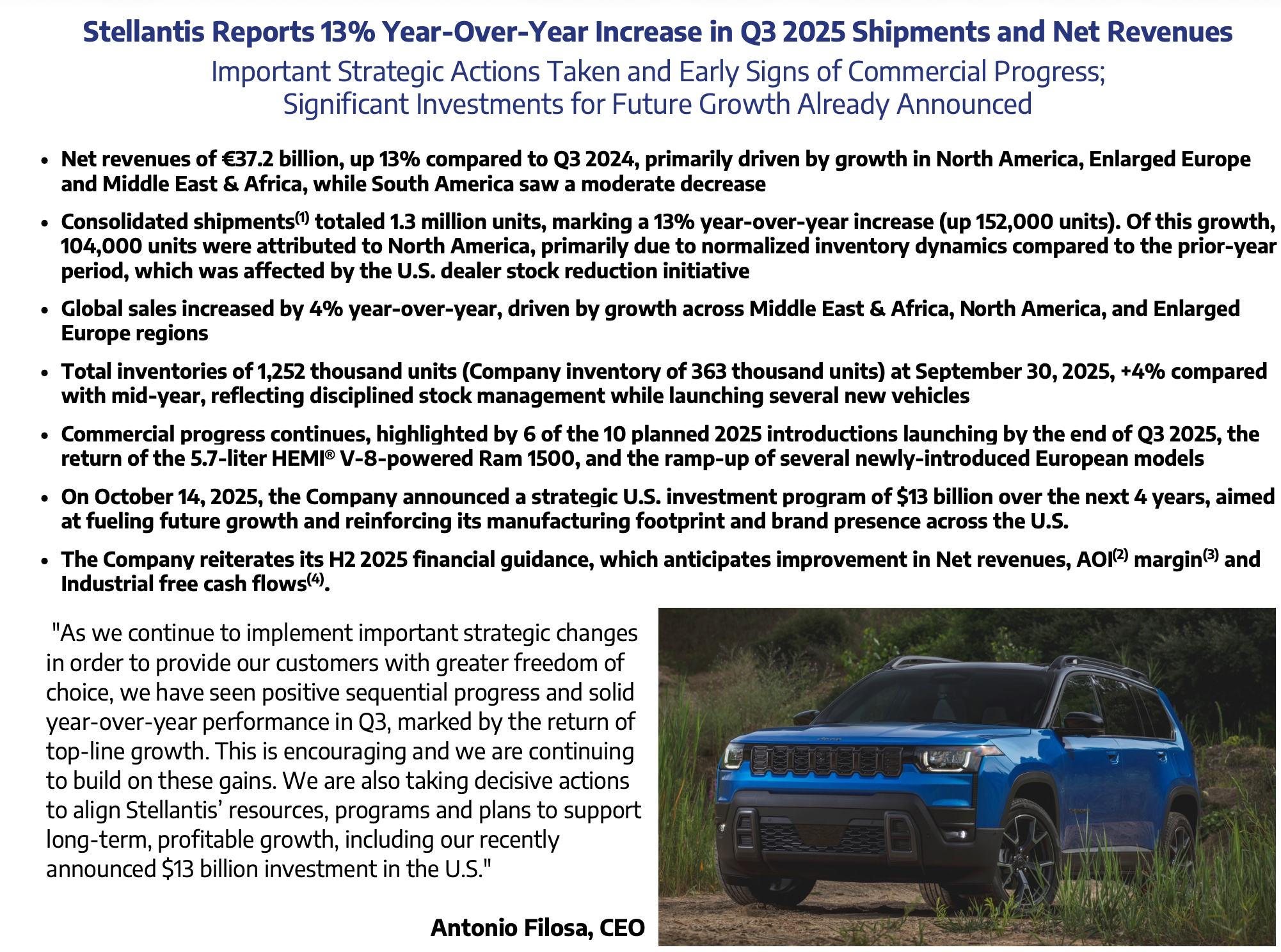
…ma in senso generale, ecetto questo V8 Hemi non c’e un altro V8 in casa Stellantis e un sviluppo nuovo in tempi di oggi e escluso. Quindi domanda molto teoretica….
- 878 risposte
-
-
- 1
-
-
- 2.0 mhev
- 2.0 phev
- folgore
- future maserati
-
Taggato come:
- 2.0 mhev
- 2.0 phev
- folgore
- future maserati
- ghibli mca
- grecale
- levante m184
- levante mca
- m156
- m157
- m161
- m183
- m184
- m189
- m240
- m6u
- m9s
- maserati
- maserati 100% electric
- maserati bev
- maserati d-uv
- maserati elettrica
- maserati ev
- maserati f-uv
- maserati full electric
- maserati grecale
- maserati mc20
- maserati newgt
- maserati spy
- maserati supercar
- mmxx
- mmxxi
- new v6
- nuove maserati
- nuovi modelli
- quattroporte m183
- quattroporte mca
-
quale V8, il 5,7Hemi ?? 😜
- 878 risposte
-
- 2.0 mhev
- 2.0 phev
- folgore
- future maserati
-
Taggato come:
- 2.0 mhev
- 2.0 phev
- folgore
- future maserati
- ghibli mca
- grecale
- levante m184
- levante mca
- m156
- m157
- m161
- m183
- m184
- m189
- m240
- m6u
- m9s
- maserati
- maserati 100% electric
- maserati bev
- maserati d-uv
- maserati elettrica
- maserati ev
- maserati f-uv
- maserati full electric
- maserati grecale
- maserati mc20
- maserati newgt
- maserati spy
- maserati supercar
- mmxx
- mmxxi
- new v6
- nuove maserati
- nuovi modelli
- quattroporte m183
- quattroporte mca
-
-
No.
-
….piccola nota…iX4 e NA6 non 7 😎
-
Probabilmente sì. Non esiste un valore fisso, tutto dipende dalla determinazione del prezzo. Il principio di base prevede la definizione di una quantità iniziale di CO2 a livello mondiale, che viene ripartita tra i vari Stati secondo determinate regole. Gli Stati (come molti paesi africani con una popolazione numerosa e poca industria/traffico) hanno all'inizio un credito di CO2, mentre gli Stati industrializzati come l'Europa hanno un saldo negativo e devono quindi acquistare certificati di CO2 dagli Stati che ne hanno in eccesso per compensare. Per il 2027, il sistema sarà bilanciato in modo tale che in Europa il litro di carburante costerà circa 10 centesimi in più. Successivamente, ogni anno la quantità totale di certificati a livello mondiale sarà ridotta e, se parallelamente le emissioni non diminuiranno nella stessa misura, come in ogni mercato, i certificati diventeranno più costosi. Se si prende come base l'andamento degli ultimi 5-10 anni in Europa e lo si estrapola, il risultato dopo alcuni anni sarà un aumento del prezzo di un litro di carburante di 40-50 centesimi, forse anche di più. L'Europa può evitare questo aumento dei prezzi solo riducendo più rapidamente le proprie emissioni.
-
...solo che ora il male diventa elettrico 🤪🤭….
-
-
Al momento non conosco progetti in questa direzione in corso, ma soprattutto il G60 ha ancora una lunga vita davanti a sé (secondo lo stato attuale delle cose che naturalmente non e cementato in questi tempi volatili) ed è possibile che nella produzione in serie venga introdotto un aggiornamento che potrà poi essere disponibile anche sui modelli precedenti. ...... probabilmente a partire dal 2027, quando entrerà in vigore il sistema di scambio delle quote di emissione di CO2 e il prezzo della benzina e del diesel aumenterà sensibilmente.
-
-
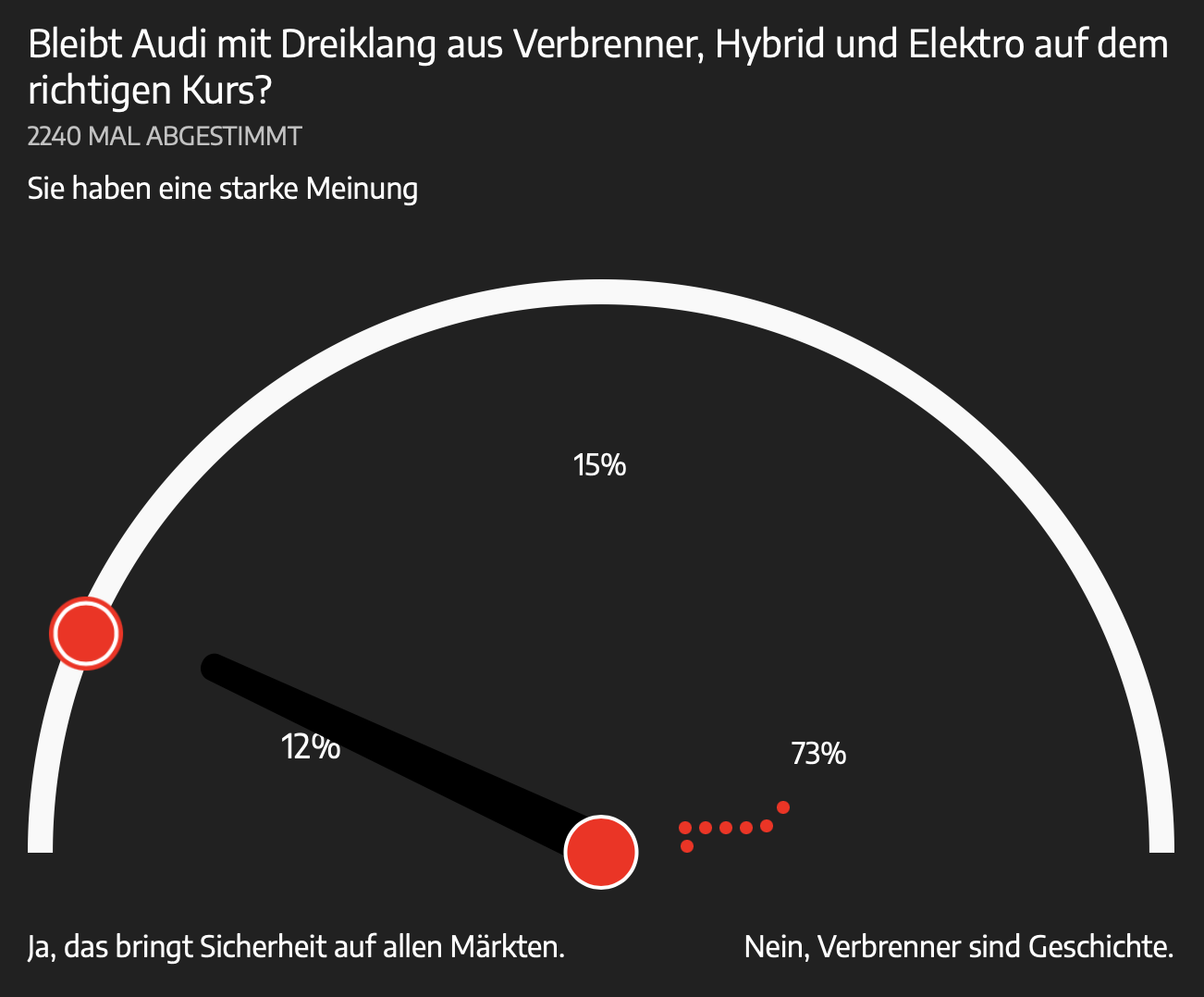
In Europa penso che la M3 elettrica abbia sicuramente delle possibilità. Chi guida auto di questo tipo ha solitamente un reddito relativamente elevato e proprio chi ha soldi spesso ragiona in termini estremamente economici. Queste auto sono generalmente acquistate in leasing e se il costo totale di proprietà (leasing, imposizione fiscale, costi di esercizio) è notevolmente inferiore rispetto a un'alternativa, si preferisce l'opzione più economica. Penso che i sondaggi sui portali debbano essere considerati con grande cautela, soprattutto nei forum come Bimmerpost, dove è sicuramente presente un numero superiore alla media di “petrol heads”, mentre la clientela nel suo complesso ha sicuramente altre priorità. Ad esempio, un sondaggio condotto in occasione del caos dell'A8 su AutoMotorundSport oltre il 70% dei 2200 voti ritiene che il motore a combustione sia qualcosa di superato (ma anche questo risultato non mi sembra rappresentativo). Ma torniamo alla M3: penso che anche alcuni degli "track day oriented petrol heads" saranno entusiasti della nuova auto, semplicemente perché le prestazioni oggettive saranno nettamente significanti superiori e, in combinazione con le possibilita del “heart of joy”, anche chi non sa guidare (e questa è la maggioranza) avrà l'impressione di dominare l'auto come un pilota da corsa.

-
-
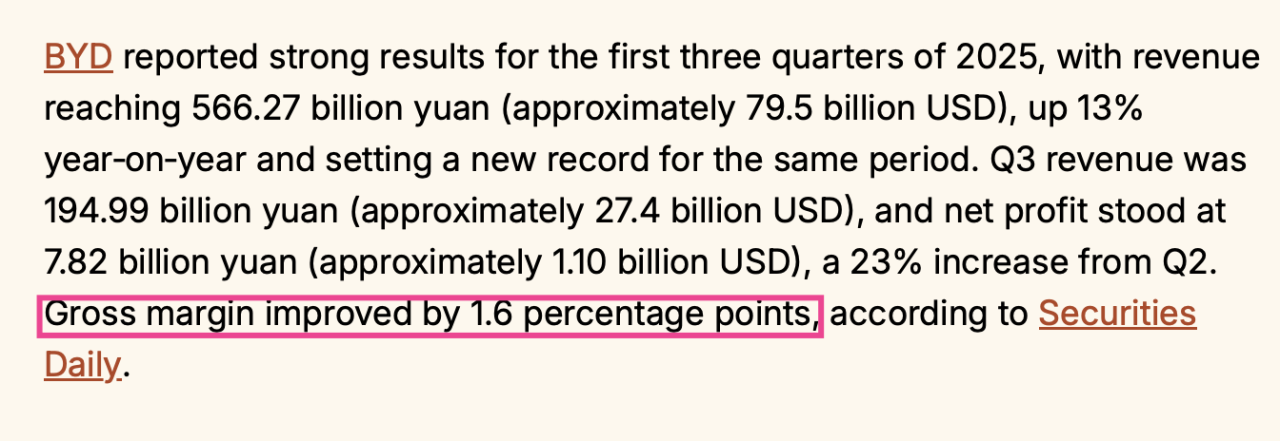
Gia oggi hanno poco margine, il migliore, BYD al momento sta a 1,6% secondo CNC: Ma proprio per questo motivo in Europa non dobbiamo temere il dumping dei prezzi, perché in futuro i cinesi dovranno realizzare sui prodotti esportati i margini che non riescono a ottenere sul mercato interno.
-
Geoffrey Bouquot In un intervista con la „Automobilwoche“: „„Wir denken intensiv darüber nach, wann wir den Nachfolger des A8 auf den Markt bringen und welche Antriebstechnik die richtige ist. Eine Entscheidung wird in den nächsten Wochen erwartet. Selbst wenn ein Verbrenner-Nachfolger grünes Licht bekommt, wird er wahrscheinlich nicht vor 2029 auf den Markt kommen.“ „Stiamo riflettendo intensamente su quando lanciare sul mercato il successore dell'A8 e quale sia la tecnologia di propulsione più adeguata. Una decisione è prevista nelle prossime settimane. Anche se un successore con motore a combustione interna dovesse ottenere il via libera, probabilmente non arriverà sul mercato prima del 2029.“ (traduzione DeepL)
-
-
-
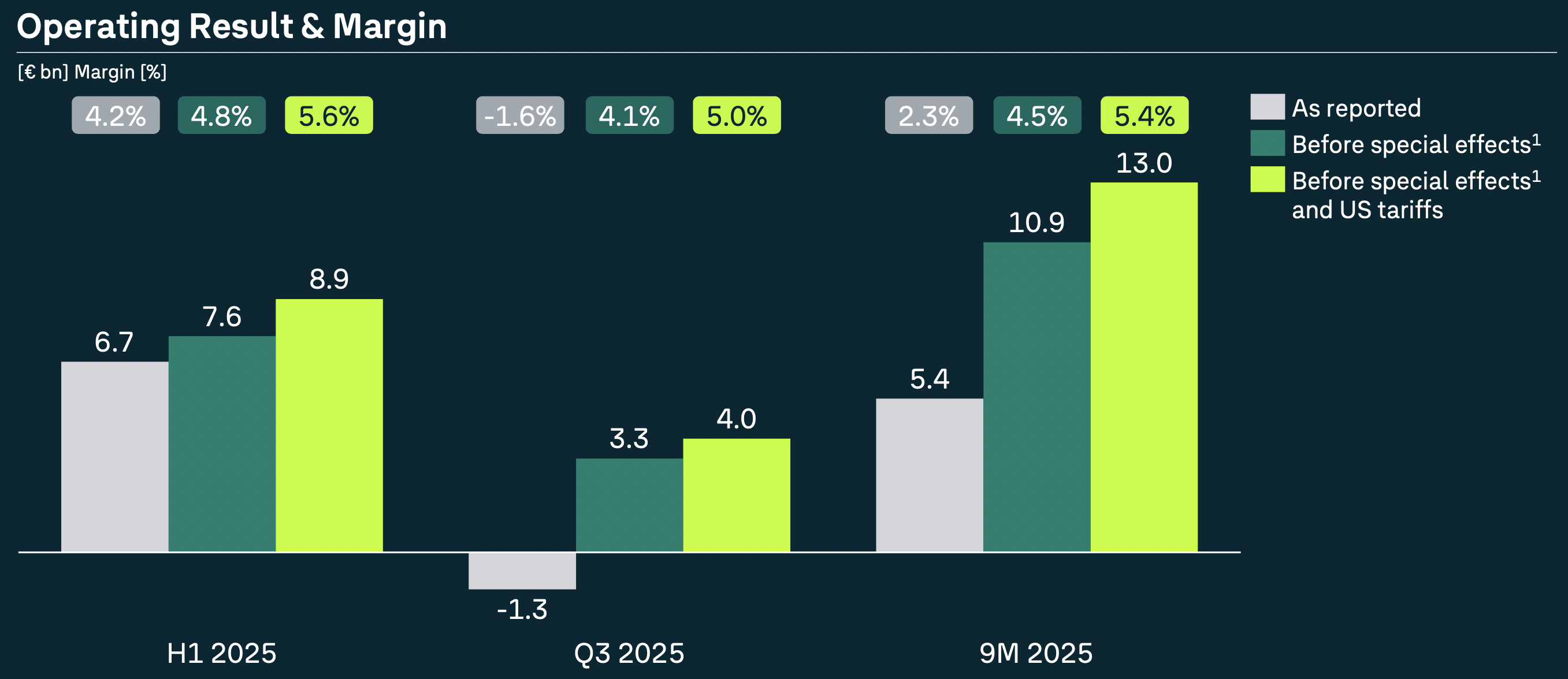
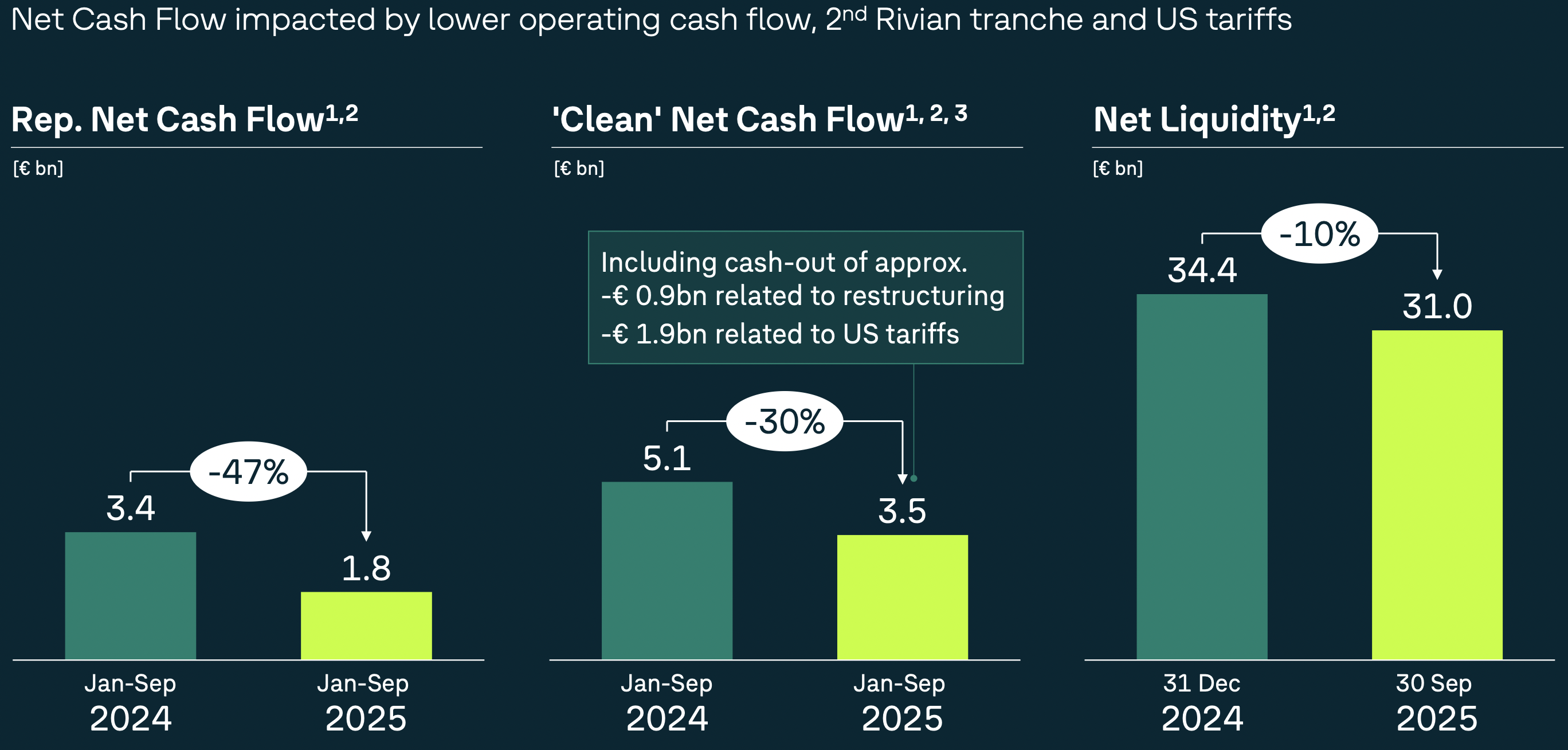
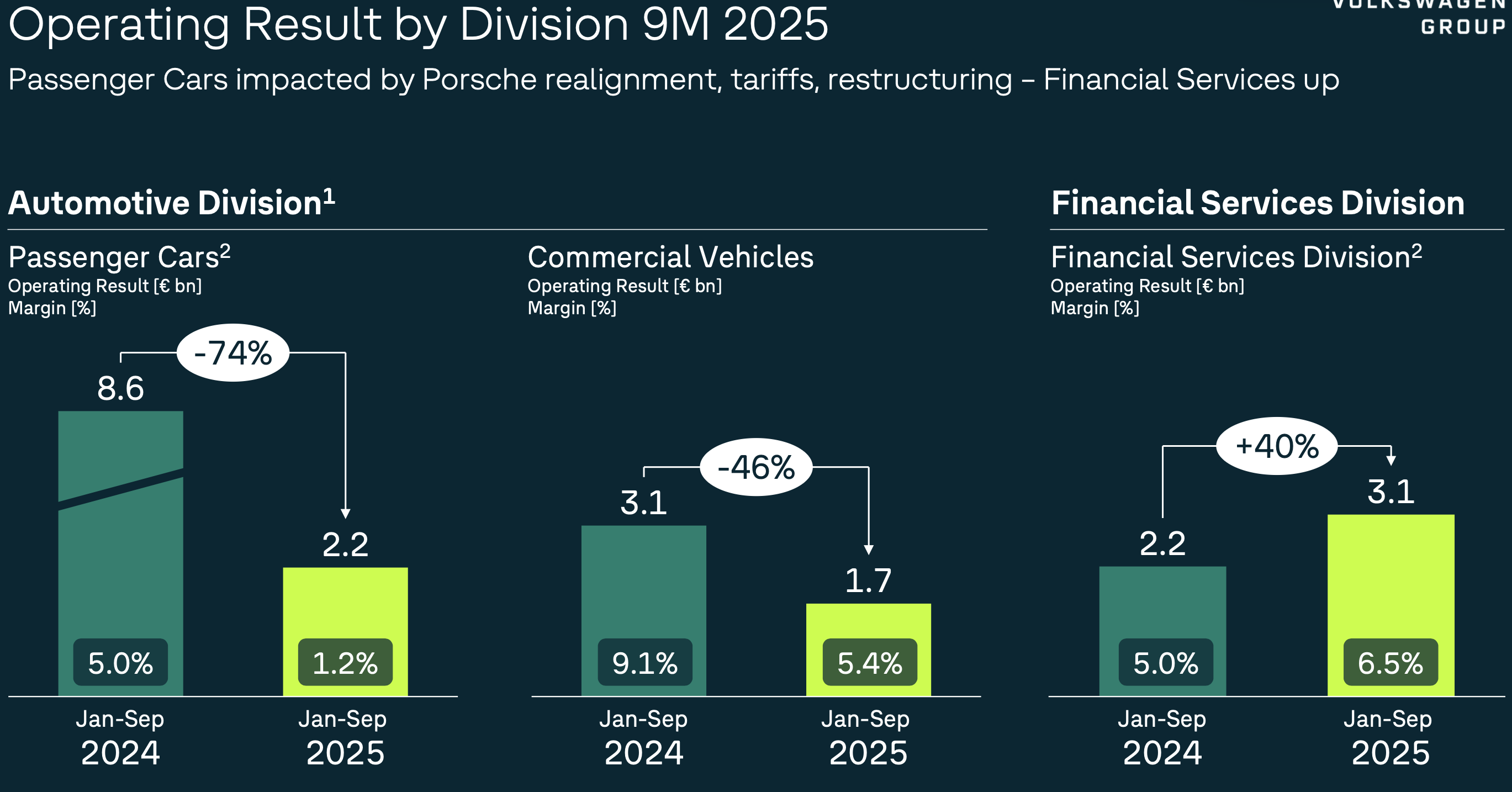
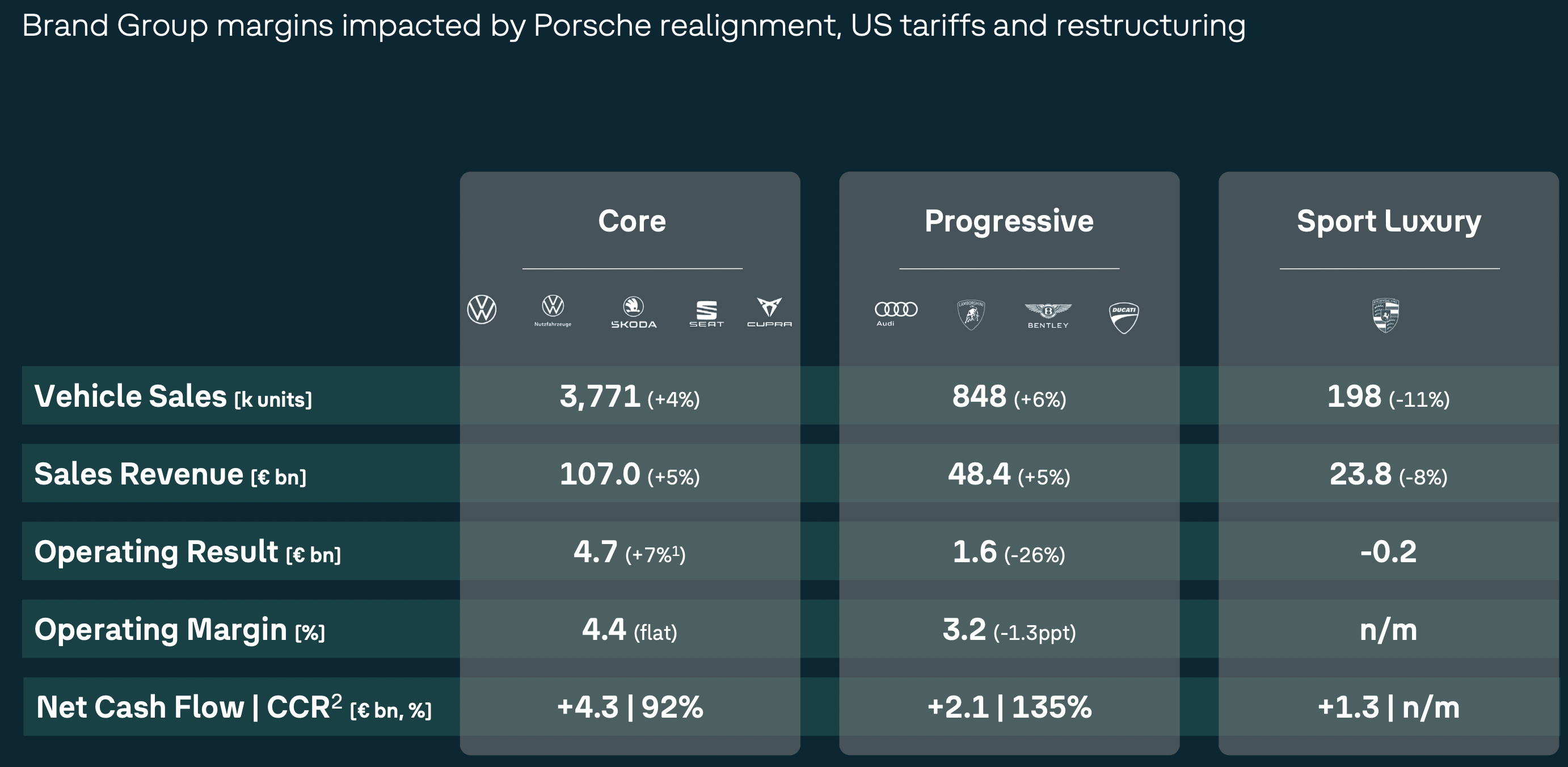
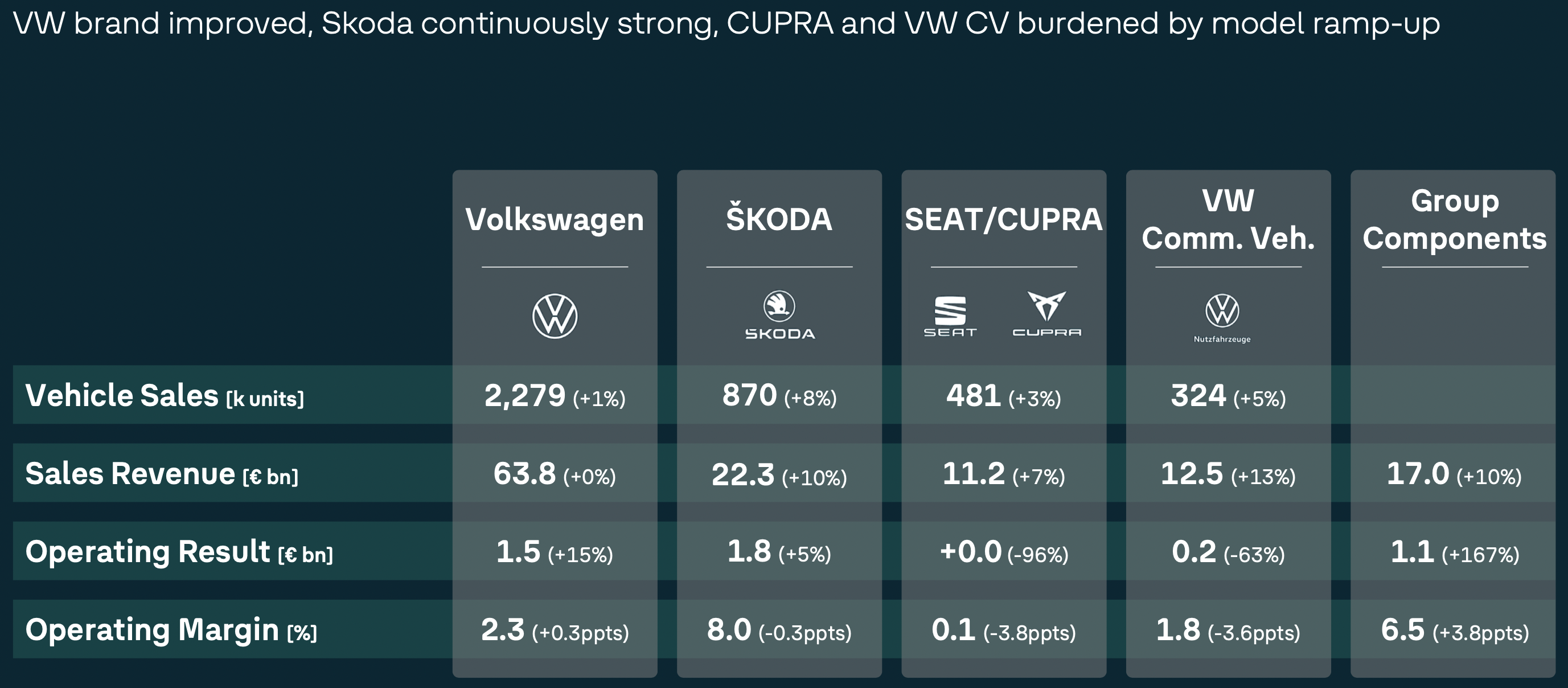
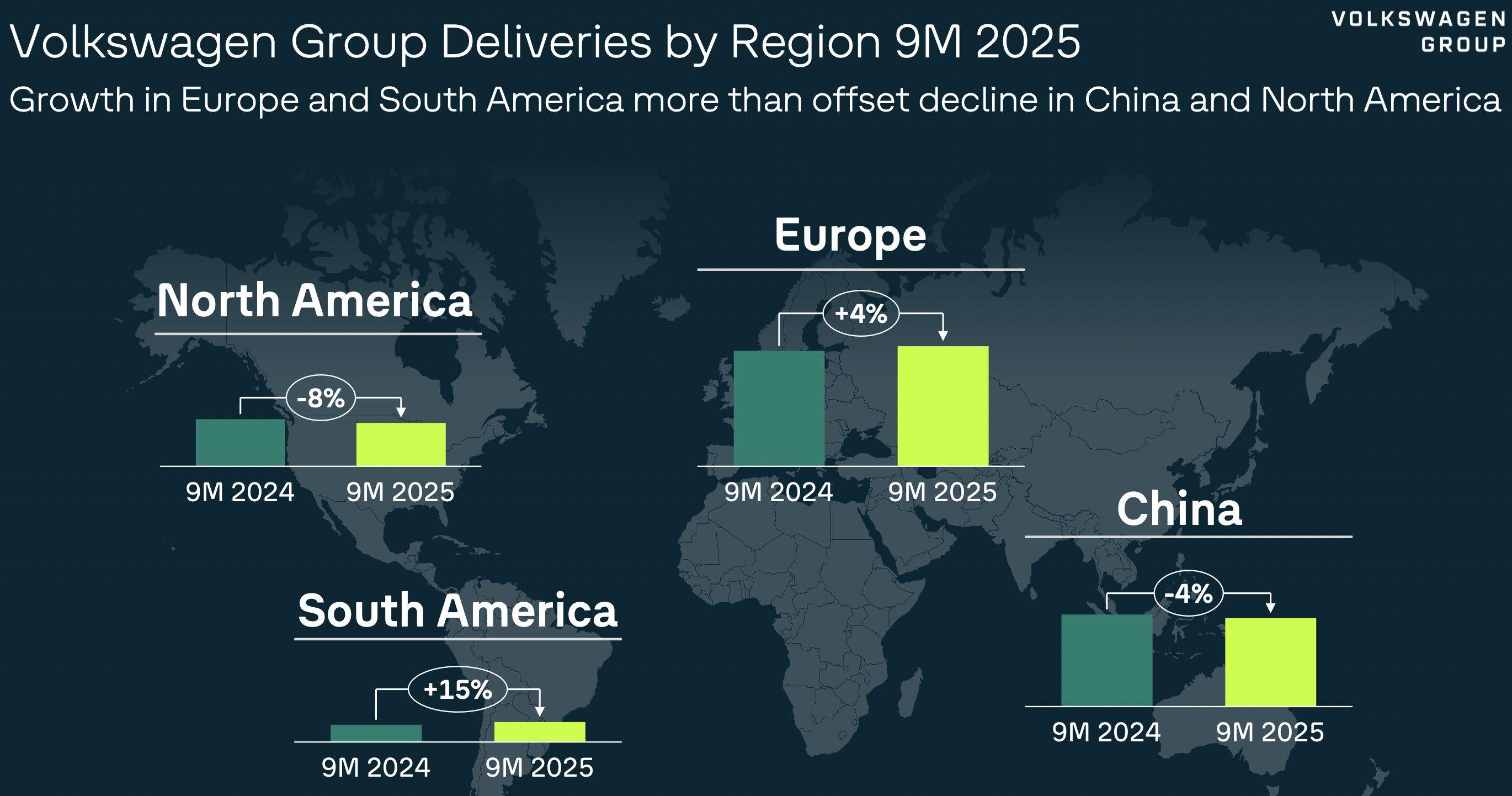
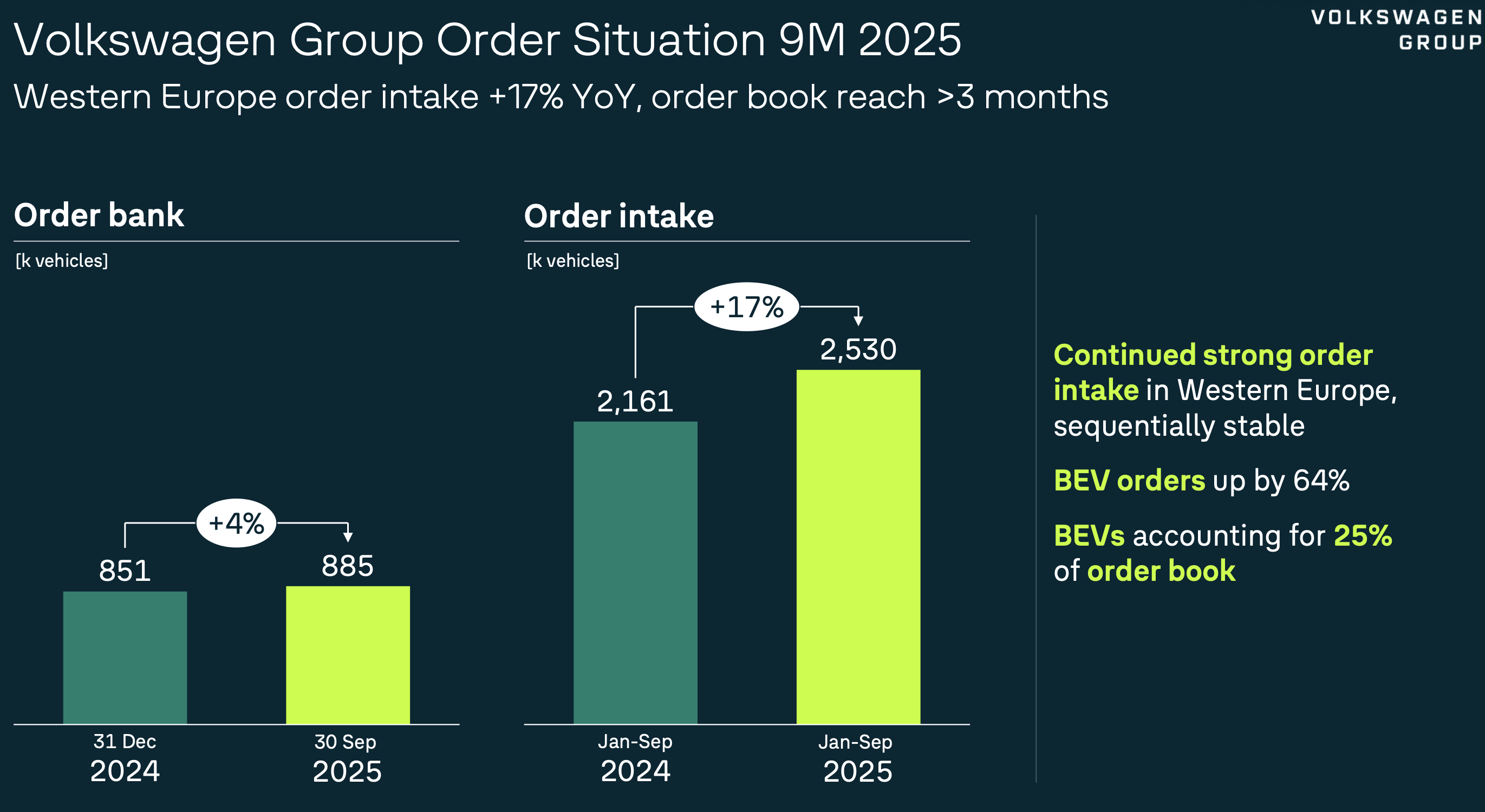
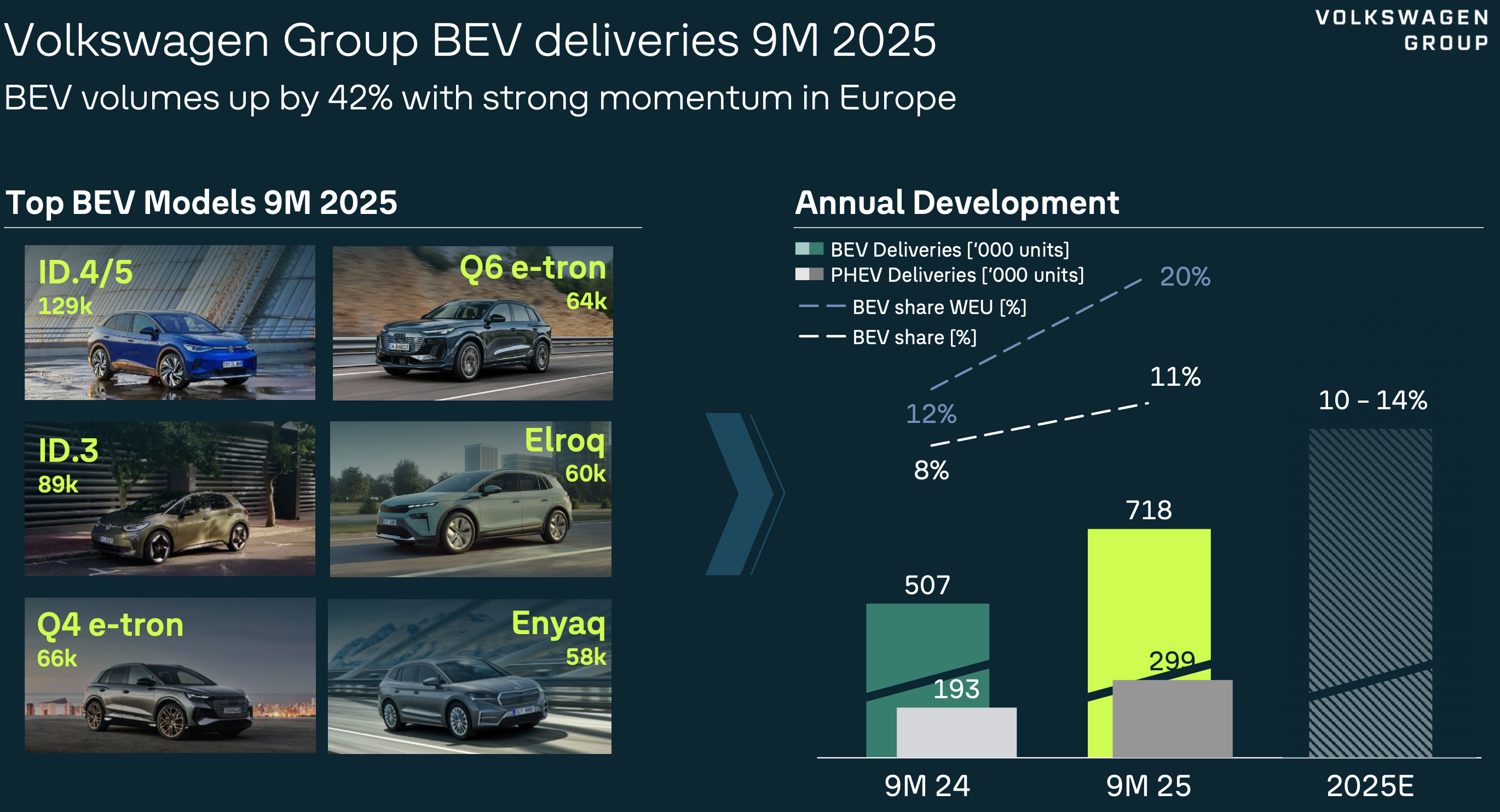
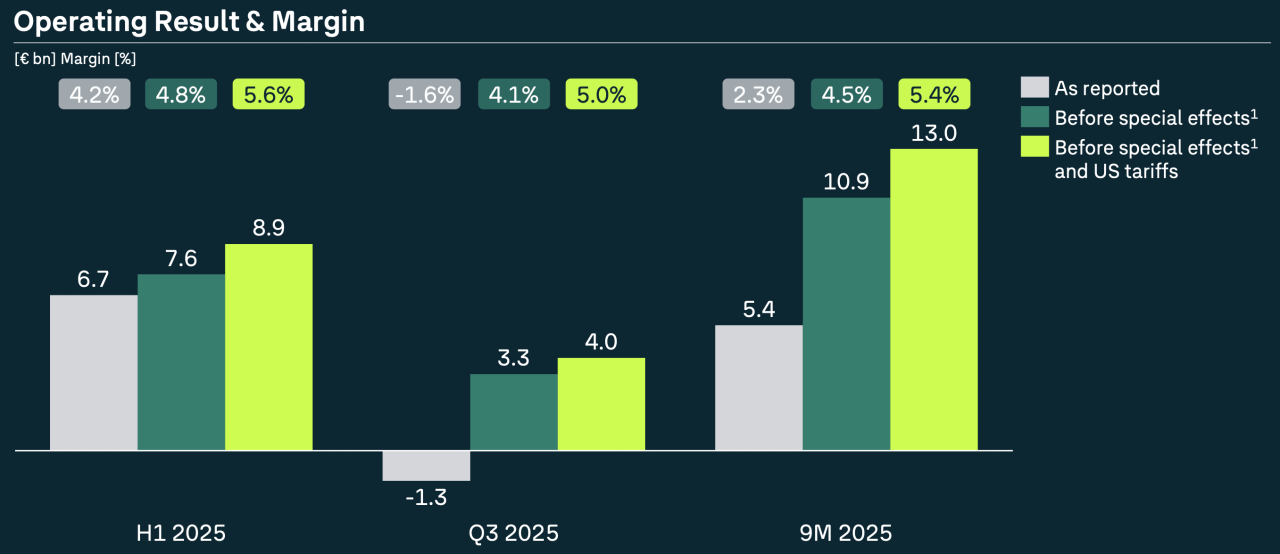
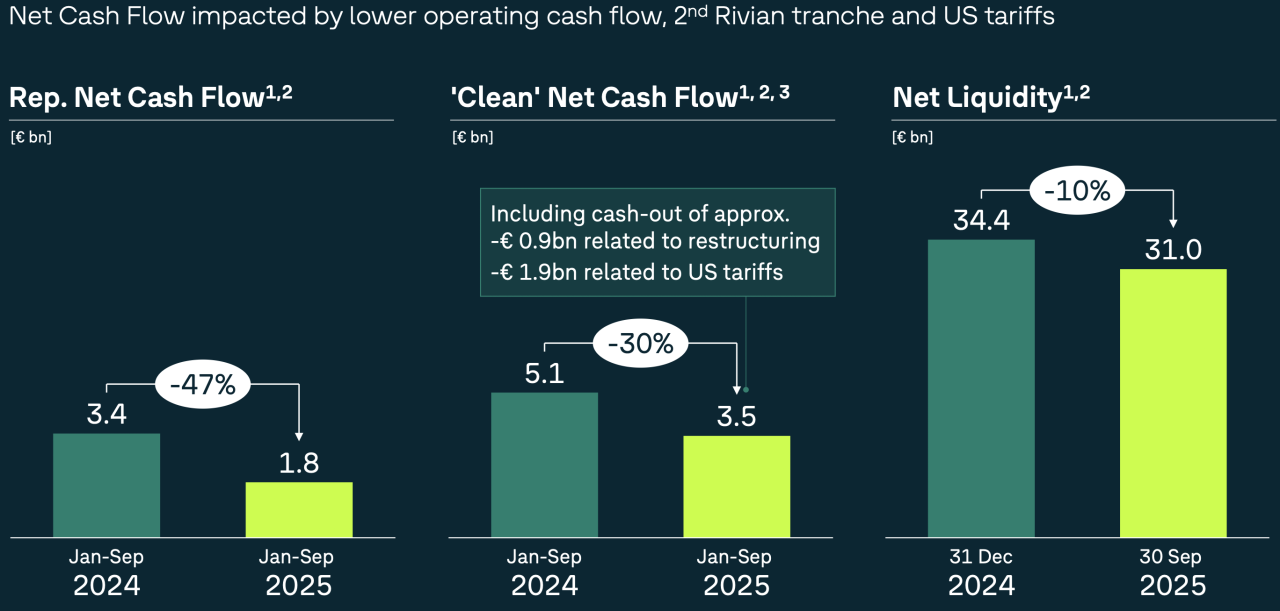
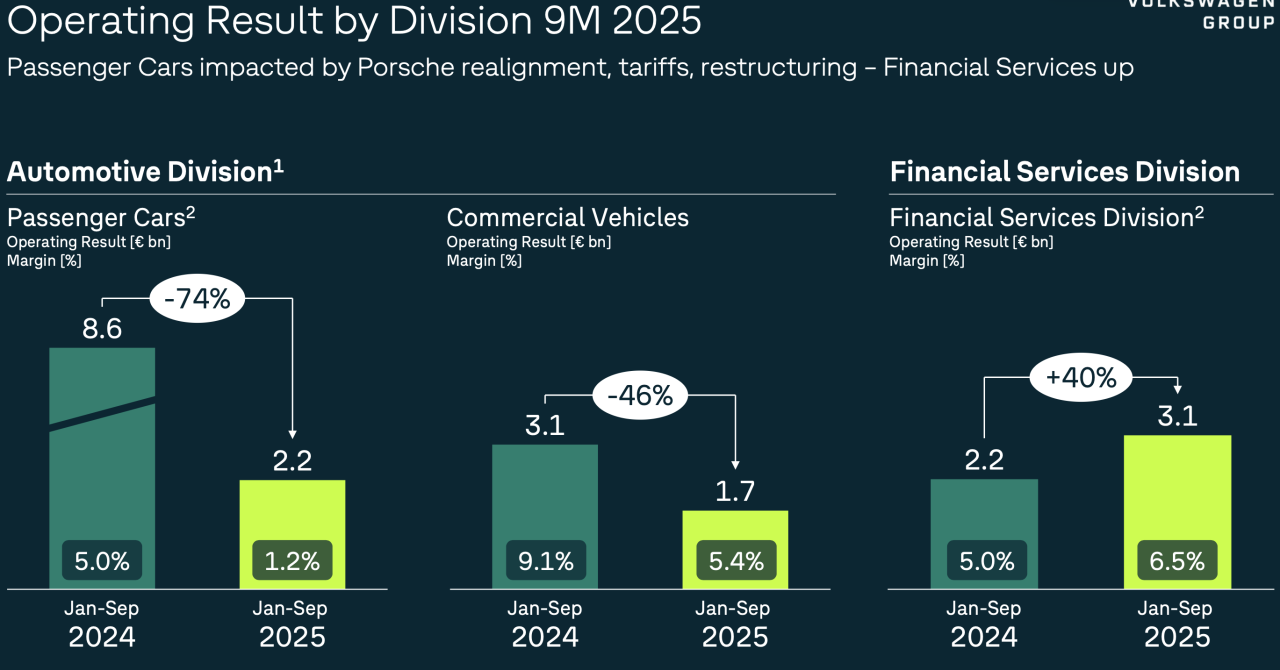
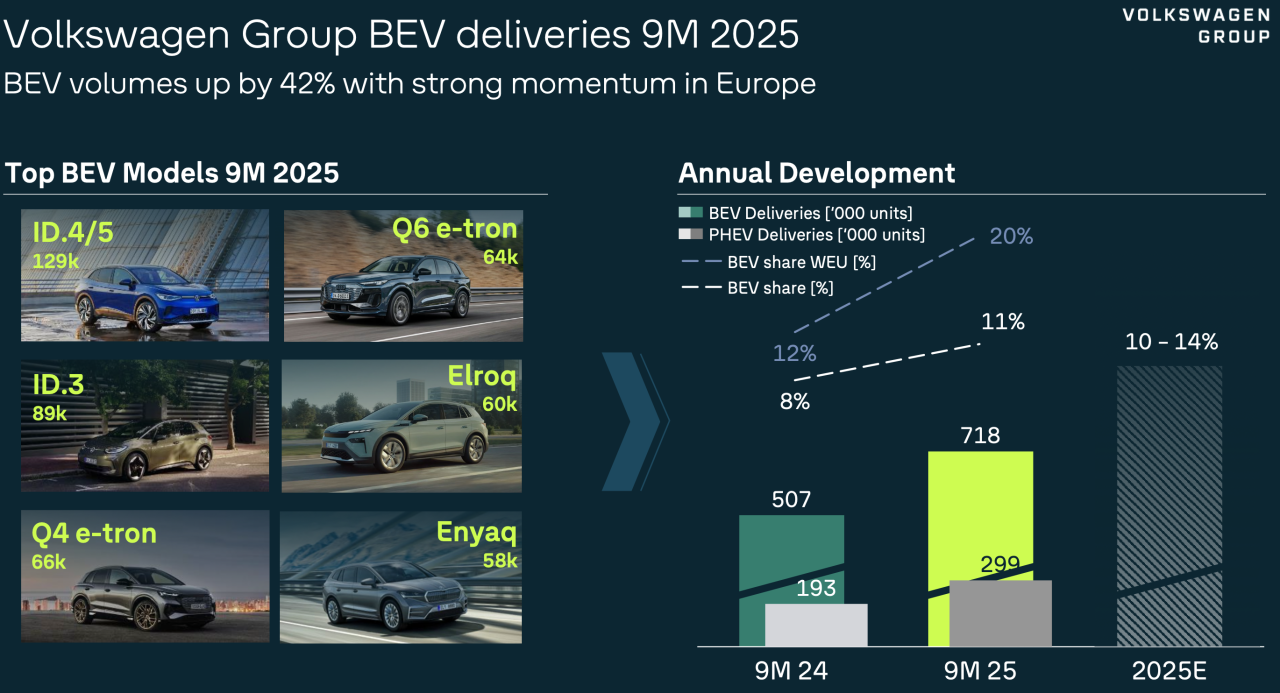
VW Group Q3…...Porsche trascina il gruppo in perdita (VW Group media)
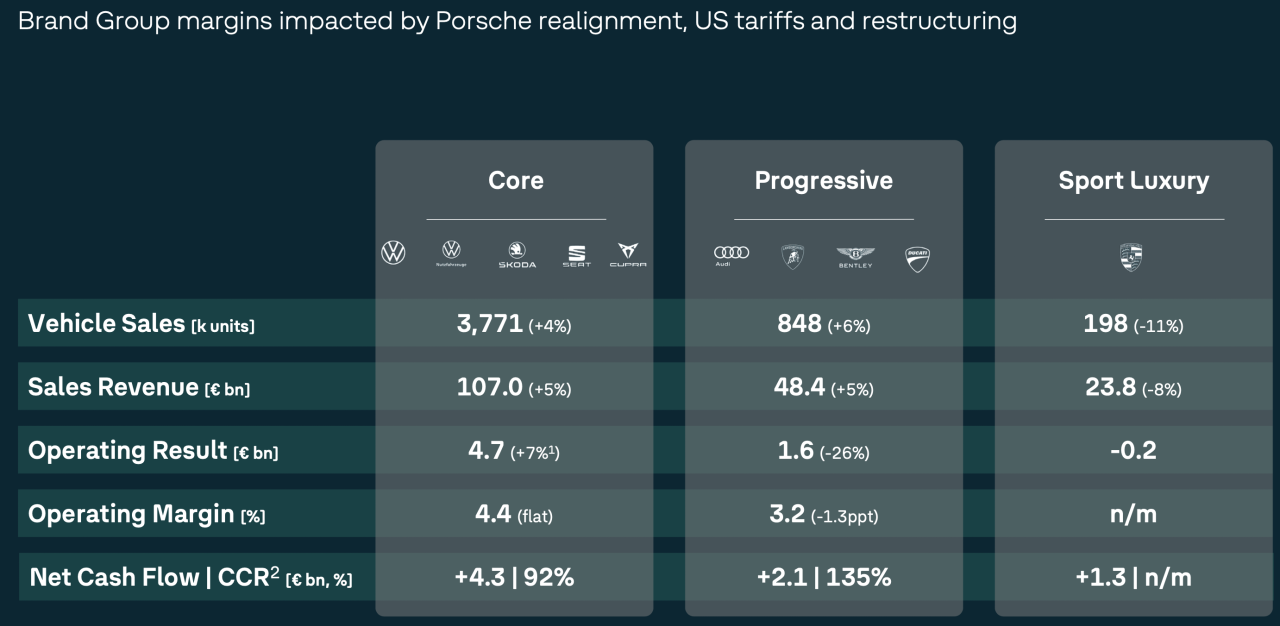
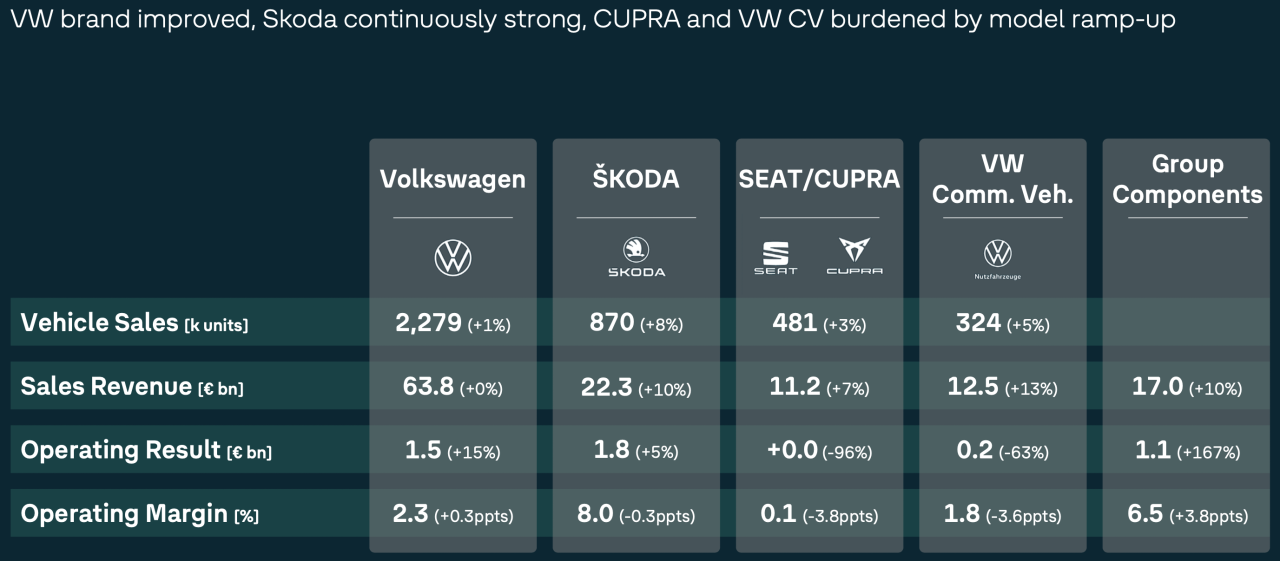
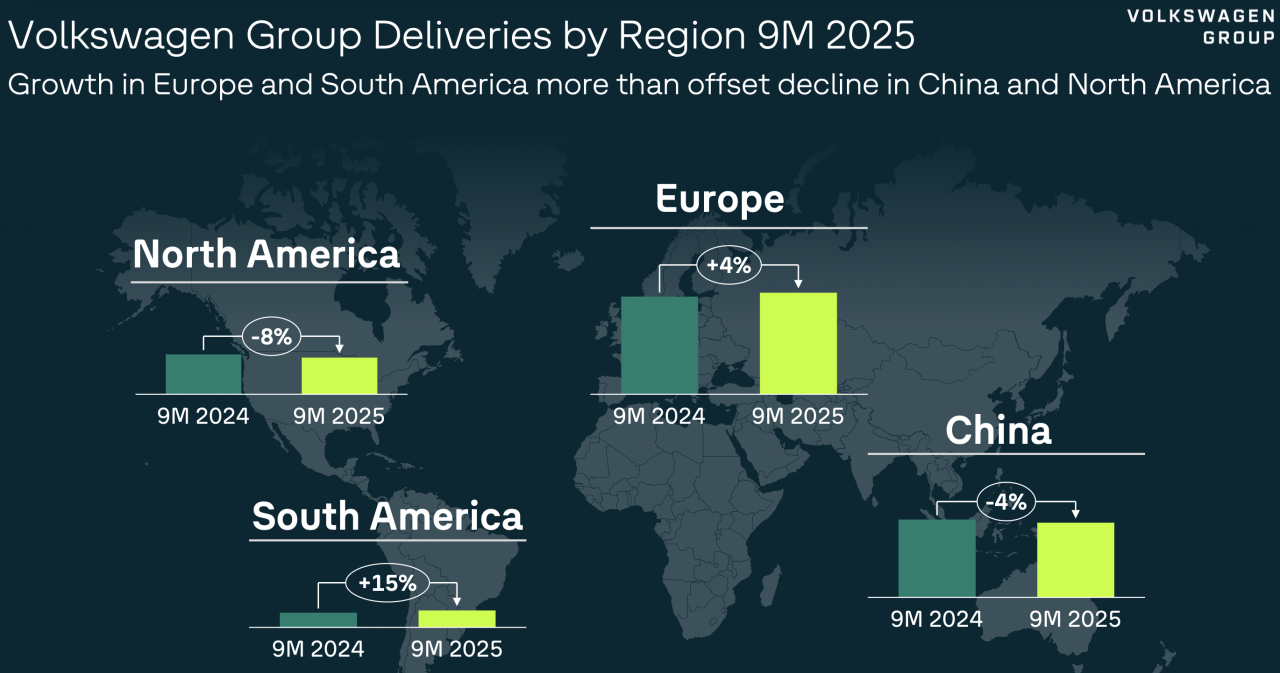
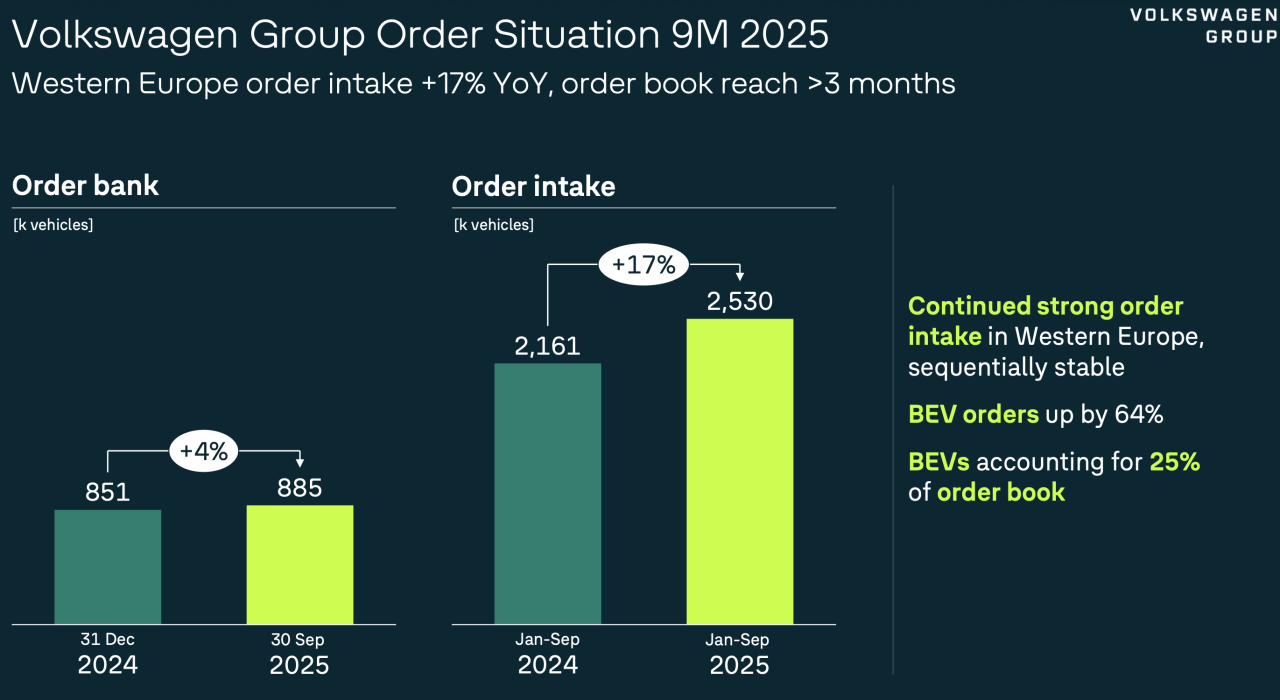
- 1738 risposte
-
-
- 1
-
-
- audi
- cupra
- ducati
- lamborghini
-
Taggato come:
-
….e con la sua accensione a precamera entusiasma anche i fanatici dei vecchi motori diesel delle W114/115, W123 e W124….🤣🤣
-
Secondo me no - la Multiair ha avuto solo un albero a camme invece la Hurricane 4 e bialbero, quindi come capisco io e davvero un variatore di fase elettrico, ma e un variatore.
-
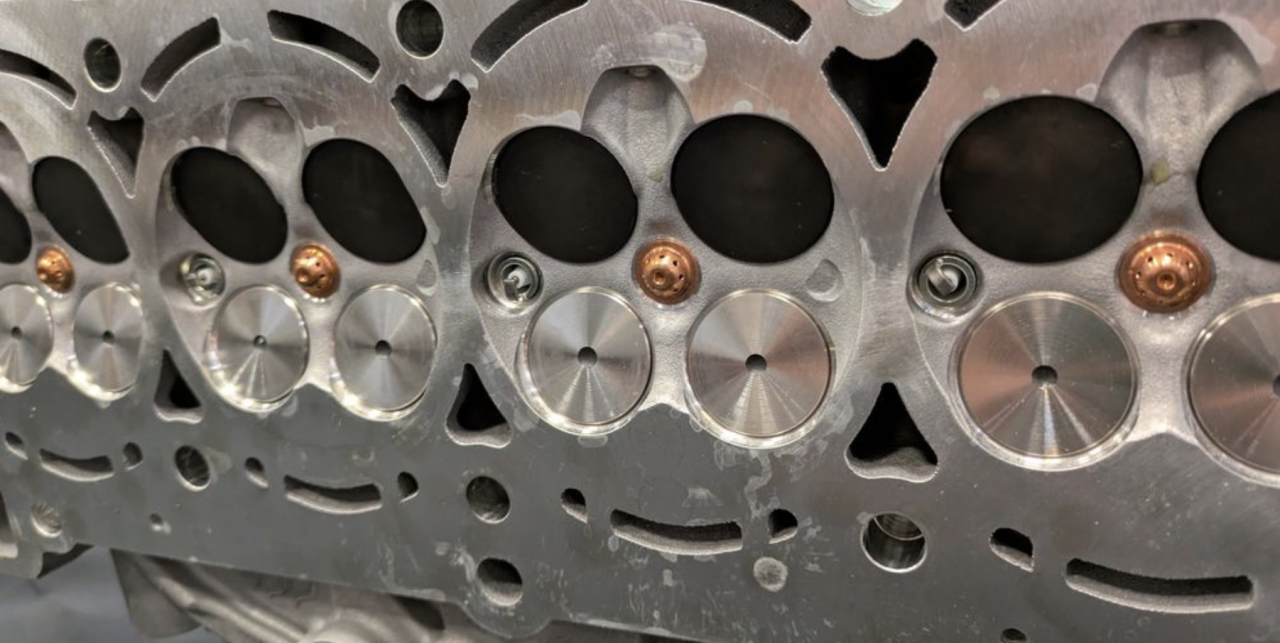
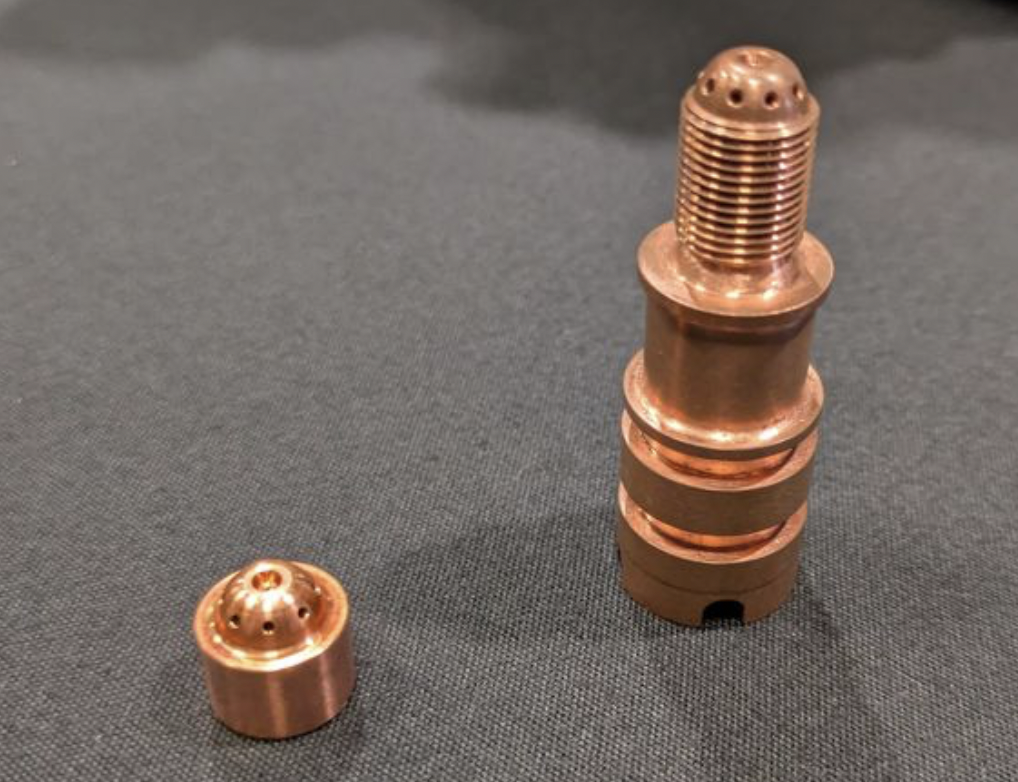
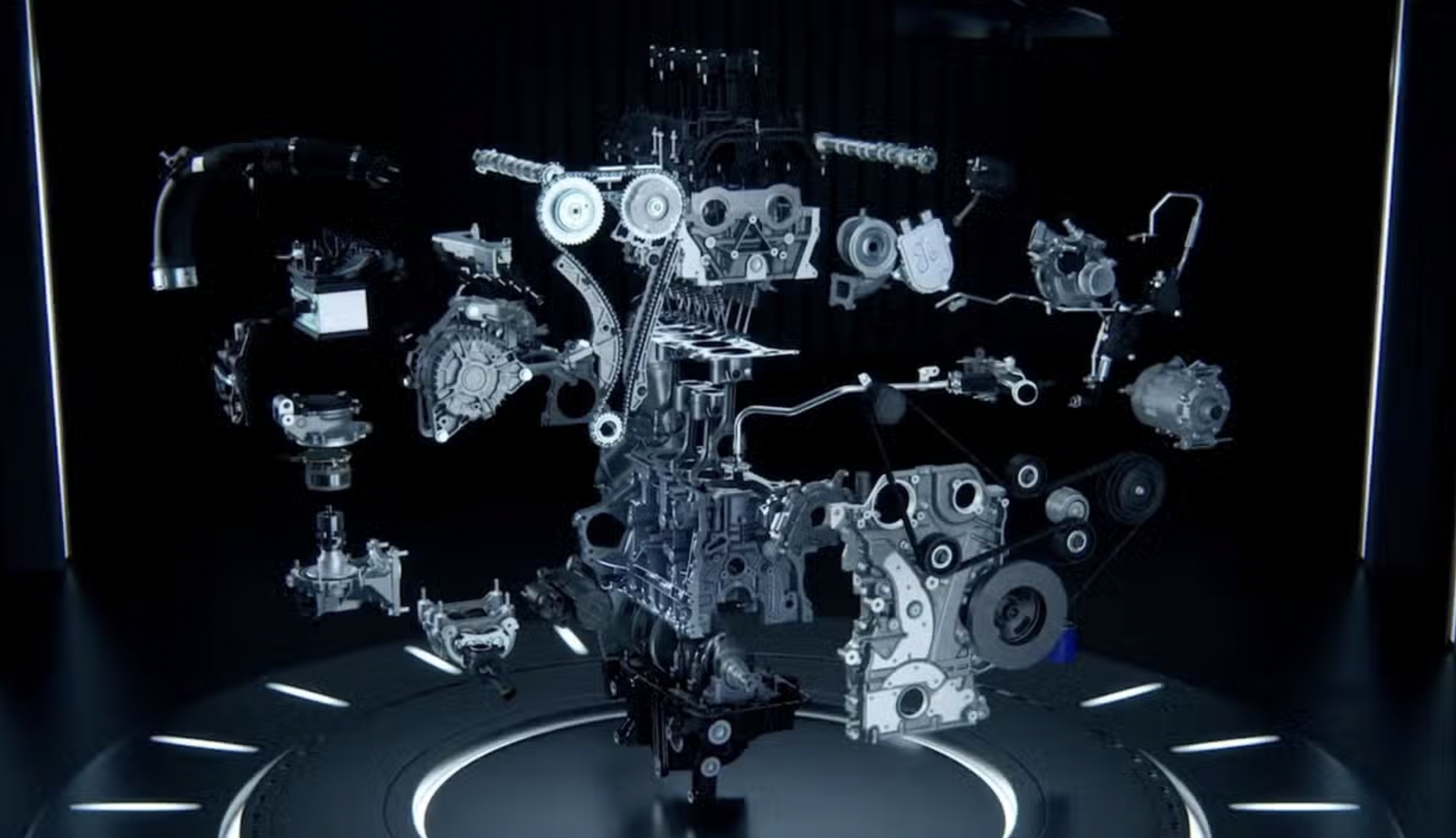
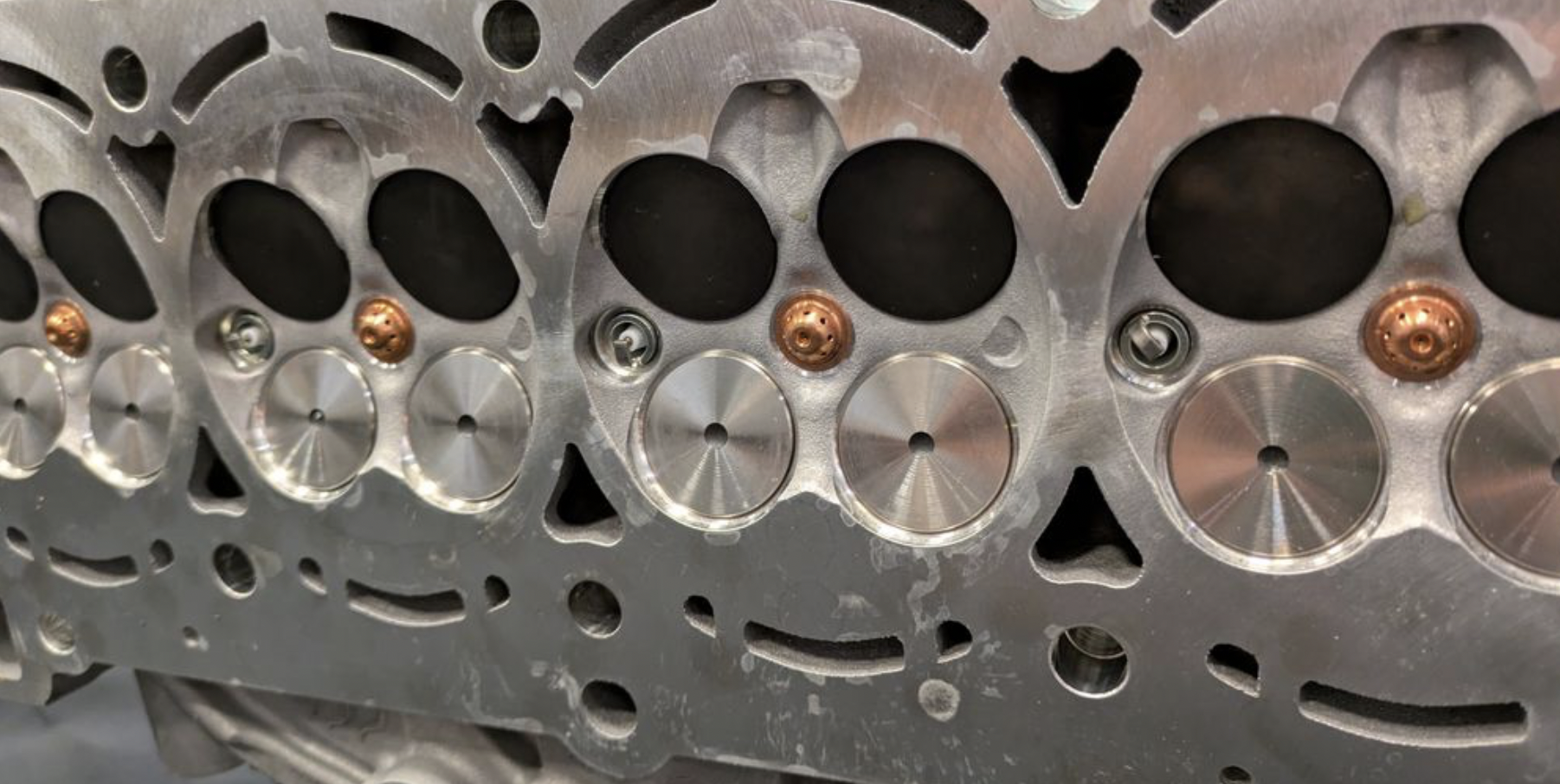
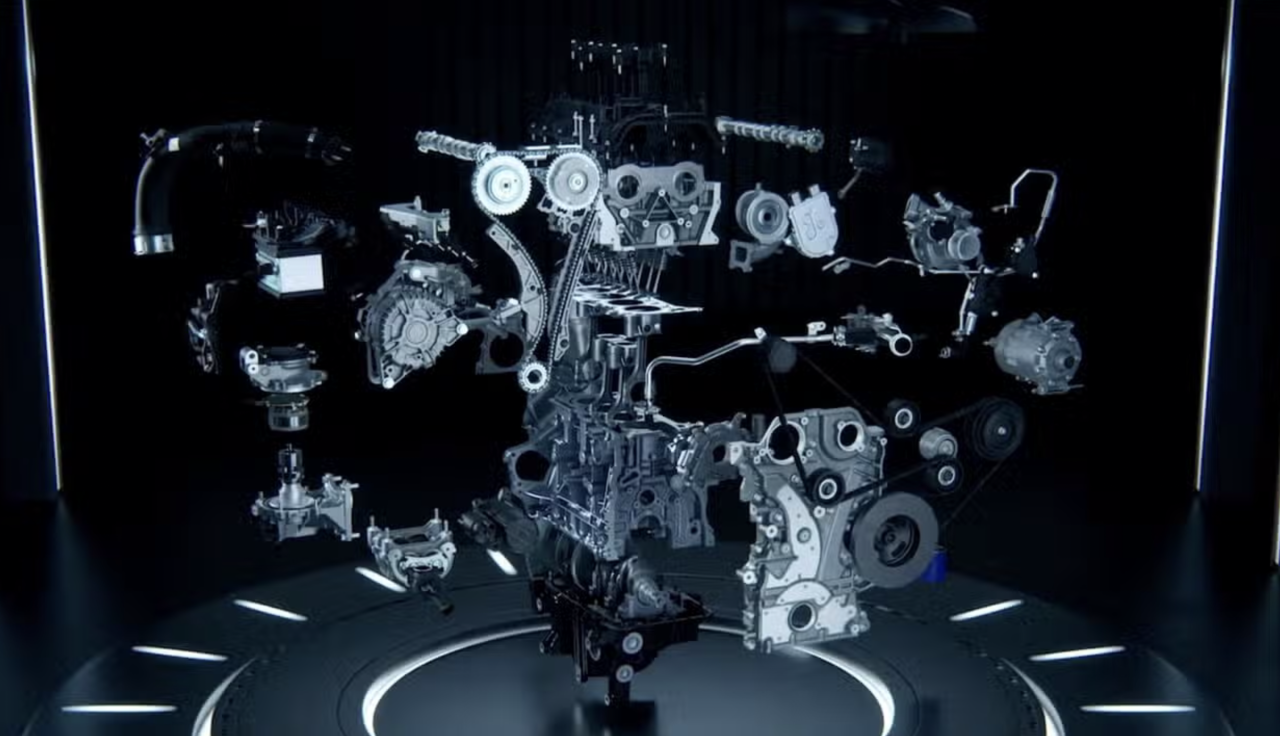
Jeep’s New Engine Uses F1 Tech to Make Shockingly Big PowerThink of the new 2.0-liter Hurricane 4's secret weapon as something like a mini blowtorch. Turbocharged 2.0-liter inline-four engines practically grow on trees these days. Every major automaker has one, typically making between 240 and 280 horsepower and deployed in a wide range of mass-produced cars, crossovers, and SUVs. Jeep’s corporate overlord Stellantis is no exception, with its soda-sized four-banger powering everything from the Alfa Romeo Giulia to the Jeep Wrangler to the Ram Rampage compact pickup sold in South America. The replacement for that engine, though, is anything but ordinary. Stellantis’s new Hurricane 4 uses a few high-tech tricks—unusual in an engine that will be produced by the hundreds of thousands—to make significantly more power than competitors’ boosted four-cylinders. When it launches in the 2026 Jeep Grand Cherokee later this year (read our First Look here), the new turbo 2.0-liter inline-four will churn out 324 horsepower and 332 lb-ft of torque. That’s a power density of 162 horsepower per liter, 26 percent greater than the Hellcat Redeye supercharged V-8 achieved. Giving the Power to the PeopleThe Hurricane’s healthy power output is made possible in part by turbulent jet ignition, which is employed in Formula 1 engines and the Maserati MC20’s 621-hp twin-turbo V-6. Also called prechamber ignition, TJI adds a small, cup-like combustion chamber inside the main combustion chamber. During the compression stroke, fuel and air are pushed from the primary combustion chamber into this prechamber. A spark plug in the prechamber ignites the gas and jets of fire spray into the main chamber where they ignite the main mixture. “Instead of a spark plug, you’re putting a blowtorch in the chamber,” explains chief engineer Ashish Dubey. The result is extremely fast and complete combustion, which reduces emissions, improves fuel economy, and increases power. Jeep claims the new engine uses 10 percent less fuel to deliver 20 percent more power than the boosted 2.0-liter it replaces. In the refreshed Grand Cherokee, we’re told the Hurricane 4 will be good for 0–60-mph times between 6.0 and 7.0 seconds, a 6,200-pound towing capacity, and up to 23 mpg combined. While the size of the prechamber is nearly identical between the Maserati V-6 and the new inline-four, the hardware has been revised for mass production in Dundee, Michigan, where Stellantis will ultimately crank out 111 engines per hour, and in Kokomo, Indiana, where assembly will begin at a later date. Maserati’s Nettuno V-6 uses a large copper insert, roughly the size of a spark plug, that threads into the cylinder head. The Hurricane four uses a copper chamber the size of a pencil eraser that is press-fit into the head. The difference can be seen in the picture below. Micky Bly, head of global propulsion systems at Stellantis, says the hardware has been consistently reliable during development and that the engineering team has had to focus its efforts on calibrating the advanced combustion system. Each cylinder is fit with two spark plugs, one in the prechamber and one in the main chamber. When the driver demands high torque, only the prechamber spark plug fires. At moderate loads, the prechamber plug fires first followed by the main chamber plug. At idle, low loads, and cold starts, the spark plug in the main chamber leads the prechamber spark plug. A Clean-Sheet DesignWhile the name Hurricane 4 makes the new engine sound like an update of the current GME T4 Hurricane four-cylinder engine, Dubey says only a handful of nuts and bolts carry over along with the 84-millimeter bore and 90-millimeter stroke. The turbocharger, which can cram up to 35 psi of boost into the cylinders, now features variable turbine geometry for quick low-rpm and transient responses and less exhaust restriction on the top end. The torque curve plateaus relatively high in the rev range from 3,000 to 4,500 rpm, but 90 percent of the max 332 pound-feet is available from 2,600 rpm to 5,600 rpm. Power peaks at 6,000 rpm. The Grand Cherokee will run on 87 octane, although the output and fuel economy ratings have been achieved on premium gas. The engine operates at a 12.0:1 compression ratio and runs on the Miller cycle, which closes the intake valve earlier than the traditional Otto cycle for greater efficiency. That change led engineers to adopt an electric intake cam phaser in place of the old engine’s hydraulic adjuster for more precise control. It should enable smoother restarts during stop-start events. The engine incorporates several measures to improve noise, vibration, and harshness as a result of feedback from current owners of Stellantis vehicles. The cylinder walls are thicker (made possible by trading cylinder liners for a super-thin sprayed-on iron coating), the main and connecting-rod bearings are larger, and the crankshaft damper is fluid-filled. Gearing the balance shafts directly to the crankshaft rather than driving them via chain should be quieter, and the addition of port fuel injectors eliminates the noisy clatter of high-pressure direct injection at idle. (Motortrend)