



Vai al contenuto
View in the app

A better way to browse. Learn more.

Autopareri

A full-screen app on your home screen with push notifications, badges and more.

To install this app on iOS and iPadOS
  1. Tap the Share icon in Safari
  2. Scroll the menu and tap Add to Home Screen.
  3. Tap Add in the top-right corner.
To install this app on Android
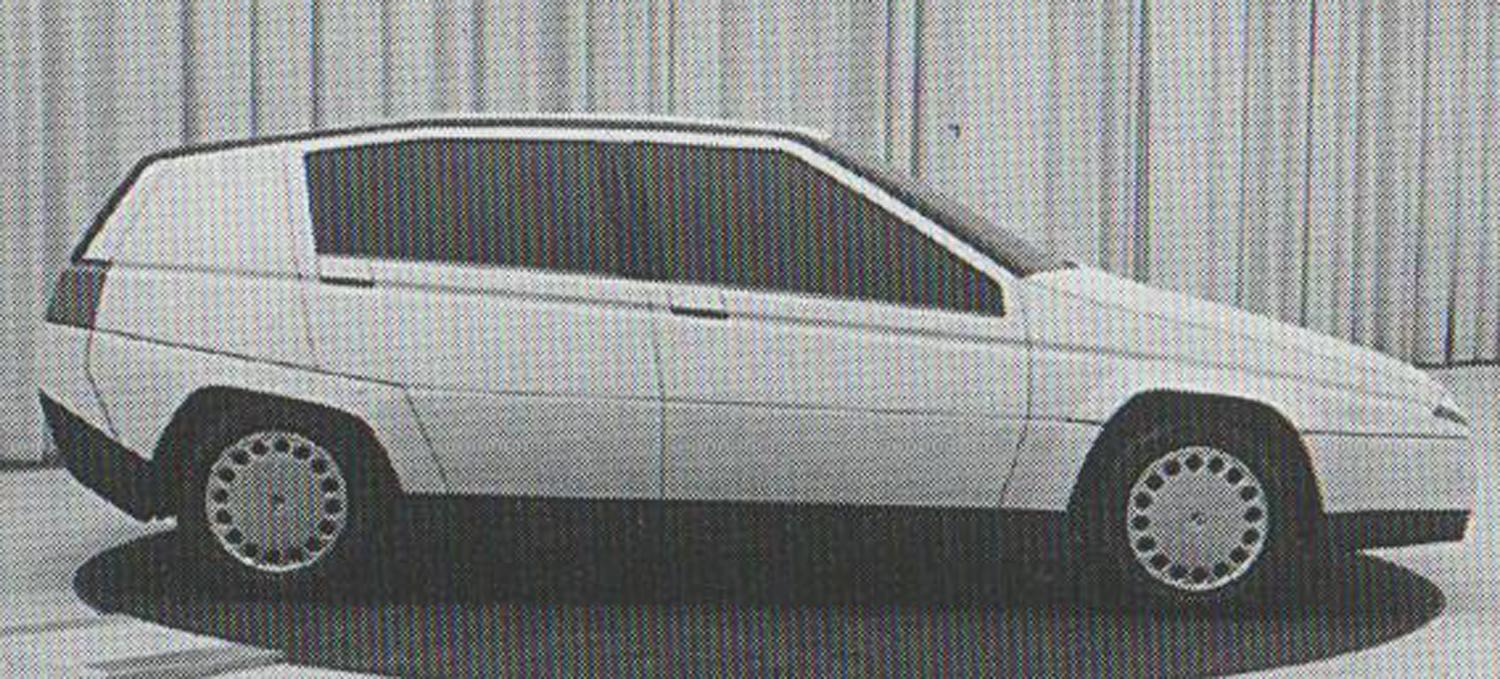
  1. Tap the 3-dot menu (⋮) in the top-right corner of the browser.
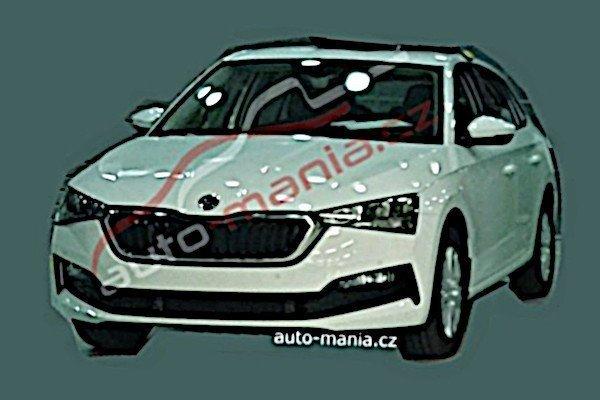
  2. Tap Add to Home screen or Install app.
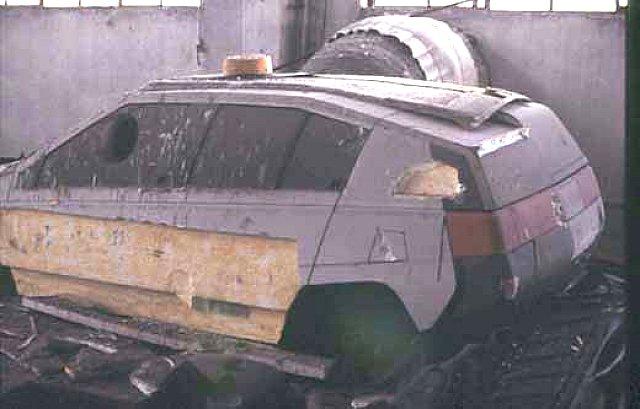
  3. Confirm by tapping Install.

krycek07

Utente Registrato
  • Iscritto il

  • Ultima visita

Tutti i contenuti di krycek07

  1. nella discussione ha aggiunto krycek07 in Auto Epoca
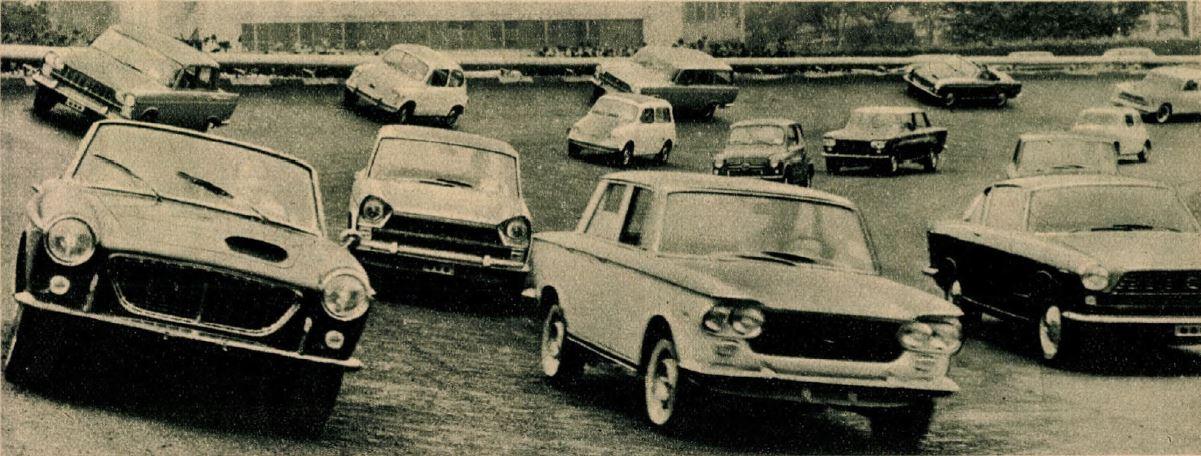
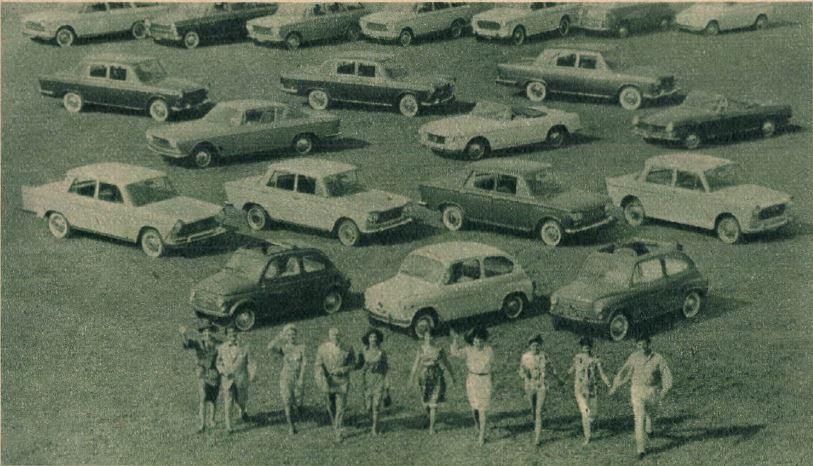
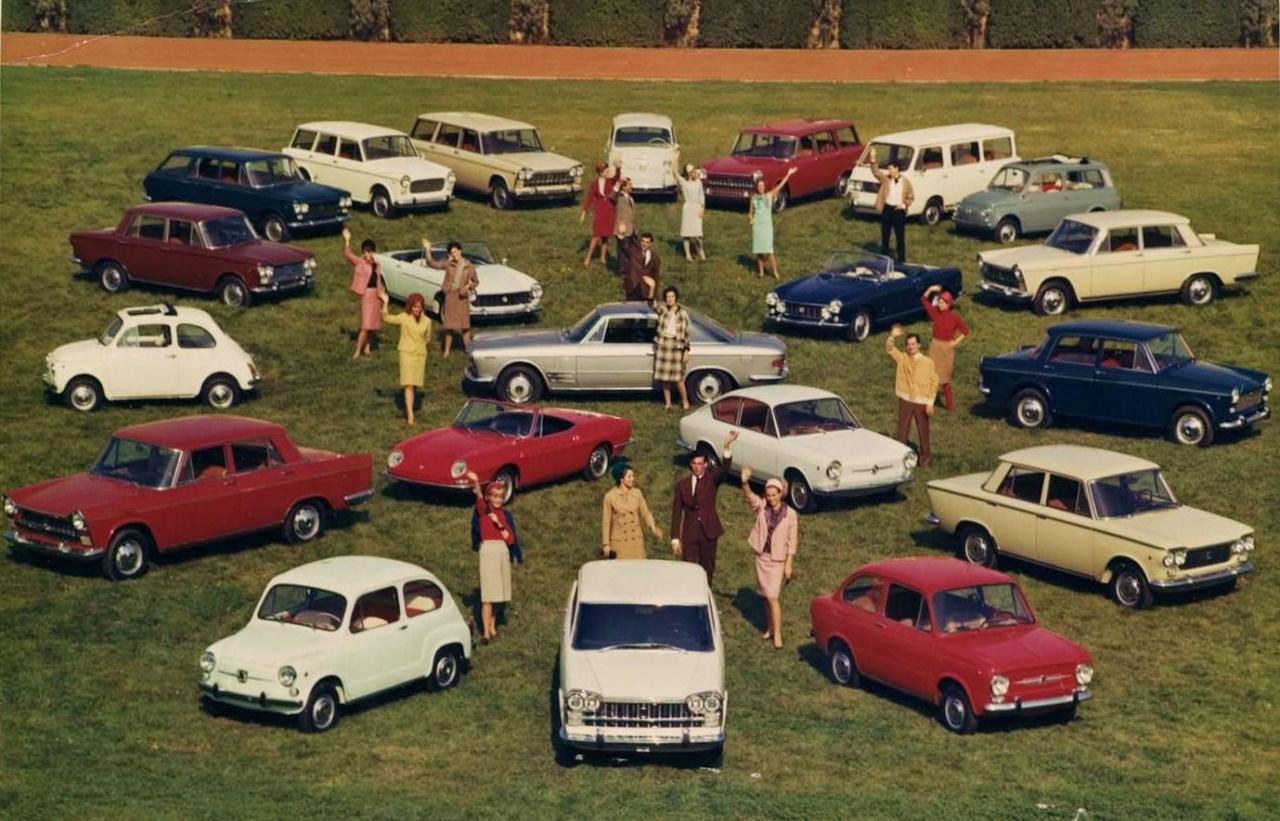
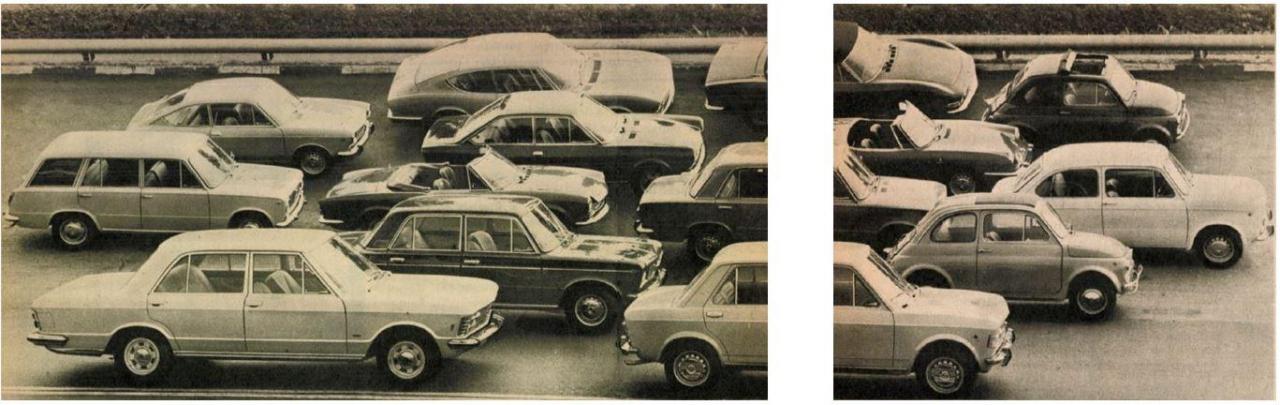
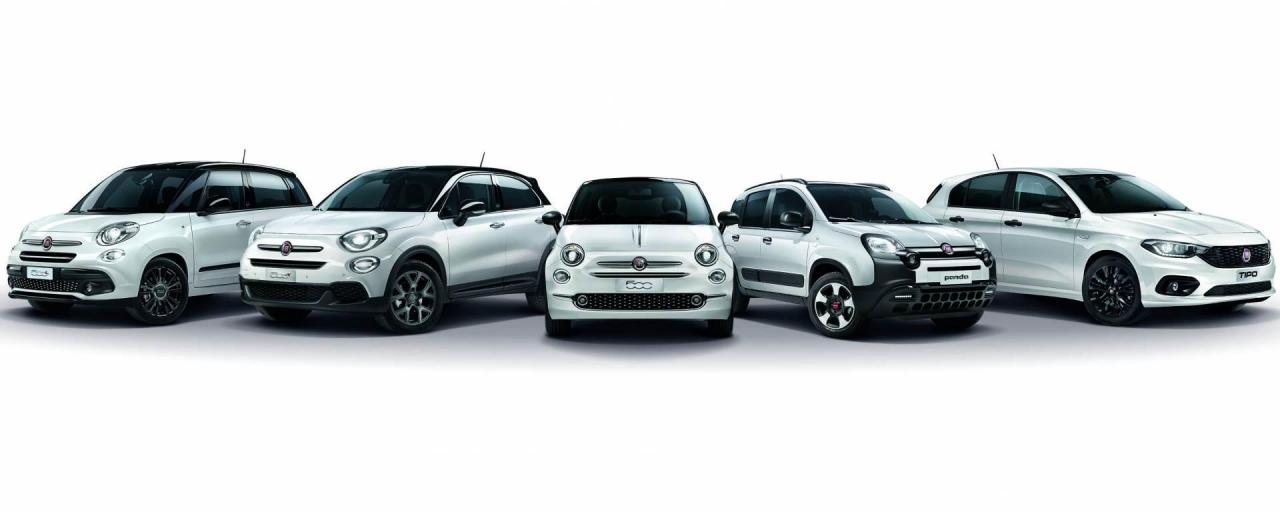
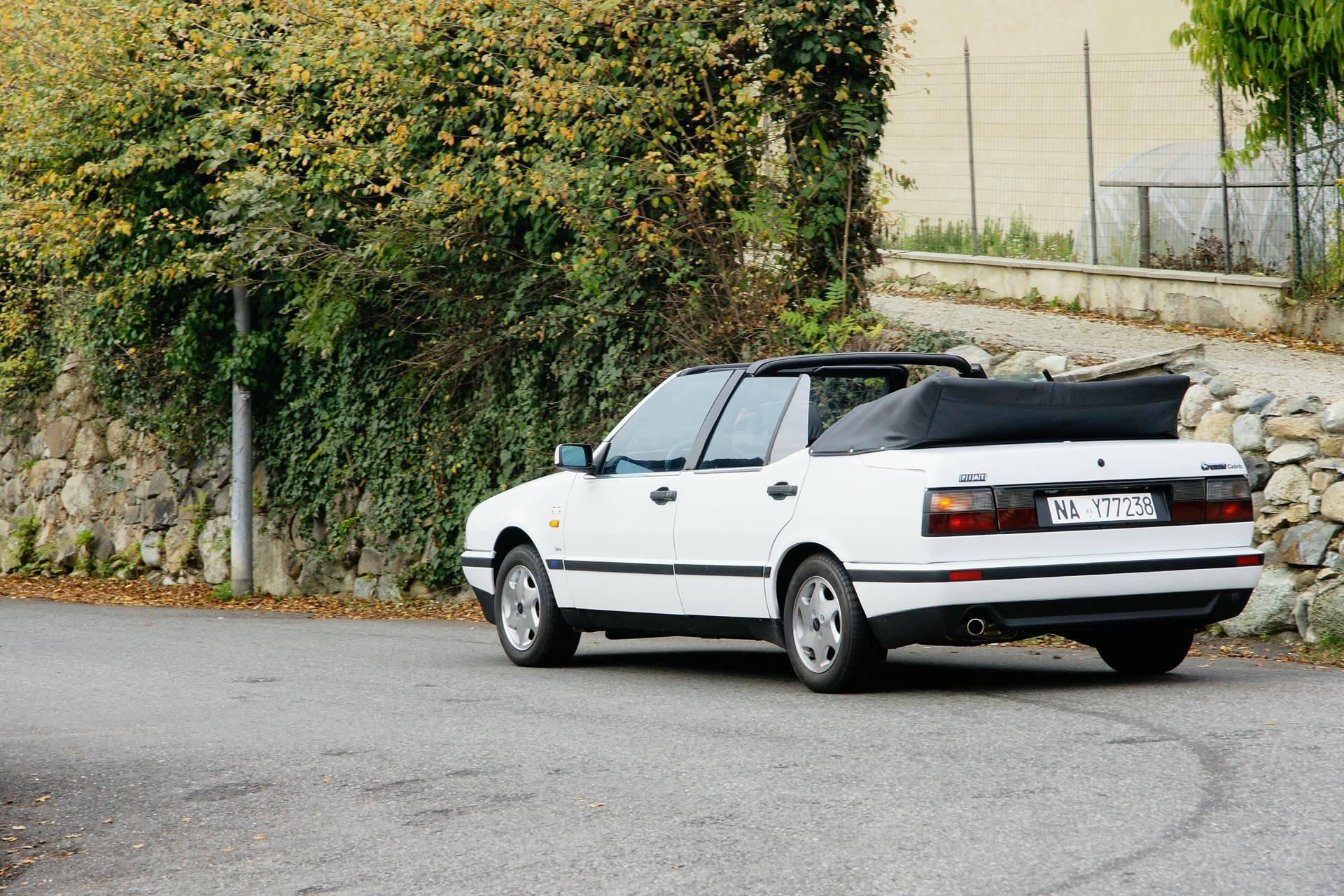
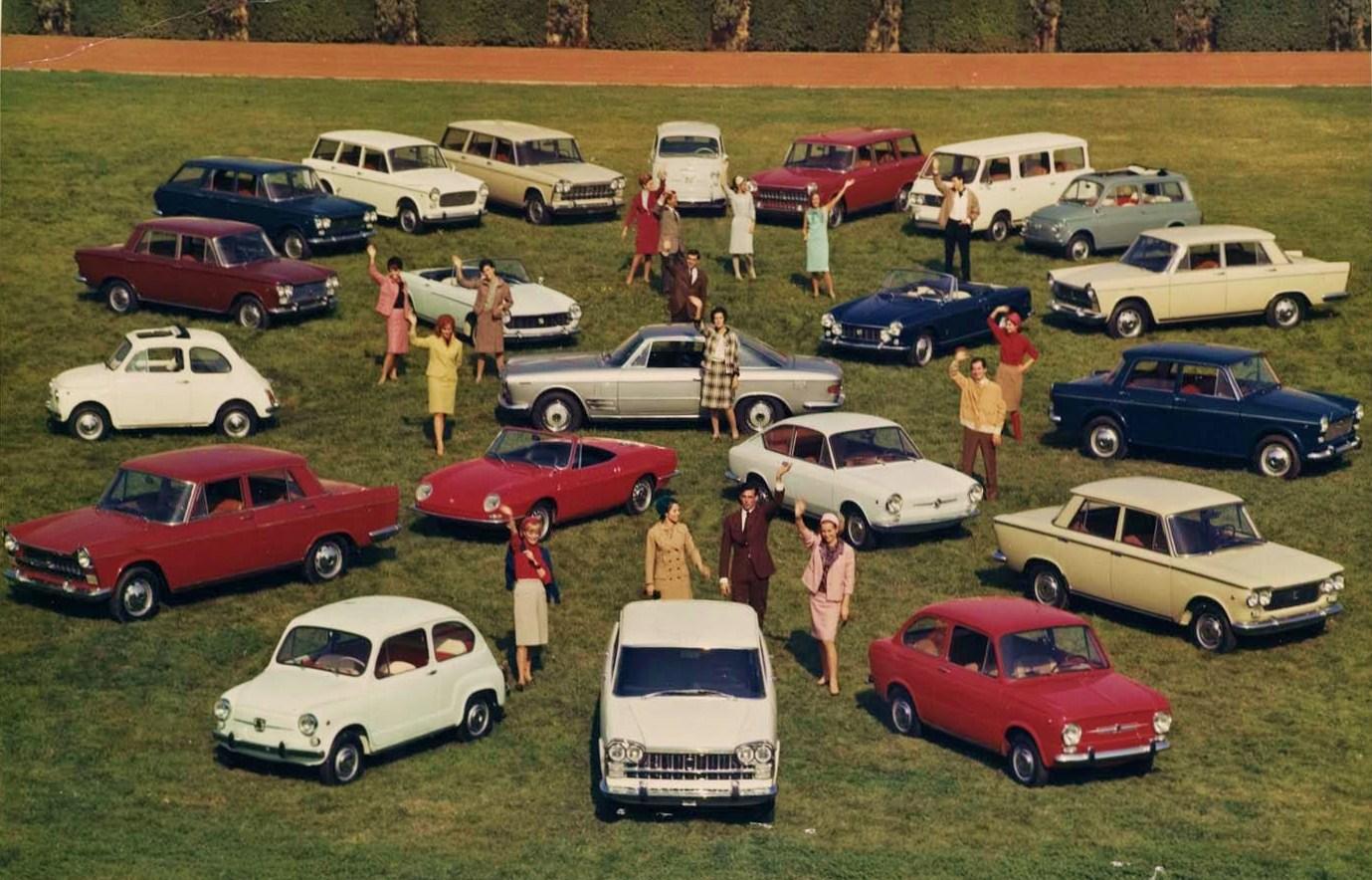
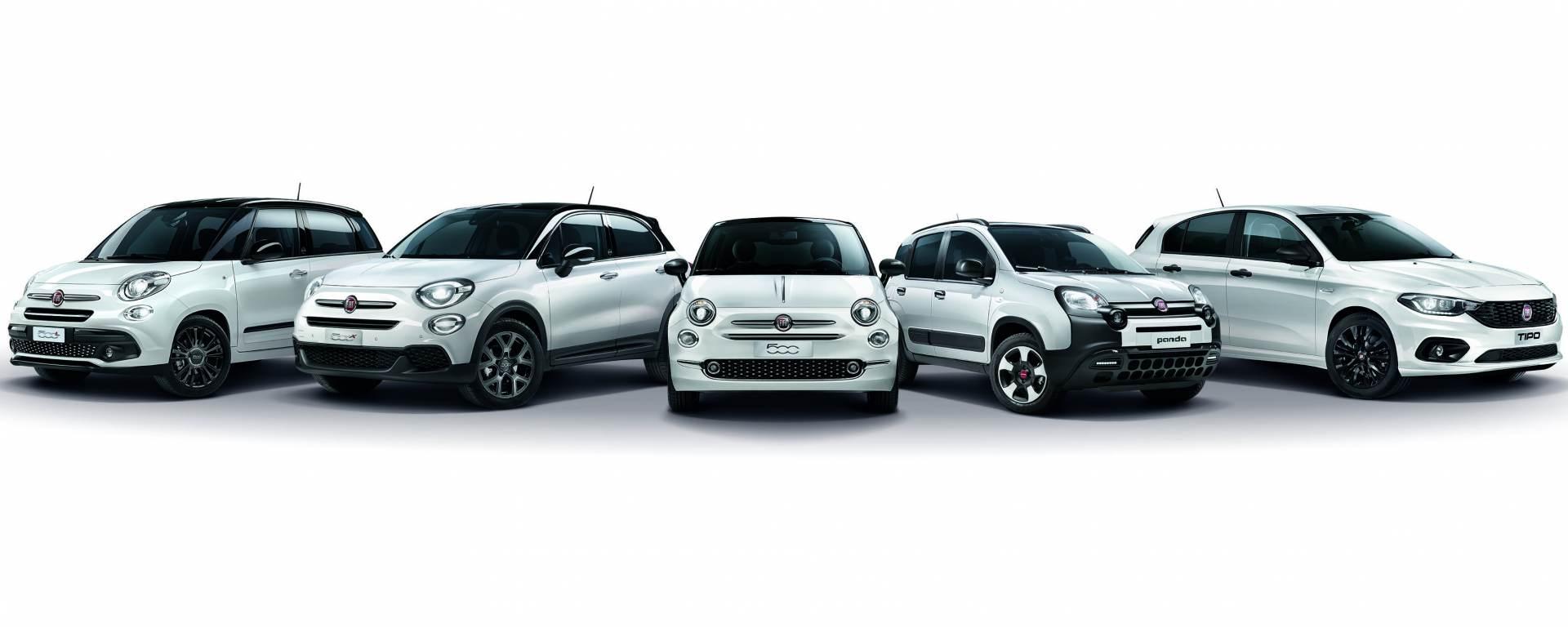
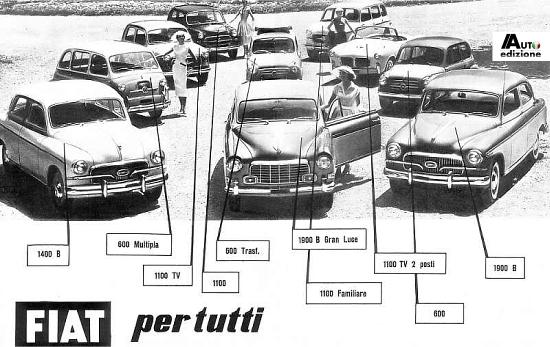
    Fiat Model Ranges I have not find this kind of topic, and I may not missed it, so I start it. Nowadays the Fiat model range is not so wide. I fould some old images about some Fiat model ranges. I try to notice more from other years, but it is hard to find. Can you share any images with better quality or about Fiat model ranges in other era? I hope that the dates are correct, because I found them in magazines that year. Some sources: autopareri, autoedizione; www.facebook.com/fiattipofans; motorbox.com 1956 1962 1963 1965 1969 1988 (UK) 1992 (Germany) 2020
  2. Stellantis from a different approach (is rooted in the Latin verb “stello” meaning “to brighten with stars”) 🙃, sorry for the joke.
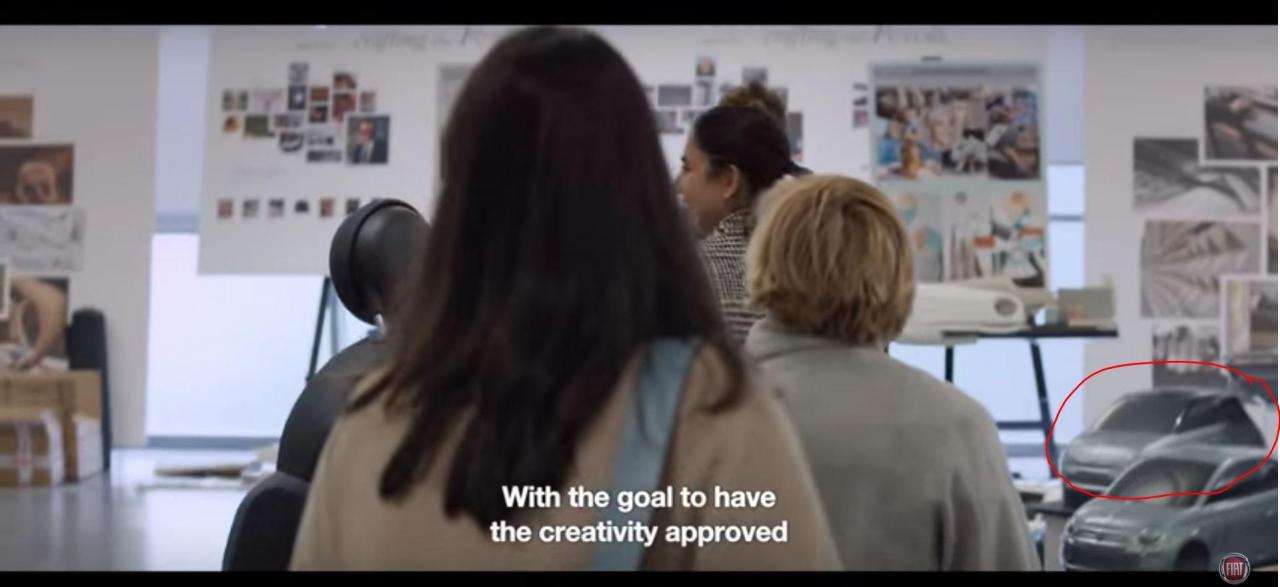
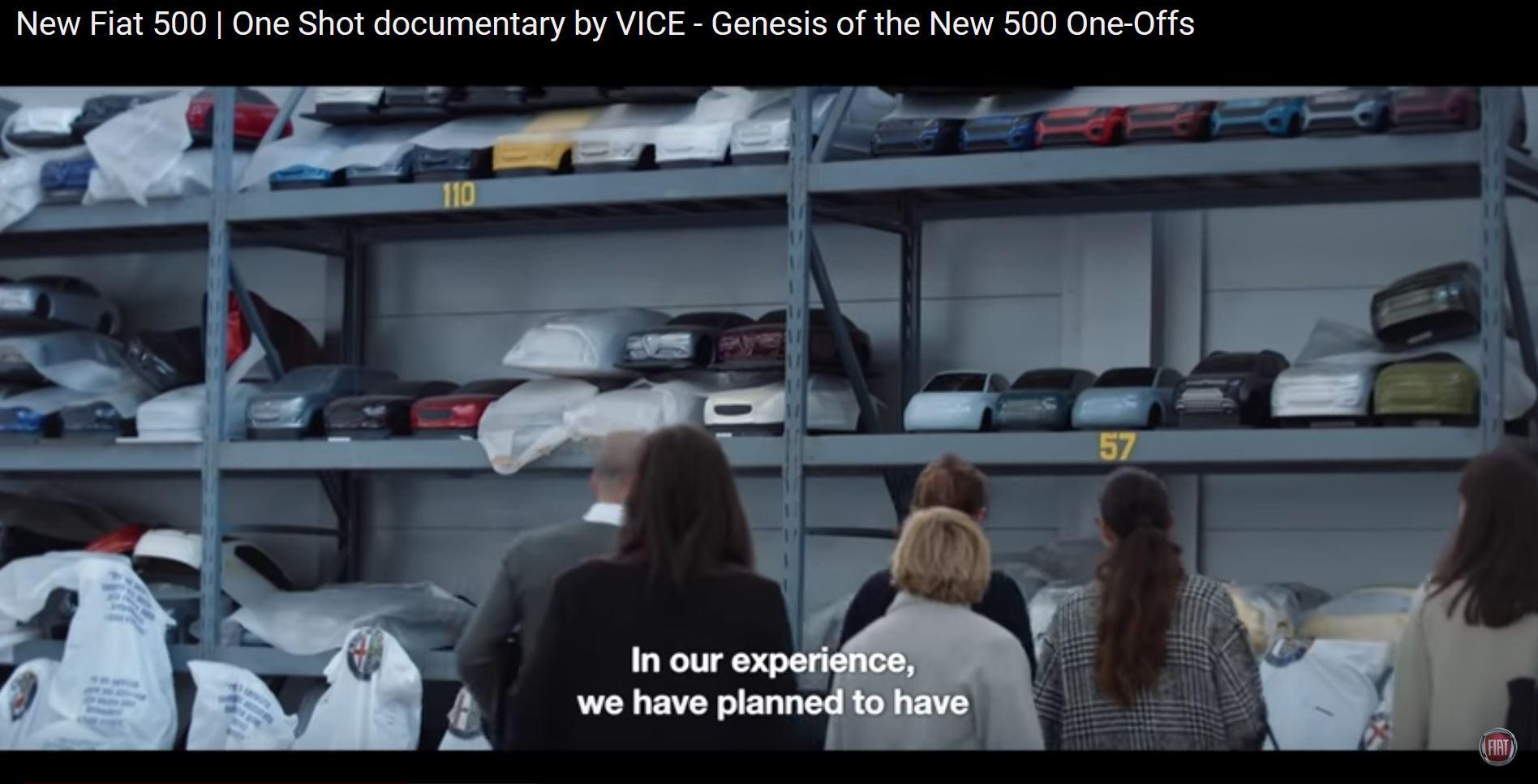
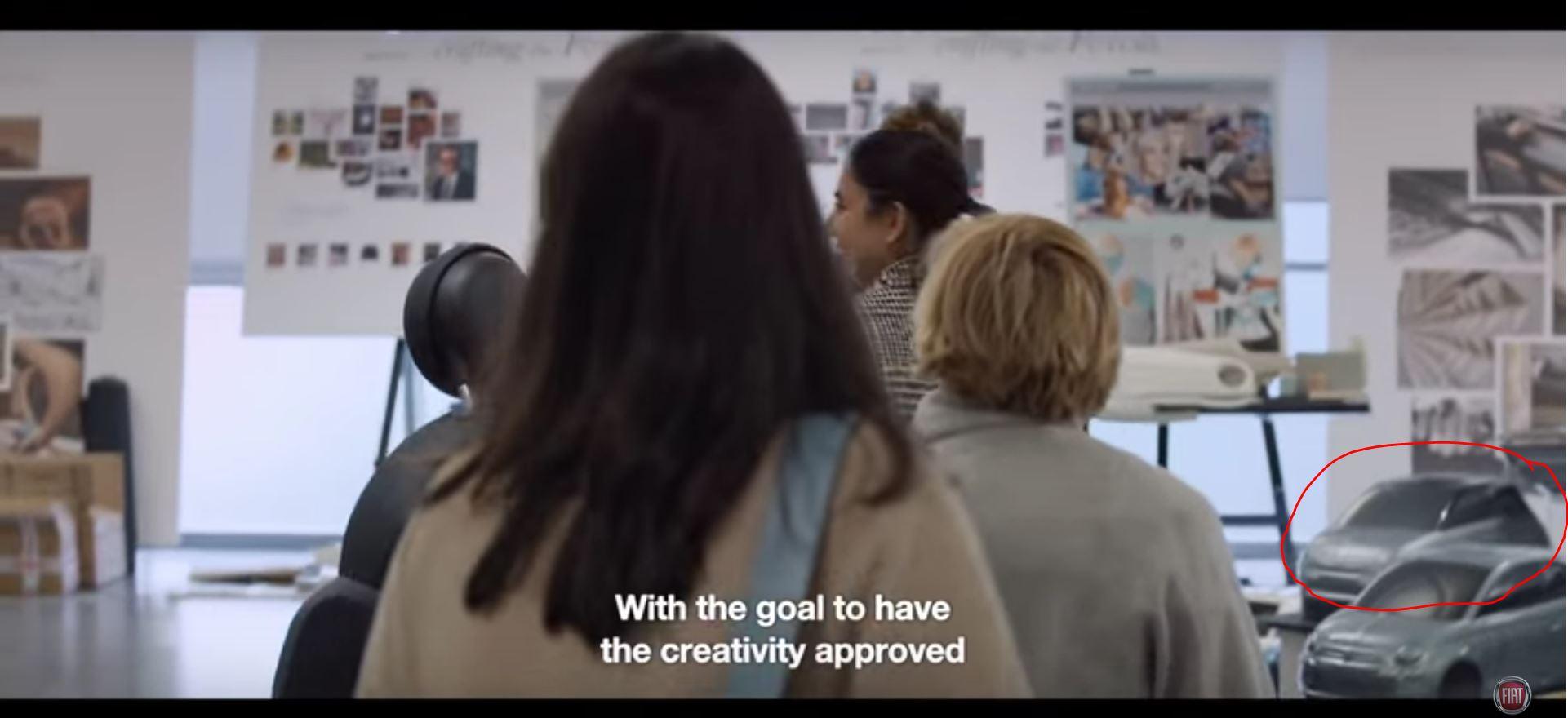
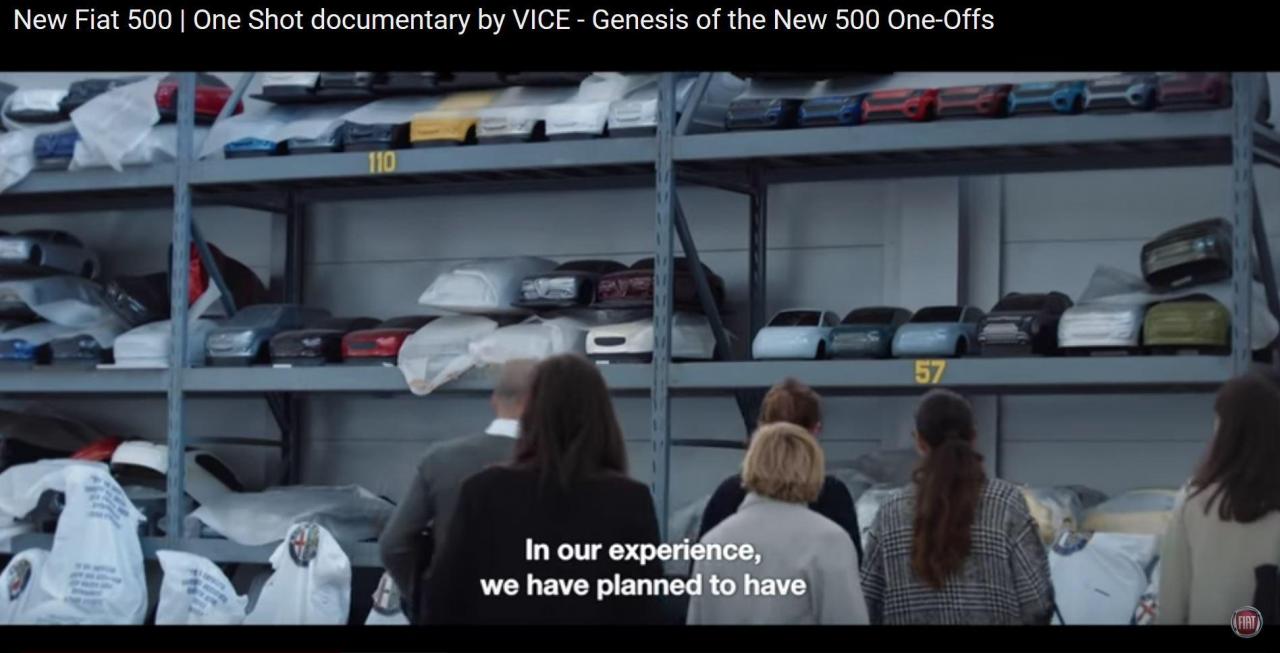
  3. I guess this is the right topic for my questions. I watched the "New Fiat 500 | One Shot documentary by VICE - Genesis of the New 500 One-Offs" film from fiat. There are two scenes, where are strange cars on it: Are these only colour selections about FCA cars on the background, or are there unknown mock-ups? Maybe I see Giulia, 500, 500l, Panda. However what is on the top right? Tipo looks little bit different. (04:01) On the foreground there is a mock-up about the current 500, but what is on the background? It seems there is a "less detailed" fiat. Is could be a mock-up from the development of 500e? (04:05)
  4. I have read that the production of the FIAT Doblo is stopped. Could it be? I have not seen it on other sites.
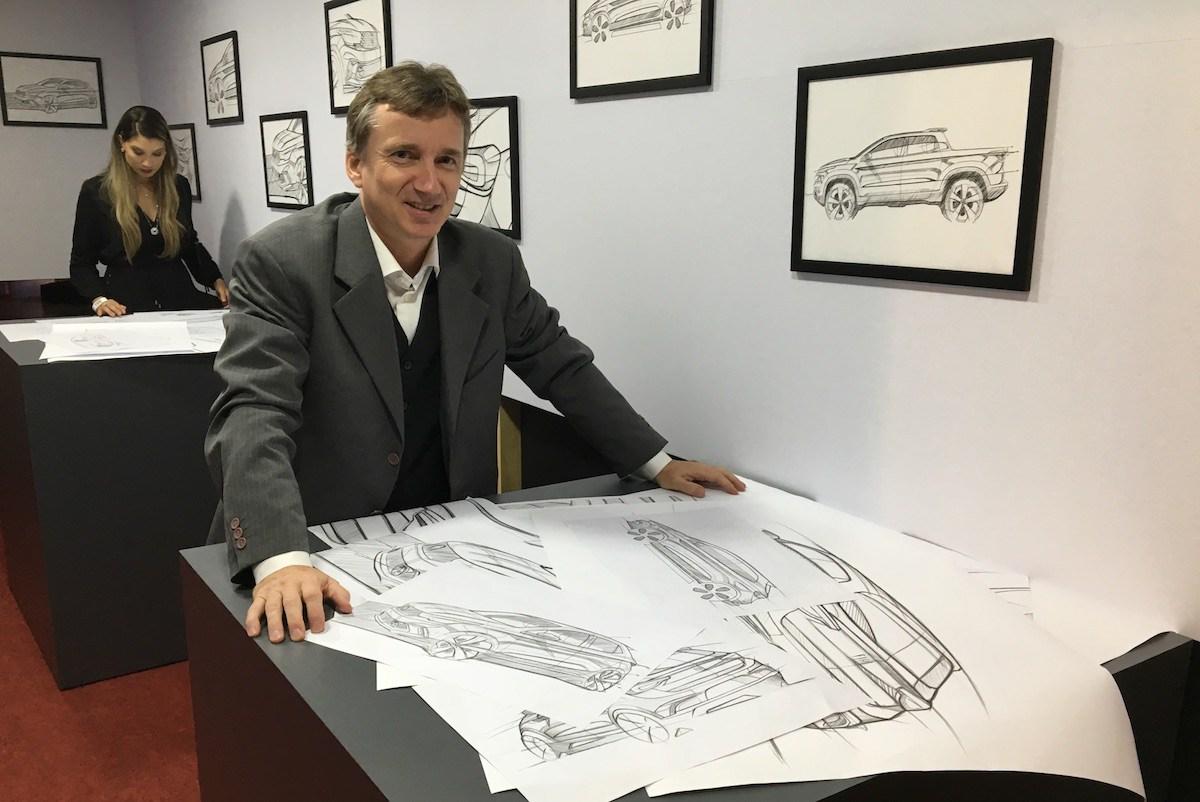
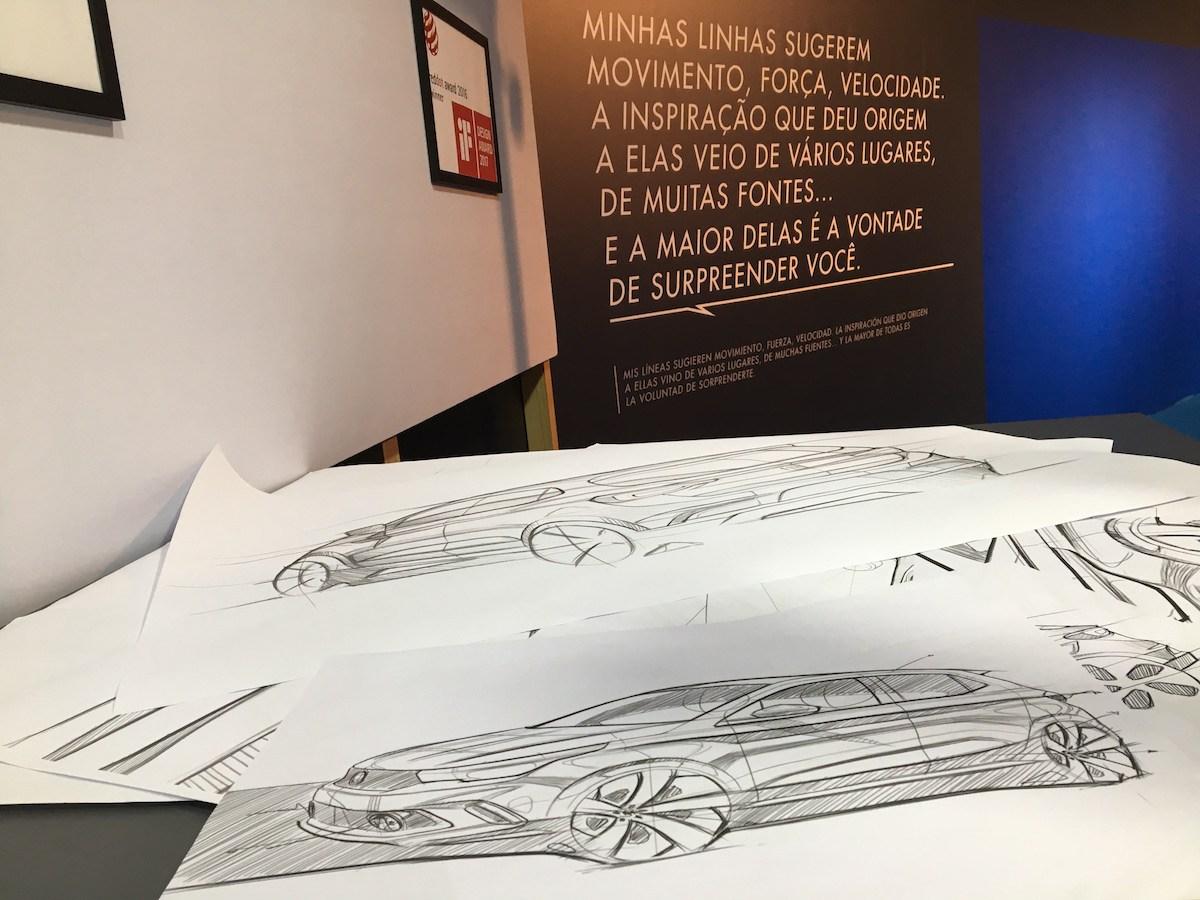
  5. FCA Design Center LATAM opened a new studio, and they held an Open Day. Further information and images: http://www.fcapress.com.br/pt/fca/verRelease/2341.do https://drive.google.com/drive/folders/1F9Xgu9gSnKJz50FRCkHXWy0yGUZjWmLd
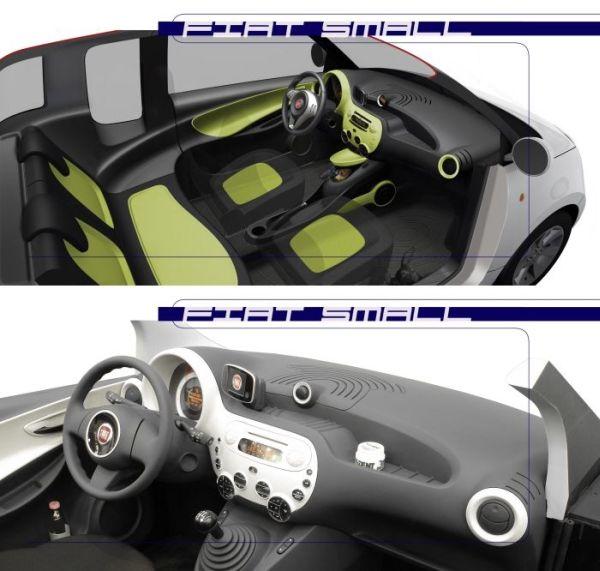
  6. I guess this was the "small fiat", which could have been smaller than Fiat 500. Unfortunately these are interior images, but it is more than nothing... http://www.techietonics.com/interview-tonics/interview-with-ramon-ginah-director-at-great-wall-motors.html
  7. Here is a Photoalbum about Fca Heritage HUB: Does anybody know what prototype could it be? According to Fiat Logo it was born between 1994 and 1999. I know most of the prototypes, but I have not seen this one. After the album the prototypes of Cinquecento (1992), Punto (1994), and Bravo-Brava (1996) are missing for me. Maybe these cars are from only Fiat C.S. as Fiat Scia...
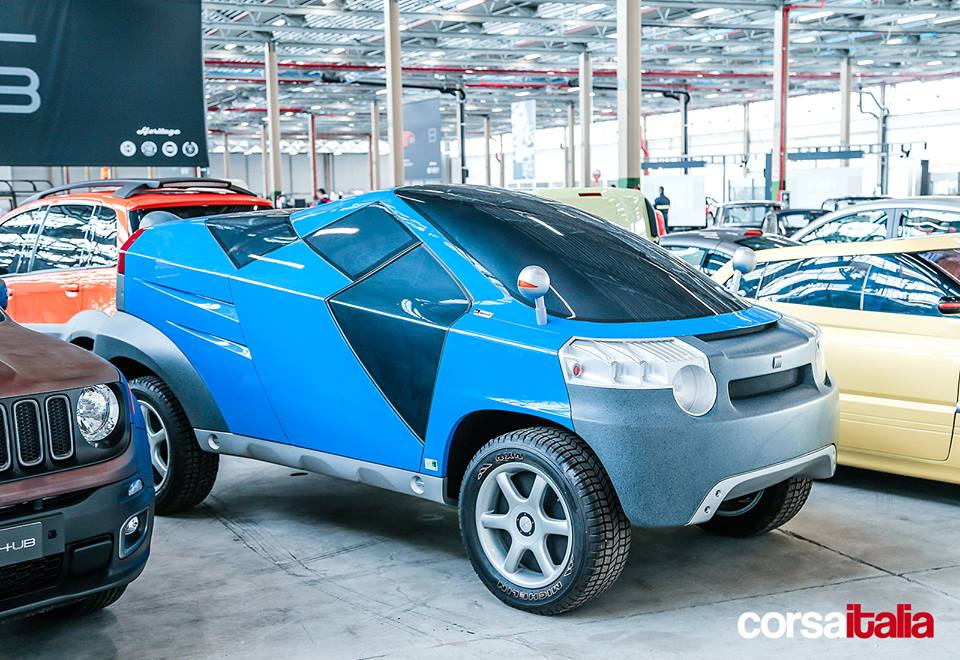
  8. Thank you for the link, I have already found it. Maybe I am "old fashioned" but there were some good brochures or press kits about conceptcars, as Downtown or Ecobasic. I believed that Centoventi has some kind of paper-based brochure.
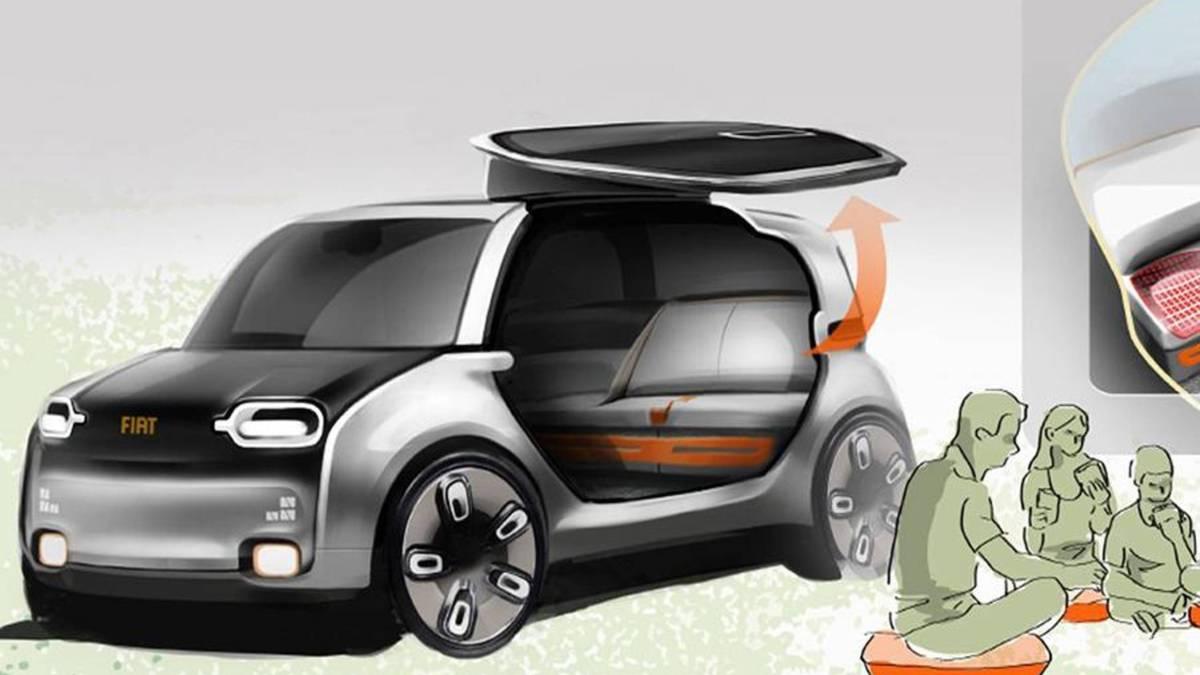
  9. About the front lamp it remembers me one of the "two of a kind" Panda concepts
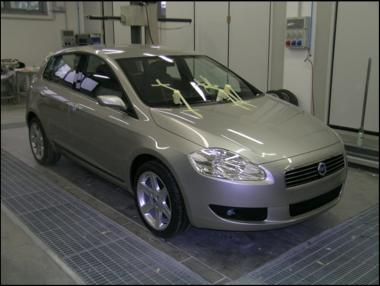
  10. Was this prototype from "Acqua, Aria, Terra" ideas for the last phase? Or from Lancia CS in 2003? Or was it from second phase in 2004? (According to A&D 162) The door handles of this prototype looks similar to Grande Punto ones
  11. Source: https://auto-mania.cz/jak-vypada-nova-skoda-rapid-zcela-bez-maskovani-podivejte-se/
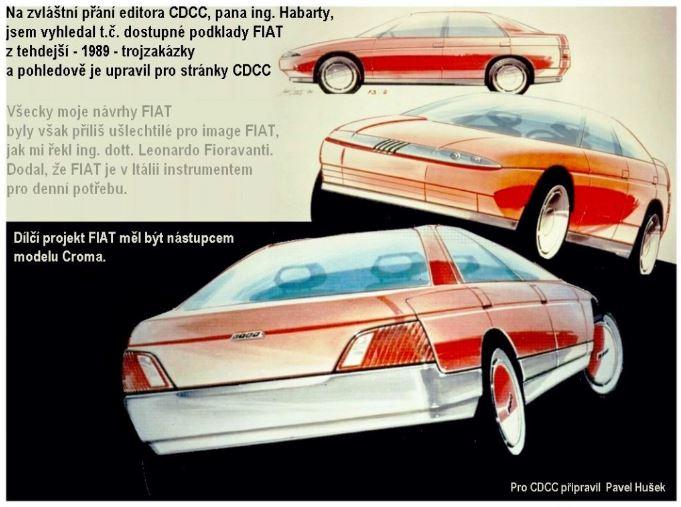
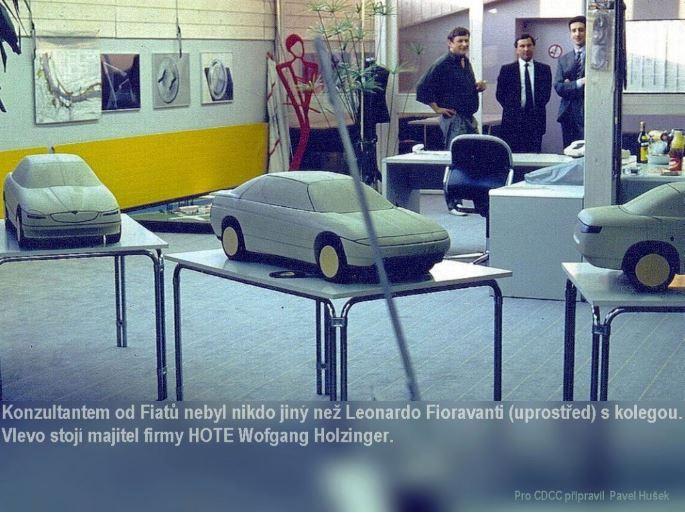
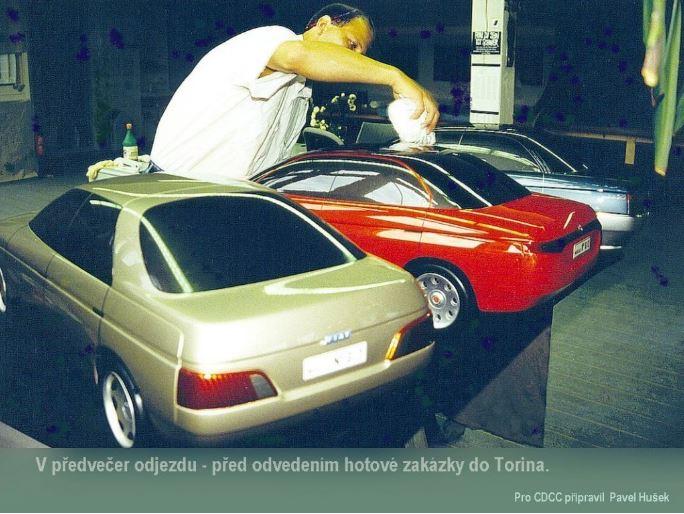
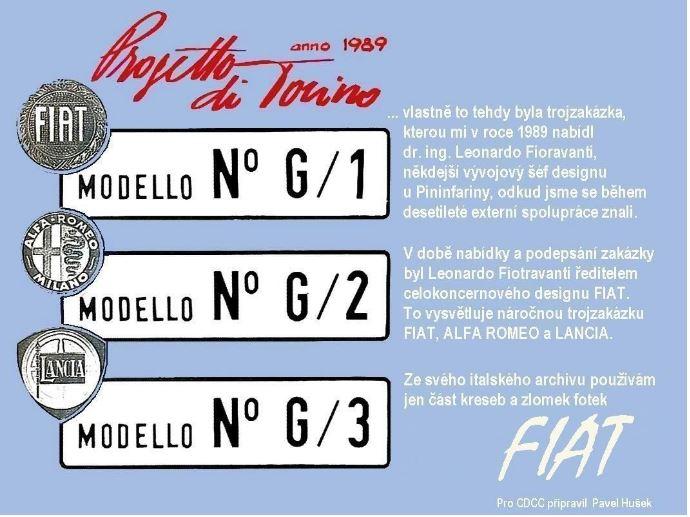
  12. I do not know whether this story is fake or not. Maybe it is real... In 1989 Fiat commissioned the successors of Fiat Croma, Lancia Thema and Alfa 164. Pavel Hušek was one of the designers who took part in the project. Maybe this was one of the proposals. Source: https://cardesignclub.7x.cz/car-design-cafe-club/galerie/profi-design/fiat-croma-ii-1989
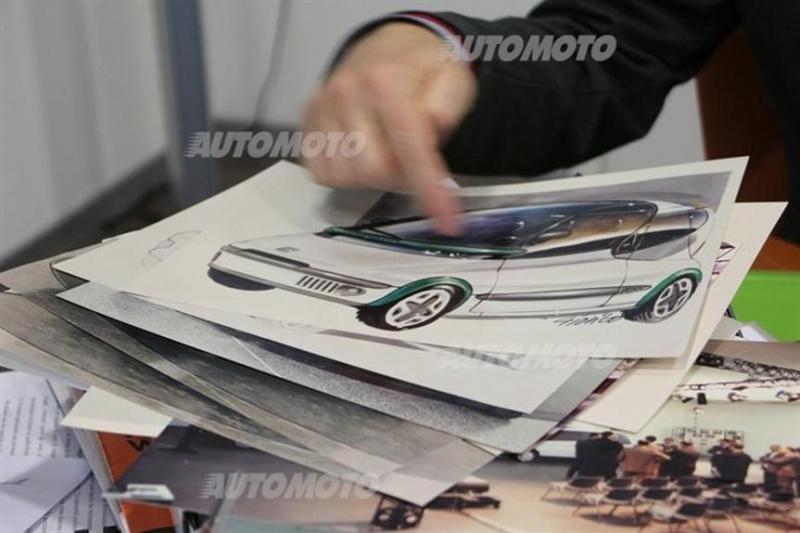
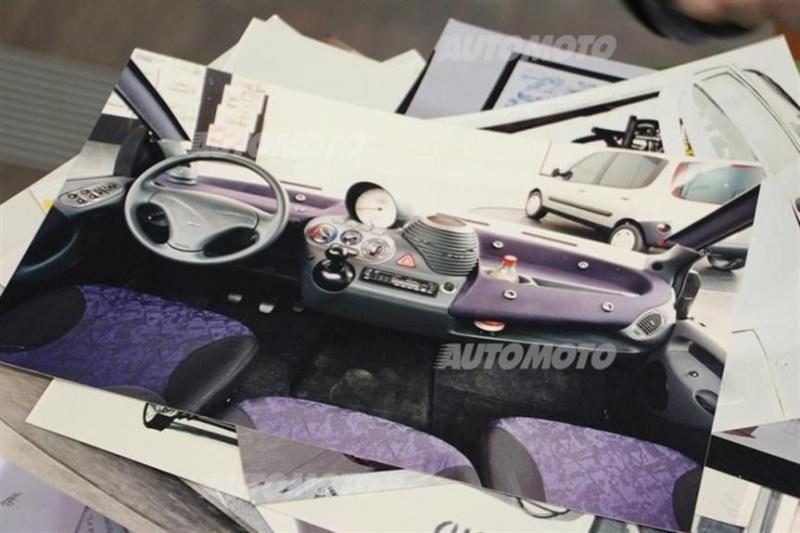
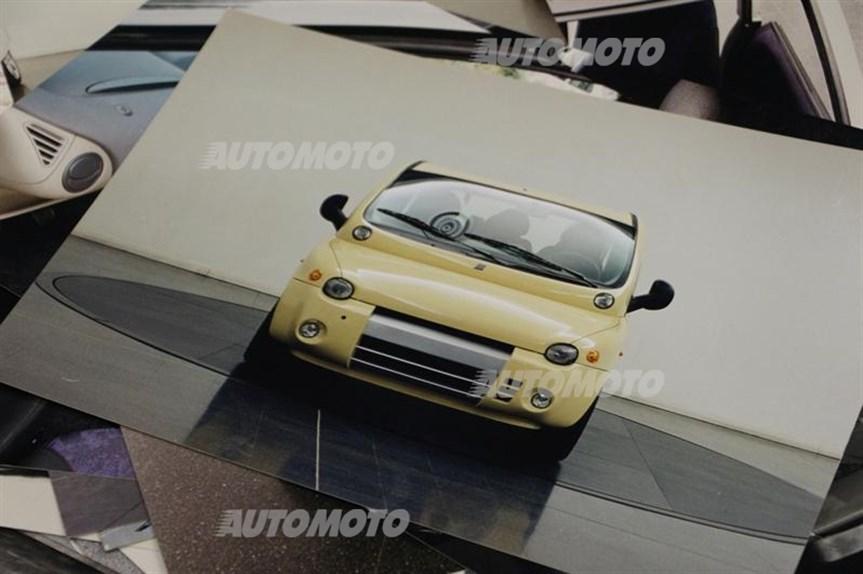
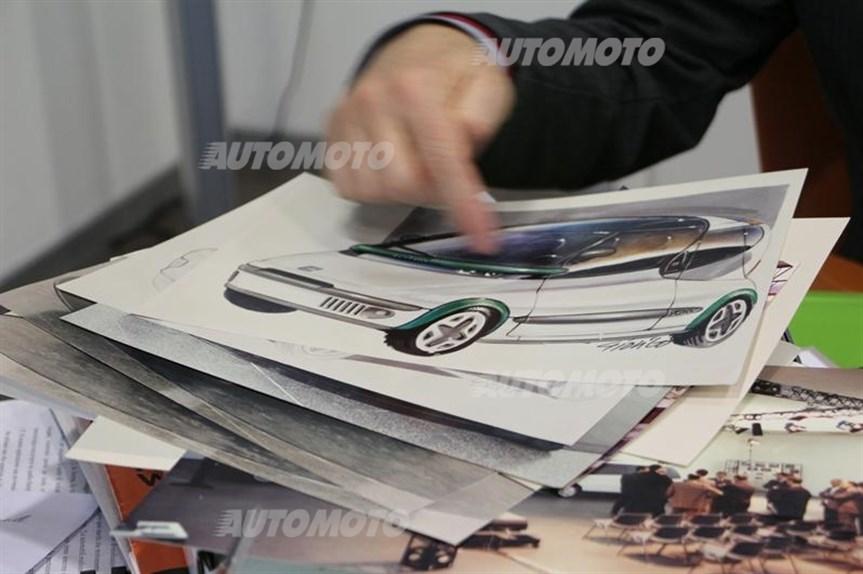
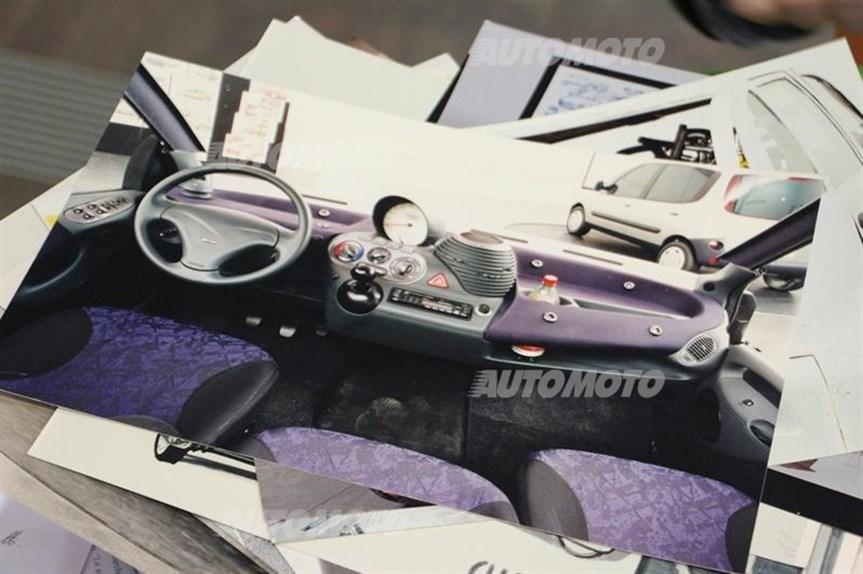
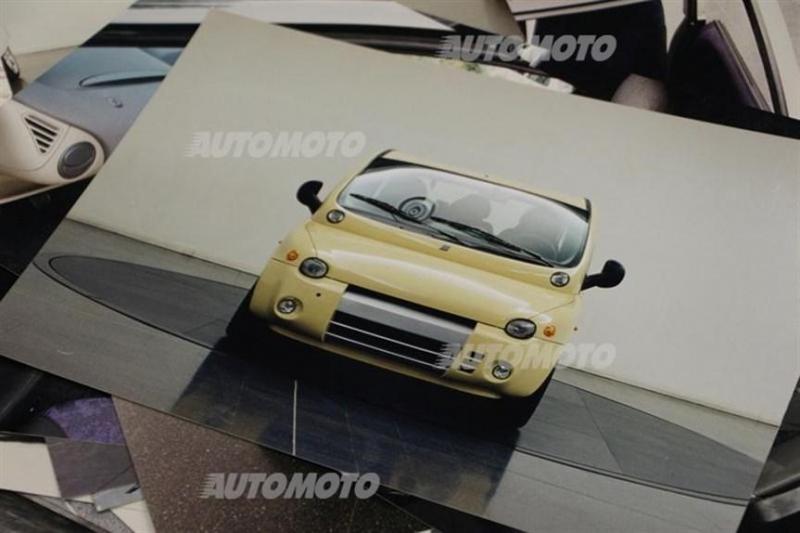
  13. Back to Multipla There was an article with Mr. Giolito on automoto.it. He showed some special images: This image about the interior is nice, however at the background there is an interesting Multipla proposal. It has a "C" pillar rear lamp. The mock-up is little bit similar to Hyundai Atos (1997-2002) Source: https://www.automoto.it/news/roberto-giolito-dalla-multipla-ad-oggi-20-anni-di-evoluzione-del-design-auto.html
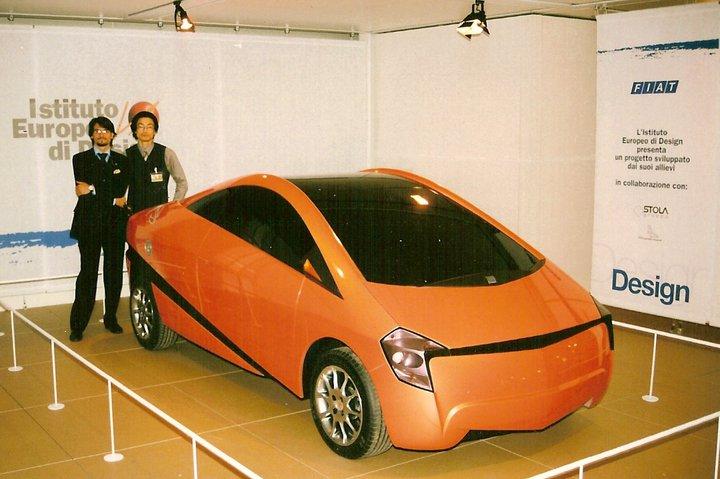
  14. I like this prototype. As far as I know I found in a page from Luciano Bove. The name of the image was "Stola RM PPG"
  15. I guess that few parts of 30% are from Punto. I do not think so that this slide would be fake. Some sites wrote that the platfrom of Argo is an evolution of Punto’s platform. So It can come from there. I do not know the truth.
  16. Differences among Cronos and Argo/Punto Source: https://autoblog.com.ar/2018/02/08/apuntes-del-lanzamiento-del-fiat-cronos/
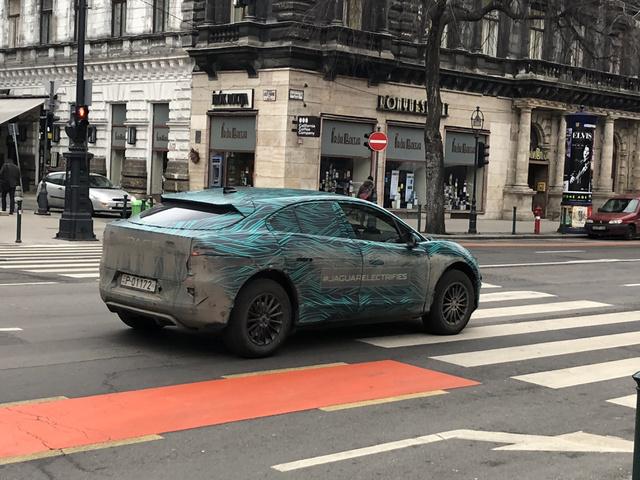
  17. Thank you for the information! I did not know it. It is rarely to see any "masked cars" here.
  18. @KimKardashianDo I understand well that the project of FIAT Argo is 358? Could FIAT Tipo SW have the same project number?
  19. Some sketches about Argo Source http://autoblog.com.ar/2017/05/31/me-encantaba-el-punto-pero-el-argo-representa-la-nueva-linea-de-diseno-de-fiat/
  20. Could somebody help me, when Punto lost its LED rear lamp? As far as I know the Punto 2012 MY has only LED solution. As I see that Young version has "1st series" Punto lamp. What was the reason of the change? Cost reduction?
  21. Another spy hots from Hungary Source: http://totalcar.hu/magazin/hirek/2016/07/18/mar_budapesten_olalkodik_az_uj_suzuki_swift/
  22. nella discussione ha aggiunto krycek07 in Fiat
    Fiat FCC4 sketches Sources: http://fmullerdesign.blogspot.hu/2015/04/fcc4.html http://www.automobili.ru/themes/design/elegant-like-a-pickup-truck-fiat-fcc4-concept2014/ pinterest.com FIAT Toro design story Source: http://www.carbodydesign.com/2016/04/fiat-toro-design-story/ Fiat Toro: design story Fiat, Toro Automotive Design , Production Cars 14 Apr 2016 – carbodydesign.com Launched early this year, the Fiat Toro is a multifunctional vehicle, combining the qualities of a SUV, a pickup truck and a passenger car. Targeted to the Brazilian market, the pickup is 4,915 mm long, and has a double cabin 4-door pick-up truck configuration, and is based on the group’s modular and flexible Small-Wide platform. In this case the platform has been extended to generate a greater body, with load bay, forming a reinforced self-supporting structure, with extensive use of advanced materials, such as high-strength steel. The design was developed in Brazil at Fiat Latam, and targets a global audience by offering a bold and imposing yet modern look. Read below more details on the design, or check the extensive gallery of design sketches and photos of the design team and the design process. Concept The original brief was to combine agility, functionality, robustness and comfort, concepts that seems to be antagonistic. The designers at the Giovanni Agnelli Development Pole, in Betim (MG) were tasked to create an all-new car, that would be a benchmark of the new phase of the FCA. While the pickup truck segment originated as a pure commercial vehicle niche, during the 70s and 80s more and more luxurious finishing features were included. However, when the Latam designers researched and analyzed the current customer demands, they found out that existing products do not meet all needs, and realized they needed to rethink the concept of a pickup truck, reaching a new level. “This becomes clear when you compare the design of a traditional pickup truck with the design of the Fiat Toro. With the dimensions and shapes better suited to the current customer demands, the volumes were reconsidered and optimized to balance shape and function.” Exterior Design The exterior is characterized by a bold, muscular design, with rugged plastic protections surrounding the entire body. Among the distinctive features is the split load bay tailgate, patented by FCA. The front end design represents a new design concept of Fiat. It introduces the Split Lighting concept, with the optical group divided into an upper and a lower assembly. The top one, integrating position and turning signal LED lights, has a serious look and conveys a sense of speed and elegance. The lower optical group, with the long range lighting functions, is integrated with the main grille, with horizontal bars. On the sides, the high waistline and muscular wheel-arches deliver a feeling of dynamism, strength and protection. “However, when we elevate the car’s waistline, we are increasing the visual mass, making it hard to keep things balanced, light and fast. Therefore, our team worked on different surfaces and the idea of faster and more sculptural vehicle was reinforced. Strength, speed, elegance and lightness. The Toro speaks for itself.” There was also a challenge in the rear design to innovate in a surface that is traditionally flat and in a separated cargo compartment. First, the way to open the back cover has radically changed. Then, the door was divided in two to provide a more practical and ergonomic use, something unprecedented in the segment. “The Wrap Around concept , which involves with speed and connects all the elements of the outer surface of the Toro uses this curvature and fully integrates the rear design to the rest of SUP, an exclusivity in the segment,” says Daniel Dozza Gerzson, lead designer of the Fiat Toro. As well as in the external design, Fiat was looking to combine strength and refinement: a combination between the needs of heavy lifting or urban light usage. The main concern of the internal design is to create the feeling of protection and comfort, with a lot of sophistication and technology. “We needed to provide comfort, refinement and quality to the vehicle’s interior, these are the items that SUV customers value and the medium-sized pickup trucks dot not offer,” adds Juliano Vilas Boas, lead designer of the Fiat Toro. The Wrap Around concept is also seen in the cabin. It involves with speed and subtly connects the body panel with the door panels. The strength is expressed in the frames of the ratio, air vents, climate controls, speakers and door handles, which were designed as if they were sculpted metal. The other features of the vehicle€™s interior follow the same design concept, combining strength with fluidity. As in the steering wheel, with a good grip ring and flat base, inspired in the competition cars. Not to mention the new seats and the position of the shifter, which also add the ability to provide more pleasure and sportiness while driving the Toro – unlike other pickup trucks in Brazil. The technology in the vehicle’s interior is present in 7 inches display in the cluster, as well as in the electric sunroof, dual zone digital air conditioning, air conditioned center console and other unusual refinements in pickup trucks. Colors and finishing The colors and the finishing of the Toro aim at achieving a balance between the strength, speed and elegance concepts. The metallic paint colors and the earthy tones underline the idea of robustness. The designs of the fabrics and the contrasts of colors provide modernity. And the refinement is clear in the care in the details as a whole. “It is important that the finishing convey the content package that we are providing to the customer on this pickup truck. To this end, we thought outside the box. A pickup truck do not need to a ‘brave’ finishing. We used provocative colors, and we created a warm and comfortable interior ambience,” says Valeria Carvalho Santos, Color & Trim designer at FCA. In the Freedom version, the greatest inspiration was the dynamism. The outstanding design of the car seat fabrics, the glossy black panel and the anodized silver details create the ambience for that consumer who wants a robust pickup truck, but different from the usual. The Volcano version expresses the achievements of the consumer who chooses a pickup truck for all occasions. The vehicle’s interior has two tones in the panel and details in metallic brown in the radio parts and in the fabrics, creating a friendly and strong atmosphere. The Opening Edition Special Series was inspired by the desire. The use of wine color elements in the panel and in the seats resulted in a luxurious and bold ambience. The range of external colors of the Toro was also designed thinking in the scenarios where the vehicle interacts, reinforcing the personality. The Horizon Brown, Tribal Red and Botanic Green colors are the highlight. The grille at the front painted in glossy black, in addition to chrome elements in the bumper, side moldings and door handles provide excellent finishing to the top-of-the-line models. The diamond wheels reinforce the grandiosity of the vehicle, as well as the steel crankcase protector in the Freedom Diesel and Volcano versions, providing more robustness. It is also worth mentioning the roof bars painted in silver aluminum, the mirrors in glossy black and the tinted flashlights. Design Team: Peter Fassbender – Head Design Latam Manuel Alexandre – Chief Exterior Designer Rafael Peixoto – Chief Interior Designer Alexandre Maxwell – Project Manager Fabio Bastos – Exterior Designer Daniel Gerszon – Exterior Designer Bruno Said – Interior Designer Artur Mello – Interior Designer Juliano Villas Boas – Interior Designer Valeria Santos – Designer Color and Trim Isabella Vianna – Chief Designer Color and Trim Marco Batista – Virtual Designer Leonardo Queiroz – Graphic Designer Celso Morass – Modelshop Paulo Nakamura
Background Picker
Customize Layout

Account

Navigation

Cerca

Cerca

Configure browser push notifications

Chrome (Android)
  1. Tap the lock icon next to the address bar.
  2. Tap Permissions → Notifications.
  3. Adjust your preference.
Chrome (Desktop)
  1. Click the padlock icon in the address bar.
  2. Select Site settings.
  3. Find Notifications and adjust your preference.