



Vai al contenuto
View in the app

A better way to browse. Learn more.

Autopareri

A full-screen app on your home screen with push notifications, badges and more.

To install this app on iOS and iPadOS
  1. Tap the Share icon in Safari
  2. Scroll the menu and tap Add to Home Screen.
  3. Tap Add in the top-right corner.
To install this app on Android
  1. Tap the 3-dot menu (⋮) in the top-right corner of the browser.
  2. Tap Add to Home screen or Install app.
  3. Confirm by tapping Install.

Maxwell61

Utente Registrato
  • Iscritto il

Tutti i contenuti di Maxwell61

  1. GAC GROUP China has completed its first large-capacity all-solid-state battery production line, according to Chinese state media. The facility, built by GAC Group, is currently producing 60 Ah+ vehicle-grade cells on a small-batch test basis. These cells are projected to allow electric vehicles with current 500 km ranges to exceed 1,000 km once integrated. Mass production is planned for 2027-2030. The term “60 Ah+” refers to the capacity of each battery cell in ampere-hours (Ah). A 60 Ah cell can theoretically supply 60 amperes for 1 hour before discharging completely. Higher Ah per cell generally means more energy storage, which can translate into a longer driving range when multiple cells are assembled into a battery pack. All-solid-state batteries use solid electrolytes instead of liquid ones, which improves thermal stability and safety. GAC’s production line reportedly achieves an areal capacity of up to 7.7 mAh/cm², compared with less than five mAh/cm² in traditional “wet” lithium-ion manufacturing. GAC’s research director, Qi Hongzhong, said the energy density of the new solid-state cells is nearly double that of conventional batteries. Vehicles currently capable of 500 km (~310 miles) on a single charge could potentially reach more than 1,000 km (~620 miles) with these cells. The company is using a “dry” anode production process that combines slurry mixing, coating, and rolling into a single step. This technique reportedly improves manufacturing efficiency and reduces energy consumption. The solid electrolyte can tolerate higher temperatures than liquid electrolytes, reportedly withstanding 300–400 °C compared with approximately 200 °C for conventional batteries. Small-batch vehicle integration tests are planned for 2026, with a gradual ramp-up to mass production between 2027 and 2030. While the milestone represents a significant technical achievement, commercialisation will depend on investment, reliable supply of solid electrolyte materials, and validation of long-term performance and safety in vehicles. CarNewsChina.comChina’s first large‑capacity (60 Ah+ class) all-solid-sta...Chinese state media reports GAC has completed China’s first 60 Ah+ all-solid-state battery line with mass production by 2030. SAIC Motor SAIC Motor said its partner Qingtao Power’s all-solid-state battery production line in Anting has achieved full-line commissioning, and the firm expects sample cells to roll off the line by the end of this year, with prototype vehicles to undergo testing next year and commercial mass-delivery scheduled for 2027, as reported by IT-home. SAIC has previously described technical targets for the new solid-state chemistry: a gravimetric energy density above 400 Wh/kg, a volumetric energy density above 820 Wh/L, and single-cell capacities greater than 75 Ah. Those figures were disclosed in earlier corporate communications and press briefings and have been repeated in trade outlets and SAIC’s technology summaries. The company also provided safety performance data for the chemistry, reporting that cells passed nail-penetration tests and sustained exposure in a 200°C thermal chamber without catching fire or exploding, and that low-temperature capacity retention exceeds 90 per cent. SAIC’s published materials present these results as laboratory and validation data linked to its stated development roadmap. SAIC’s engagement with solid-state development dates back several years and includes collaborative investment with Qingtao Energy; reporting indicates SAIC has invested in the partner and that a joint laboratory was formed to accelerate development. Industry outlets cite those earlier steps as part of a multi-year program to scale the technology from laboratory samples to vehicle use. Analysts warn that sample-line commissioning and controlled safety tests are milestones but not proof of long-term manufacturability, cost efficiency or field reliability. Commercial success will depend on repeatable mass-production yields, supply-chain readiness and real-world durability data gathered through fleet testing. No pricing or commercialization terms were announced in the interaction; currency conversions are not applicable. By comparison, SAIC is not alone in pursuing the commercialization of all-solid-state batteries . GAC Group recently built China’s first large-capacity (60 Ah+) solid-state battery production line, with small-batch cells already rolling and mass production pencilled in for 2027-2030. Chery – another Chinese automaker – has unveiled a 600 Wh/kg solid-state battery module and is targeting pilot-vehicle use in 2026 and a broader rollout in 2027. Meanwhile, battery maker Sunwoda (backed by Li Auto) is developing a 400 Wh/kg cell with a 1,000 km projected range and 1,200-cycle lifespan. On the other hand, CATL has pushed back on some of the more ambitious rumours, saying mass-scale solid-state production is not expected until around 2030, despite continued R&D investment. CarNewsChina.comSAIC Motor to begin mass delivery of solid-state batterie...SAIC says its Anting solid-state battery line will produce samples this year, with prototype vehicle testing in 2026 and mass delivery in 2027. MG4 Anxin Edition, first mass-produced car with a semi-solid-state battery, debuts at Guangzhou Auto Show SAIC’s MG brand will introduce the MG4 Anxin Edition at the Guangzhou Auto Show on November 21, positioning it as one of the first mass-production passenger cars equipped with a semi-solid-state battery. The model utilises a manganese-based lithium-ion battery pack jointly developed by SAIC and QingTao Energy, which is rated for 530 kilometres on the CLTC cycle. The current MG4 range is priced from 68,800 to 102,800 yuan (9,690 to 14,490 USD). The MG4 Anxin Edition has not yet been unveiled in its final production form, but regulatory filings suggest that its exterior design aligns with the existing MG4 lineup. The car retains the wide-body hatchback profile, the Cyberster-inspired front fascia, and the illuminated MG badge. Dimensions remain unchanged at 4,395 mm in length, 1,842 mm in width, and 1,551 mm in height, with a wheelbase of 2,750 mm. The rear continues to feature a full-width light bar with arrow-style position lights. The battery capacity remains at 53.95 kWh, identical to the 530-km LFP variant. However, the semi-solid-state pack increases the curb weight to 1,500 kg, approximately 15 kilograms more than the standard model. The single front motor provides 120 kW and 250 Nm, with a claimed 0–50 km/h acceleration time of 3 seconds. MG reports October MG4 sales of 11,480 units, with the Anxin Edition set to join the lineup as an additional option once production commences. Interior features a 15.6-inch central touchscreen, column-mounted shifter, and 50W wireless charging pad. Semi-solid-state batteries combine solid and liquid electrolyte components, with solid materials typically accounting for more than 90 per cent of the total electrolyte structure. This configuration enables higher energy density and improved thermal stability compared to conventional liquid-electrolyte lithium-ion cells, while remaining compatible with existing production lines. As China moves toward standardising technical nomenclature in this field, regulators are preparing to rename semi-solid-state batteries as “solid-liquid batteries” to distinguish them from fully solid-state systems currently under development. CarNewsChina.comMG4 Anxin Edition, first mass-produced car with a semi-so...MG will unveil the MG4 Anxin Edition with a 530-km semi-solid-state battery, marking the first mass-production applications.
  2. Al Salone di Shanghai c'è anche la versione definitiva della Toyota bZ7: Si tratta di un modello sviluppato espressamente per il mercato cinese dalla joint venture Guangzhou Toyota Motor Co., Ltd. (GTMC), primo ad adottare il sistema operativo HarmonyOS sviluppato da Huawei. Solo Bev e solo per la Cina. Ammiraglia della gamma bZ con modelli specifici per la Cina, la bZ7 sarà offerta soltanto in versione Bev: al momento non sono noti i dati tecnici e le specifiche degli allestimenti. Toyota intende portare la vettura sul mercato nell'arco di un anno, completando così la gamma che può contare sulla già nota bZ4X - disponibile anche in Europa - e sulle varianti specifiche bZ3X, bZ3 e bZ5. Fonte: https://www.quattroruote.it/news/nuovi-modelli/2025/04/23/toyota_bz7_salone_di_shanghai_.html CarNewsChina.comToyota bZ7 EV debuts with Huawei's motor and HarmonyOS co...Toyota bZ7 is equipped with Huawei's motor and cockpit system. he dimensions of the bZ7 are 5130mm in length, 1965mm in width, and 1506mm in height, with a wheelbase of 3020mm. Inside, a large central control screen dominates the dashboard, integrating the Huawei HarmonyOS cockpit for the first time in a GAC-Toyota vehicle. The bZ7 also comes equipped with facial recognition, a head-up display, and multiple speakers throughout the cabin. In terms of assisted driving, the bZ7 will feature Momenta’s advanced driver-assistance system, utilising an integrated, end-to-end large model that supports high-level assisted driving on both urban roads and highways. Under the hood, the bZ7 is powered by Huawei’s DriveONE electric drive system, delivering a maximum power output of 207 kW (278 hp). It utilises CALB’s lithium-iron phosphate batteries, enabling a top speed of 180 km/h. According to regulatory filings, the GAC Toyota bZ7 will offer two battery pack options: 88.13 kWh and 71.35 kWh. The 88.13 kWh battery pack provides CLTC range options of 680 kilometres, 700 kilometres, and 710 kilometres, while the 71.35 kWh battery pack offers a pure electric range of 600 kilometres. The bZ7 is expected to hit the market this year.
  3. In termini generali confermo avendo un PHEV. Quando mi si scarica la batteria mi viene il nervoso, mi sembra di essere tornato indietro di un secolo (e in effetti).
  4. Restyling per un mezzo mai in vendita per il quale è passato tanto tempo che si è dovuto aggiornare. Ma anche questo è ancora a far prove e non in vendita. 2026? Come la guida completamente autonoma nel 2016? Sbagliato thread, questo va nella MAI NATE insieme alla Roadster II.
  5. La batteria non è una CTP, ovvero strutturale, ma tentano di farla passare come tale. Le batterie a moduli sono passate di mode, è uno spreco di spazio e di costi e le batterie piu recenti (ma neanche tanto) hanno rimosso i moduli separati, tutte.
  6. Hilux con batteria da 59 kWh ci va a prendere l'aperitivo e tornare in perifieria. Ma questi si rendono conto che jepponi del tipo hanno da 130 ai 180 kWh e manco hanno un range stellare? In più, l'unica performance Toyota BEV è una delle piu scarse in giro, con problemi enormi di velocità di ricarica. Ma pensassero alla Yaris elettrica.
  7. Comunque anche Xiaomi si è fatta fregare dalle maniglie porta elettroniche, sebbene in modo diverso da Tesla. Un guidatore ci si è arrostito dentro in seguito a incidente perchè la maniglia (esterna e si presume anche interna) non funzionava perchè ad azionamento elettrico. Dall'esterno sembrerebbe una maniglia meccanica ma lo sblocco è elettrico, invece, come ha appurato qualcuno che l'ha smontata, ma non trovo l'articolo. Speriamo che non faccia come Tesla con le sue maniglie posteriori con azionamento d'emergenza non alla portata di qualunque passeggero, e che ha fatto decine di morti da anni e solo ora con le cause e NHTSA addosso, stanno pensando di ridisegnare. https://www.autoblog.com/news/xiaomis-fatal-crash-exposes-a-deadly-door-design-problem-hiding-in-plain-sight
  8. mmm, un'altra cosa sovraccarica di linee per fare gli originali.
  9. Artioli. La fabbrica ha funzionato solo dal 1990 al 1995. Grande piano industriale... Più utile per i Raves ❤️
  10. Con impianto Romano, installato in fabbrica a Pomigliano d'Arco, con i suoi iniettori auto-pulenti non ha voluto nessuna manutenzione ed è andata per 100.000 km come un pupo, niente gli si avvicina come costi al km e affidabilità. Ma gli installatori in generale sono fondamentali, molti utenti Toyota mi hanno seguito, non tutti gli installatori sono stati perfetti.
  11. Pare molto più realistico pensare che la nostra industria «li avesse visti arrivare». Chi? Ma i produttori cinesi e asiatici, ça va sans dire. Finché eravamo noi, cioè Europa e Usa, a dettare legge sulla domanda potevamo imporre la tecnologia che volevamo. Quindi per combattere i cinesi in arrivo con tante EV ottime e economiche, che convinceranno per listini uguali alle ICE ma costano di elettricità 1/4 della benzina e non hanno onerosi tagliandi perché non ci sono olii né consumi pastiglie, allora ritorniamo a spingere gli ICE. Non fa una piega 😅
  12. Tra le prime C EV che per prezzo, come MG4, possono avere un futuro, specie con le batterie LFP, come sembra potrà avere questa. Non sono state comunicate neppure le specifiche tecniche, ma considerato che la B05 è realizzata sulla stessa base della B10, possiamo aspettarci lo stesso powertrain della C-Suv cinese, montato sull’asse posteriore, capace di 160 kW (218 CV) e 240 Nm di coppia. La messa a punto dell’handling sarà affidata agli ingegneri di Stellantis in Europa. Alla stessa stregua, le batterie al litio-ferro-fosfato potrebbero avere capacità da 56 e 67 kWh, per autonomie superiori ai 430 km. Via QUATTORUOTE Comunque il riferimento deve essere intorno ai 65 kWh per una C accettabile, se no siamo nei casi nicchia e per una C non è accettabile-competittivo.
  13. A dire il vero anche XIAOMI ha un problmino di maniglie esterne elettriche che hanno arrostito un guidatore, sebbene non le decine di morti TESLA: https://www.autoblog.com/news/xiaomis-fatal-crash-exposes-a-deadly-door-design-problem-hiding-in-plain-sight
  14. Io mi fido di Gengis, che ho avuto il piacere di conoscere 🙏
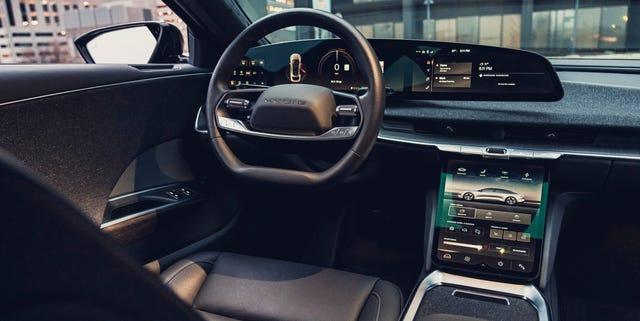
  15. Si Lucid ha fatto in casa il migliore powertrain EV al mondo, ma il direttore tecnico aveva iniziato in Tesla ed era uno specialista. E vedo che i rumors di powertrain Lucid su Ferrari o era infondati o riguardavano il secondo progetto sospeso, peccato.
  16. Beh se avessero provato con la supercar come prima bev, avrebbero dovuto confrontarsi con jumping jack da 1300n cv. Non so come finiva.
  17. . Chissà quali batterie, immagino per questo siano passati a SK. comunque bene, inizieranno a fare esperienza, sarebbe ora, l'elettrico è qui per restare. E per chi inizia da zero, un solo modello da tener d'occhio è molto meglio. Non come il gruppo VW, che se ne faceva una ma buona , avrebbe capito dove lavorare senza spu**anarsi e seminare difettosi catorci su 4 marchi.
  18. 1.5 T di $ , quanto i principali produttori di auto messi insieme. Ma quanto sarà grande il botto? 🧨
  19. Ora va meglio 😁 Complimenti per la scelta celle SK Innovation, le uniche NMC al mondo che non sono mai andate a fuoco. Devono aver letto i nostri thread su AP 😁
  20. Dunque la strategia Tesla, dopo 5 anni dalla presentazione di un flop epocale, il Cybercoso, è di presentare come nuovo modello una versione poraccia denudata di 3/Y che già erano ai minimi storici di costo e qualità concepibile. Un guscio vuoto che si sostiene attraverso manipolazioni finanziarie che crollerà di schianto alla ENRON.
  21. Dunque un costruttore che non ha mai fatto un'elettrica dovrebbe aver progettato in-house motori, inverter e batterie al top delli'nnovazione. Ci credo proprio. Qualcuno sa di chi sono le celle? Sicuramente NMC.
  22. Adorissimo. Ma una barca così con 365 lt di bagagliaio sembra inverosimile. Interni decisamente troppo poveri.
  23. 12C fast charging picco 1.32 MW, da 10 a 80% in 7 min. Esagerati 😁 https://x.com/DriveGreen80167/status/1974532834321674702?t=BGdWWgHu70vYHL7luLzxsw&s=19
Background Picker
Customize Layout

Account

Navigation

Cerca

Cerca

Configure browser push notifications

Chrome (Android)
  1. Tap the lock icon next to the address bar.
  2. Tap Permissions → Notifications.
  3. Adjust your preference.
Chrome (Desktop)
  1. Click the padlock icon in the address bar.
  2. Select Site settings.
  3. Find Notifications and adjust your preference.