




4200blu
Utente Registrato
-
Iscritto il
-
Ultima visita
Tutti i contenuti di 4200blu
-
Eh si, la forma di base della G70 è troppo lontana da quella della NA0 per poterla eguagliare. Gli interni della G70 sono stati portati al livello della Ncar con la Panoramin Vision / OS X, ma ciò è difficilmente realizzabile all'esterno.
- 81 risposte
-
-

- 1
-
-
- bmw
- bmw i
- bmw i7
- bmw serie 7
-
Taggato come:
-
Speriamo che la nuova classe E non avra la stessa lunghezza di 5,35m come la G70 😝
- 81 risposte
-
- bmw
- bmw i
- bmw i7
- bmw serie 7
-
Taggato come:
-
-
-
I motori BMW Gen6 sono fatti in casa: The Gen6 electric drive systems: made in Steyr Series production of the Gen6 electric drive systems will commence at BMW Group Plant Steyr in summer 2025. Pre-production already got underway at the Austrian facility in September 2024. The pre-production motors are undergoing rigorous testing and some are already being fitted in Neue Klasse test vehicles from Plant Debrecen. By 2030, the BMW Group will have invested over one billion euros at the site since the project’s launch in 2022 to expand its development and production expertise for electric drive systems. Thanks to the increase in capacity, the plant will retain its status as the BMW Group’s leading facility for drive systems. The plant has been developing and building combustion engines for the BMW and MINI brands for over 40 years. Plant Steyr’s many years of experience and high level of expertise in the field of drive systems make it the ideal site for manufacturing the Gen6 electric motors. It has an annual production capacity of 600,000 electric drive units. Diesel and petrol engines continue to be manufactured there alongside the electric motors. By 2030, around half of the on-site employees should be working in electric mobility – a vital step for safeguarding the more than 4,700 jobs at the plant in the long term. In future, all key components of the innovative, highly integrated electric drive unit – i.e. the rotor, stator, transmission, inverter and housing – will be produced at Steyr. This will include manufacturing the inverters in an in-house clean room environment for the first time, thereby taking the engine plant into the realm of electrical engineering. The electric drive components will be built on two new assembly lines at Steyr. (BMW Group)
-
Si hai ragione, in modo di considerare tutto il mercato europeo, non c'e molto movimento e neanche molto sviluppo/crescita del segmento bev, dipende dal mese, ma il corridoio di 15-20% al momento sembra quella che e fattibile se la tecnica di ricaricare non cambiera fondamentale. Anche nel mercato bev "per eccellenza", Cina, ha una quota bev non oltre 30%, anche California rimane tra 20-25%. Paesi come Norvegia e Danimarcia sono piccoli casi particolari e non trasferibili al quadro generale.

-
-
-
Testo media ufficiale BMW Group: Neue Klasse additionally incorporates ASM technology The Gen6 powertrain employs a second, additional electric motor technology in the form of the asynchronous motor (ASM). Here, instead of being generated by permanent magnets (PSM) or electrical excitation (EESM), the rotor’s magnetic field is induced by the stator. On this type of motor, the rotor takes the form of a metal cage. The asynchronous motor offers the advantage of a more compact design and superior cost efficiency. The ASM motor variants will be fitted at the front axle of Neue Klasse cars with BMW xDrive. Extensive improvements to EESM technology Besides the addition of ASM technology, the EESM technology has also undergone a major upgrade for Gen6: rotor, stator and inverter have all been fully designed for the new 800V architecture of the Gen6 tech in order to maximise drive system performance and efficiency. This has been further helped by a complete redesign of the oil and water cooling systems. In addition to this, the experts from the BMW Group have also succeeded in improving the electric motor and central housing in terms of their weight and rigidity too. The transmission still uses a two-stage helical design, but has been further optimised by enhancements to its geometry and cooling, lower friction levels and more pleasant acoustics. The electrically excited synchronous motor’s “brain”, the inverter, now features 800V technology along with silicon carbide (SiC) semiconductors to boost efficiency. The inverter is completely integrated into the electric motor’s housing. Its task is to convert the DC power supply from the high-voltage battery to AC for use in the electric motor. The inverter was developed in-house by the BMW Group and is produced at Plant Steyr in Austria. Lower weight, costs and energy losses – greater efficiency in the vehicle The results obtained from intelligently incorporating new technologies into the electric powertrain while consistently enhancing existing systems make impressive reading. When compared to a Gen5 xDrive model, a future Neue Klasse model complete with EESM and ASM technology boasts the following improvements: energy losses have been reduced by 40%, costs by 20% and weight by 10%. By combining different types of electric motor, the BMW Group’s technology-open approach is therefore clearly in evidence within the field of electric mobility. In future, customers will be able to choose from models equipped with one, two, three or four electric motors to suit their individual preferences and requirements. The sixth generation BMW eDrive technology is a significant factor in the gain in overall vehicle efficiency of around 20 per cent for the Neue Klasse. This figure is based on a comparison with the current generation of all-electric vehicles from the BMW Group. Thermal management: complex interaction, crucial for performance Thermal management involves highly complex interaction between various systems in an electric vehicle and is of critical importance for a host of performance parameters, including range, real-world consumption, acceleration and charging time. Thermal management is a question of constantly keeping the temperature of the electric motor, power electronics and high-voltage battery in the optimum range, while maintaining standards of passenger comfort at the same time. Efficient thermal management is important for fast charging too. Here, the battery temperature must be kept within a defined window in order to make optimum use of the available charging capacity. Unlike combustion engines, electric motors give off little heat. This means that, depending on the operating state, the battery and the passenger cell have to be not only cooled, but heated too. The Steyr site develops the thermal management systems for all electric vehicles from the BMW Group. The plant’s development centre is also responsible for the brain at the heart of the electric motor – the inverter. Highly intelligent central control unit: the BMW Energy Master All of the elements that enable this technological leap forward come together in the BMW Energy Master. This central control unit is positioned on the high-voltage battery and provides the interface for high- and low-voltage power supply and for data from the high-voltage battery. It also controls the power supply for the electric motor and vehicle electrical system and ensures the safe and intelligent operation of the high-voltage battery. The BMW Group has filed a whole series of new patent applications for the vehicle electrical system, including its electronic fuses. Both the hardware and software of the Energy Master were developed fully in-house at the BMW Group. This ensures technological developments and updates for vehicles can be implemented independently and in real time via Remote Software Upgrades, providing a particular benefit for customers.
-
Un motore elettrico ha un rendimento tra 90-98%, dipende dal tipo e dai giri, quindi una miglioramento di 40% al motore non e possibile perche altrimenti diventerebbe un perpetuum mobile. I miglioramenti sono in maggior parte al inverter e miglioramente della efficienza da 40% non significa un miglioramente del consumo assoluto da 40%. Se un inverter Gen5 diciamo ha una perdita di energia (differenza tra energia input e energia output) durante fare il suo lavoro di diciamo 10%, con un miglioramento di 40% questa perdita si riduce a 6% con la Gen6, che alla fine per il consume e la autonomia e riconoscibilke ma non cambia niente fondamentale.
-
-
-
-
-
-
Si, dilettanti assolutamente incompetenti
- 878 risposte
-
- 2.0 mhev
- 2.0 phev
- folgore
- future maserati
-
Taggato come:
- 2.0 mhev
- 2.0 phev
- folgore
- future maserati
- ghibli mca
- grecale
- levante m184
- levante mca
- m156
- m157
- m161
- m183
- m184
- m189
- m240
- m6u
- m9s
- maserati
- maserati 100% electric
- maserati bev
- maserati d-uv
- maserati elettrica
- maserati ev
- maserati f-uv
- maserati full electric
- maserati grecale
- maserati mc20
- maserati newgt
- maserati spy
- maserati supercar
- mmxx
- mmxxi
- new v6
- nuove maserati
- nuovi modelli
- quattroporte m183
- quattroporte mca
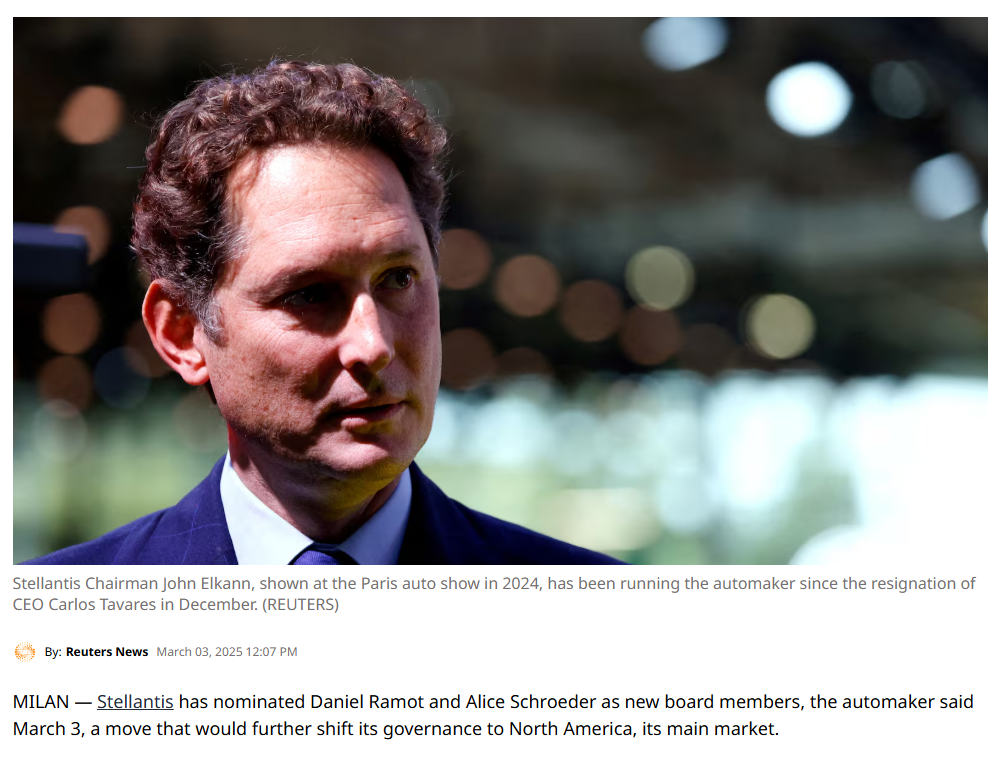
secondo me Europa per i prossimi anni ha ben altri e piu gravi problemi rispetto a quello di pensare a una capriola all'indietro per i automotive drive trains.Sì, ma l'ordine si basa su tre criteri: l'autonomia assoluta (naturalmente in funzione delle dimensioni e del consumo della batteria) con una ponderazione del 50%, il consumo assoluto con il 25% e l'autonomia aggiuntiva ottenuta in chilometri con un tempo di ricarica di 20 minuti. A mio parere, non importa quale ordine si utilizzi, ciò che è interessante è semplicemente il consumo reale (influenzato anche dall'efficacia del riscaldamento/pompa di calore) in contrasto con il consumo WLTP promesso e quanto lontano si arriva o quanto tempo è necessario per arrivare a destinazione. Con auto come la MG o la Peugeot che non fanno molta strada a causa di batterie piccole/consumi elevati e poi si ricaricano solo per 150 km in 20 minuti (scarse prestazioni di ricarica, scarse condizioni preliminari), un viaggio di oltre 600-700 km diventa una tortura, quindi per chi fa spesso viaggi sono assolutamente inadatte e una tortura, ma per chi gira solo in città possono anche andare bene (anche se per un profilo di uso cosi una e-bike sarebbe il mezzo migliore ).Ma secondo te Peugeot e 100% commandato di Elkann, quindi quasi brand italiano 😝. E perche test? Tutto e solo una misurazione dei consumi sotto condizioni invernali e autostradale con un paragone con i consumi Wltp, creato in maggioranza con stop and go in citta a comodi 23 gradi. Thats it.si, come sempre contro i poveri piccoli Italiani....maledetti tedeschi 🤣Sembra logico - a Gennaio in tutta l'europa hanno venduto 549 Stelvio e 272 Giulia, quindi 821 pezzi. Significa per una linea di montaggio standard con 60 unita al ora, che in 13ore e 45min hai prodotto tutto la richiesta di un mese. Non si puo lavorare cosi, e un suicidio economico.