




Classifica Utenti
Utenti più Apprezzati
(Scegli il periodo) Utenti più Apprezzati
(Storia giorno per giorno) Classifica dall'Origine
(da Marzo 2003)
(Scegli il periodo) Utenti più Apprezzati
(Storia giorno per giorno) Classifica dall'Origine
(da Marzo 2003)




Contenuti più Popolari
Stai visualizzando i contenuti con il più alto punteggio, pubblicati in data 03/02/23 e localizzati in Risposte
-
Ecco, siamo al paradosso! Un personaggio che utilizza un Tesla per girare a Milano, città dove i trasporti pubblici ci sono e sono discretamente efficienti, si sente "green". Una persona normale come me, che abita a 50 km dal centro di Bologna, utilizza i trasporti pubblici per andare al lavoro, quando non lavora in smart-working, è considerato "brutto e cattivo" perché ha un auto a gasolio €5, in perfetta efficienza e manutenzione, e viene bloccato durante le emergenze ambientali, nonostante le emissioni di particolato (motivo del blocco per superamento) siano le stesse di un €6. Mi sembra che stiamo uscendo dalla realtà.5 punti
-
Questo non credo, perche altrimenti le cifre non potrebbero calare cosi forte dopo qualche anni. Questi che hanno presa una Giulia 2017/2018 ovviamente non hanno preso una seconda dopo la fine della leasing della prima Giulia - se sarebbe diverso poi le cifre sarebbero molto piu costante.
 5 punti
 -
Scusate, ma penso che molti parlino senza conoscere la realtà fuori dalle proprie abitudini. Nel recente passato ho avuto un colloquio con diversi rappresentanti delle istituzioni, della provincia Bolognese, sulle problematiche di trasporto pubblico, in veste di rappresentente di un comitato, vi riporto le mie esperienze: - Il trasporto pubblico è finanziato al 50% dalle istituzioni locali. - In mancanza di finanziamento, il gestore non attiva nuove linee di trasporto locale. - Tendenzialemnte i finanziamenti, per diversi motivi, sono "cittacentrici", con il risultato che le nuove linee di trasporto difficlmente interessano le zone periferiche. - In un comune di più di 12.000 abitanti della zona periferica di Bologna, con una elevata percentuale di attività induistriali, il servizio di car-sharing, dopo un periodo di prova, è stato eliminato in quanto non renumerativo, e, parlando con l'assessore locale dei trasporti, i numeri per esserlo sono fattibili solo nelle grandi città. Sinceramente, qualcuno ha ancora voglia di parlare di trasporto pubblico e di auto condivisa? Volendo gli faccio parlare con degli studenti della mia zona, che frequentano l'università di Bologna, per capire le problematiche, visto che in certi orari il trasporto pubblico non è stato attivato ed è stato fatto un tentativo "casareccio" di car sharing, con il risultato di dovere percorrere di sera dei km a piedi fuori dai centri abitati. E non mi venite a dire di abitare in una grande città e parlare della qualità della vita in confronto ad una realtà decisamente diversa, fuori dalla città il problema non è l'inquinamento, ma il trasporto.4 punti
-
Non sono d’accordo. Appena Fiat ha un abbozzo di gamma decente vende eccome. Basti vedere il Brasile. Ancora oggi Fiat è il marchio stellantis più venduto , nonostante una mezza gamma al 90% obsoleta.4 punti
-
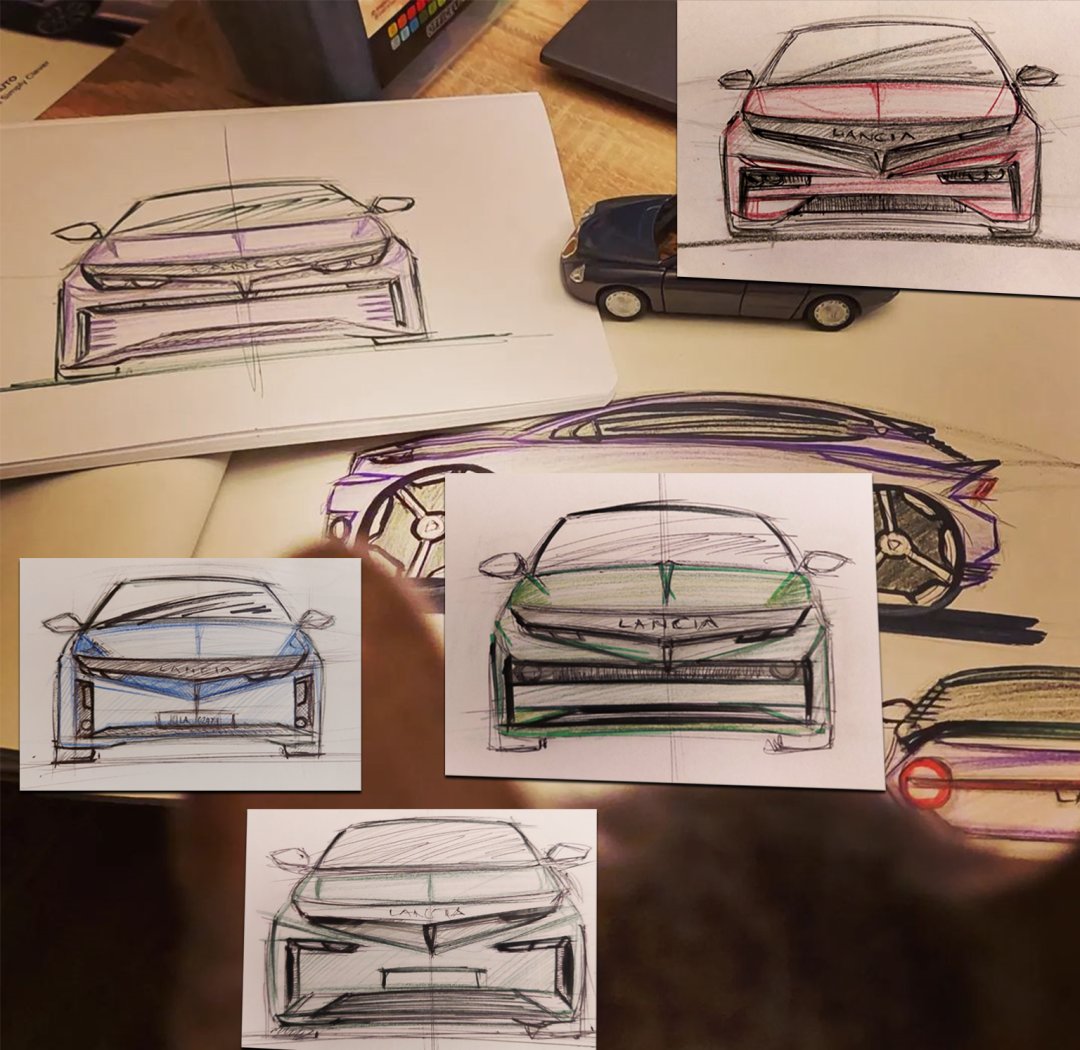
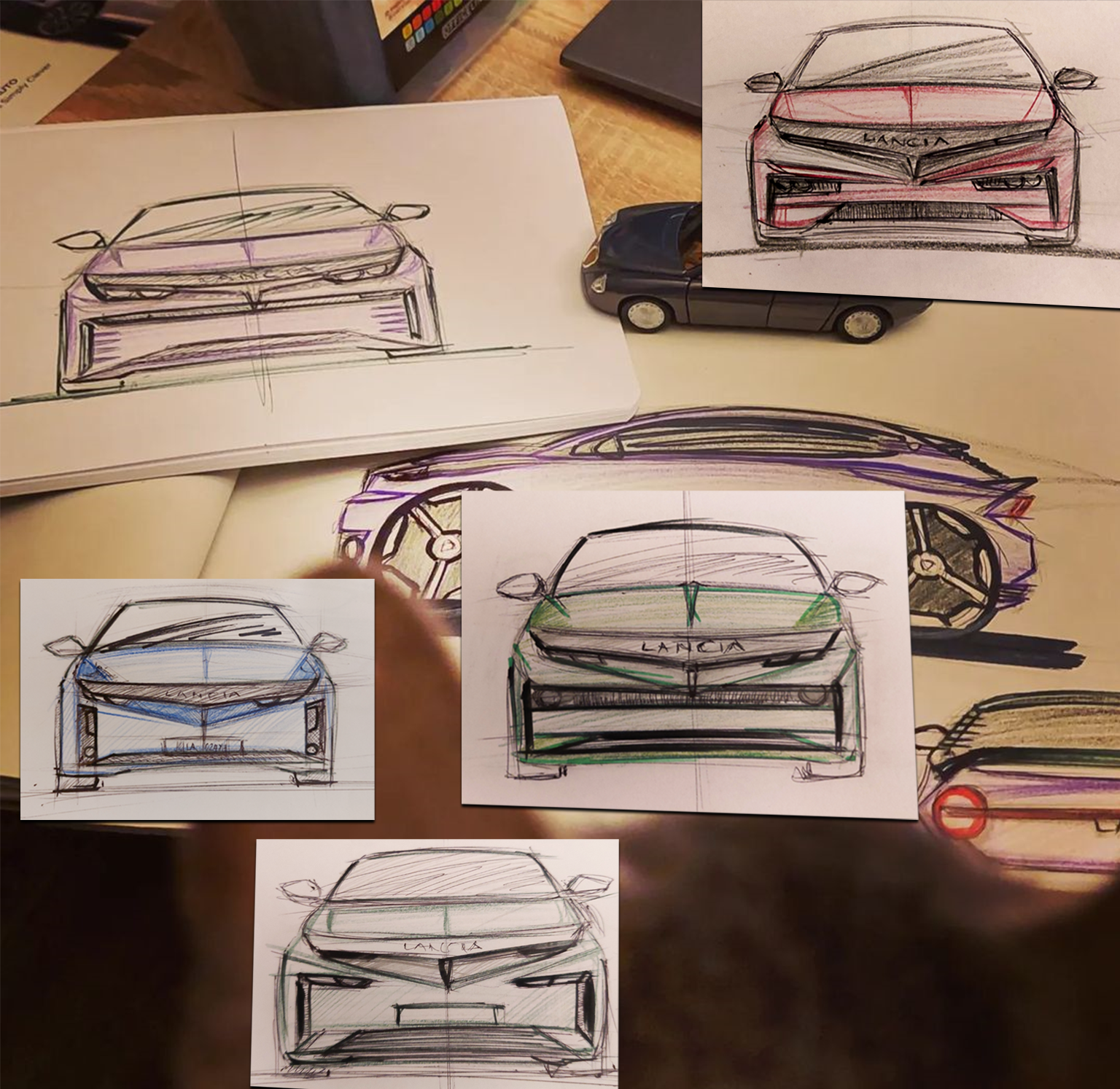
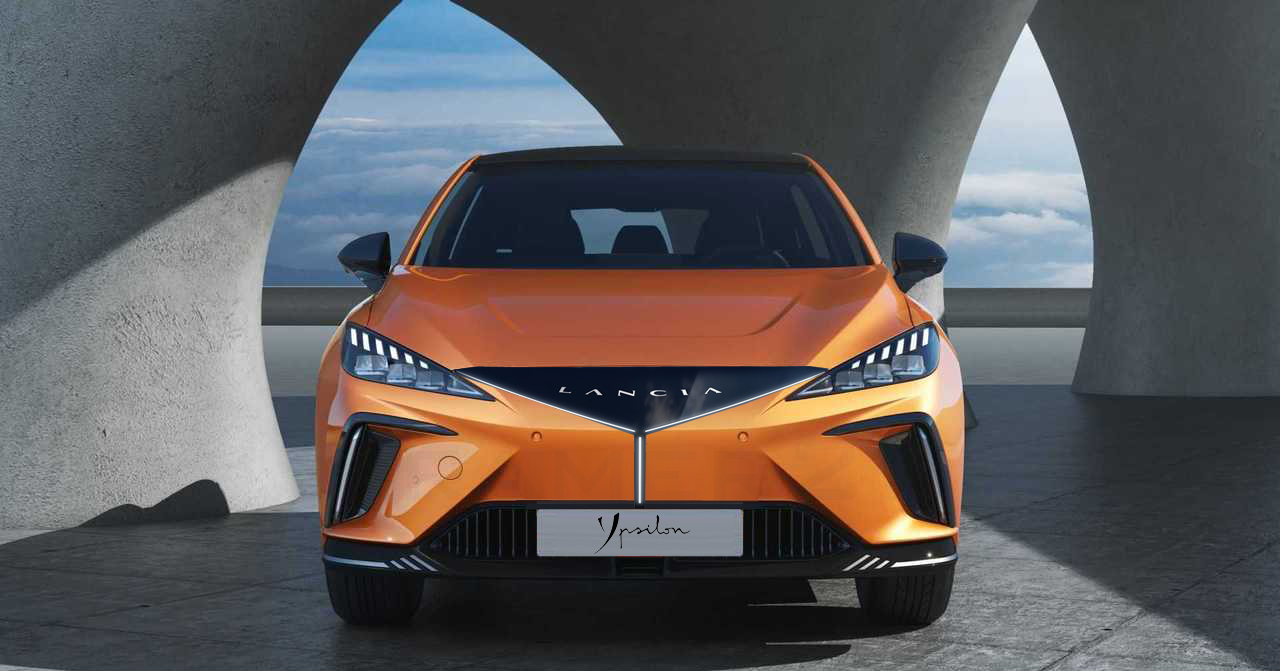
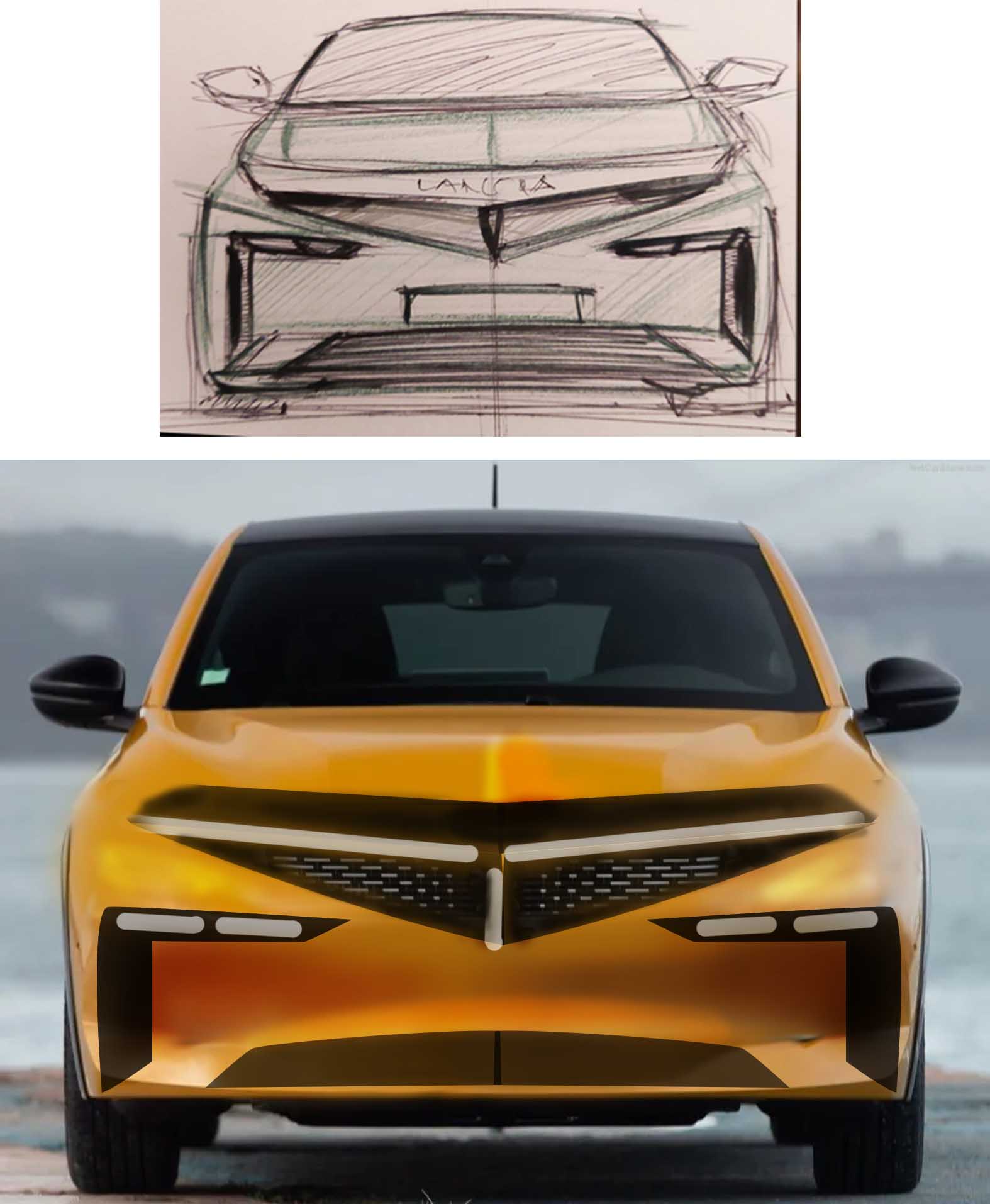
Ciao, io e il mio gatto Pirelli abbiamo fatto di nuovo un piccolo disegno 😁 Abbiamo immaginato di renderizzare la parte anteriore della Y. Ho trovato questo thread il più ideale per la pubblicazione. Mi scuso per la qualità poco professionale.
 4 punti
 -
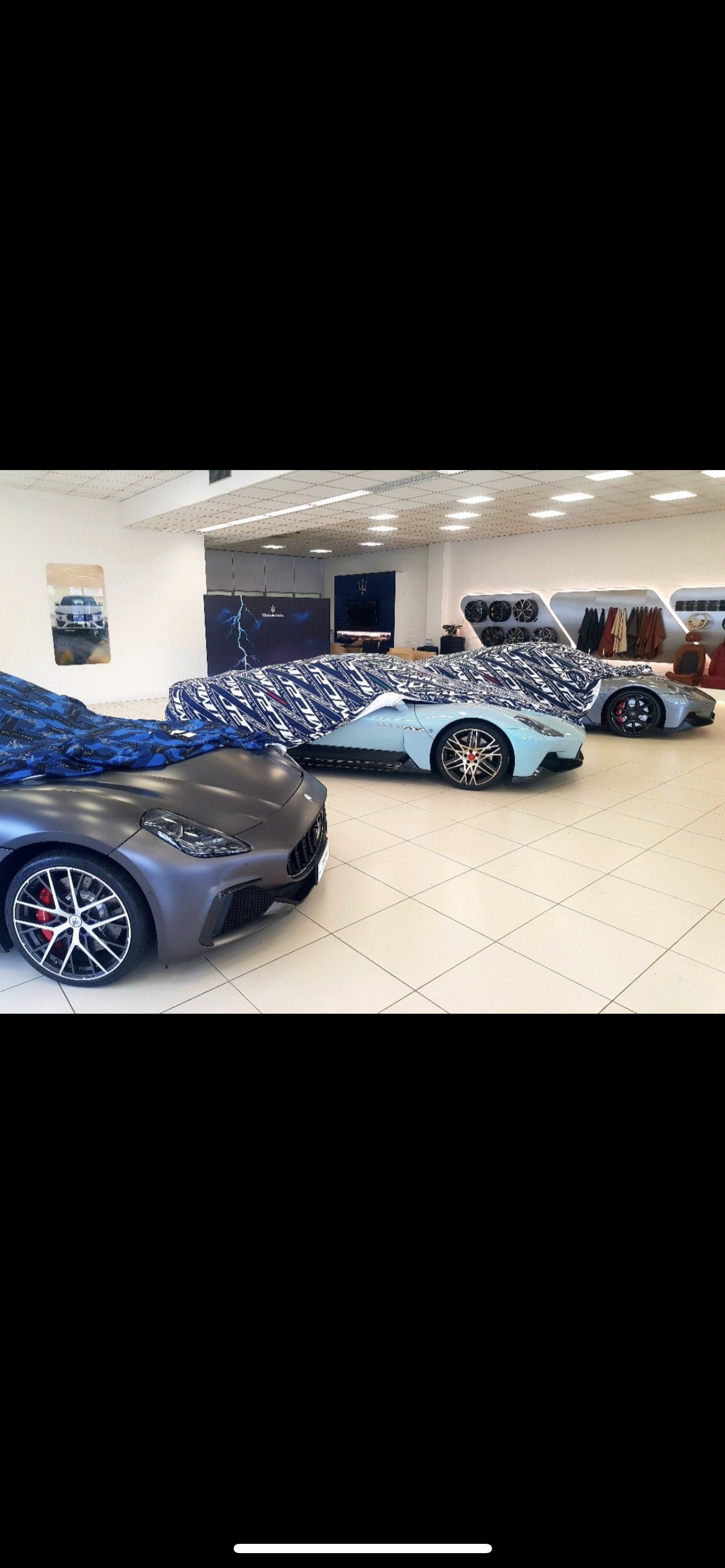
3 puntiSemi ot: questo showroom sarebbe già imbarazzante per vendere una Panda3 punti
-
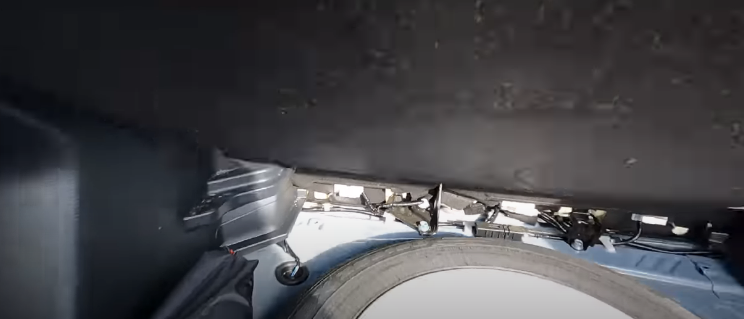
Conoscendo l'ex Fiat potrebbero cercare il benchmark su come piazzare alla cavolo cavi e collegamenti, la Yaris Cross credo sia leader di categoria per il casino a vista sotto la moquette del bagagliaio
 3 punti
 -
A proposito di odio, ogni tanto tra gli shorts di youtube, mi compare un tale di Milano con la Tesla che a suo dire gliene capitano di ogni ma, la sua divina Tesla è una e trina e riesce sempre a sopraffare le malefatte. Detto ciò, ieri in uno di questi video, pigliava in giro una delle macchine elettriche tipo quelle che si guidano a 16 anni per intenderci, in quanto non degne di occupare lo stallo dove invece potrebbe caricare una Tesla. Ecco, siamo all'odio povery contro ricchi. Che poi per girare per Milano, ha più senso il macinino rispetto ad un segmento D, ma lasciamo stare che è una battaglia persa...3 punti
-
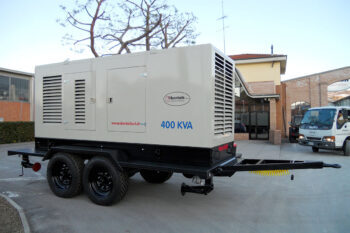
3 puntiOppure carello con gruppo elettrogeno per versione very long ROCCO range
 3 punti
 -
3 puntiMi suscita le stesse emozioni di una travata di legno sui cogli**i 😁3 punti
-
3 puntiE niente alla fine mi sono preso questo... Non riesco a fermarmi, sto acquistando troppi orologi...
 3 punti
 -
Assolutamente, ma io infatti faccio un invito a "incrementare la distrubuzione e le opzioni per TPL per dare maggiori opzioni alle persone", non a "togliere l'auto privata senza aumentare i TPL".2 punti
-
I Jappi sniffano mutandine usate e poi progettano robe così
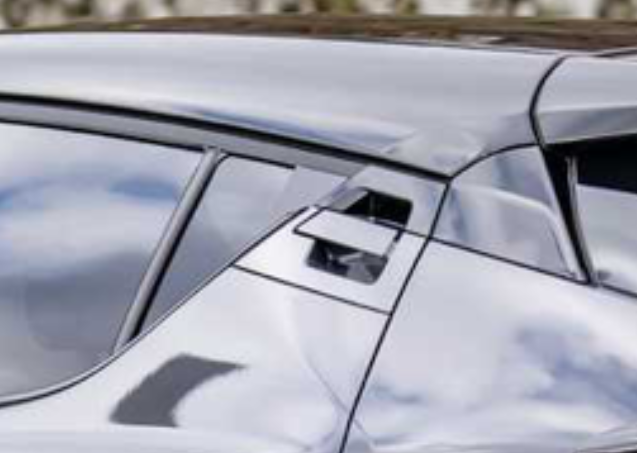 2 punti
 -
Infatti, è tutto molto molto vero. La questione è che quasi tutto il trasporto privato è in perdita, eccetto che per i fabbricanti di veicoli privati e le aziende di trasporto su bus a medio raggio (Flixbus/Itabus, per via di escamotage finanziari). Ad un cittadino avere una linea di servizio costa un tot, poiché la linea non crea guadagno economico; ma ad un cittadino costa anche avere una vettura. A meno che il cittadino non possieda auto in grado di rivalutarsi nel tempo come una Porsche Cayman GT4, egli subisce il deprezzamento di un 10% annuo, i costi di manutenzione, assicurazione, bollo, carburante, oltre che il suo tempo (e quindi valore). Solo per fare un esempio, il bollo della mia fu Fiat Bravo mi costava più dell'abbonamento trasporti annuale a Torino comprensivo di treni del Servizio Ferroviario Metropolitano per raggiungere le città limitrofe. Basta a coprire tutti gli spostamenti? Chiaramente no, e non è quello che dico. Sto facendo un raffronto economico, valido solo ed esclusivamente nel mio caso. Quello che voglio far passare come messaggio è: disincentivare il TPL a favore del trasporto privato in via esclusiva è in realtà molto più costoso per tutti, sia per i cittadini che per lo stato nel medio periodo, seppure sia conveniente nel breve periodo. Il mio augurio è la possibilità di avere più scelta di utilizzo e di trasporto, con più servizi distribuiti di TPL.2 punti
-
2 punti
-
Hai perfettamente ragione, è un cane che si morde la coda. Per questo si parla sempre di "cambio di paradigma" o "cambio di mentalità", è un cambiamento che deve essere generale e avanzare di pari passo, da parte di cittadini e istituzioni. Le istituzioni hanno il compito di fornire delle alternative che abbiano senso e siano convenienti. Inoltre, devono fare delle campagne di informazione e sensibilizzazione che convincano i privati ad usare queste alternative, quando sono ben fatte.2 punti
-
2 punti
-
2 puntiTutti i dealer hanno una granturismo in esposizione la lineup si de bona nello show-room di Treviso è particolarmente interessante
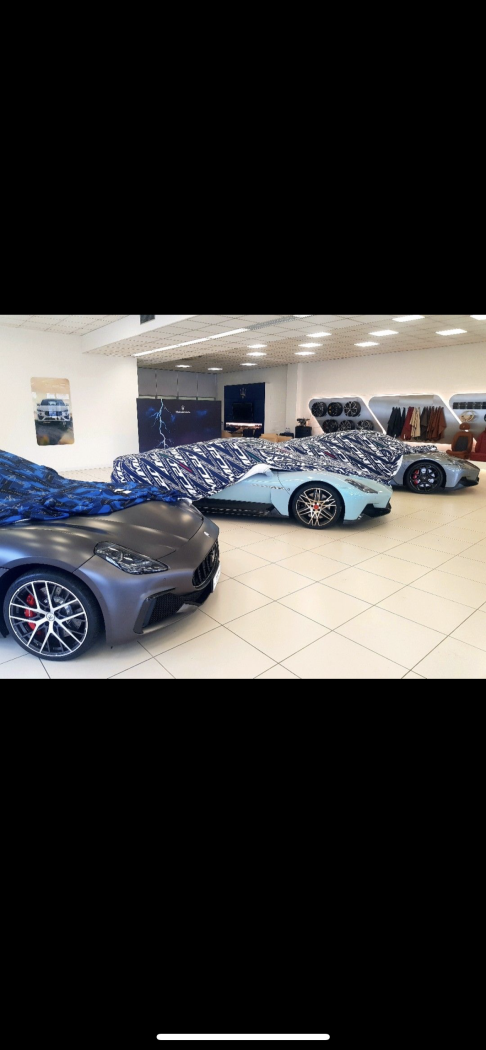 2 punti
 -
Il benchmark è fatto per qualsiasi cosa: dal motore, al telaio a qualsiasi aspetto della vettura. Non mi concentrerei troppo sul fatto che è Hybrid. A volte vengono presi anche estremi ben sapendo che sono veicoli diversi sapendo che certi valori di benchmark saranno irraggiungibili.2 punti
-
2 puntiNella presentazione ci sono molte slide che riportano il tipico andamento esponenziale dell'evoluzione tecnologica. Questa è particolarmente significativa perché mostra il tipico bias cognitivo, che puntualmente non si rivela aderente alla realtà. Non vorrei andare troppo OT, ma credo che queste cose dovrebbero essere insegnate a scuola, già dalle medie, perché altrimenti ci ritroveremo sempre più indietro rispetto alle altre popolazioni che sanno bene cosa significa crescita esponenziale.2 punti
-
L’attuale serie, immagino produrranno i restyling. https://www.aboutcampbtob.eu/spacetourer-drive-like-a-car-spacious-as-a-van/ Mi pare strano comunque che hanno tutta questa domanda per i midvan, già li producono in Francia e Inghilterra.2 punti
-
Da non confondere soddisfazione con affidabilità e qualità. Infatti lo stesso succede con Tesla (non presente del tutto in quella indagine, ma in passato c'era). Tesla e Alfa ultime in classifica qualità e affidabilita, prime per soddisfazione: l'emozione contro la razionalità.2 punti
-
anche a me è piaciuto quello in fondo; l' ho riportato sulle proporzioni della 208
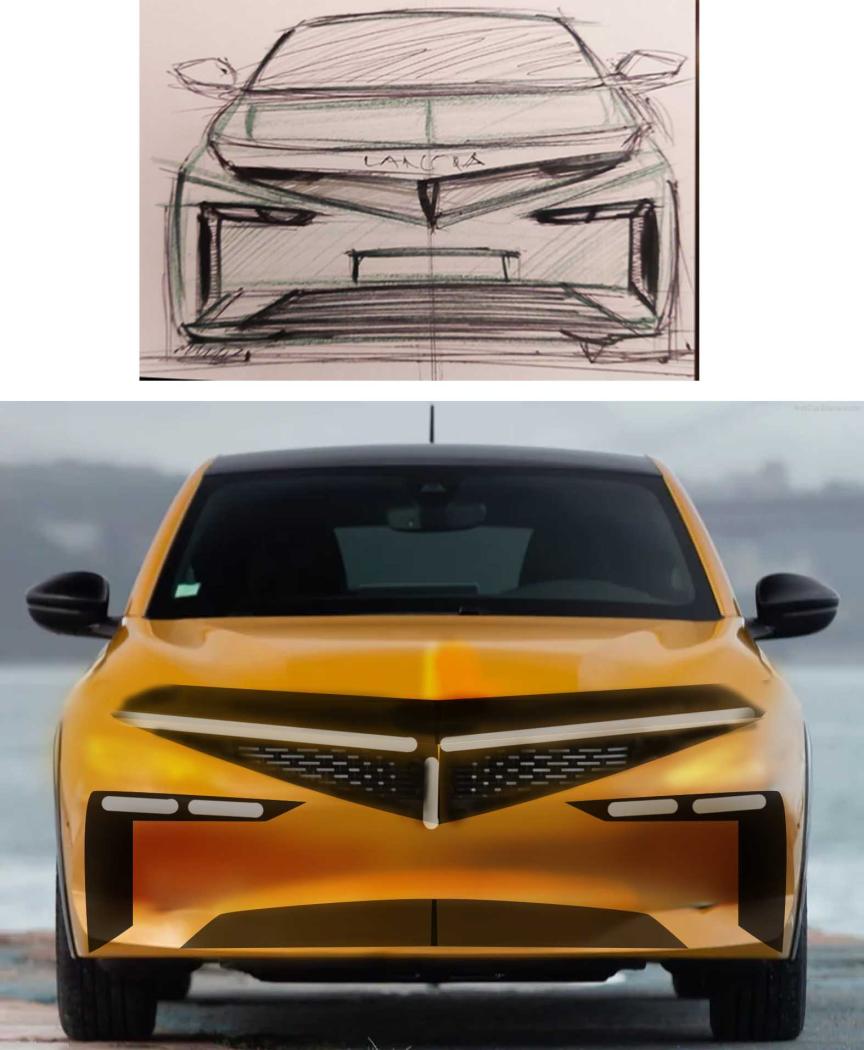 2 punti
 -
Decisione sacrosanta quando hai da mandare avanti 14 marchi differenti e ti ritrovi a gestirne uno il cui modello iconico è una citycar premium mentre tutto attorno è terra bruciata. Oltre ad esserlo fondamentalmente sempre stato, da primo prezzo (chiaramente non con tutti i modelli, ma la filosofia è quella).2 punti
-
2 punti
-
2 punti
-
Il miglioramento del TPL non c'entra assolutamente niente con l'obbligo di abbandonare l'auto di proprietà. Se il TPL è all'altezza, nessuno vorrà usare le auto. Se il TPL non è all'altezza, nessuno andrà in quella zona o cercherà di andarci in auto fino a quando ha l'auto. Io da qualche mese mi sono trasferito, vivo in una zona in cui posso lavorare, studiare, svolgere gran parte delle mie commissioni, andando completamente a piedi, neanche con il bus, per qualcosa come 5 giorni su 7 a settimana. Vuol dire che ora voglio abbandonare la mia auto di proprietà? No. Manco morto. Semmai è il contrario, prima odiavo rimanere imbottigliato nel traffico 3 ore al giorno, ora ne riconosco ancora di più l'utilità per tutti quei posti che non posso raggiungere a piedi o con la metro. Se voglio fare un fine settimana fuori.. se ho un'emergenza.. se piove.. se devo spostare roba.. se devo trasportare altre persone.. ho il mio mezzo personale e non devo chiederlo a nessuno. 5 giorni a settimana l'auto sta ferma. Quanto inquina un'auto ferma? Praticamente nulla. Quindi a cosa serve vietarla? A niente. Poi potrei avere convenienza nel noleggiarla o subaffittarla come proposto per esempio dal modello di Lynk&Co. Si. Se voglio. Altrimenti non sto dando fastidio a nessuno. Magari voglio prendere un V6 a benzina, non adibirlo a carsharing ma usarlo per 5000 km all'anno, quindi senza doverlo smaltire per i prossimi 30 anni, che per la cronaca sarebbe un utilizzo molto ecologico. Forse in quel caso ci sarebbe un altro problema, potrei cavarmela per 30 anni con cambi olio e ricambi e sarei fuori dall'indotto generato da leasing, noleggi, startup di carsharing e minchiate varie... l'incubo di qualsiasi CEO in pratica.2 punti
-
Informazione che si vede: la spring ha un terzo dell'autonomia. Informazione che non si vede: la spring costa il doppio di una panda. Mi scappa da ridere. Eccerto, adesso arrivi te che hai venduto l'auto lo scorso giugno e quindi tutti possono andarsene in giro col monopattino. Vai te a spiegarlo a quelli che vivono in un qualsiasi paese di provincia Italiana che devono farsi ore di tram anziché 10 min in macchina per andare al lavoro/ospedale/dottore/farelaspesa/quello che vuoi? E se c'è un'emergenza notturna? Che muoiano in casa sti poveracci che non hanno un soldo per prendere un taxi. Qui mi scappa da piangere più che da ridere.2 punti
-
Quindi, fammi capire... Siccome tu hai potuto smettere di girare con l'auto a Giugno, sono tutti nella tua stessa situazione di poter smettere di usare la macchina? Detta in bolognese, am per ed sugnèr (mi sembra di sognare).2 punti
-
I test EuroNCAP dicono che è più sicura di una Panda.2 punti
-
Un attimo. Perché a me discorsi del genere spaventano. Spaventano anche perché, perdonami a priori la fastidiosa generalizzazione, ma cerco di contestualizzarla al meglio, vengono sempre da un certo target di persone. Grosso modo liberi da legami (non so dove vivevi, ora stai a To, manderai il. CV a Bolzano...) giovani, senza famiglia o figli, mediamente benestanti***, quantomeno rispetto agli indigenti. Sia su AP, sia, ovviamente, nel mondo reale. Io, onestamente vorrei vedervi spiegare questo concetto ad una famiglia che vive di un solo salario (o anche due, ok...), in casa popolare e con l'auto di 12 anni. Spiegargli che i 10 km per andare in fabbrica si fanno in bici/monopattino o con i mezzi quando e se passano, in base ai propri turni, spiegargli che la bimba in visita all'ospedale che dista 10 min in auto, domani la si porta con l'autobus che impiega un'ora per arrivarci, quando e se passa (mia moglie, appena rientrata dall'Asl, alla fine è rientrata a piedi...) e fatti tuoi con i permessi al lavoro. Spiegateglielo voi. Io che un po' le mani, se non altro per lavoro, me le sporco, facendo il Caronte per quegli indigenti costretti ai viaggi della speranza di 16 ore, e avendo fatto in passato un po' di linea urbana, sempre cercando per indole contatto e dialogo con l'utenza, quasi sempre incazzata e insoddisfatta, ho la vaga idea che troppi (di voi, non loro) non sappiano di cosa parlano. A Napoli si dice: o'sazio nun crere o' riùn. Ovvero, i problemi non visibili altrui, quasi sempre, si sottovalutano. ***anche lo spoglio di ieri, è diretta emanazione di tutto ciò. E non moderatemi quest'ultima riga, che non sto facendo politica, solo analizzando, correttamente o meno, un dato lampante.2 punti
-
Notizia che ho sentito anch'io e ha avuto riscontro anche in altri paesi, ma quello che mi chiedo è: Se dall'Italia è plausibile un movimento per stoppare questa norma, non erano stati proprio i tedeschi a spingerla fino ad adesso? O si è autogenerato questo ban? Non ironicamente è così per quanto riguarda le classifiche jdpower, uno sfarfallio dell'infotainment equivale alla perdita di una ruota per strada, per questo certe classifiche lasciano il tempo che trovano. Anni e anni fa (se la memoria non mi inganna) era stata stilata da una compagnia di assicurazione (in Italia) una lista delle auto che hanno dato più problemi di motore, con i giapponesi al vertice dell'affidabilità1 punto
-
1 puntoPiu o meno ma in altra sequenza 😉 U25 (Countryman) / J01 Bev / F66 ice 3p / F65 ice 5p / J05 bev suv / F67 ice cab tutto piu o meno intorno un periodo di 15 mesi.1 punto
-
ecco... https://it.motorsport.com/f1/news/f1-aston-martin-conferma-stroll-correra-al-gp-del-bahrain/10438209/ 😅1 punto
-
Assolutamente. Hai ragione. Anche se, se fosse proprio così al 100%, Land Rover sarebbe fallita da tempo, nessuno avrebbe più comprato i DSG 7 marce a secco, e anche Tesla dovrebbe essere molto più in declino di vendite di quanto sia. Ma la madre degli stupidi è sempre incinta 😁 Dependability = affidabilità Soddisfazione (notare Genesis nelle due classifiche): Ovviamente, come dice @4200blu per chi procura molti guai e problemi al cliente, si assiste al fenomeno del non ritorno dei clienti che scelgono in base all'emozione. Ovvero ci sono sempre tanti ancora da fregare, ma di solito solo una volta...1 punto
-
1 punto
-
1 punto
-
Ciao!!! A parte i disegni molto belli, immaginati i fanali principali nel paraurti: incastrato sotto il calice non ci sarà nulla, se non l'ombra creata dal calice stesso. La strada giusta potrebbe essere quella del bozzetto tutto in basso.1 punto
-
Per chi pensa che Tavares sia un santo, chiedetevi perché Olivier François non ha comunicato alla stampa per il marchio Fiat cosa hanno fatto Napolitano e Imparato. La decisione di fare di Fiat poco più che un ricarrozzamento di Citroen, nonché di posizionarle come low cost (nonostante le sue smentite di qualche giorno fa) sono imposte da Tavares. Gli insider qui dentro sanno bene di cosa sto parlando. Poi non voglio andare OT, ma come tratta i suoi collaboratori nelle visite agli uffici , fabbriche e JV farebbero passare Marchionne per un santo.1 punto
-
Tutto condivisibile, tranne il monopattino che per me è il MALE e andrebbero vietati, raccolti e bruciati tutti in cumuli, come i libri in Fahrenheit 451.1 punto
-
Sky ci ha preso evidentemente gusto e ha deciso di trasmettere live le qualifiche anche su YouTube1 punto
-
Sostanzialmente, il punto è tutto qui.1 punto
-
Come sottolineo già da un pò di tempo, la rivoluzione EV sta arrivando a "Fase 2" con le indispensabili LFP, a meno che l'unica alternativa cheap delle batterie al sodio (e comunque ad un buono stadio di sperimentazione e primo stadio di industrializzazione) ne prenda il posto. I vantaggi sono molti di più della predicata economia, che è anche scusa ufficiale. - Il Litio è sempre più chiaro non è un problema, a causa della sua diffusione in natura, e le tecniche e i costi per la sua estrazione da fonti differenziate e in modo non inquinante ci sono e non sono complicate. Giusto prima non ci si era posti il problemi perchè se ne faceva poco uso. La sua alta riciclabilità aggiunge poi una variabile così già diffusa da esserci proprio una borsa del Litio riciclato. - Il Nickel va eliminato e le LFP non lo usano. La sua infiammabilità costringe, come si è visto, a tolleranza esagerate di costruzione. Spesso non sufficienti per contrastare i pericoli di incendio. Ovviamente questo si riflette anche sui costi di manifattura. Ed il reperimento ed estrazione hanno i loro problemi. - Il resto dei materiali di cui sono costituite le LFP sono materiali comuni. Il limite di densità energetica delle LFP, che storicamente è in realtà è iniziato molto tempo fa sulle batterie stazionarie e sui mezzi pesanti soprattutto in Cina, ha subito un'evoluzione molto rapida ed è già a ottimi livelli. E continua a salire di anno in anno. Anche con drogaggi come le LMFP e MP3: https://www.dmove.it/news/catl-ha-avviato-la-produzione-di-massa-della-batteria-delle-meraviglie-la-m3p-fa-piu-di-700-km-e-costa-poco https://www.hdmotori.it/tesla/articoli/n559760/tesla-model-y-batterie-catl-m3p-celle-lmfp/ Per le autonomie medie e basse è già soluzione industriale definitiva, come dice Tavares, e garantisce acquisti che non andranno in obsolescenza rapida (fattore importante in una transizione). E non si sta lavorando solo sulla chimica, ma anche sulla geometria e strutture delle batterie, come le Blade BYD e le batterie strutturali, tutte cose che migliorano pesi, capacità, densità e costi. Ancora c'è tanto da fare, come sempre in una transizione, ma almeno alcuni concetti e direzioni sono in via di stabilizzazione.1 punto
-
1 punto
-
Stellantis will use cheaper LFP batteries for EVs in Europe European automakers face increasing cost competition from rivals, such as Tesla, using Chinese-sourced LFP batteries. Stellantis plans to roll out electric vehicles in Europe with cheaper lithium iron phosphate (LFP) batteries. European automakers are currently using the more power dense, but costlier, NMC cell chemistry (nickel, manganese and cobalt). However they facing increasing cost competition from rivals using Chinese-sourced LFP batteries. “We need LFP and we will have LFP because it’s a cost competitive position to make affordable cars for the middle classes,” Stellantis CEO Carlos Tavares said on an earnings call on Wednesday. Tavares did not give a timeframe for when the batteries will appear in EVs sold bz Stellantis brands, which include Peugeot, Citroen, Opel and Fiat. He said the “only question” is where the batteries would be sourced, either from Europe or from elsewhere. Stellantis will source standard NMC batteries from three planned battery plants in France, Germany and Italy through its ACC joint venture with Mercedes-Benz and TotalEnergies. The first plant, in Douvrin, France, will start building prototypes in the second half of this year with full production starting in 2024, Tavares said on the call. LFP is seen as giving a useful cost advantage in a period of high battery material prices because of its lack of costly nickel, cobalt and manganese. Tesla uses LFP batteries bought from Chinese specialist CATL for its standard range Model 3 sedan and Model Y sedan, both of which were subject to price cuts of up to 15 percent at the beginning of the year. The chemistry is also used by Chinese premium brands Xpeng and Nio, as well as growing volume brand MG. MG, owned by China’s SAIC, installs LFP batteries in entry-level versions of its new MG4 compact, a rival to the VW ID3 and Peugeot e-208. China dominates LFP production and it is set to produce 99.5 percent of global supply this year, according to battery materials analyst company Benchmark Minerals. China will account for 97 percent of planned LFP capacity up to 2030, the company has estimated. CATL is expanding into Europe and started preproduction at its 14-gigawatt-hour plant in Erfurt, Germany, late last year. The company plans to install six battery cell production lines there by the end of 2023. CATL did not reveal the chemistry of the battery it will make there. Stellantis has been linked to a second CATL plant to be built in Debrecen, Hungary, with production scheduled to begin after 2025. Mercedes will be its first customer, with Volkswagen Group and BMW also sourcing batteries from the plant. No chemistry has been announced for the batteries planned at the factory. Ford in the U.S. has partnered with CATL to build a new $3.5 billion LFP battery plant in Michigan which opens in 2026 with capacity to produce enough batteries to power 400,000 Ford models a year. Ford has estimated that LFP will help it make savings of between 10 to 15 percent compared to NMC batteries. The U.S. automaker has said it will start using imported LFP batteries in its Mach-E model from the spring onward. UBS and P3 Automotive last year conducted a teardown of the CATL LFP battery used in the Tesla Model 3 and concluded it was a global cost leader at a cell price of $131 (123 euros) per kilowatt hour, ahead of the BYD ‘Blade’ LFP battery, which cost $134 per kWh. altro articolo di ANE MILAN -- Stellantis plans to cut as many as 2,000 jobs in Italy this year to further reduce its workforce in Fiat's former home country as the transition to electric vehicles takes its toll. The automaker, formed from the merger of PSA Group and Fiat Chrysler, and local unions agreed on the reductions that represent about 4.3 percent of its 47,000 workforce in the country. The decision follows similar cuts last year. The planned exits will come mostly from workers not directly involved in production, who will receive benefits that include early retirement and as much as two years of salary for older workers, unions said Monday in a statement confirmed by Stellantis. Carmakers have been grappling with inflation and supply-chain disruption as they retool their factories to transition to battery-powered cars, prompting a cost-cutting drive. Ford Motor earlier this month said it will cut 3,800 positions in Europe as developing and producing electric vehicles requires fewer workers. Stellantis cited the EV shift for its plan to idle a Jeep-making factory in Illinois. "The cost of electrification is going to have an impact on the footprint of business that we are going to have around the world," CEO Carlos Tavares told reporters earlier this month. The maker of Jeep SUVs and Peugeot cars has been in talks with the Italian government about the future of the country's carmaking industry and bolstering demand for EVs. Stellantis will boost production at its Melfi plant in southern Italy to focus on EVs and plug-in hybrid vehicles, and is moving ahead with plans for a battery factory in Termoli that is due to start production in 2026. The manufacturer in late 2021 said that it's seeking to turn its Turin factory into an EV hub. (ANE)
 1 punto
 -
1 puntoI B SUV non aggiungono molto spazio alla tua Polo, e a dire il vero neppure sicurezza passiva. Rimane solo il "pochino più tecnologico" nella tua lista di miglioramento, ma a prezzo molto caro, valuta bene.1 punto
-
Ma...perdonami, fatico a capire se sei in buona fede, e di conseguenza un po' ingenuo, o fazioso. Davvero secondo te tutti i management delle Case europee sono arrivati al punto di essere così miopi da dover attendere l'obbligo dell'UE provvidenziale per aver evitato la loro crisi/chiusura? Capitolo penalizzazione ceto medio: per togliere le varie utilitarie euro 0-1-2 e medie euro 3 diesel, si faccia che davvero la Panda*** possa essere comprata al 9900 € come qualche anno fa. Con l'incentivo statale che intervenga ad abbassare la cifra degli interessi per i finanziamenti aperti da famiglie sotto un certo reddito. ***pure la Spring, ok. Però se 500 degli 8000 abitanti di Falchera da qui a 6 mesi scegliessero la prima, non ci meravigliamo. Nè indignamo. Che 500 colonnine solo lì, per me mica avrebbero tanto senso. Agevolo foto per i non torinesi
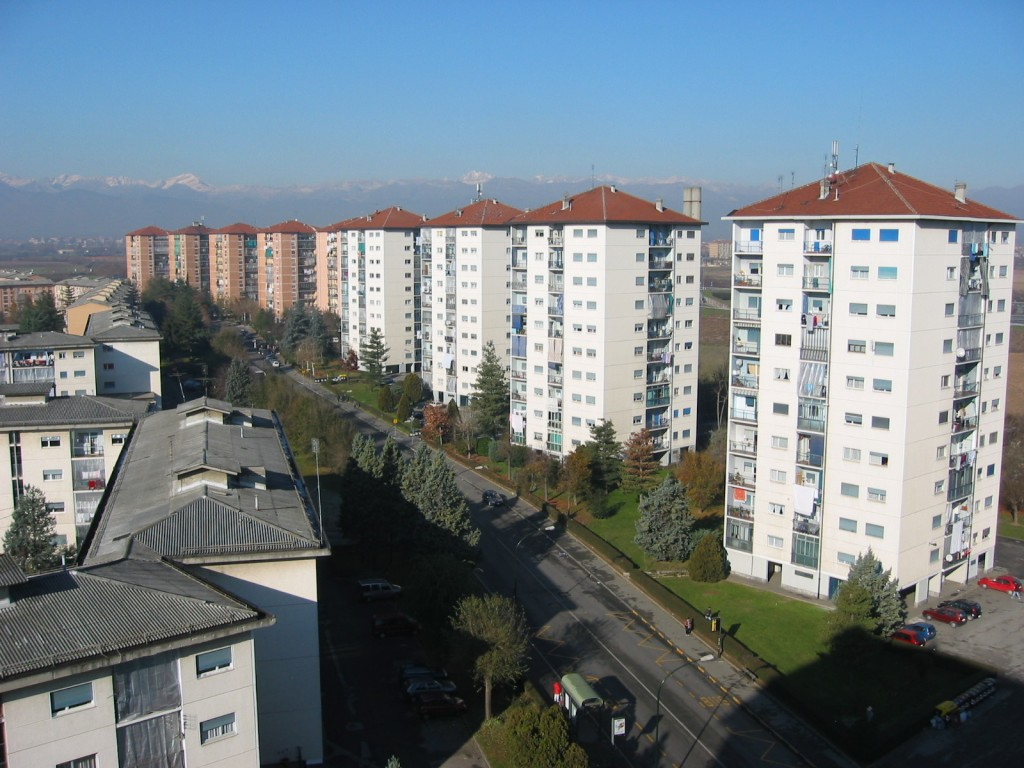 1 punto
 -
1 punto
-
I primi LCD dovevano stare spenti per 1 ora quando vedevi un film tra il primo tempo e il secondo tempo?1 punto
-
Si vede che Lancia sta rinascendo... finalmente sono finiti i pippotti sullo scarrafone e Tychy e si è iniziato a parlare di Alfa anche qui ❤️1 punto



























La Leaderboard è riferita all'orario Roma/GMT+02:00