




Classifica Utenti
Utenti più Apprezzati
(Scegli il periodo) Utenti più Apprezzati
(Storia giorno per giorno) Classifica dall'Origine
(da Marzo 2003)
(Scegli il periodo) Utenti più Apprezzati
(Storia giorno per giorno) Classifica dall'Origine
(da Marzo 2003)
-

Aymaro
Utente Registrato23Punti22045Numero contenuti pubblicati -
Beckervdo
Reporter (Staff)21Punti24758Numero contenuti pubblicati -

KimKardashian
Utente Registrato14Punti14552Numero contenuti pubblicati -
AleMcGir
Moderatore |Staff|14Punti20132Numero contenuti pubblicati




Contenuti più Popolari
Stai visualizzando i contenuti con il più alto punteggio, pubblicati in data 12/21/21 e localizzati in Risposte
-
Ed attenzione, secondo le logiche di osservazione di Quattroruote, questo modello - AVENDO LE RUOTE CARENATE - è elettrico.8 punti
-
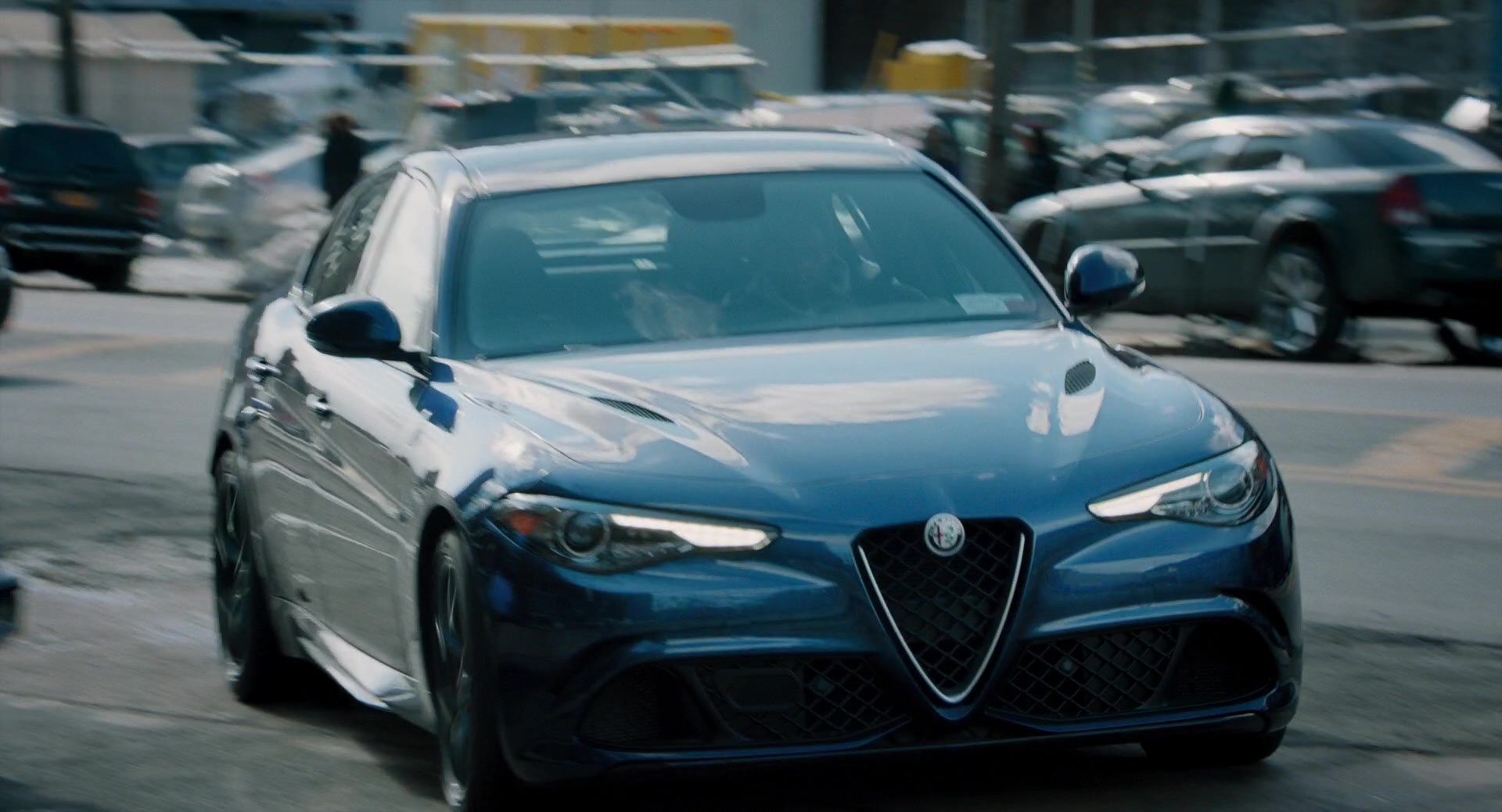
Cos'è? Una collaborazione con i puttini di Zagato per la Giulia TZ4?7 punti
-
5 punti
-
5 puntihai fatto la precisa descrizione di un pagliaccio a livello industriale5 punti
-
4 puntise dici che nel 2019 Ferrari era superiore a RB allora davvero non hai guardato la stagione... quella Ferrari era completamente sbagliata come concetto aerodinamico (concetto ereditato poi dalle successive macchine) era superiore solo di motore, per il resto la RB era superiore e di gran lunga a livello di telaio ecc... Il secondo posto nei costruttori è dovuto solo al fatto che RB ha cambiato i piloti in corso d'opera Ammettere che ti sta sulle palle è una cosa, giudicare al di fuori del tifo e delle simpatie, ma su base di realtà oggettive è un altra... forse è quello che ti "contestiamo"4 punti
-
4 puntiScarsissimo. Pompatissimo. Non ha dimostrato mai niente. A parte fare 7 pole position, una alla sua seconda gara con la Ferrari, vincere 2 gare, perderne almeno altre 2 per colpe o per volontà della squadra, mettere a cuccia Hamilton e Verstappen nei duelli, disintegrare un compagno di squadra 4 volte campione del mondo. Un vero bluff.4 punti
-
4 punticome se il pompato dalla stampa fosse colpa sua... Secondo te Sainz più concreto? Forse in questa stagione, ma quando ha avuto una macchina che gli permetteva per lo meno di lottare costantemente per il podio, (2019) i risultati li ha ottenuti eccome, e di sicuro nel corpo a corpo ed a livello di doti velocistiche, il monegasco è superiore allo spagnolo, ed anche nel confronto con Max, ricordiamoci le minchiate che faceva Verstappen alla quarta stagione d F1...4 punti
-
4 puntiEvidentemente le targhette per i nomi eran troppo care da cambiare 😅4 punti
-
4 punti
-
Come... Bisogna aggiornare il titolo del topic: Alfa Romeo Zagato Tonale TZ4 [Teaser] Di conseguenza dopo i putti ...
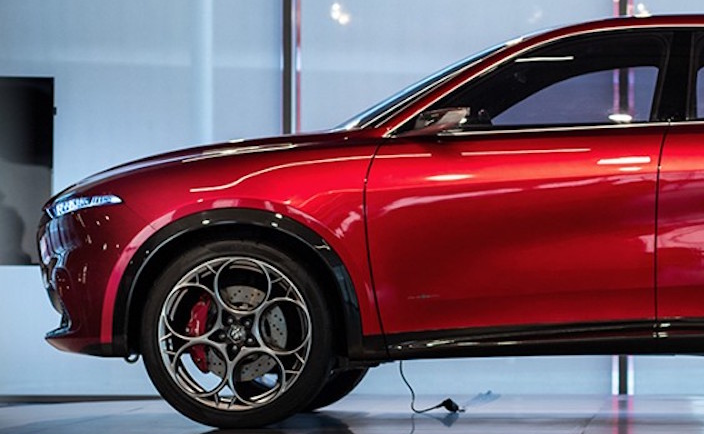
 4 punti
 -
3 puntivisto che c'è la discussione sul cinema apro quella sulla letteratura, un po' per gioco e un po' magari per qualche suggerimento. per cominciare ecco un libro bellissimo che sto leggendo ora: quale sarà "l'alfone nero" guidato dal protagonista aldino nella piovosa notte milanese? tutti gli indizi ci portano a lei:3 punti
-
3 punti
-
3 puntiAspetta, scoglionato è una cosa, che sia un po' fuori fuoco è un altra, a me non pare proprio che sia scoglionato. In uno sport dove devi essere la 1000 per 1000 tutte le gare, "ci sta" che un paio di gare non sei al top. Ed anche gli errori degli ultimi 2 anni, non sono dovuti di certo al fatto che dicesse: che palle devo correre con un cancello, se mai il contrario, sono dovuti al fatto che ha cercato di tirar fuori l'impossibile da mezzo non all'altezza; a me questo non pare un atteggiamento da scoglionato, ma di uno che lotta esattamente come lottava Schumacher che citi tu, prendendosi dei rischi per fare il colpaccio (vedi GP Turchia lo scorso anno o russia quest'anno) invece di accontentarsi del solo arrivo a punti3 punti
-
3 puntiE' paradossale che le monovolume siano ormai un segmento in disuso, mentre i veicoli commerciali "civilizzati" stiano guadagnando la loro fetta di mercato. Per le Case è sicuramente la quadratura del cerchio poter coprire un segmento in più senza fare nuovi modelli, ma questo dimostra anche che sono cambiati i gusti ma non i bisogni. Un suv, per quanto razionale (come può essere ad esempio la Tucson) avrà un bel bagagliaio ma resta sempre un veicolo 5 porte 5 posti. Se hai la famiglia numerosa non ci fai niente. Viceversa il veicolo commerciale estremizza la praticità dei vecchi monovolume, e quando ti offre finiture decenti e motori da 150/180 cv di fatto la distanza tra un mezzo da lavoro e un'automobile si fa sottile. Quando ho visto per la prima volta l'operazione Zafira Life ho pensato all'ingloriosa fine di un mito, poi quando ho saputo che un mio amico ex proprietario di Zafira prima serie se lo è comprato, ho dovuto dare ragione all'Opel.3 punti
-
Musi appuntiti e linee filanti hanno sempre cozzato col termine (e gli ingombri) da SUV. Che poi possono chiamarlo anche FUV, CUV, TUV ma la sostanza resta quella. Lassù qualcuno ha creato le auto sportive dedite al piacere di guida ed auto per andare fuoristrada. Inutile insistere ed andare contro Madre Natura. A parte gli scherzi, credo che a volte, troppe volte, dimentichiamo il vero significato del termine Bellezza finendo col farci andare bene (ed apprezzare) mezzi accettabili solo perché confrontati con la diretta concorrenza.3 punti
-
3 punti
-
Ma queste ruotine da carrello della spesa su sto suppostone?3 punti
-
3 punti
-
Dopo tutti questi anni all’estero mi ero dimenticato dell’orrore che hai appena descritto 😵💫3 punti
-
3 puntistessa mia opinione... controfigura inutile come se l'uomo e il personaggio Marchionne ne avessero bisogno per spiegare cosa e quanto ha rappresentato per l'economia italiana. Letto il libro di Ebhardt in un viaggio aereo tutto d'un fiato e ne sono rimasto colpito e affascinato. Inoltre, mi son piaciute le testimonianze di Altavilla e Baravalle, meno quella di Farinetti e Gubitosi (avrei preferito altri collaboratori e/o anche Tavares visto che era risaputa la stima che nutriva Marchionne nei suoi confronti)3 punti
-
Prime foto spia per un nuovo modello a combustione destinato al mercato cinese. Che porcheria :')2 punti
-
Quindi stai dicendo che te la facevi con ragazze piuttosto grezze? 😂😂😂2 punti
-
2 puntiL’ho visto anch’io. Mi è piaciuto. Sono usciti aspetti della sua personalità che non avevo colto. In ogni caso un personaggio di primo piano2 punti
-
2 puntiSi, ma le gare non sono le drag race all'americana non ci sono solo i rettilinei, la Ferrari non la passavi in pista (non è vero poi), ma poi distruggeva le gomme e ti trovavi dietro per un pit anticipato ecc... RB è una macchina progettata sulle specifiche di e per Verstappen e per questo 2 piloti validi ma con pochissima esperienza (a cui non veniva dato ascolto c'è da dire) hanno fatto malissimo, ed anche Perez quest'anno ha faticato e non poco, ma questo non vo dire che non era una macchina competitiva, era una macchiana che permetteva di fare podi e vittorie al suo pilota, come la Ferrari2 punti
-
Hyundai CEO Chang shifts resources to pursue EVs Bullish Hyundai CEO Jaehoon Chang is counting on global EV sales surging 57% Hot-selling Hyundai has successfully checked off a long to-do list as the mass-market brand and its Genesis luxury stablemate have moved up the sales chart. Higher quality? Check. Better design? Check. More crossovers? Done and done. A fuller premium portfolio? Roger. Now, Hyundai Motor Co. has a new order of business: mastering electric vehicles. CEO Jaehoon Chang is so bullish about the company's prospects that he forecasts Hyundai and Genesis global EV sales surging 57 percent to 220,000 vehicles in 2022 from a tally of 140,000 expected this year. The outlook is part of a newly upgraded internal goal at Hyundai Motor Group to sell 1.7 million EVs in 2026. That revised objective covers the Hyundai, Kia and Genesis brands and represents an ambitious extension of the earlier goal of 1 million worldwide in 2025. To get there, Hyundai will invest in EV factory capacity in the U.S. under a $7.4 billion plan that will be detailed next year. It will introduce a new dedicated EV platform to underpin an expanded global lineup that will include 13 all-electric offerings, leveraging the Ioniq EV subline. At the same time, the automaker will all but halt investment into new internal combustion engines as it splurges on areas ranging from new battery technologies to EV production bases. "That's the transition that we would like to pursue. As fast as possible," Chang told Automotive News this month. "We will go very aggressively on electrification." Chang, who was Genesis' global boss before being tapped as head of Hyundai Motor Co. in December 2020, has the helm at a critical turning point for South Korea's flagship automaker. Hyundai's big push into EVs comes as the company fleshes out several key business components in its rapid ascent to the top tier of global carmakers — nailing quality control, turning heads with sexy styling, rounding out a full line of crossovers, and putting Genesis on the premium map. New priorities Hyundai long played catch-up to global rivals in those areas, but Chang said the work is now largely complete. And it's time to shift gears for the brewing battle in electrification. "The point is how we can be competitive by introducing new models. That is our big momentum, the game-changer," Chang said of the EV plunge. The ramp-up will springboard off a trio of offerings from the Ioniq series. The push begins with the Ioniq 5 compact crossover on sale now and continues with the Ioniq 6 sedan and Ioniq 7 three-row crossover. But those are just three of some 13 EVs the Hyundai brand intends to have on the market in 2026, including electric derivatives of existing nameplates. While the Ioniq series rides on Hyundai Motor Group's new E-GMP platform , the carmaker will also introduce another dedicated EV platform to underpin the expanded lineup. Chang declined to offer details about the upcoming architecture. "This is to explain our confidence in how we can build up those numbers with a single platform. We are not simply looking at only one platform," Chang said. "We are expanding our volume for EVs. And we have a plan for how we can do that." Chang declined to specify a U.S. target for EV sales or overall volume in 2026. But he said the Hyundai brand is focusing on record market share rather than pure volume. Through November, combined sales of Hyundai and Genesis climbed 28 percent to 731,363 vehicles, with Hyundai up 24 percent to 686,741, on track to be within striking range of its 2016 peak of 768,057. The Hyundai brand's U.S. market share was up 0.7 percentage point to 5 percent through September. Genesis' share stood at 0.3 percent, up from 0.1 percent a year earlier. Looking to 2030, Hyundai expects to get half of its U.S. sales from EVs, riding surging customer interest in the technology and growing government support for it. Globally, Hyundai and Genesis EV sales are forecast to reach 220,000 in 2022, from just 90,000 in 2020. Genesis will start phasing out internal combustion in 2025 and launch eight battery-electric and fuel cell electric replacements to make it an all-EV brand by 2030. "I think there is a big momentum in how customers feel about EVs," Chang said. "We see a clear signal from the market that demand will be increasing." Shifting electric In May, Hyundai said it will invest $7.4 billion in the U.S. by 2025 to produce EVs, upgrade plants and further cultivate its ambitions in areas such as urban air mobility. Chang said those plans will be detailed next year but emphasized that the capacity expansion will focus almost solely on EVs. The company is also pursuing development of solid-state batteries, but Chang said it is too early to promise commercialization by 2030, as some Japanese automakers have done. In the meantime, the company will continue to work on a next-generation version of lithium ion and lithium metal batteries. That will be done in partnership with South Korean battery makers. Hyundai is all but ending development of all-new combustion engines. It will upgrade existing powerplants as much as possible to meet new emissions standards and then roll out gasoline-electric hybrid systems as a bridge until EV demand really takes hold. "We will align our powertrain product to be applicable under the new regulations," Chang said. "Which doesn't mean we need to have full, new engine development." As Chang aptly summed the Hyundai zeitgeist: "We are focusing on EVs from now on." (ANE)2 punti
-
2 punti
-
2 puntiMa infatti. Quello veramente obiettivo è chi ammette di odiarlo talmente tanto da non riuscire nemmeno a tifare per la Ferrari. Sei esattamente come quelli che odiano talmente tanto Hamilton da dire che è un pilota scarso. Francamente per me discutere con persone così è meno stimolante che osservare la crescita delle unghie.2 punti
-
Particolato. È la versione turbodiesel.2 punti
-
2 puntiscarso sto pilota in rosso che lotta alla pari con "un pilota così talentuoso ed aggressivo"2 punti
-
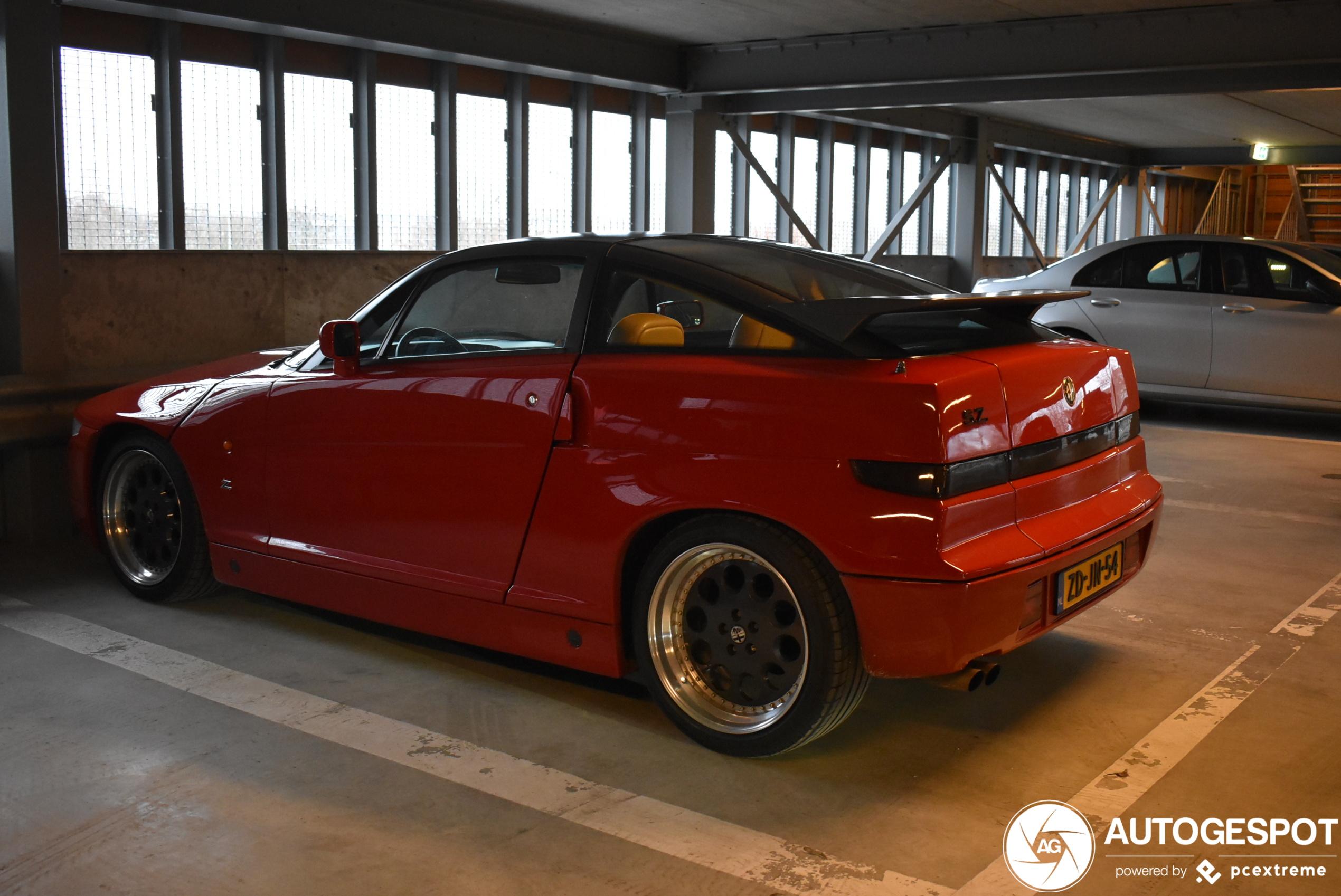
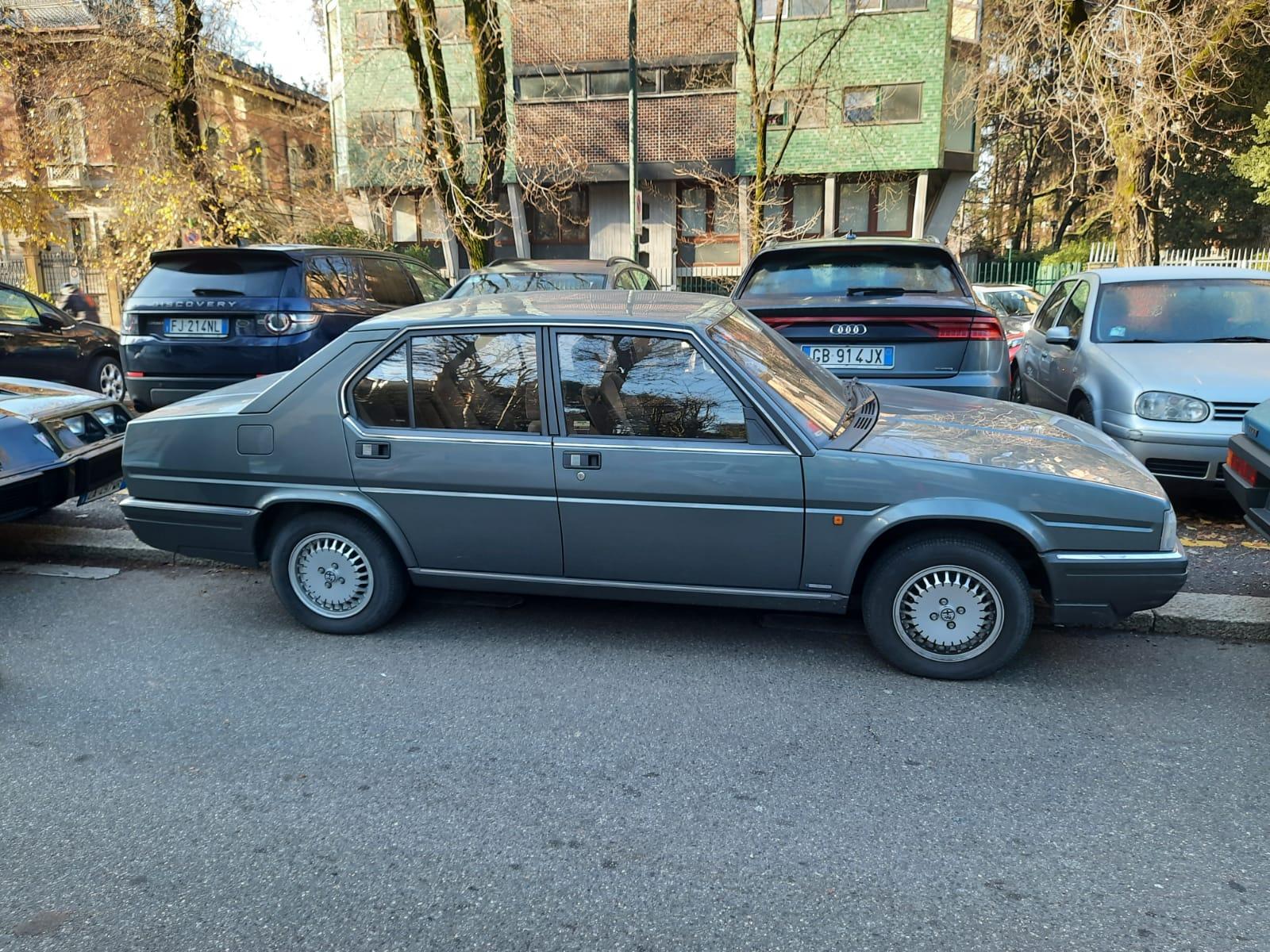
2 puntiSpero sia una fake news, ci mancava l'ennesima buffonata di quest'anno2 puntiUna Sz con poche correzioni (cerchi maggiori/bicolore e doppio terminale). Che dire, perfetta!
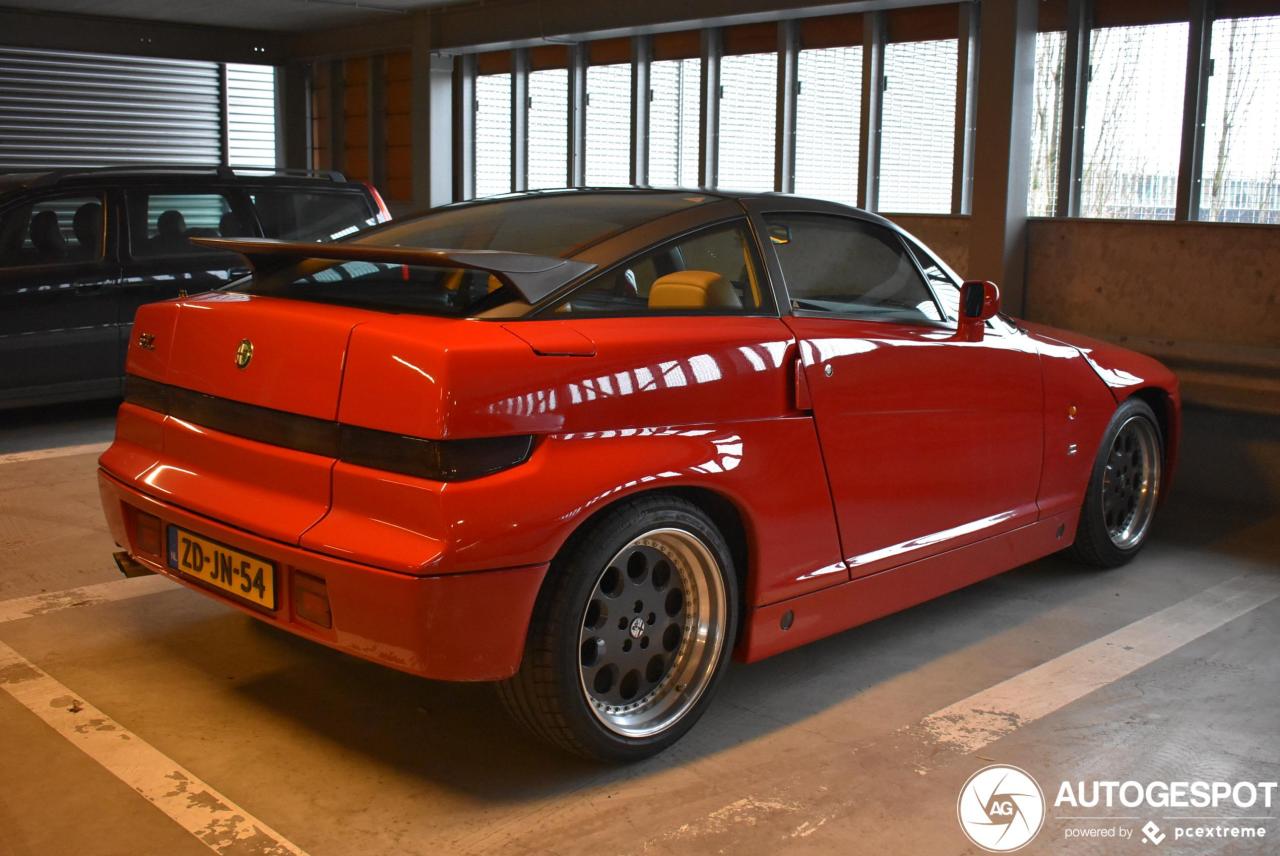
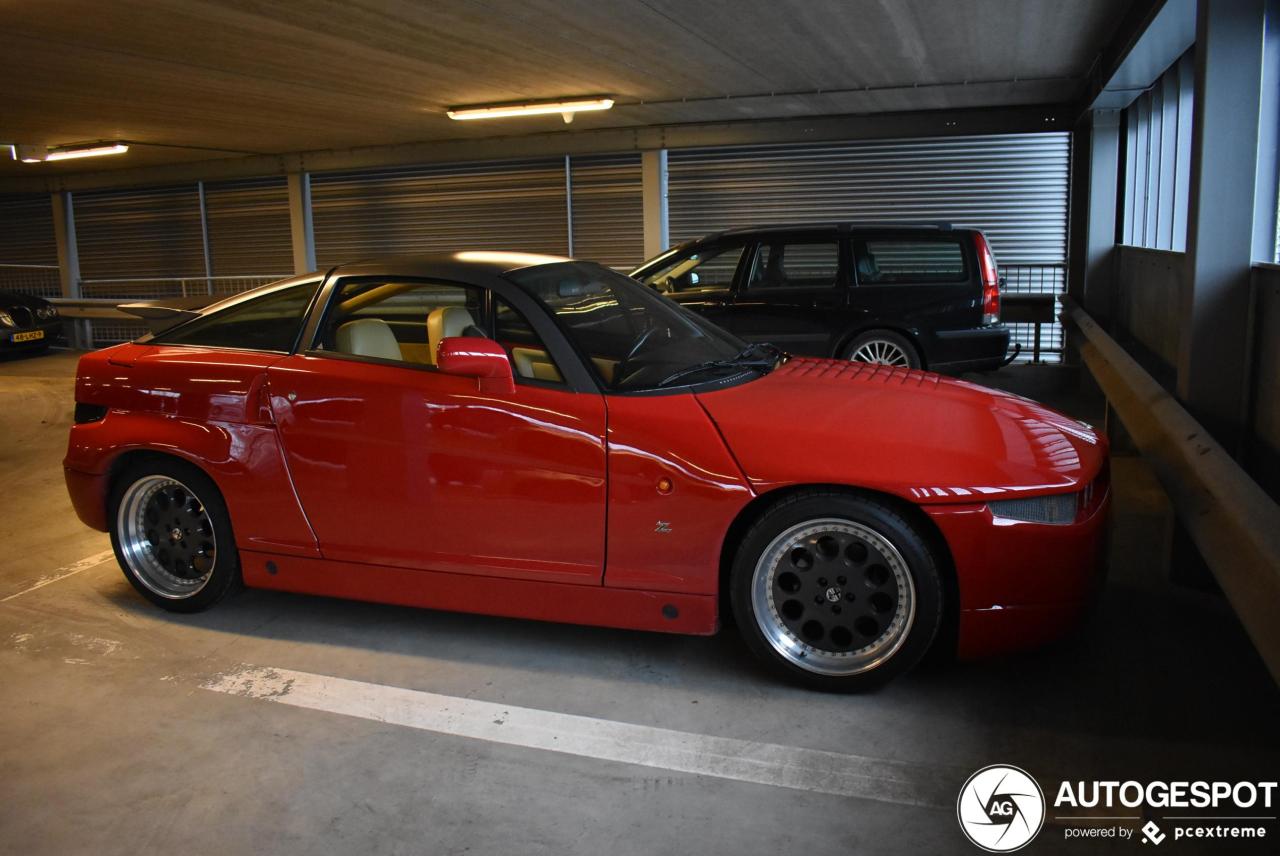
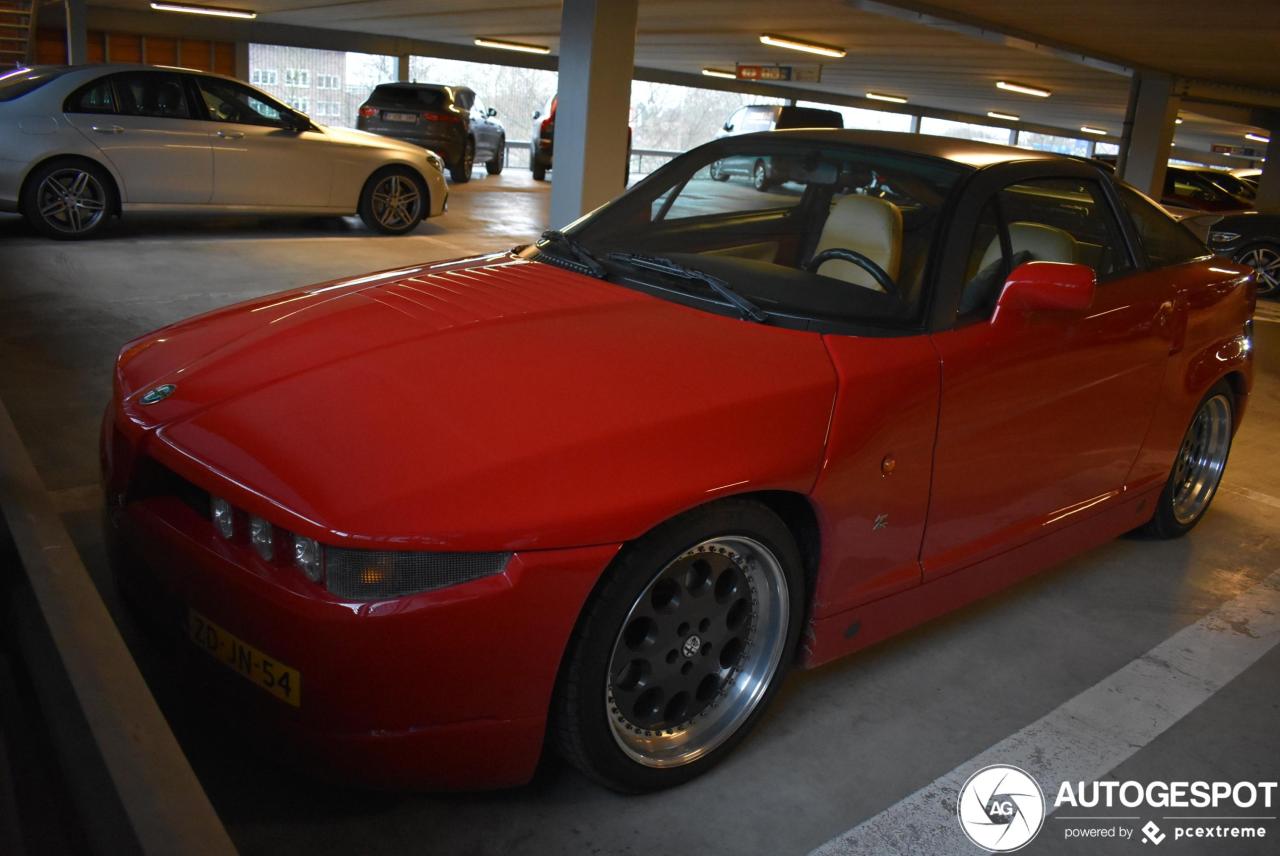
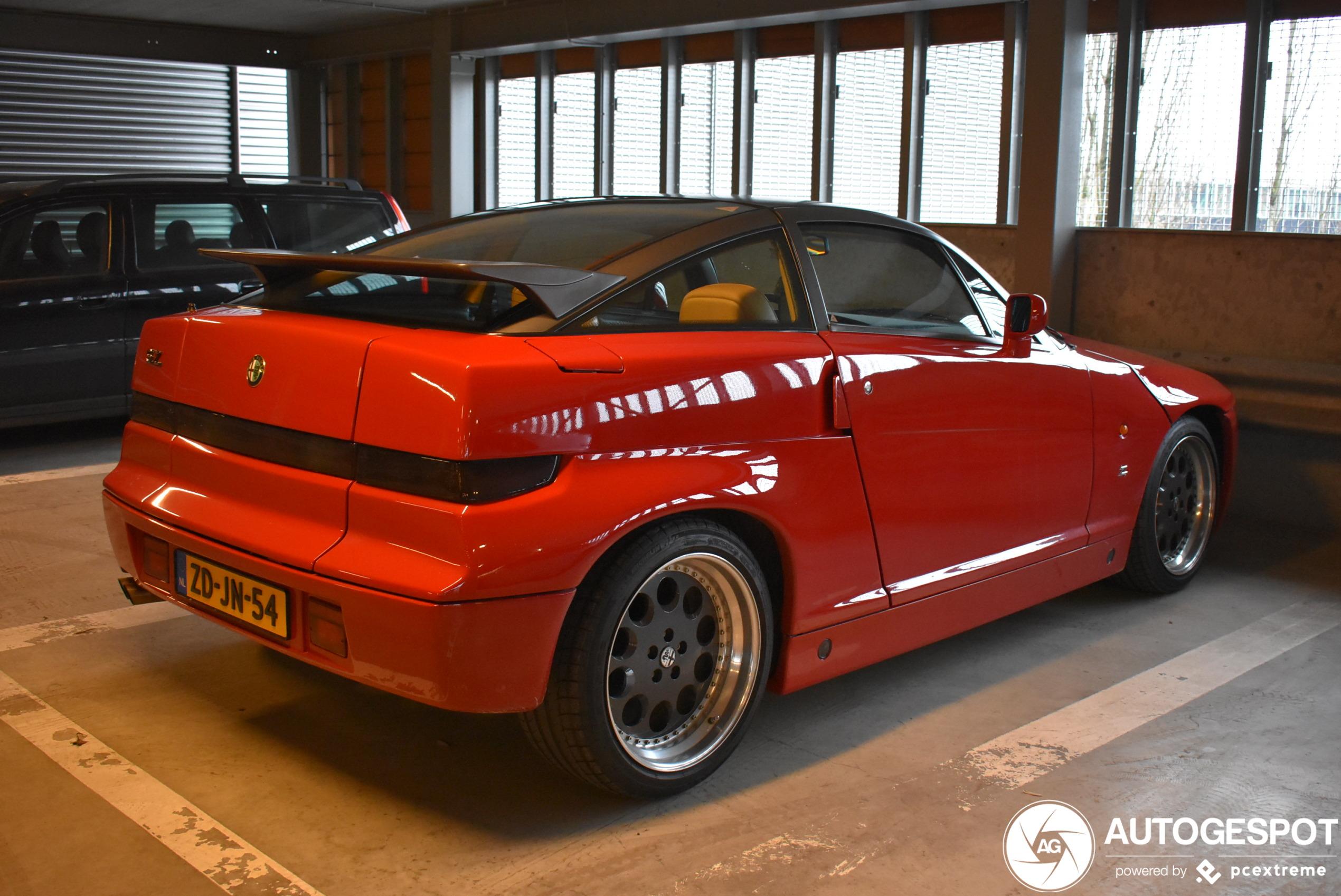
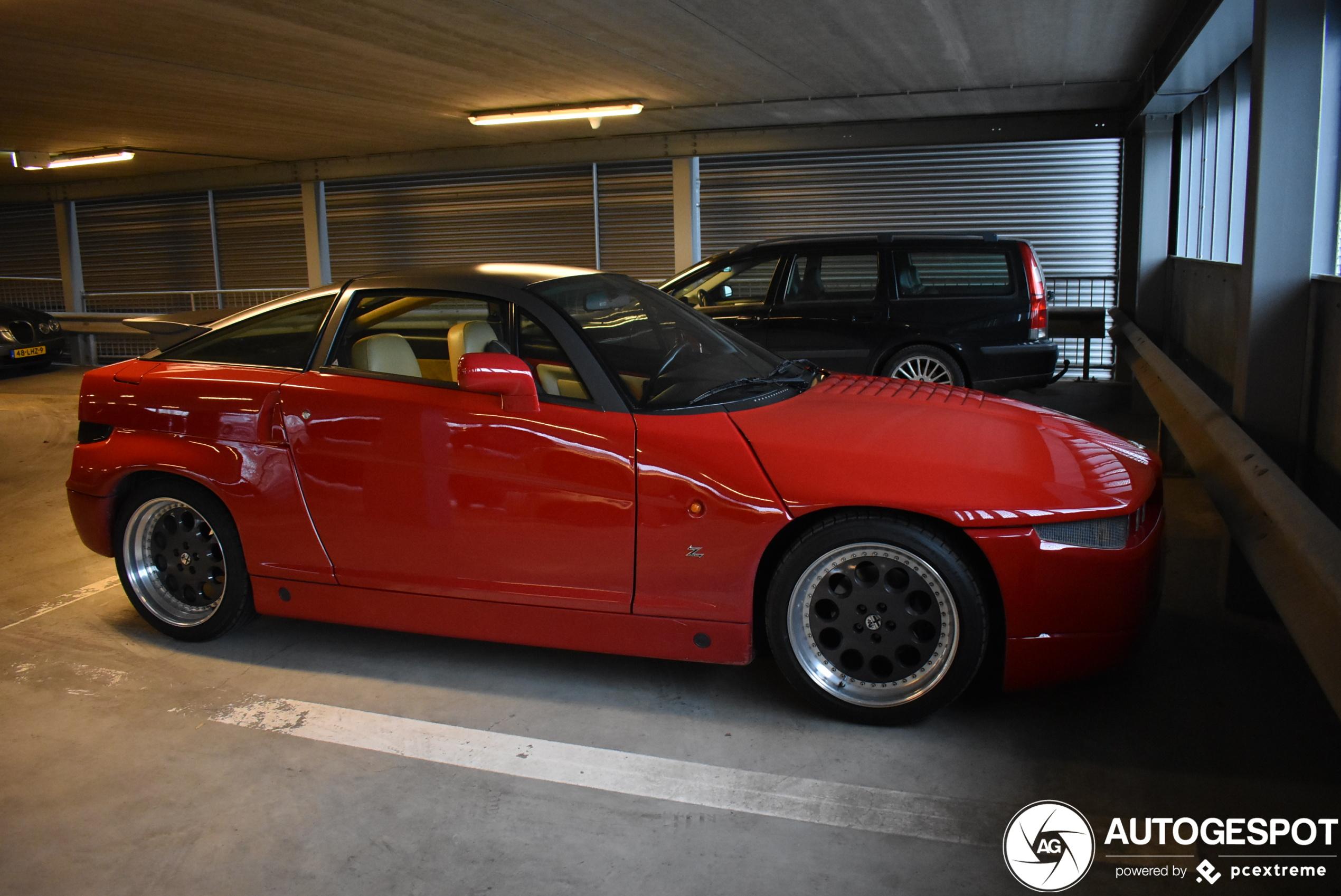
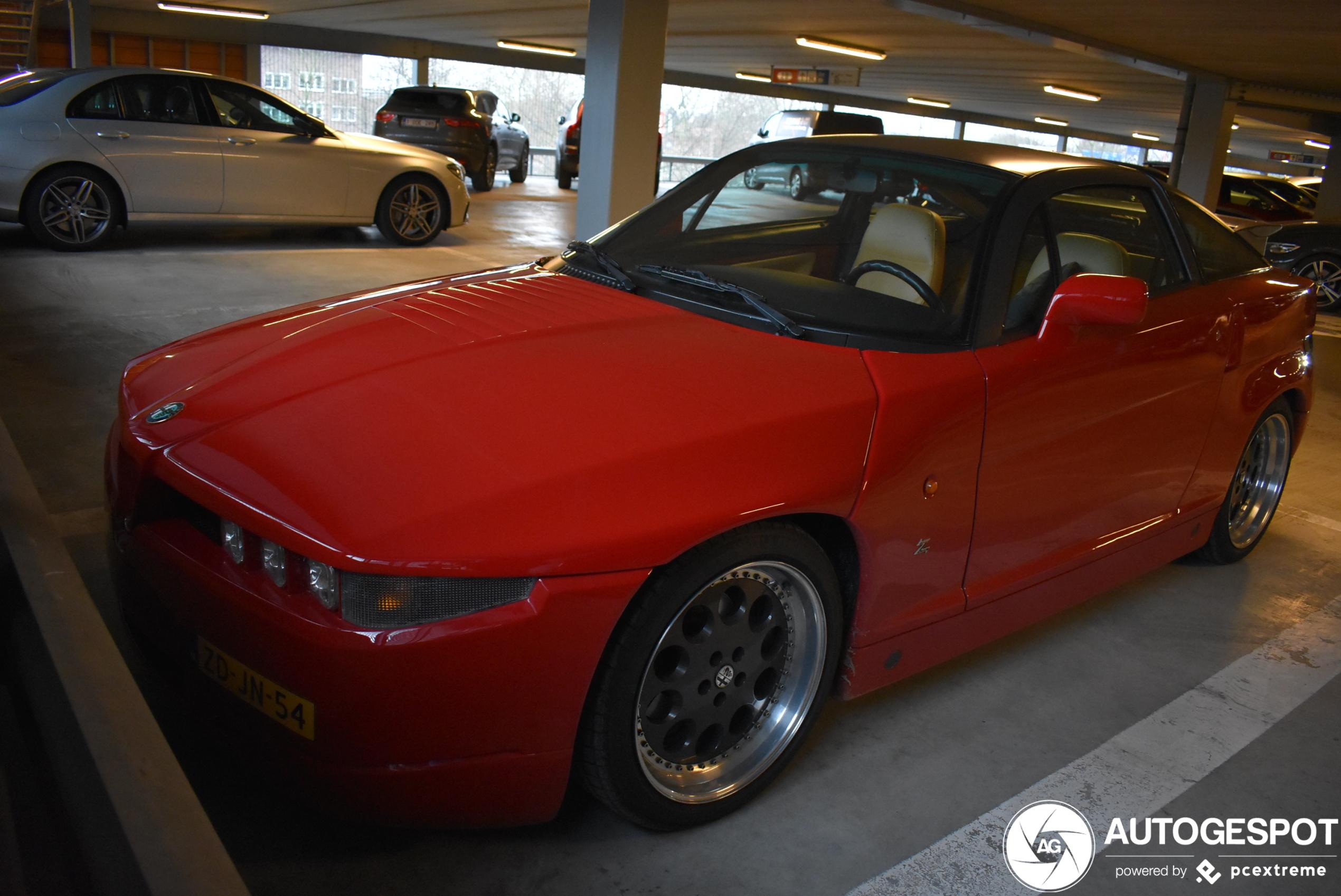
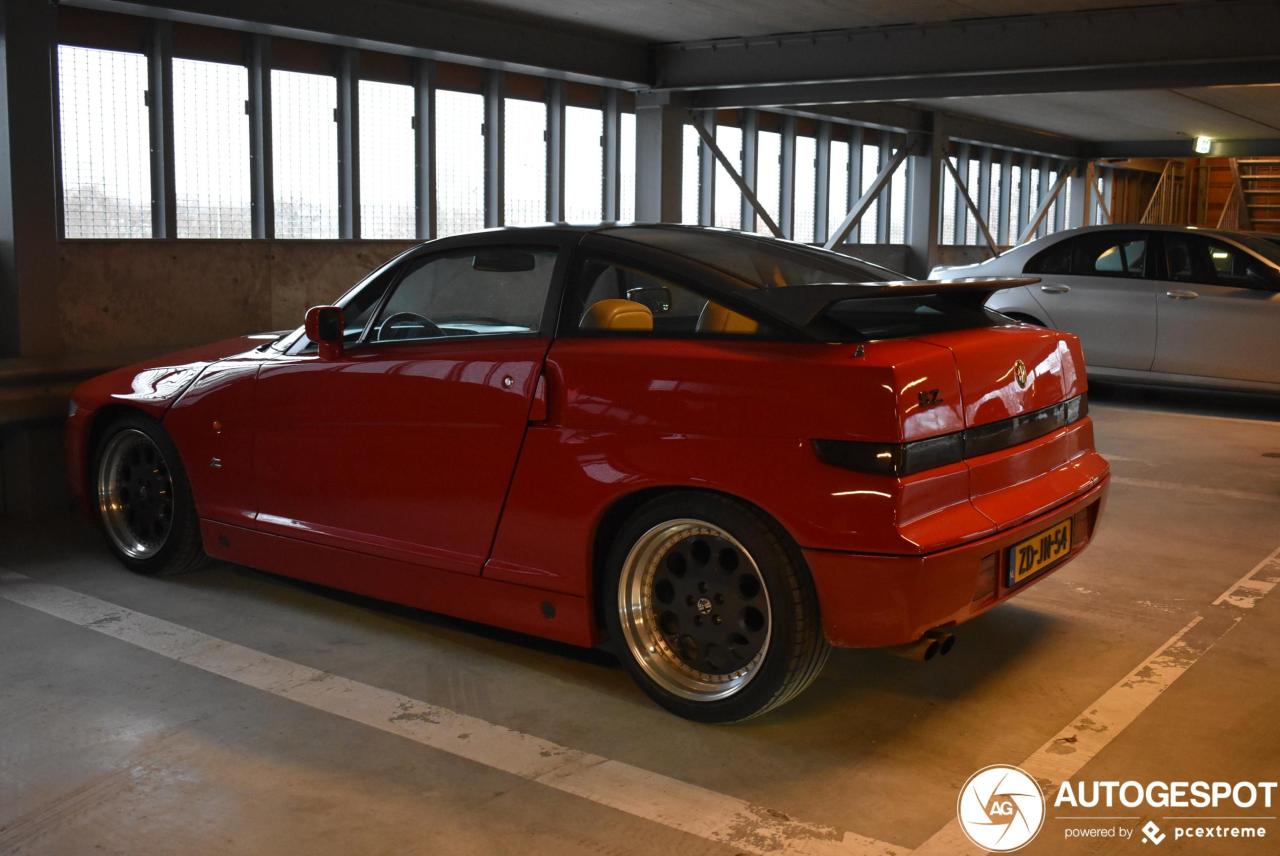 2 punti2 puntihttps://www.formulapassion.it/motorsport/formula-1/f1-team/ufficiale-santander-premium-partner-della-ferrari-sainz-alonso-elkann-sponsor-philip-morris-mission-winnow-amazon-598402.html torna Santander, il che può darci delle indicazioni: rinnovo di Sainz molto probabile (buono) e più bianco sulla vettura 2022 (no buono)2 puntiLa Turchia ha un'economia reale molto interessante e capace, con ottimi tecnici e brave persone per mia esperienza. Purtroppo però comandati da un pazzo...2 punti2 puntiSarai anche obbligato, ma negli ultimi anni le monovolume non le voleva più nessuno, tranne forse gli NCC. Se poi torniamo indietro di un quarto di secolo, non è che le monovolume dell'epoca si guidassero tanto meglio di un mezzo commerciale di oggi.2 punti2 puntiVero, ma perchè ci sei obbligato. Che poi un Transit con i vetri oscurati possa anche fare figo, ok, però il confort che ti garantisce un Touran o una Scenic su un mezzo di derivazione commerciale te lo scordi.2 punti2 punti2 punti2 puntiÈ stato presentato l’anno scroto credo e già lo modificano! 🥲2 puntila prima cosa a cui ho pensato e subito dopo questo: raffaello infame per te solo le lame2 puntiUdiuuuuuuuuuuuuuuuu è lei è lei!!! Eiaculo biscioni!!!!!!! Una delle mie macchine preferite!!!! Qua lo decidiamo noi quali news sono vere (ovvero quelle che ci piacciono ) e quali no2 punti2 puntiHai 24 anni, tempo indeterminato e sei single con morosa, per di più in una zona a bassa intensità piovosa e con alcuni dei panorami e strade più belle d'Italia? Bè non l'ha ancora suggerita nessuno, tanto vale farlo.... Mazda Mx-5 Is the answer 😄. Sennò, se proprio SUV dev'essere, prendi quello che più ti piace nel tuo budget 😉.2 punti2 punti2 puntiQueste le avevi gia'? Total Vehicle Restoration Travels Very Rapidly Tow Van Required Thrills Versus Reliability Trouble Very Regularly2 punti1 puntoTanta energia entra nella rete, tanta ne esce, quindi la 1 non è possibile. La risposta 2 potrebbe essere la più intuitiva ma le cose non stanno così. La rete di produzione di elettricità è composta da centrali più o meno "costanti" (termoelettrico classico, nucleare, geotermico, idroelettrico), centrali "variabili" in maniera più o meno poco controllabile (solare, eolico), e centrali che possono essere rapidamente modulate (turbogas). Quando si trae energia dalla rete, la produzione deve essere bilanciata per evitare blackout; pertanto, se aumento la richiesta di un X che sia una piccola parte della produzione totale, quell'X viene interamente prodotto con le centrali che sono in grado di compensare il carico, vale a dire 100% turbogas. Questo è vero anche se il mio fornitore dichiara di rifornirsi esclusivamente di energie rinnovabili: non è che se consumo di meno producono meno rinnovabili e se consumo di più ne producono di più; le rinnovabili vanno sempre al massimo possibile, tutto il carico extra viene prodotto a turbogas. Analogamente, non è che se in un anno ci sono 100.000 utenze in più che comprano energia "verde" la produzione di rinnovabili viene aumentata per loro. La produzione viene aumentata quanto più possibile in ogni caso, e il passaggio di quelle 100.000 utenze al "verde" ha impatto totale sulla CO2 pari a zero. L'effetto è solo di greenwashing.1 puntoLo stesso che il 1.3 ma di corsa lunga, 4 cilindri Firefly (Grazie @v13)1 punto1 puntoMi sarei messo alla testa dei Prodi Crociati all'assalto di Place de la Concorde per ripiglia' tutt' chell che è 'o nuost'. E gia che c'ero mi portavo a casa pure l'Alsazia e la Lorena.1 puntoLa Leaderboard è riferita all'orario Roma/GMT+02:00


















.jpeg.0c16074c479b61333493a83b9e933b1a.jpeg)
.jpeg.b9508425eeb98e5c6933e02947f3f519.jpeg)
.jpeg.ca402553932b84b5b961705af454c5e0.jpeg)






Account
Navigation
Cerca
Configure browser push notifications
Chrome (Android)
- Tap the lock icon next to the address bar.
- Tap Permissions → Notifications.
- Adjust your preference.
Chrome (Desktop)
- Click the padlock icon in the address bar.
- Select Site settings.
- Find Notifications and adjust your preference.
Safari (iOS 16.4+)
- Ensure the site is installed via Add to Home Screen.
- Open Settings App → Notifications.
- Find your app name and adjust your preference.
Safari (macOS)
- Go to Safari → Preferences.
- Click the Websites tab.
- Select Notifications in the sidebar.
- Find this website and adjust your preference.
Edge (Android)
- Tap the lock icon next to the address bar.
- Tap Permissions.
- Find Notifications and adjust your preference.
Edge (Desktop)
- Click the padlock icon in the address bar.
- Click Permissions for this site.
- Find Notifications and adjust your preference.
Firefox (Android)
- Go to Settings → Site permissions.
- Tap Notifications.
- Find this site in the list and adjust your preference.
Firefox (Desktop)
- Open Firefox Settings.
- Search for Notifications.
- Find this site in the list and adjust your preference.