




4200blu
Utente Registrato
-
Iscritto il
-
Ultima visita
Tutti i contenuti di 4200blu
-
-
-
-
-
-
oppure da Y e Gamma 😂. Quanti Y premium sono venduti in Europa fuori Italia fino ad oggi? 1000, 1500? E chi fuori Italia in Olandia, Belgio, Austria, Germania comprera una Gamma premium con lo stesso motore misero come Frontera o C3 Cross ?? Se uno accetta una macchina cosi, poi prende Frontera, costa la meta o 2/3 della Lancia e ha un rete di servizio capillare.
-
Secondo me il contrario e giusto, tutti questi componenti complicate mecchanicci sono overengineering, un motore elettrico e un po di software per controllare non costa tanto, eha meno fonti per difetti e si piu aggiornare tramite versione software.
-
Ma poi il punto di partenza e sbagliato. Non si divetera premium con un seg B e un seg C+ con ka stessa base tecnica che si puo comprare anche con modelli low cost del gruppozzo. Premium inizia sempre sopra e poi, fatto bene, difonde piu giu. Genesis e Lexus hanno iniziato con modelli V8 e V6 segmento E e F, non con una Lexus Yaris oppure una Genesis Ceed.
-
Ti è mai capitato di sederti in una NA5? Allora puoi rispondere tu stesso alla domanda 😎 I tempi delle F1x e F3x sono storia passata.
-
Ora è davvero una domanda, perché non lo so: forse meno peso o una regolazione più precisa dell’intervento oppure trasferibilità di momenti più elevati? Oppure tipico per i tempi di oggi - meno caro?
-
Partenza sbagliata in Cina Vendite deludenti per la prima “Audi senza anelli” Audi ricorre alla leva dei prezzi in Cina: la casa automobilistica riduce il prezzo della E5 elettrica, sviluppata esclusivamente per il mercato cinese, di circa 3700 euro, reagendo così alle vendite deludenti. Audi abbassa notevolmente il prezzo del suo modello elettrico E5 Sportback in Cina. Il motivo è da ricercarsi nelle scarse vendite della station wagon sviluppata esclusivamente per il mercato cinese, che Audi produce insieme al partner locale SAIC. Lo riporta il media specializzato cinese CarNewsChina. Entro il 31 marzo, la joint venture ridurrà il prezzo di 30.000 yuan, pari a circa 3700 euro. A seconda della versione, la station wagon elettrica costerà quindi solo tra 205.900 e 289.900 yuan (circa 25.500-35.900 euro). Questa mossa rappresenta una battuta d'arresto per la strategia cinese della filiale Volkswagen. Secondo il rapporto, alla fine del 2025 erano stati consegnati solo 7000 veicoli, ai quali se ne sono aggiunti solo 420 a gennaio, nonostante una campagna di preordini molto pubblicizzata con oltre 10.000 prenotazioni in 30 minuti. In Cina, tuttavia, tali “pre-ordini” sono considerati solo prenotazioni non vincolanti; gli esperti del settore ritengono che solo una piccola parte di essi si traduca in acquisti effettivi, come riporta la piattaforma Electrive. La strategia del marchio come rischio La E5 Sportback viene commercializzata con il nuovo marchio secondario Audi senza il classico logo con i quattro anelli. Per questo modello Audi ha puntato sulla tecnologia del partner cinese della joint venture Saic; seguiranno altri veicoli su questa base e senza gli anelli. Il vantaggio: Audi ha potuto così implementare più rapidamente le funzioni di infotainment richieste, ad esempio in Cina. Il rischio della nuova strategia di marca di Audi: in un mercato in cui il marchio è fortemente percepito come uno status symbol, i concessionari temono che il veicolo perda prestigio e finisca per competere con marchi tecnologici come Xiaomi piuttosto che con produttori premium affermati. A ciò si aggiunge lo scetticismo, perché il modello ha poco in comune con le famose serie Audi. Dal punto di vista tecnico, la E5 Sportback è dotata di un'architettura di alta qualità a 800 volt. La versione base dispone di una batteria da 76 kWh, trazione posteriore con 220 kW di potenza e un'autonomia di 618 km secondo lo standard CLTC. Il modello di punta Flagship Quattro combina la trazione integrale con una potenza fino a 579 kW e una batteria da 100 kWh, che dovrebbe garantire un'autonomia di 647 chilometri. (ManagerMagazin / traduzione DeepL)
- 1738 risposte
-
-
![VAG Hug [Trolling Mode]](https://www.autopareri.com/uploads/reactions/Volkswagencare.png.d8857dae0567cc6602dfdb1c9cbeb700.png)
-

-

- 4
-
-
- audi
- cupra
- ducati
- lamborghini
-
Taggato come:
-
Non esiste necessariamente una correlazione tra l'architettura software e la tensione di esercizio dei componenti ad alta tensione.
-
Fuori non e il punto, ma panoramic vision e il cambio del rete di bordo verso la architettura con i superbrain, questo sara l‘importante delle prossime LCI.
-
E questo è davvero sorprendente dopo l'annuncio fatto da Zipse (con il roll oit su 40 modelli in 2,5 anni) lo scorso anno, o cosa?
-
-
-
Non era una volta lo statement che Fiat non va oltre 4,4m?? O erano solo chiacchiere di Tavares che non valgono più nulla?
- 972 risposte
-
-
- 1
-
-
- aurelia
- l74
- lancia
- lancia aurelia
-
Taggato come:
-
-
- 972 risposte
-
-

-
- 4
-
-
- aurelia
- l74
- lancia
- lancia aurelia
-
Taggato come:
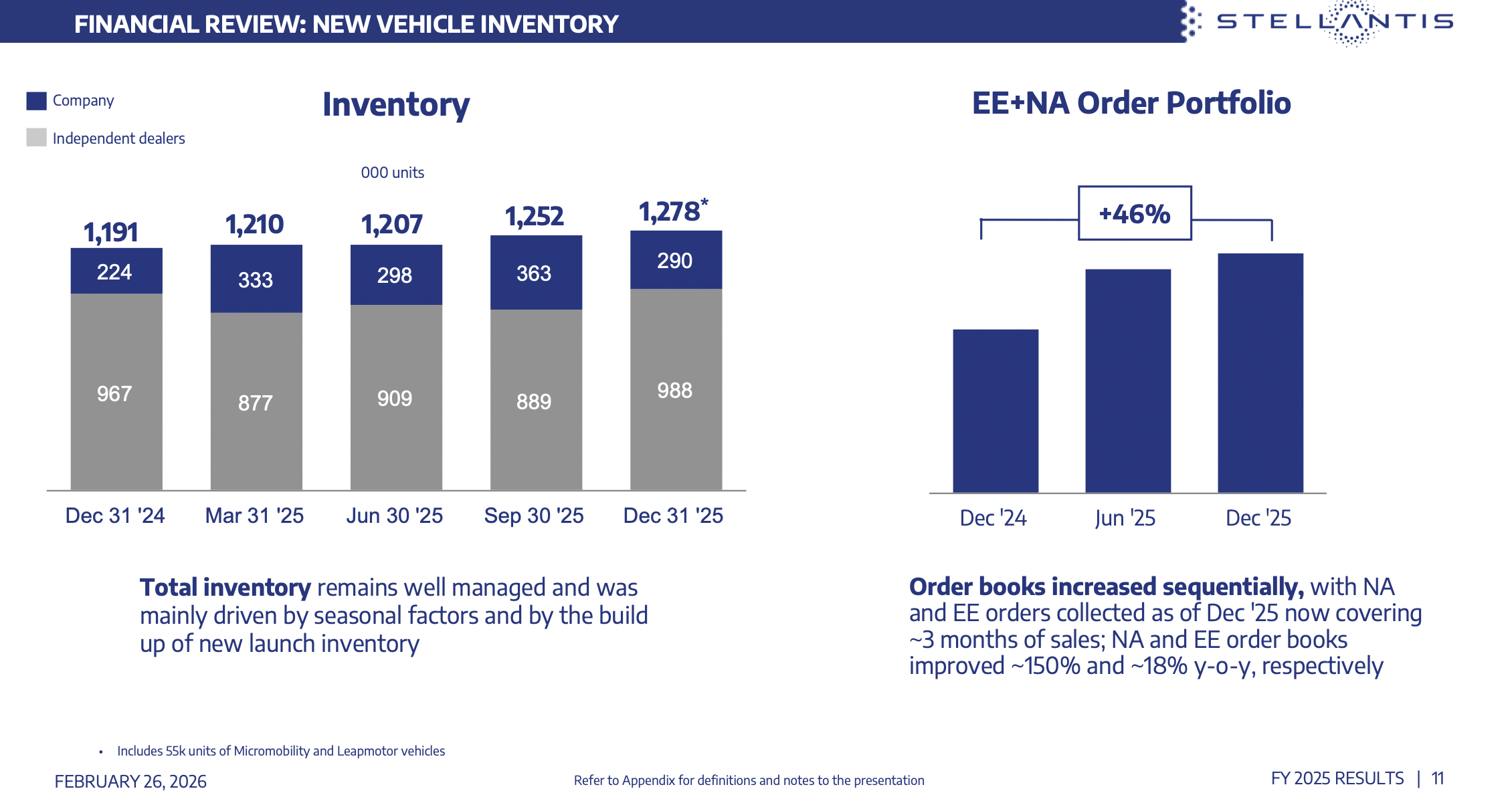
Per mancanza dei componenti lo stabilimento Stellantis di San Nicola di Melfi sospenderà la produzione giovedì 26 febbraio Nuovo stop alla produzione nello stabilimento Stellantis di San Nicola di Melfi per giovedì 26 febbraio. Il motivo che aveva già portato all’analoga condizione ad inizio settimana è sempre quello della mancanza di componenti. Fattori che erano una ordinaria condizione negli anni passati soprattutto nella fase in cui la richiesta del mercato internazionale di semiconduttori era talmente elevata rispetto alla produzione che aveva compromesso l’intero comparto dell’automotive, non escludendo ovviamente lo stabilimento lucano. Le chiusure attuali invece sono causate dalla mancanza di diversi componenti su tutta la linea. Le ragioni bisogna cercarle nella parziale ripresa produttiva, avviata da una fase di riorganizzazione e segnata dal ritorno del terzo turno (notturno) per alcuni reparti, finalizzato a supportare la realizzazione di nuovi modelli, tra cui la nuova Jeep Compass. Infatti mentre la crisi di Stellantis – che ha aveva causato nel 2025 un minimo storico di produzione – aveva una matrice ben definita, ossia l’avvento dell’elettrico, la soluzione per contrastare la bassa richiesta di modelli è stata quella di puntare nuovamente sull’ibrido. Strategia che di fatto ha portato ad un aumento nelle richieste. Ma il repentino cambio produttivo non ha trovato pronto il mercato, incapace di soddisfare l’immediata domanda di componenti adatti per i motori ibridi, ma non in dotazione sugli elettrici. Condizione che verosimilmente non si risolverà in poco tempo perché il vero problema non riguarda la capacità dei fornitori di procurarsi il materiale necessario, bensì la reale disponibilità sul mercato delle quantità richieste da Stellantis. Se così fosse, bisognerebbe attendere che i componenti vengano prima realizzati e poi venduti con le deduttive conseguenze sui tempi di consegna. (Antennasud.com)Molto bella la neve fresca con il sole…😊- 972 risposte
-
-
-
- 3
-
-
- aurelia
- l74
- lancia
- lancia aurelia
-
Taggato come:
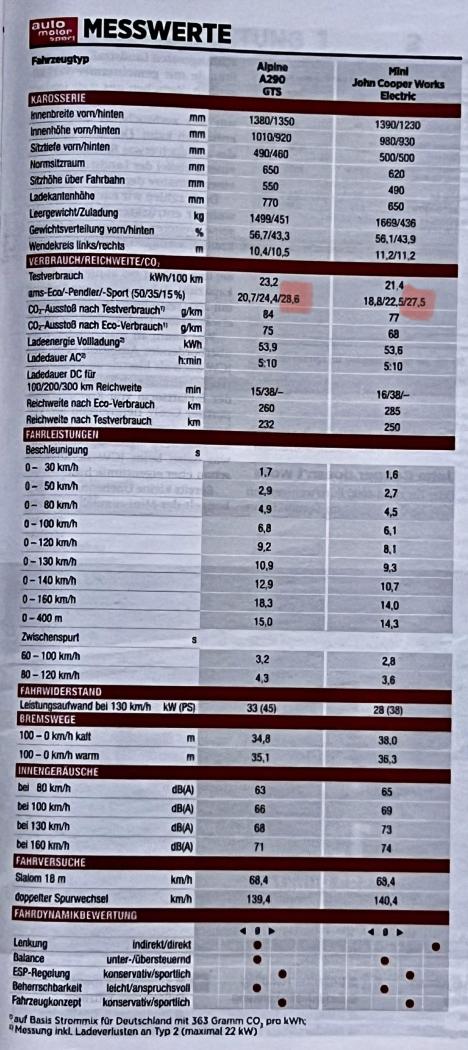
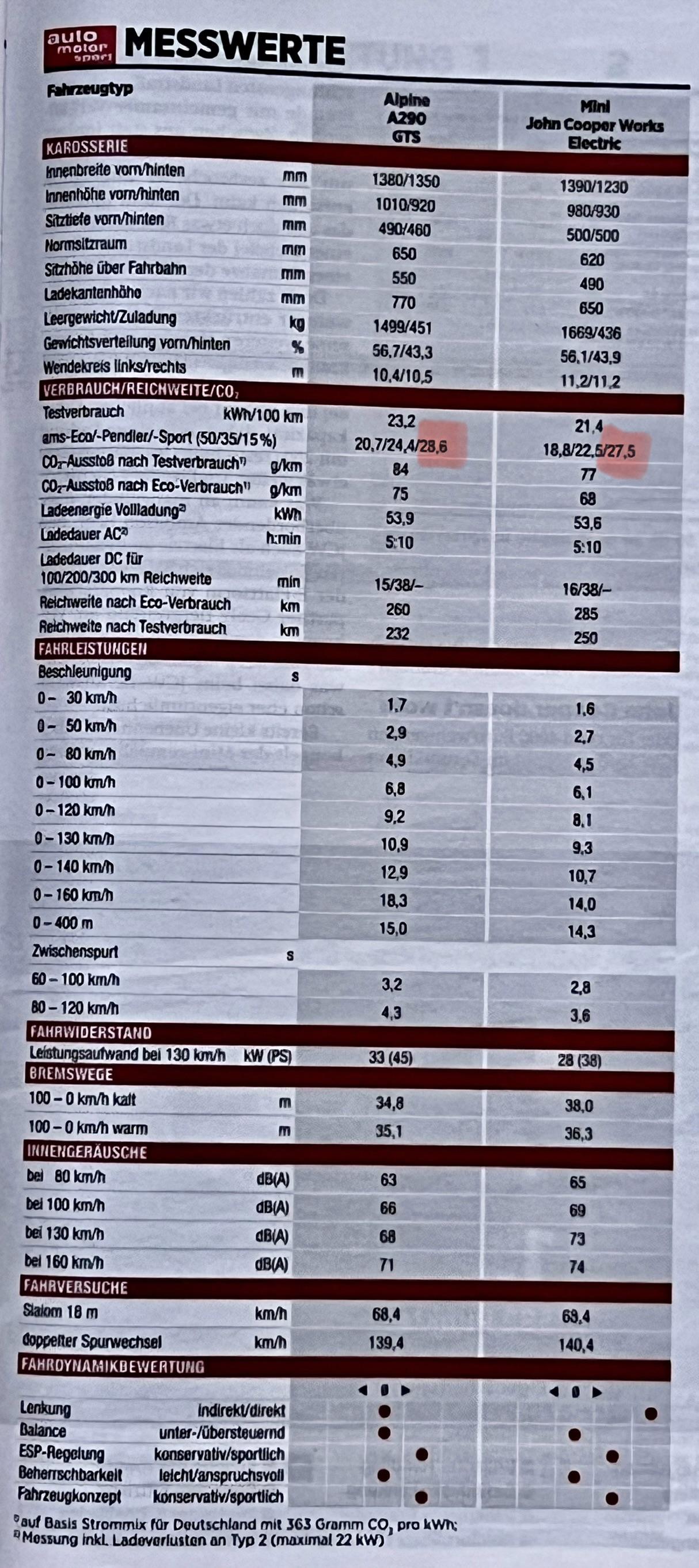
Per percorrere 370 km come descritto da @xtom , occorrono circa 2,5 - 3 ore in autostrada, ovvero un tempo che un adulto può tranquillamente sopportare senza pause per andare in bagno. Di conseguenza, anche l'auto deve essere in grado di percorrere 400 km di fila a una velocità compresa tra 130 e 170 km/h. Un 430d oppure 540d con inline-six a 3 litri è in grado di percorrere facilmente 800 km senza sosta in queste condizioni. Quindi….Mah, in una prova confrontativa die AMS delle due hothatch Alpine e Cooper Jcw queste due guidato in stile sportive hanno un consumo di ~28kWh/100km. Non credo che una HF/GSE e molto diverso. Con batteria di 54kWh usata solo 70% (10-80) hai ca. 38kWh da consumare, con 28/100km non fai nemmemo 150km di autonomia. Bion divertimento!! 😝