



Classifica Utenti
Utenti più Apprezzati
(Scegli il periodo) Utenti più Apprezzati
(Storia giorno per giorno) Classifica dall'Origine
(da Marzo 2003)
(Scegli il periodo) Utenti più Apprezzati
(Storia giorno per giorno) Classifica dall'Origine
(da Marzo 2003)

Contenuti più Popolari
Stai visualizzando i contenuti con il più alto punteggio, pubblicati in data 10/10/23 e localizzati in Risposte
-
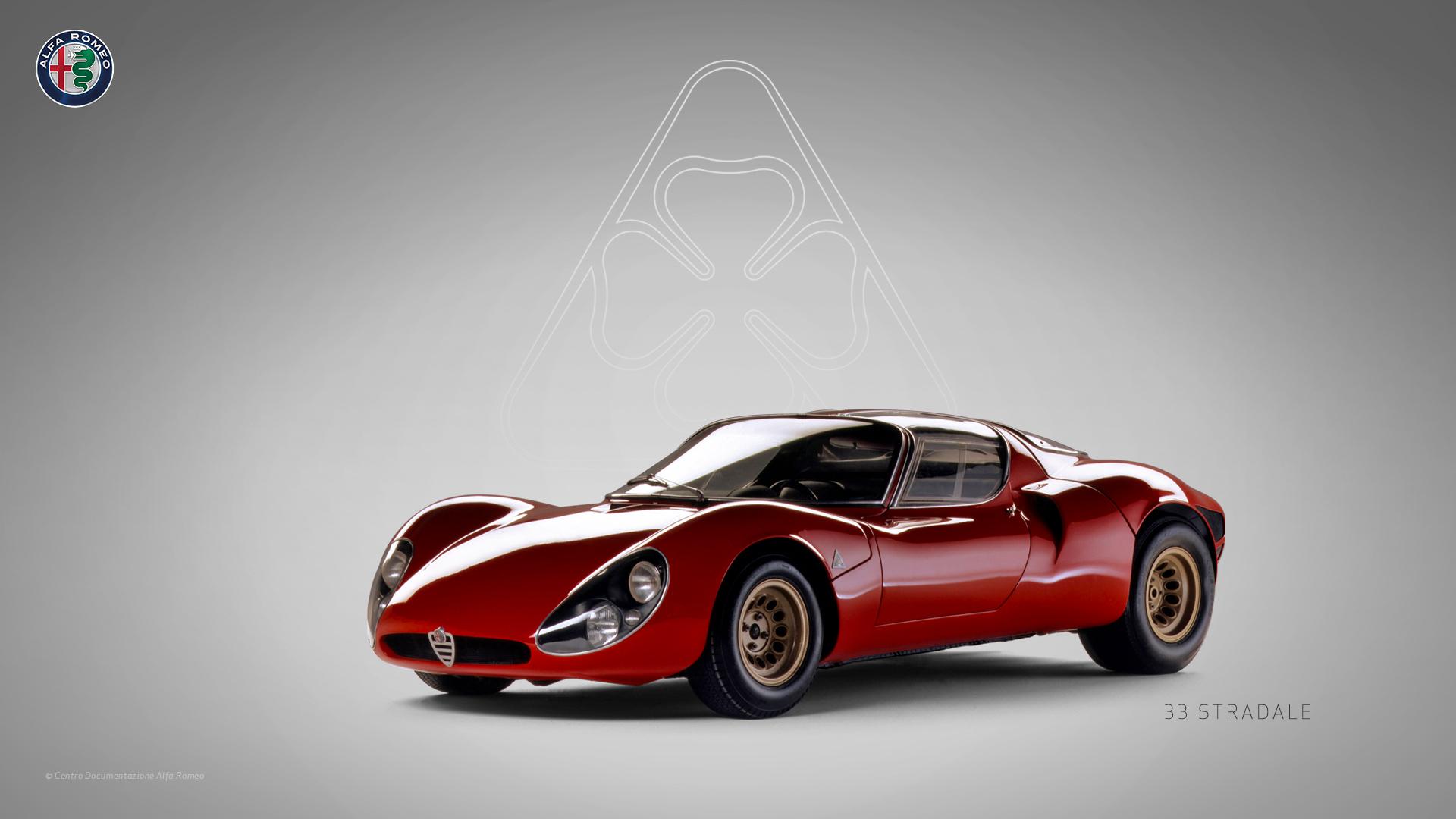
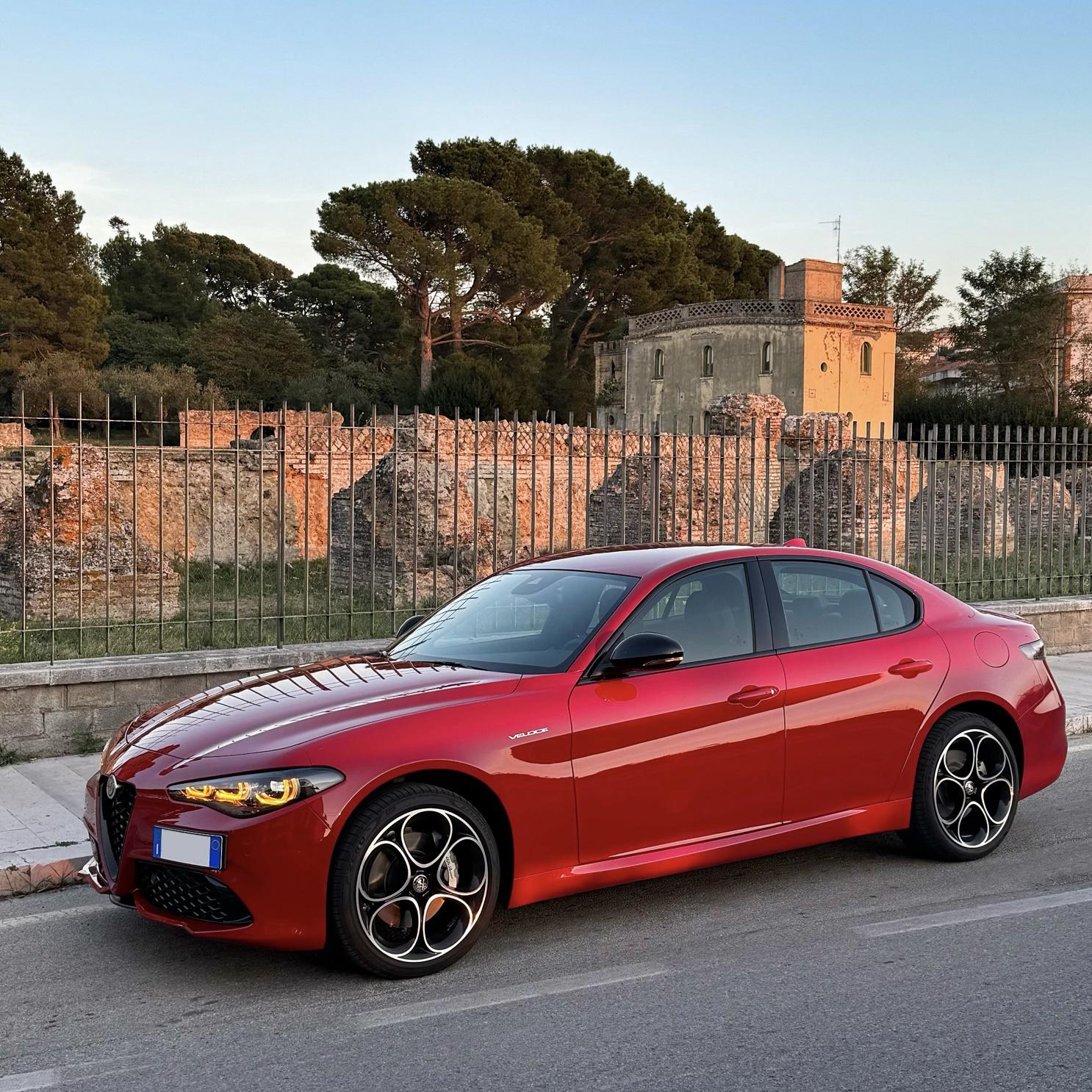
32 puntiEd eccola qui, finalmente ritirata. Ragazzi, che macchina, un capolavoro.
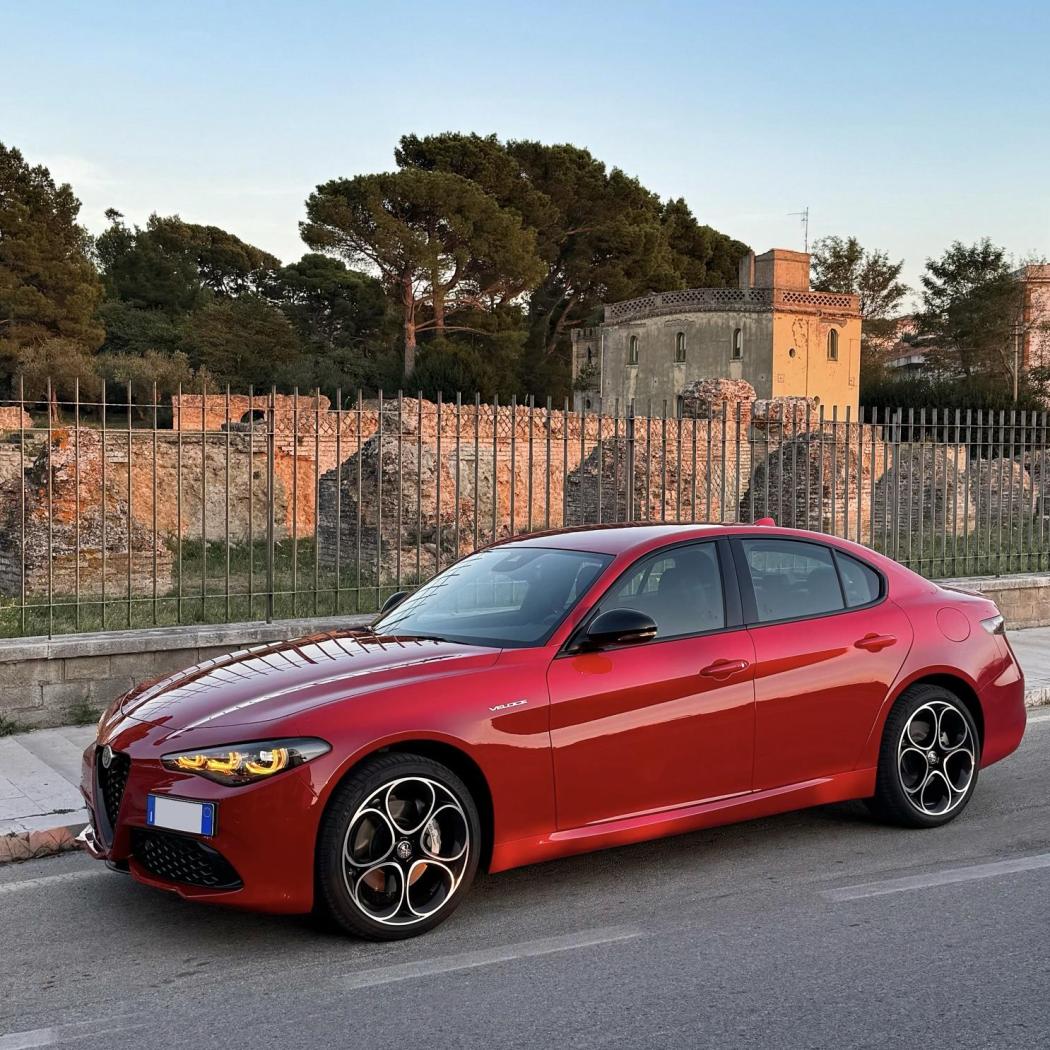 32 punti
 -
8 punti
-
6 puntiSarò di parte ma la trovo invecchiata benissimo, elegante e sportiva senza effetti speciali, improbabili kit sportivi e maxi schermi. ☏ iPad ☏6 punti
-
Dopo il successone di Grecale, spero proprio che sia chiaro che i fari della Puma siano da lasciare a Ford.5 punti
-
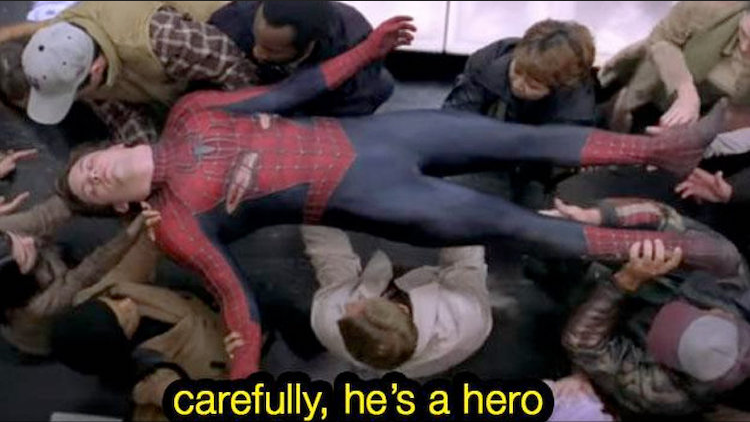
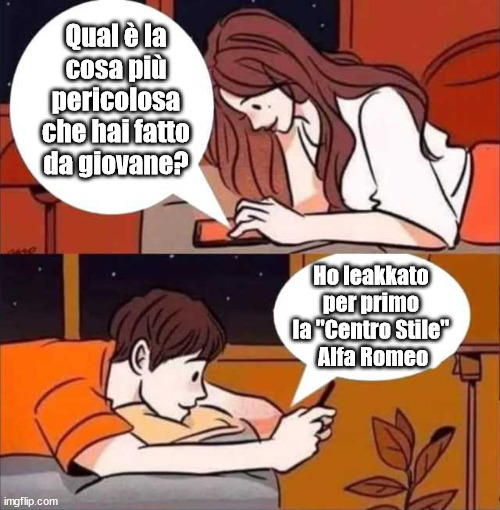
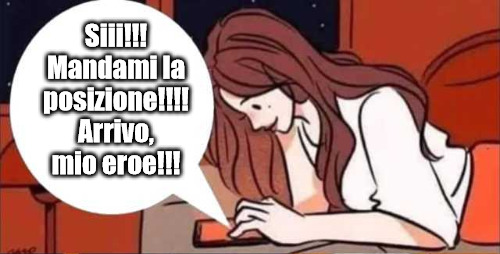
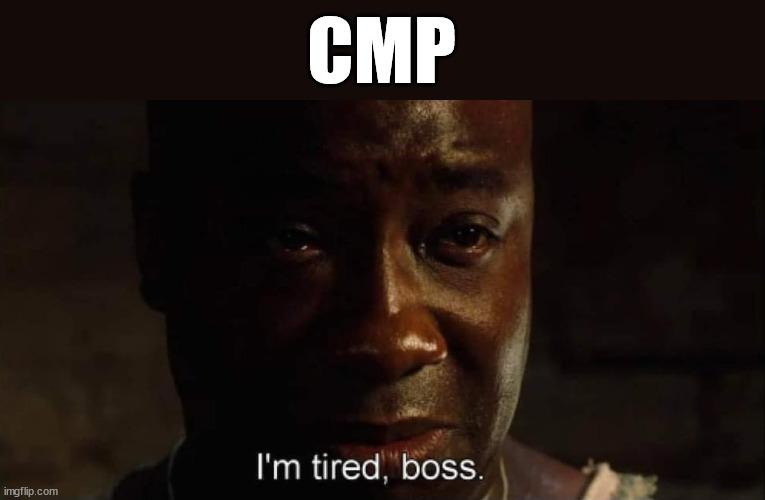
Quando penso alla CMP... "Centro Stile Alfa Romeo" è un palese tributo all'uomo che ogni giorno in cui accedo al forum mi tiene ispirato, aka @AleMcGir XD
 5 punti
 -
5 punti
-
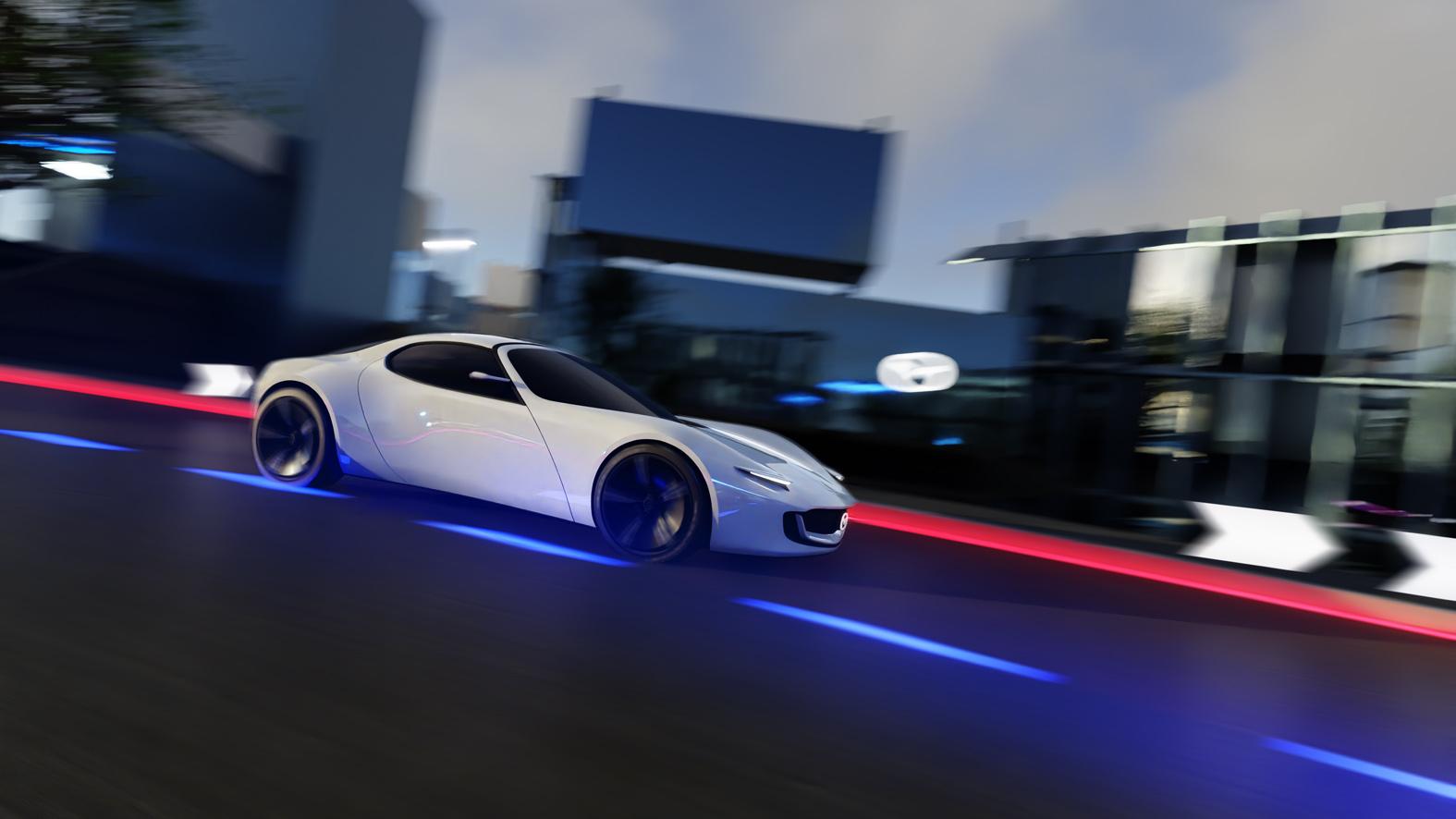
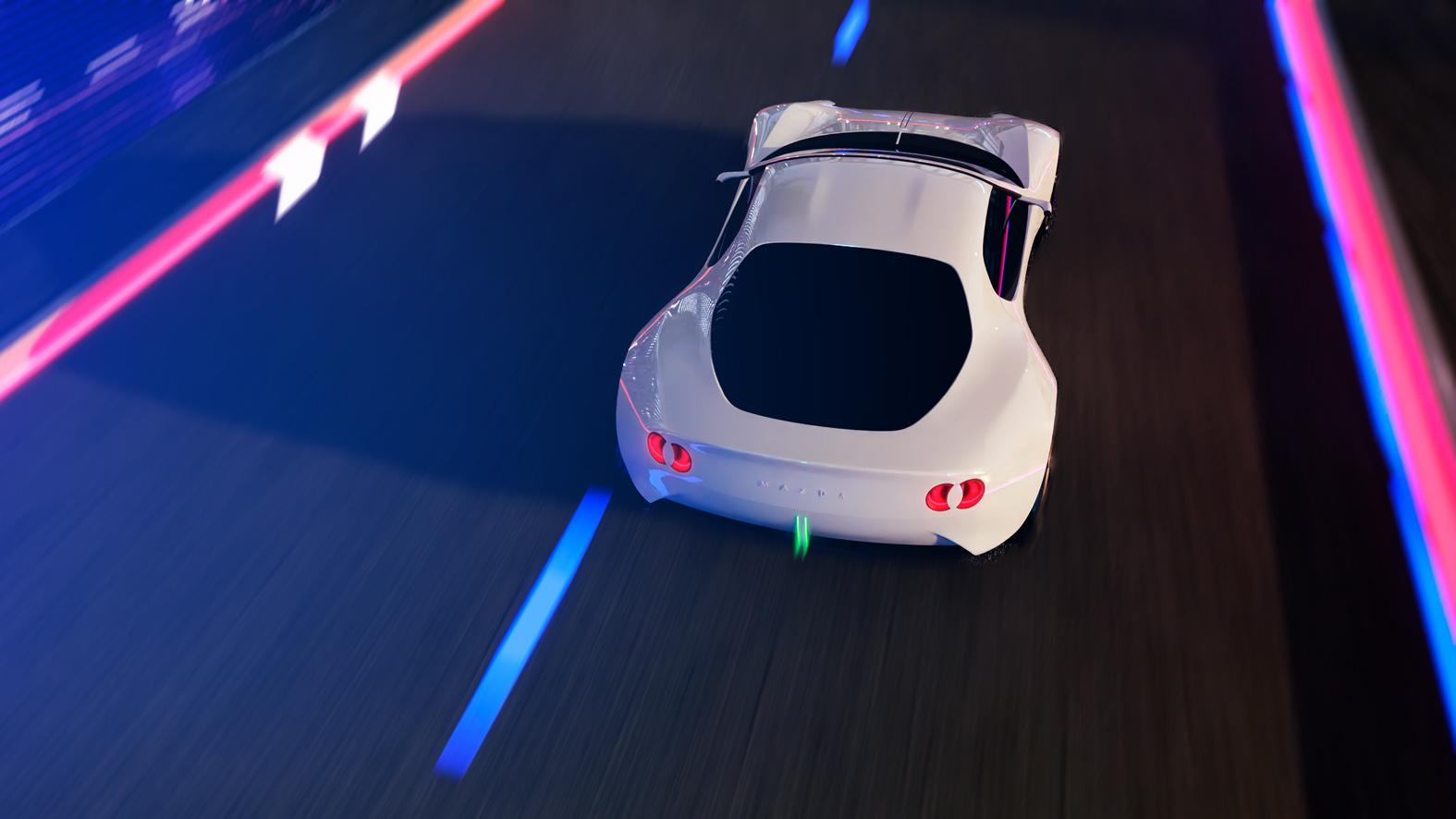
4 puntiPresentata inizialmente come modello digitale vedrà al salone di Tokyo la presentazione di quello reale
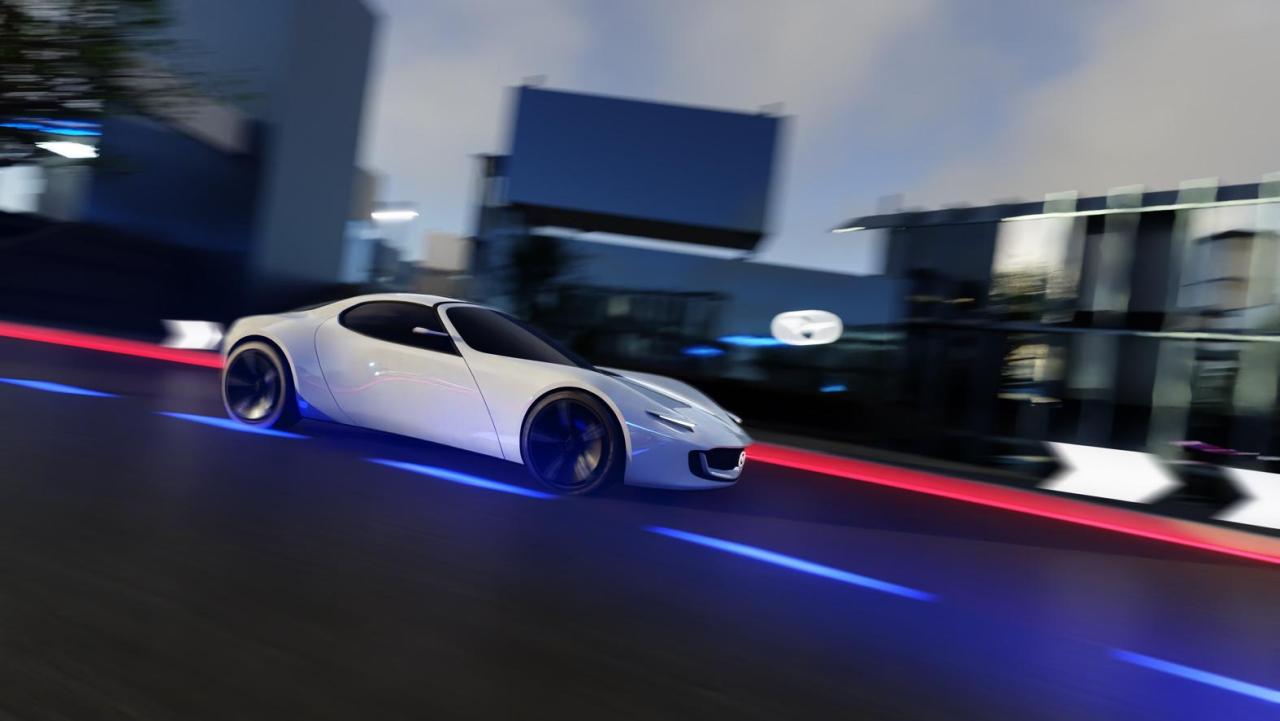
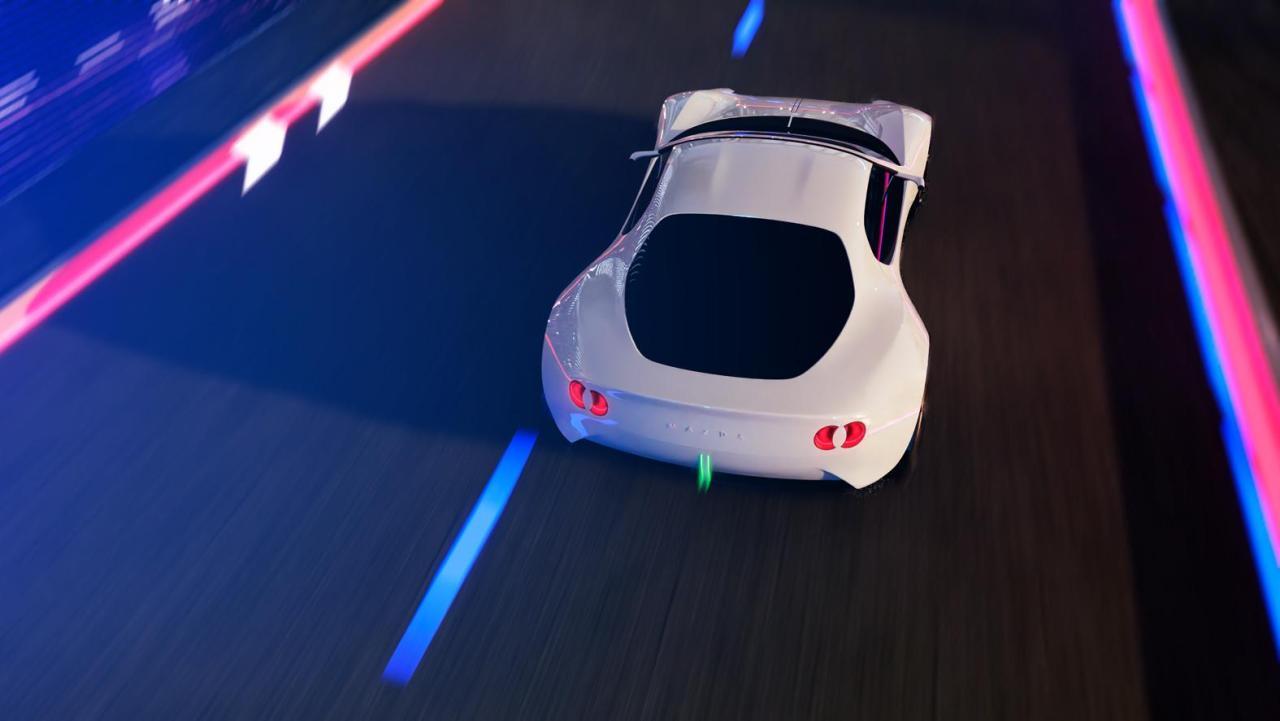
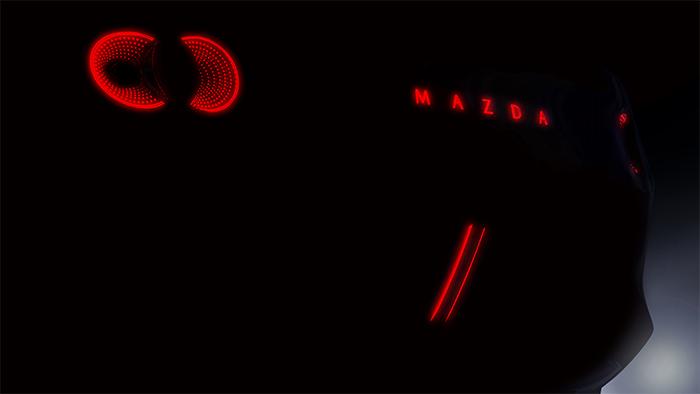 4 punti
 -
4 punti
-
3 punti
-
Ogni volta che vedo una grecale per strada mi piange il cuore di come quei fari rovinino tutto il resto. Spero che sui futuri modelli si abbandonino i fari verticali da scema.3 punti
-
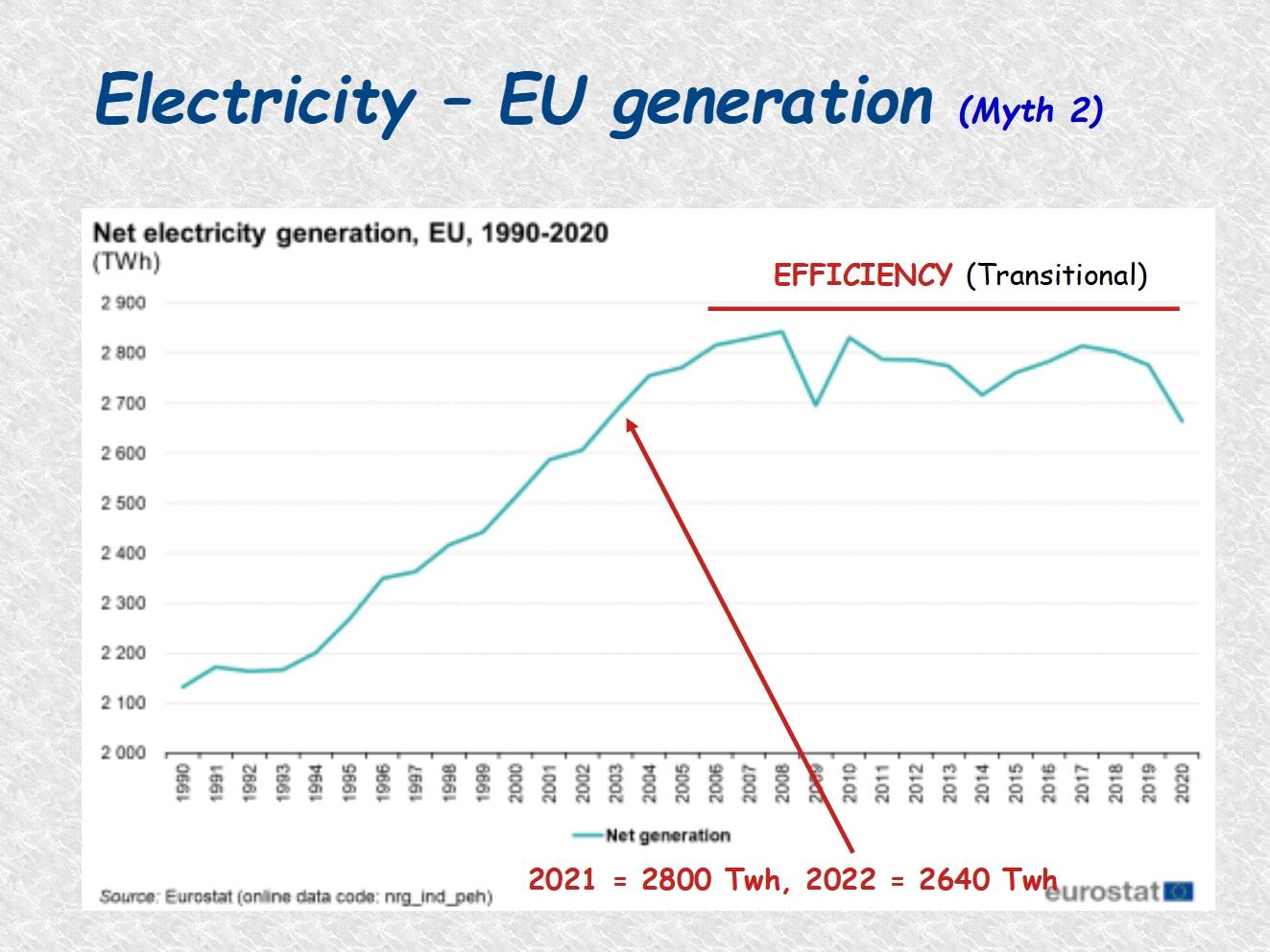
3 punti3 puntiComplimenti, è fantastica! Se è il rosso Alfa, è identica a quella per cui domani andrò a firmare l'ordine io. 😁3 puntiPeccato l’abbiano rovinata con la scritta 500 al posto del marchio Fiat. (Tra l’altro hanno modificato anche il portellone per mettere l’orribile scritta FIAT al posto del vecchio marchio) ☏ iPad ☏3 puntiVisto che per l'anno 2023 è in arrivo il dato di consumo elettrico EU e navighiamo verso il dato di 21 anni fa, i consumi 2002, circa 2600 TWh. https://www.qualenergia.it/articoli/rinnovabili-copriranno-tutto-aumento-domanda-elettrica-2023-2024/ Colgo quindi l'occasione per un'altra mia slide da mia lecture, per i profeti di sventura sugli insostenibili consumi in salita verticale dovuti alla Rivoluzione Elettrica (non solo auto). Le vendite di BEV e PHEV sono in salita da anni e nel 2023 primo semestre in EU il 15% delle auto vendute sono BEV. Ma non è certo tutto lì che è stato elettrificato: diffusione estrema di climatizzatori, pompe di calore, etc... Dovremmo vedere già da anni i segni di collasso delle reti e produzioni. Invece no. I consumi elettrici EU sono fermi da oltre 20 anni. Quale dettaglio ci siamo dimenticati: l'efficientamento delle utenze. E non certo per motivi ecologici, ma di soldi e per sviluppare utenze sempre più potenti (pensate solo ai consumi dei chip di qualsiasi cosa) e performanti, ma che non dessero problemi di dispersioni termiche o consumi eccessivi tecnicamente non sostenibili.
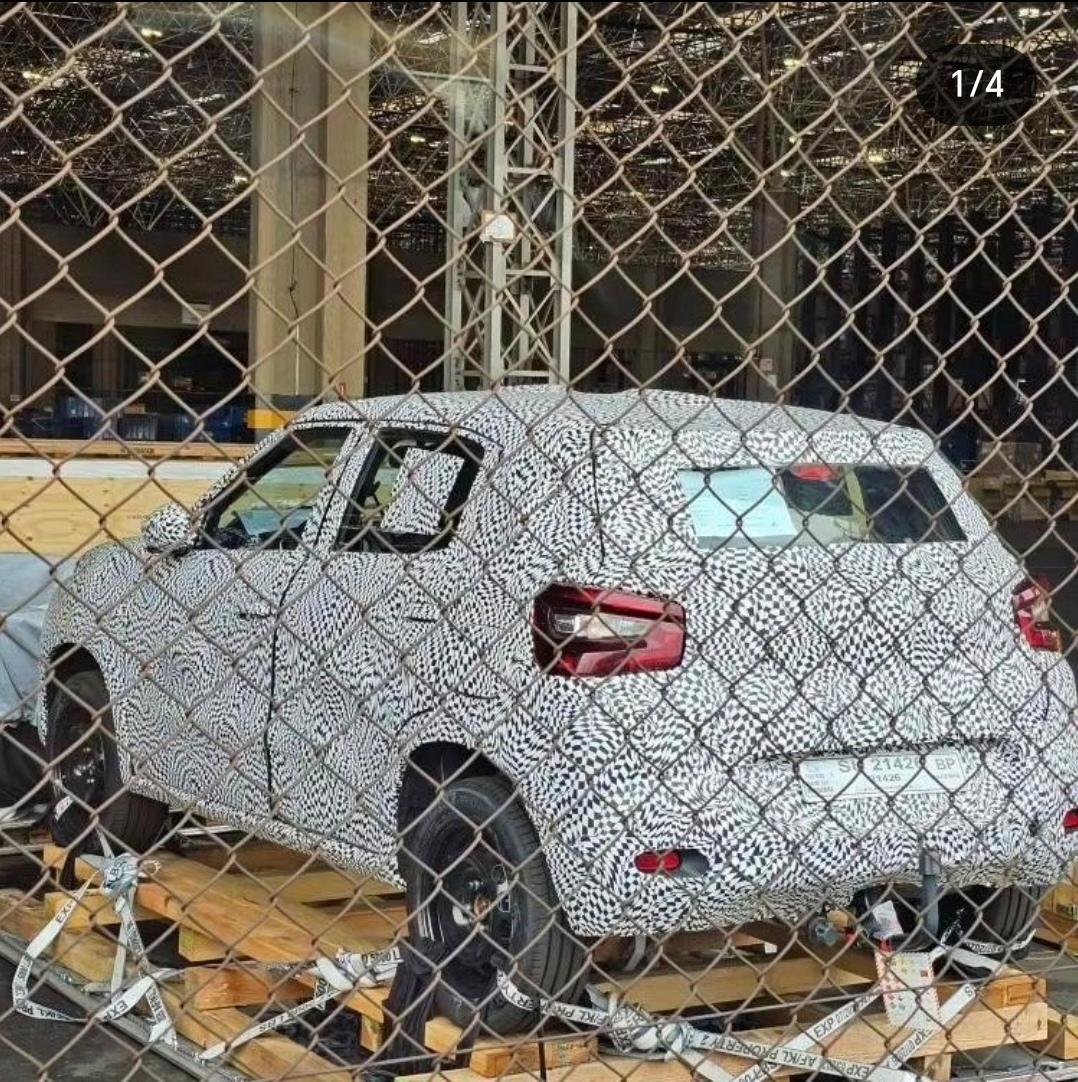
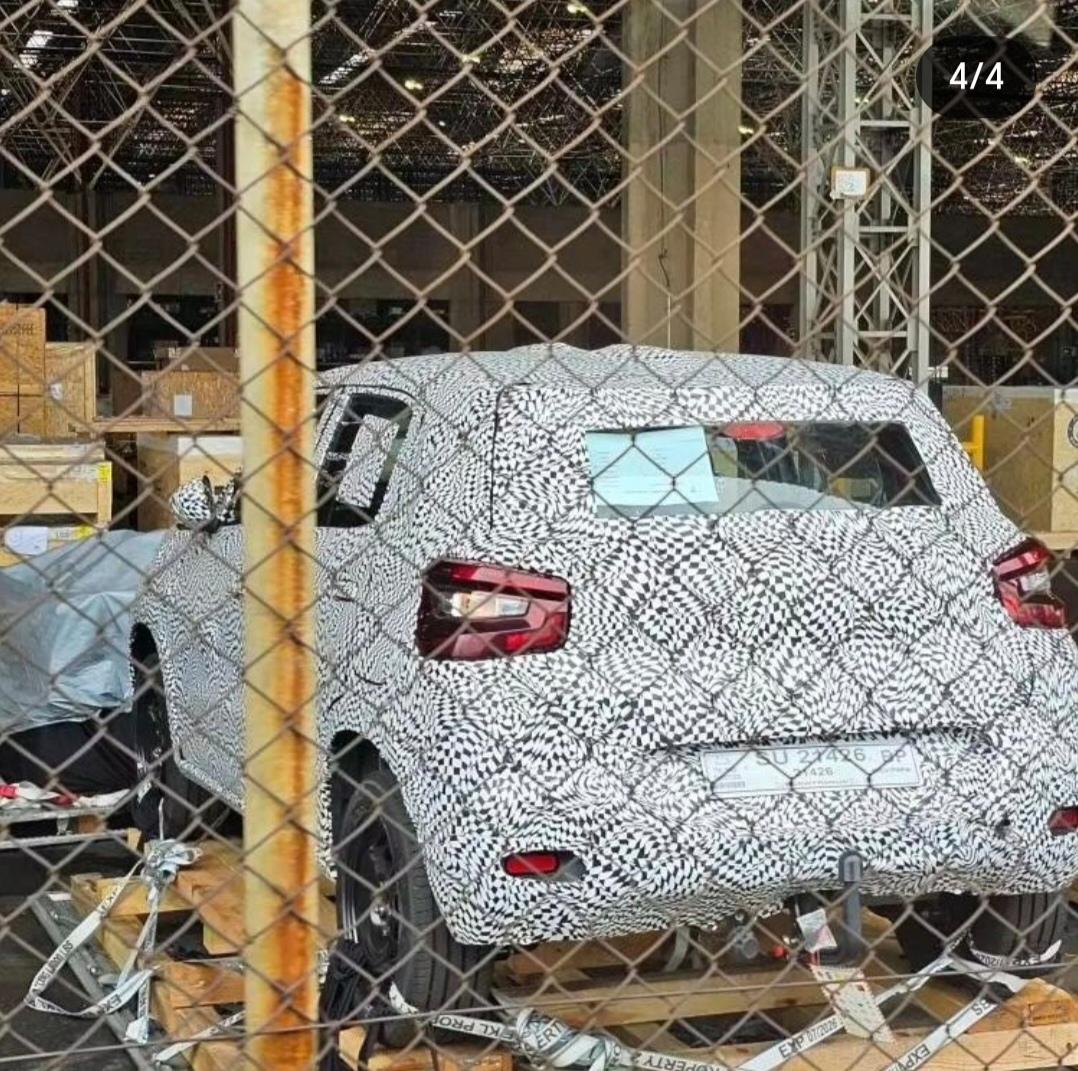
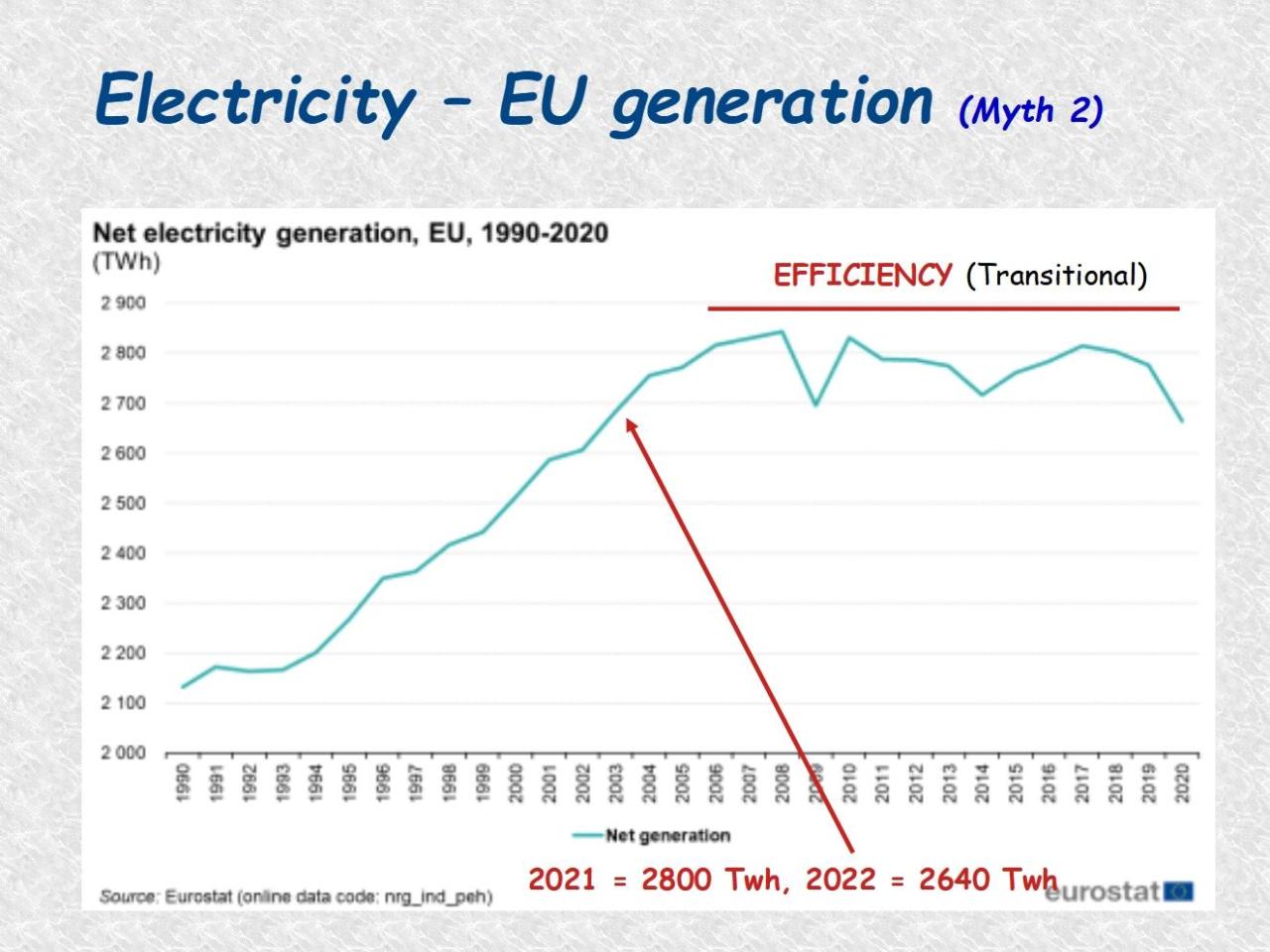 3 punti3 puntiSono auto che si portano dietro storie e ricordi, per quello non si vendono anche se si usano molto poco (anche per non rovinarle). I ricordi non si possono noleggiare.3 punti3 punti3 punti3 puntiObiezione vostro onore!! Tecnicamente doveva essere un meme dedicato ai b suv su base cmp, ma siccome Lancia non avrà un b suv(per il momento XD) basato su cmp, gli ho ficcato a forza la Ypsilon che è semrpe su cmp. XD Per rappresentare Opel basta la mokka, mentre per Citroen ad oggi su cmp ha in gamma la c4. Ci sarà il prossimo anno la c3 che però è su un cmp ulteriormente impoverito(quindi non è proprio la stessa cosa dei cmp dei b suv riportati in foto). 😆 __P non lo cito, metti che si arrabbia. 🤣2 puntiForse era in Italia per test, il vin è indiano… O avranno installato qui in Italia una batteria più grande visto che l’indiana ne ha una da 29 kWh2 puntiA parte il render con pezzi preso un po' ovunque, mi auguro come tanti altri un ritorno ai fari orizzontali2 puntiNuova C3 spedita dall'Italia al Brasile per test di handling (sterzo, sospensioni...).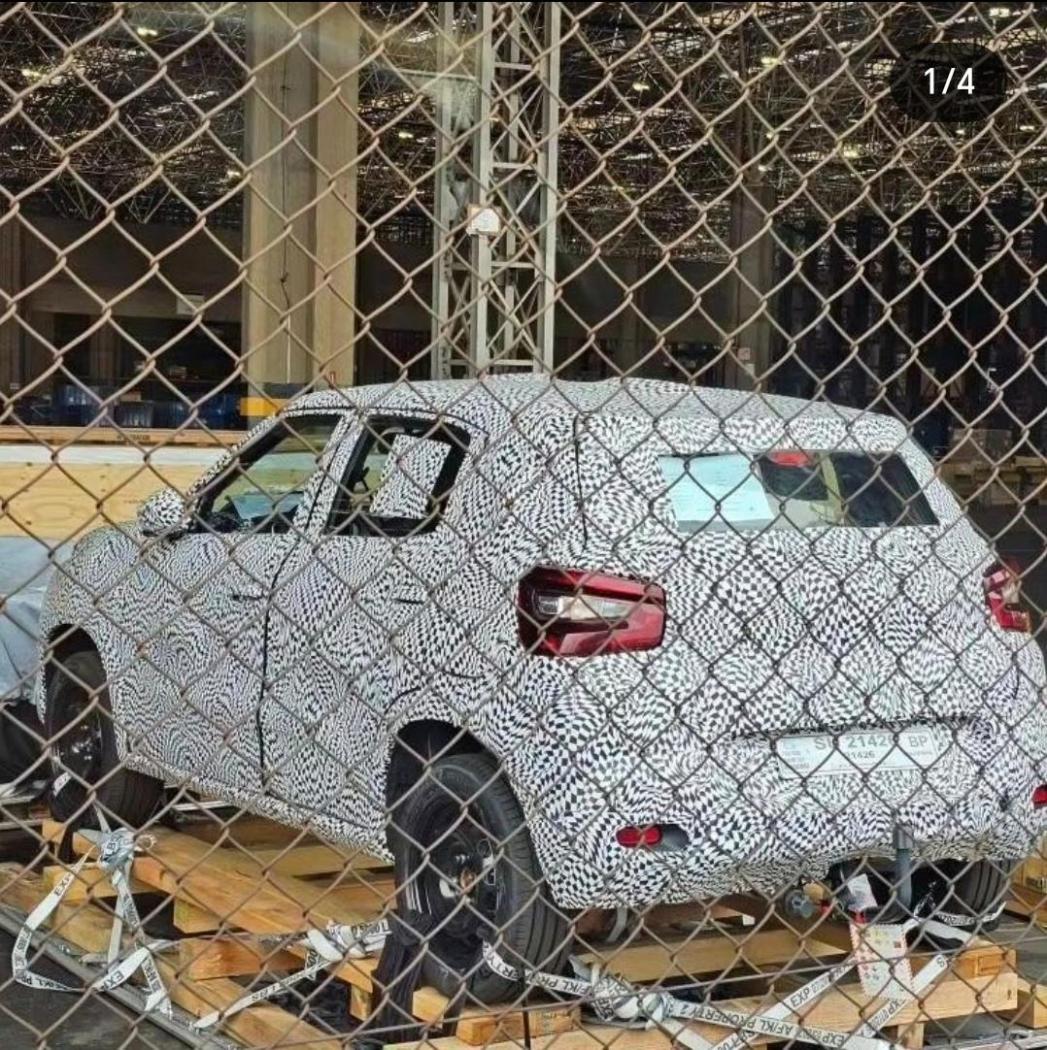
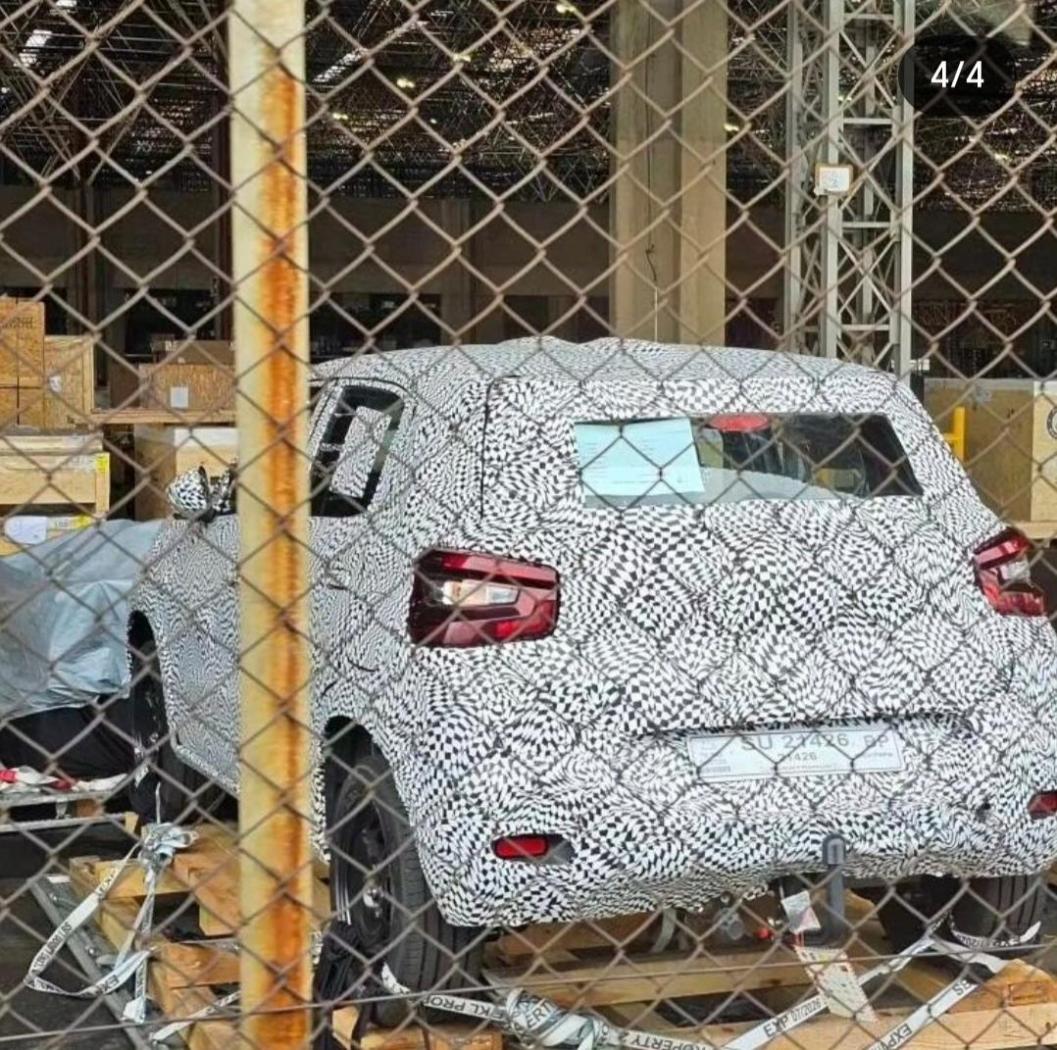
 2 punti2 puntiOppure potrebbero semplificarlo, senza andare a cambiare tutti quei parametri. Basterebbe agire solo sul peso per rallentare o per far andare più forte una macchina.2 punti2 punti2 puntiDitemi che il VAN è diesel così mi faccio una risata.....2 punti2 puntiÈ fatta in Cina… già anni fa gridarono allo “scandalo” per l’entrata in servizio all’Eliseo dei Peugeot Ludix fabbricati in India 😂 La DS7 presidenziale è a passo lungo, le blindate normali sono dei collaboratori/scorta2 punti2 punti2 puntiBasta che la piantino con l’atteggiamento da talibani verdi e ci mettano una alternativa ibrida e Cassino rivede i 100,000 annui e Pomigliano con le segmento C del gruppo sarebbe salvo2 puntistando alle ultime indiscrezioni ho messo insieme in pochi minuti questa
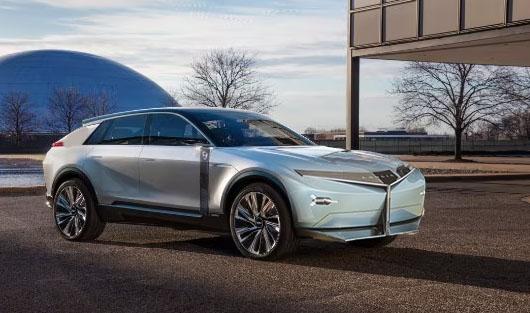 2 punti2 punti2 puntiNo dai, Rizzica tra voce fastidiosa, freddure che capisce solo lui, simpatie assurde (la Calderon ad esempio) e imprecisioni vare è (per me) il male assoluto!! 😅 ps, in Rai ricordo la bella ma breve parentesi della Cardinaletti, durata poco per passare al calcio prima ed ai TG poi2 puntiNooooo, hai spoilerato l'ispirazione del prossimo modello del team Bottega 😭 3 mln di euro, base e-Ducato2 punti2 puntinon solo le piccole, anche le medie. Esempio di una esperienza personale: ca. 5000km in zona collinara/montanara in Italia con 420d Cabrio (G23), consumo medio 4,8l/100km. altro anno con C180 downsizing benzina (Prestazioni significante peggiore rispetto 420), stessa distanza, stessa zona - consumo medio 7,5l.2 punti1 punto1 puntohttps://www.caranddriver.com/news/a45494986/ferrari-296-acceleration-tested/1 puntoSpero che sia visto da più forumisti possibili per poter, una volta per tutte, separare l'elettrico (che praticamente ancora non esiste tranne la 500) dalla disoccupazione e il licenziamento dei lavoratori da Stellantis (11000 solo negli ultimi 3 anni). Elettrico e disoccupazione c'azzeccano come i fichi su la pasta panna e funghi.1 puntoEntro giugno in concessionaria. Magari tra aprile e maggio mandano in tour l’invendibile (la Bev).1 punto1 puntoEarly adopter erano quelli che hanno comprato una Tesla S 10 anni fa, quelli che oggi comprano Taycan, i4, Q8-etron, EQE ecc. sono quelli che cambiano/devono cambiare da una macchina ice ad una bev perche l'azienda per qule lavorano non lascia alternativa, perche i loro clienti aspettano che diventerano piu "green". Ho amici con aziende piccole che lavorano/fanno affari per/con aziende grandi, in questa situazione non e piu possibile di ignorare il "carbon footprint" della tua azienda, altrimenti non ricevi piu ordine del tuo cliente grande. La pressione sociale e aumentato significante in questa direzione.1 puntoo basta farli correre in altri periodi dell'anno....fa ridere che in una f1 così attenta a non danneggiare l'ambiente si metta a rischio la vita degli uomini così (in uno sport che è già pericoloso di suo)1 puntoI macchinisti dei treni dovrebbero essere tutti morti da tempo in base a questa teoria, contando anche la diversa intensità.1 puntoHorner: “Dobbiamo parlare a Perez. Fortuna che Hamilton si è ritirato…” Le parole di Horner “Ancora una volta, c’è stata un’ottima prestazione da parte di Max“, ha commentato subito dopo la gara del Qatar il team principal della Red Bull. “Ma dobbiamo parlare con Sergio sul perché abbia avuto così tanti problemi a rispettare i limiti della pista, che gli sono costati diverse penalità“. “È stato un weekend duro per lui e un Gran Premio difficile. Per fortuna in gara Lewis Hamilton non ha ottenuto punti e Fernando Alonso è arrivato solo sesto. Quindi Checo è ancora secondo nella classifica provvisoria del campionato, ma ha un urgente bisogno di ritrovare la forma di un tempo“. E qualora non la trovasse, sarebbero problemi seri a prescindere dalla presenza di un contratto fino a fine 2024: in Red Bull si fa presto a passare da carta legale a carta straccia. https://www.formulapassion.it/motorsport/formula-1/horner-perez-dobbiamo-parlare-red-bull-qatar Dobbiamo parlare
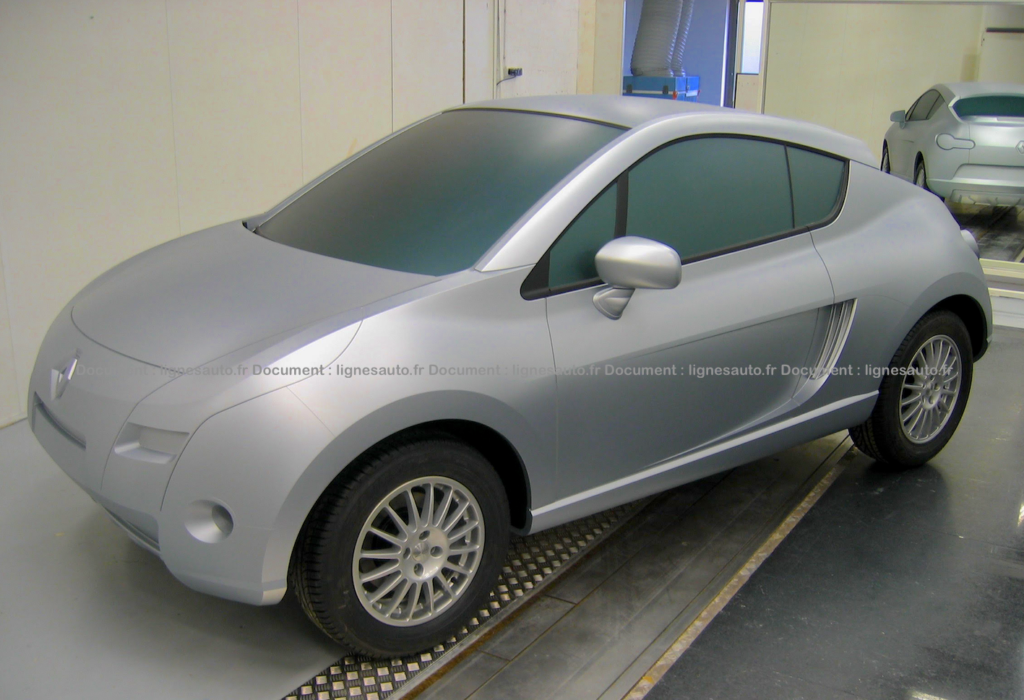
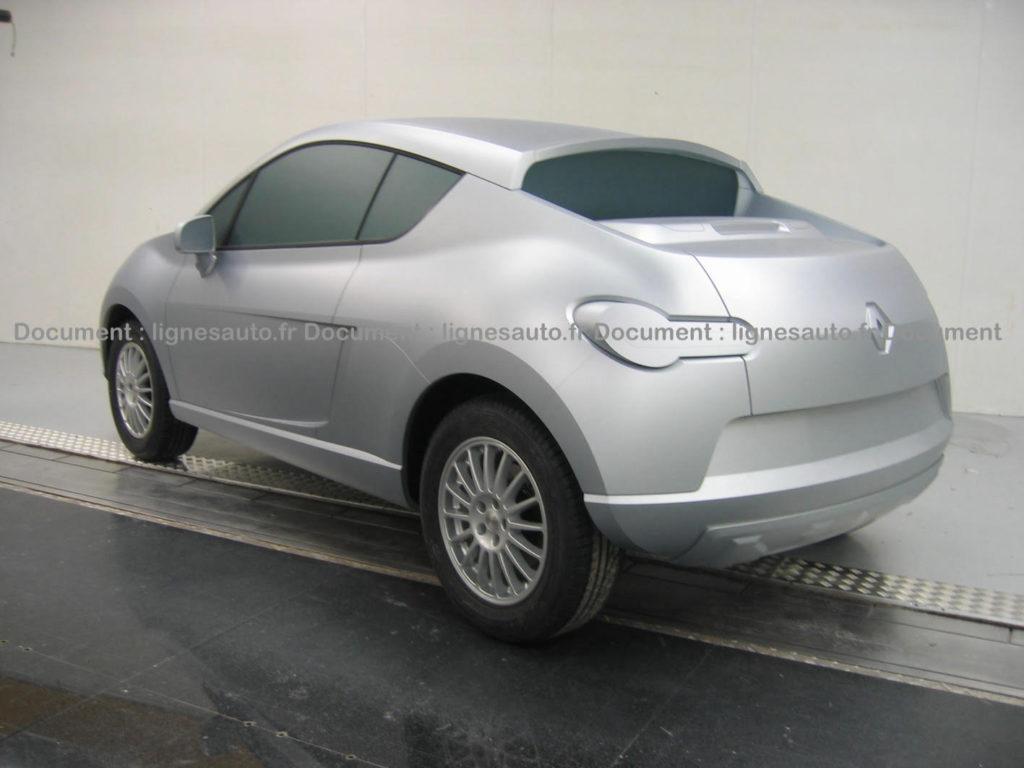
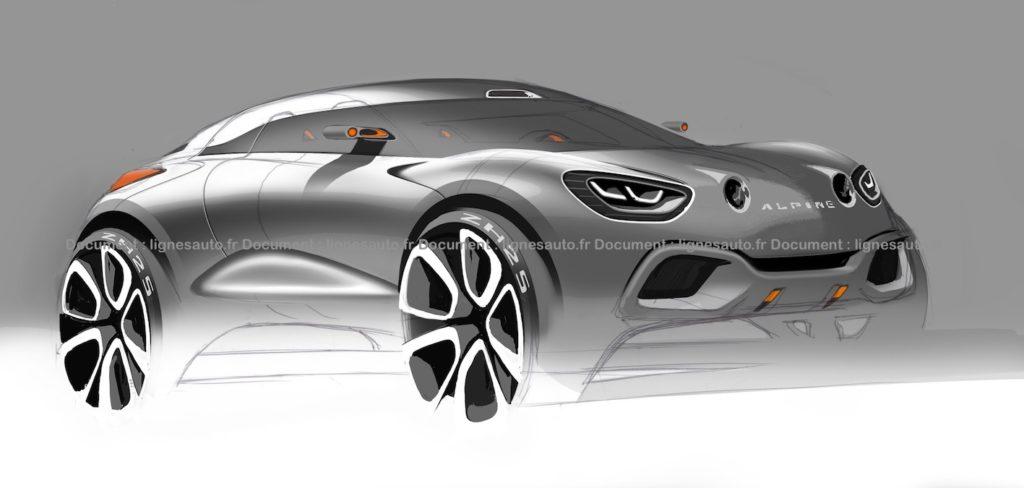
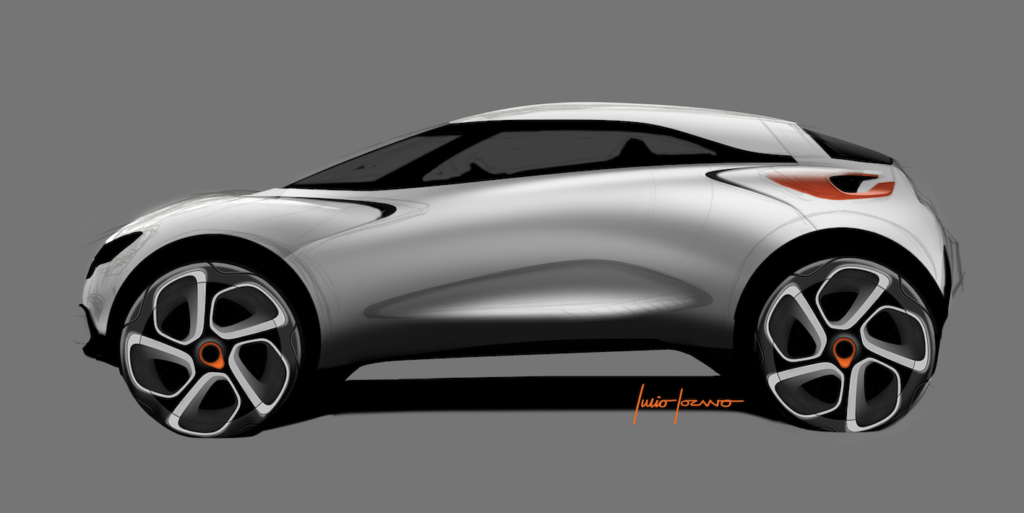
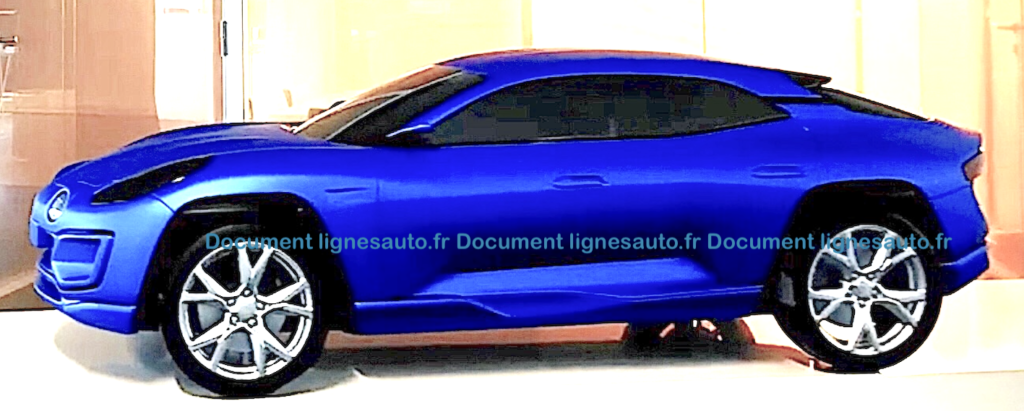
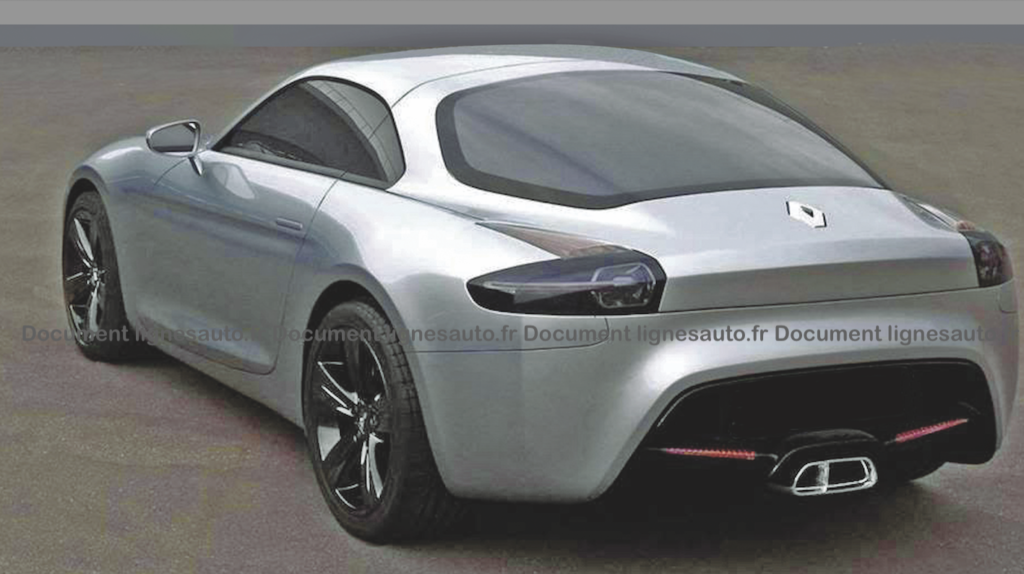
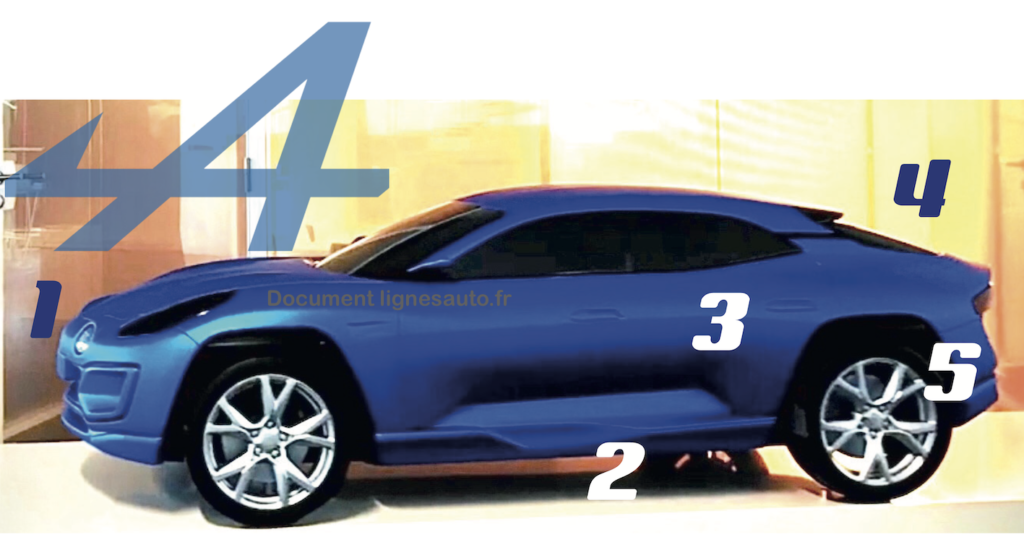
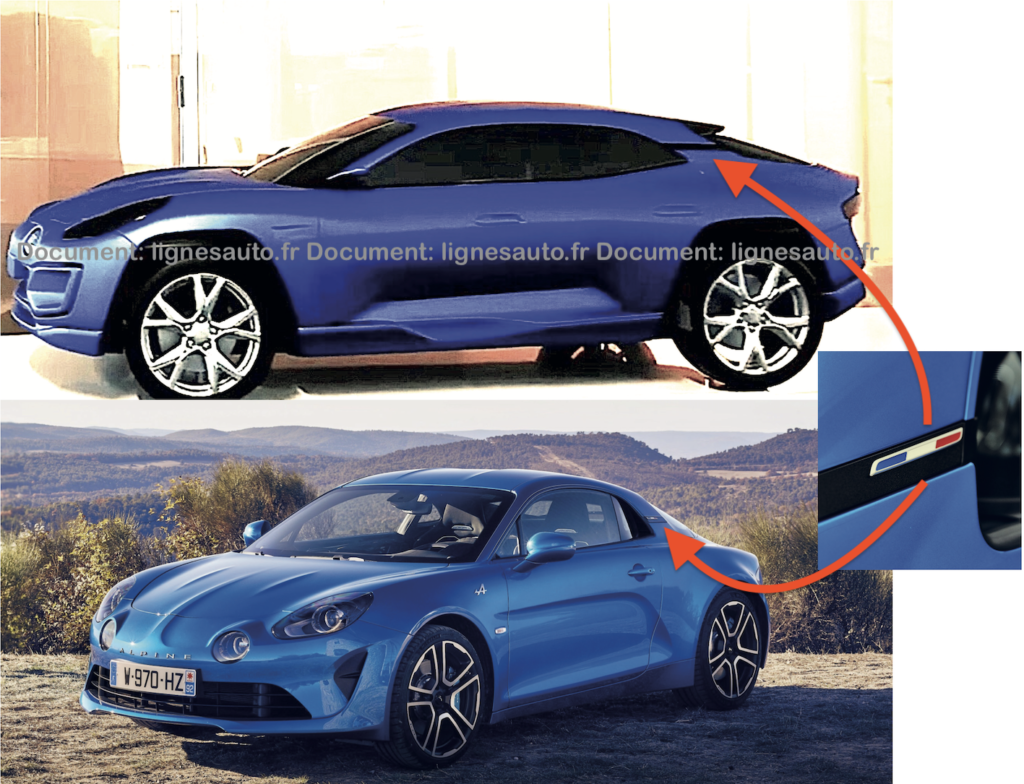
 1 puntoL'ho presa per scelta manuale, per non aver timori con il dsg in caso di riscatto, cosa che farò visto la buona esperienza con l'auto, il prezzo del nuovo e il covid e maternità di mia moglie che ha abbassato notevolmente la media dei km/mese. Prima citavo il dsg. Ammetto che i prodotti VAG li ho provati in diverse salse e con gli attuali TSI e TDI, la mia scelta va sempre sul DSG, però a torto o a ragione ho voluto ragionare a lungo termine e pensare che ciò che non c'è non si guasta. Detto ciò, sembrerebbe affidabile. Consiglio se la prendi nuova. Ormai è consolidata da qualche mese la cosa, ma a sorpresa chi l'ha ordinata senza virtual cockpit se la è trovata consegnata con questo optional. Bene dirai? Ni, perché in pratica è il base, quindi senza le opzioni disponibili per chi invece l'ha ordinato per davvero. Un optional invece che ancora oggi non so se ho fatto bene o meno a prenderlo è il vario flex; di fatto hai tendalino copri bagagli più tre sedili indipendenti e smontabili, però a memoria ti perdevi il comodo bracciolo/oblò nel sedile centrale. Lato guida, ha un bel feeling allo sterzo, dietro meno, non so se è colpa dell'interconnesso o meno, diciamo però che se gommata bene, si guida bene anche tra le curve; intendiamoci, non è un'auto da passo di montagna, ma sulla Cisa o Serravalle si viaggia bene e in sicurezza.1 punto1 puntoEcco la storia dei SUV Alpine mai nati 1979: the SUV VVA: Véhicule Vert Alpine (Green Alpine Vehicle) While the Matra Simca Rancho, born in 1977, had not yet celebrated its second birthday, Renault stylists came up with an Alpine-badged leisure vehicle in 1979. This was the VVA: Véhicule Vert Alpine. Michel Jardin and Marcello Gandini were responsible for the styling of the first proposals. Jardin opted for a design that provided plenty of light on board. More than just a direct counterweight to Matra, the VVA project aimed to find a business for the Alpine factory in Dieppe, as the numerous development projects for the range had all met with setbacks. “We chose Alpine because, with their light and inexpensive industrial resources, it would have been possible to test the market without too heavy an investment. This Alpine was to have four-wheel drive, unlike its Matra Simca rival. In 1980, the project changed direction… 1980: the VGR: Alpine pulls out of the project This new approach, which aimed for a more international vehicle with a more distinctive design, was led by some fine Italian names, not least Marcello Gandini. He proposed two variants of the VVA project, which lost its “Alpine” name to become the VGR (Véhicule de grande randonnée). Mario Bellini studied a plush interior for Gandini’s second proposal, which had a very Range Rover feel to it. But AMC entered the fray when it became part of Renault, and Bernard Hanon, the boss, had other plans for the Jeep range. The VVA and VGR will remain prototypes. 2005: the W16 project, a compact Renault-Sport “Alpine” SUV Alpine, which Louis Schweitzer killed off in 1995, is still very much alive in the minds of many designers at the brand new Technocentre in Guyancourt, where the Renault group’s design offices are based. Although the Renault-Sport label has replaced the Alpine brand, it goes without saying that many people live and breathe Alpine every day! The small 2+2 seater mid-engined SUV designed in 2005 under the code name W16 single-handedly invented the idea of a compact crossover. It was designed for Renault-Sport by designers who imagined an Alpine. One that would have revived the legend. This crossover project opens up new horizons. It should be remembered that the Berlinette Z11 (the potential return of the Alpine name to the Renault group) had been close to production. And this sports coupé from the 2000s, which should have been presented in 2001, already had a look that was very different from the idea people had at the time of Alpine’s return to mass production (see below). It was already a sort of ‘mix of genres’. A crossover, then… Unfortunately, this Z11 project, like the W16, never came to fruition. But Alpine lovers have not said their last word. 2011: the “ZH-25” was to become Alpine’s first crossover Codenamed ZH-25, the second concept car from the Laurens van den Acker era in 2011 (after the DeZir coupé, which also featured the Alpine logo for a time), hides the Renault Captur concept car. As you can see from the project drawing below, the concept car team is once again attempting to apply the Alpine logo. This design for a dynamic coupé crossover, with its round headlamps set between two sharp headlights, could well have been part of the Alpine range. But the Alpine range will no longer exist in 2011, even if there is no shortage of projects in-house. The feud between the enthusiasts of the arrowed A and those of the Renault-Sport label is not making things any easier. In this internal duel, Laurens van den Acker decided that it was too early to brand one of the concept cars with the Alpine logo. The ZH-25 will therefore become the Renault Captur in 2011, with an SUV derivative of the Clio that will borrow its name from the concept, but not its dynamism. The 2011 Captur already hides the genes of a potential Alpine crossover… But that’s just a postponement! 2018: the A110 SUV EXCLUSIVE DOCUMENT Seven years later, as the Alpine project finally moves towards the production of a descendant of the Berlinette, ambitions are being stepped up a notch. Behind the scenes, people knew that the sports coupé alone would not allow the brand to survive. However, the boss at the time – Carlos Ghosn – had no intention of creating an Alpine ‘range’. Still less did he imagine the name becoming a brand in its own right alongside Renault and Dacia… So in 2017, the next-generation Alpine A110 was unveiled after a first attempt at a front-engined Nissan ZX-based Berlinetta had failed. It was the W19 project dated 2007 already published on our site (below). With the new draft A110 of 2017, the design is accurately projected in a future where the theme of “SUV” will please and, associated with the name of Alpine, imagines a “dynamic SUV”. This crossover version, of which here is an exclusive model, cannot be precisely dated, but the rear quarter panel, which is close to that of the production A110, seems to attest to the fact that it was produced almost at the same time as the A110 revival project. The silhouette of the A110 is recognisable, with a bow (in 1) featuring two additional headlamps, while the bonnet is almost flat, no doubt to accommodate the powertrain (was there already talk of 100% EV? Probably not by now…), a very long wheelbase and four doors (in 3). The body height has been raised and the aerodynamics have been applied to the rocker panels (in 2). The stature is high, while at the rear we find the characteristic design of the A110 (in 4), notably on the pillar above the wheel and the inclination of the rear window. In 5, the design appears to be very similar to that of the A110 coupé, with only the lights also being raised. For the time being, the Alpine crossover will go no further than this mock-up… All we have to date this A110 crossover model is the distinctive sign on the ‘C’ pillar, which places it at the same time as the genesis of the current A110. https://lignesauto.fr/?p=30395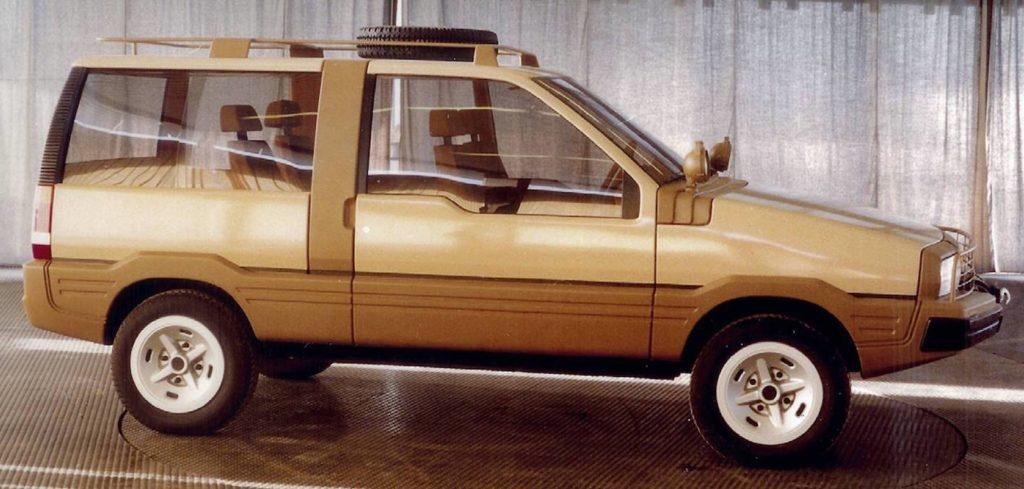
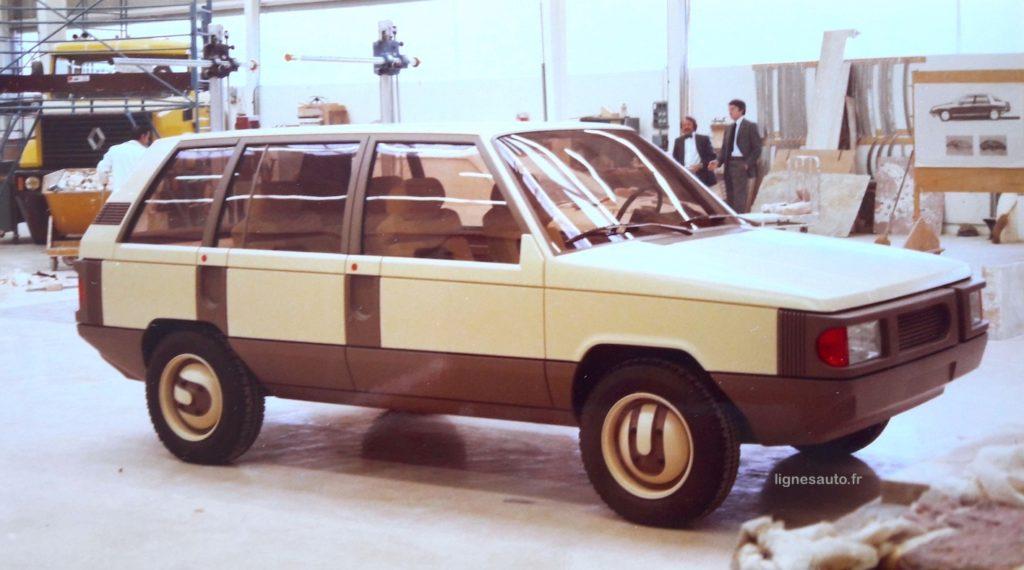
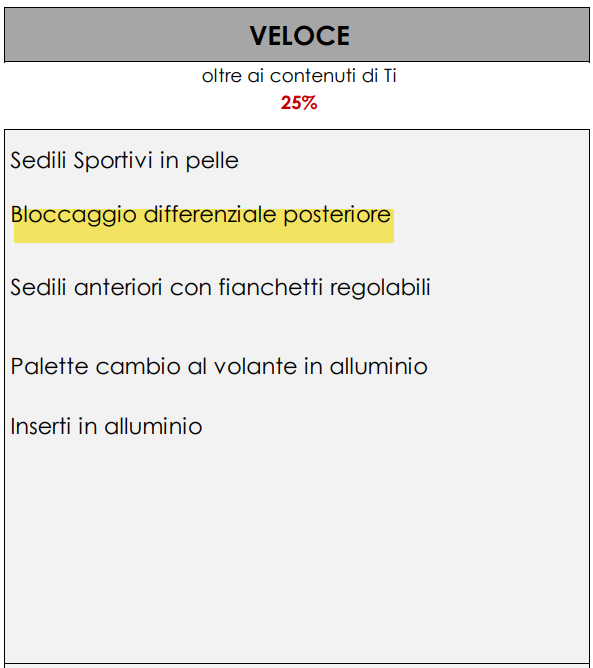
 1 punto1 punto1 punto1 puntoA giudicare dalle rogne multiple, e non solo di software, di quel poco che ho letto di Taycan sui forum utenti, nonostante tutta una serie di update, non sarei cosi tranquillo...1 punto1 puntoLe auto con il giusto diesel dove serve mi sembra che vendano ancora benone.. Nuova Passat e Tiguan presentate con 2.0 tdi zero ibrido (lo avesse fatto Alfa....) Certo in stellantis segano i 2 litri di seg C e D prima dei 1.5 sui seg B. Lo tirano via dove serve per dimostrare che dove non serve in effetti non vende.1 punto1 puntoRagazzi, ho ordinato la Giulia Veloce 280cv e tra le dotazioni di serie è presente il "Bloccaggio differenziale posteriore". Sapete dirmi se è il differenziale posteriore autobloccante meccanico Q2?
 1 punto1 puntoLa Leaderboard è riferita all'orario Roma/GMT+02:00

















.thumb.jpg.726bf5d0d4b007b828d2604dadfbc750.jpg)

Account
Navigation
Cerca
Configure browser push notifications
Chrome (Android)
- Tap the lock icon next to the address bar.
- Tap Permissions → Notifications.
- Adjust your preference.
Chrome (Desktop)
- Click the padlock icon in the address bar.
- Select Site settings.
- Find Notifications and adjust your preference.
Safari (iOS 16.4+)
- Ensure the site is installed via Add to Home Screen.
- Open Settings App → Notifications.
- Find your app name and adjust your preference.
Safari (macOS)
- Go to Safari → Preferences.
- Click the Websites tab.
- Select Notifications in the sidebar.
- Find this website and adjust your preference.
Edge (Android)
- Tap the lock icon next to the address bar.
- Tap Permissions.
- Find Notifications and adjust your preference.
Edge (Desktop)
- Click the padlock icon in the address bar.
- Click Permissions for this site.
- Find Notifications and adjust your preference.
Firefox (Android)
- Go to Settings → Site permissions.
- Tap Notifications.
- Find this site in the list and adjust your preference.
Firefox (Desktop)
- Open Firefox Settings.
- Search for Notifications.
- Find this site in the list and adjust your preference.