



Classifica Utenti
Utenti più Apprezzati
(Scegli il periodo) Utenti più Apprezzati
(Storia giorno per giorno) Classifica dall'Origine
(da Marzo 2003)
(Scegli il periodo) Utenti più Apprezzati
(Storia giorno per giorno) Classifica dall'Origine
(da Marzo 2003)

Contenuti più Popolari
Stai visualizzando i contenuti con il più alto punteggio, pubblicati in data 12/10/20 e localizzati Tutte le aree/sezioni
-
8 puntinon mi piace questo cerchio lo trovo troppo piatto questo rimane insuperabile a mio avviso8 punti
-
8 puntiScorrendo velocemente tra le inserzioni pubblicitarie, mi è saltato all’occhio “Toyota si fa una seg.a” poi mi sono soffermato e ho letto meglio 😅8 punti
-
EBIT è EBIT non che è siccome FCA sta andando meglio di VAG e BMW group bisogna capire come ogni azienda calcola il dato7 punti
-
Si - i Elkann/Agnelli di oggi sono eccellente giocolieri finanziari e ottimi investitori...ma sono orrendi imprenditore automotive.6 punti
-
Riorganizzazione, rilancio, rinascita.... È da decenni che sento sempre le stesse cose.... intanto Alfa in 10 anni (DIECI ANNI - dal 2010 al 2020) ha lanciato solo: - Giulietta 5 porte (e vari my senza un vero restyling) - Giulia berlina (e vari my senza un vero restyling) - Stelvio (e vari my senza un vero restyling) - 4c coupe e spider .....nessun altro marchio oggi presente nei listini italiani ha fatto peggio (forse neanche i produttori di supercar esotiche)... poi potete trovare tutte le scuse/motivazioni che volete... ma i fatti, oggettivi, sono questi.6 punti
-
5 puntiTempo fa (10 anni...cavoli...) mi ritrovavo con gli amici del BMW Passion di Modena, e dato che andavo lì con la Cooper S che avevo all'epoca (e il mio nick è sempre v8 nei fori di auto) mi chiamavano sportivamente " ciao L4".😂5 punti
-
non vedo perché avrebbero dovuto squalificarli dato che il regolamento non specificava che era vietato l'utilizzo del flussometro come veniva fatto dalla Ferrari. Non era illegale, hanno modificato poi il regolamento ma nel 2019, non lo era5 punti
-
5 puntinon concordo... La tipologia del gruppo di appartenenza non determina in maniera così diretta il futuro del brand. Maserati fino a qualche anno fa era addirittura studiata come caso best in classe per crescita e profitti. alcuni brand lussuosi sotto gruppi premium non hanno affatto brillato, mi viene in mente Land Rover quando era sotto bmw, la Range Rover bwmizzata la possedeva mio padre... credo sia il mezzo che piu ha odiato e ti assicuro che l’immagine di tutto il brand stava cadendo a picco. L’immagine di Range Rover e’ risalita con gli investiment di Tata, colosso danaroso ma poco luxury. Bentley quando era un marchio rolls royce venne relegata a controparte sfigata. Rimanendo nel tuo paragone delle scarpe, fino a due anni fa il gruppo che possedeva abbiglamento e scarpe della puma era lo stesso che faceva yves saint laurent o Gucci. Un brand può essere gestito in maniera fantastica o disastrosa anche da un gruppo che non per forza si adopera Principalmente per lo stesso target di segmento. Se Stellantis vorrà puntare forte su maserati e mettera’ persone capaci a seguirlo non vedo perche’ questa non possa fare bene. Sicuramente fca in passato ha fatto scelte sbagliate con Maserati, così come ancora prima scelte giuste... alla fine sono queste, le “scelte” ( insieme alle disponibilità) a determinare il successo o meno dei brand. Poi può anche essere che tra 10 anni il must have nel lusso potrà essere un elettrica cinese o americana e Maserati non se la filerà nessuno.. ma questo il tempo lo dira’... se segnano un anno dopo, per intendere un mese dopo vado a modena con il libro di marketing dell’università e glielo tiro tra capo e collo5 punti
-
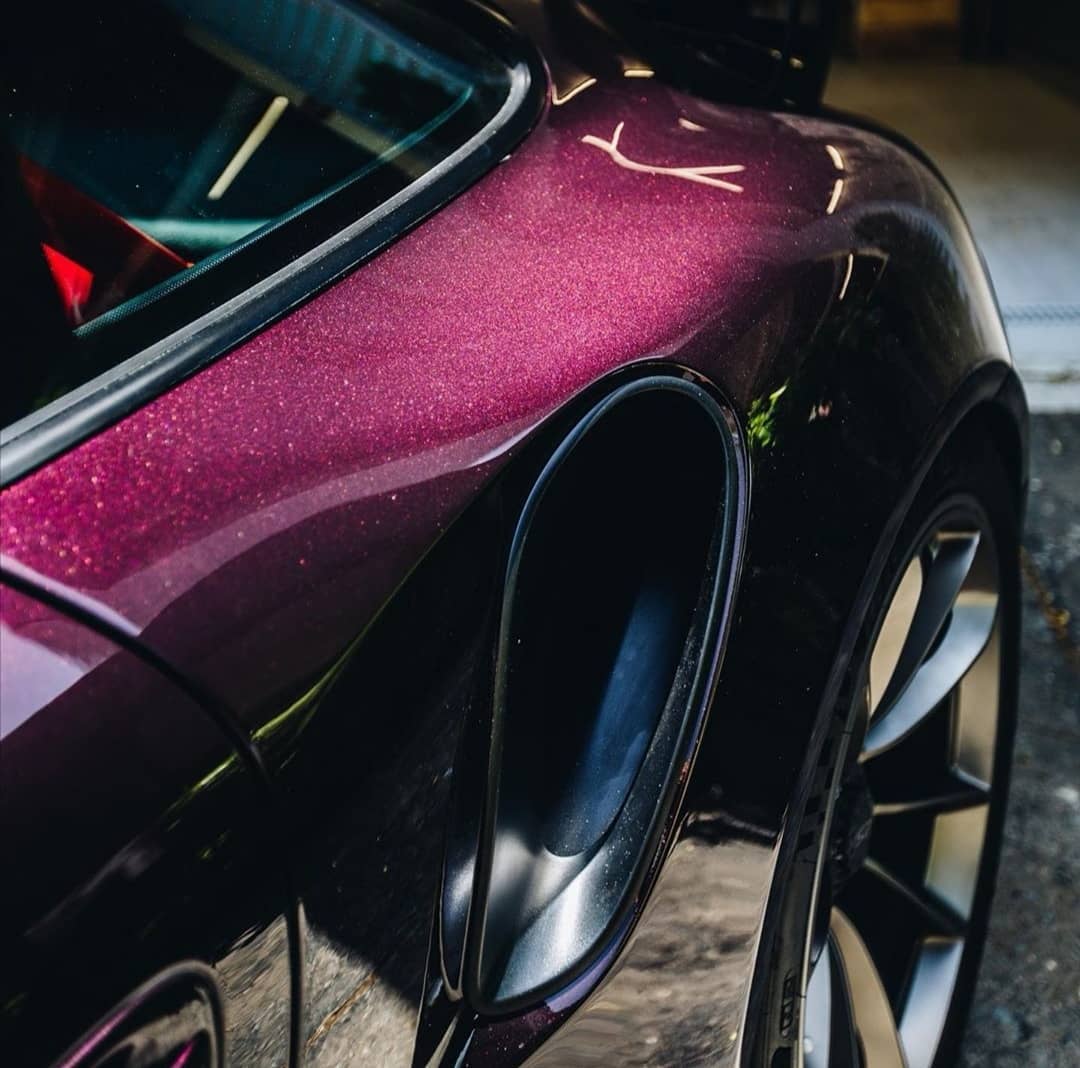
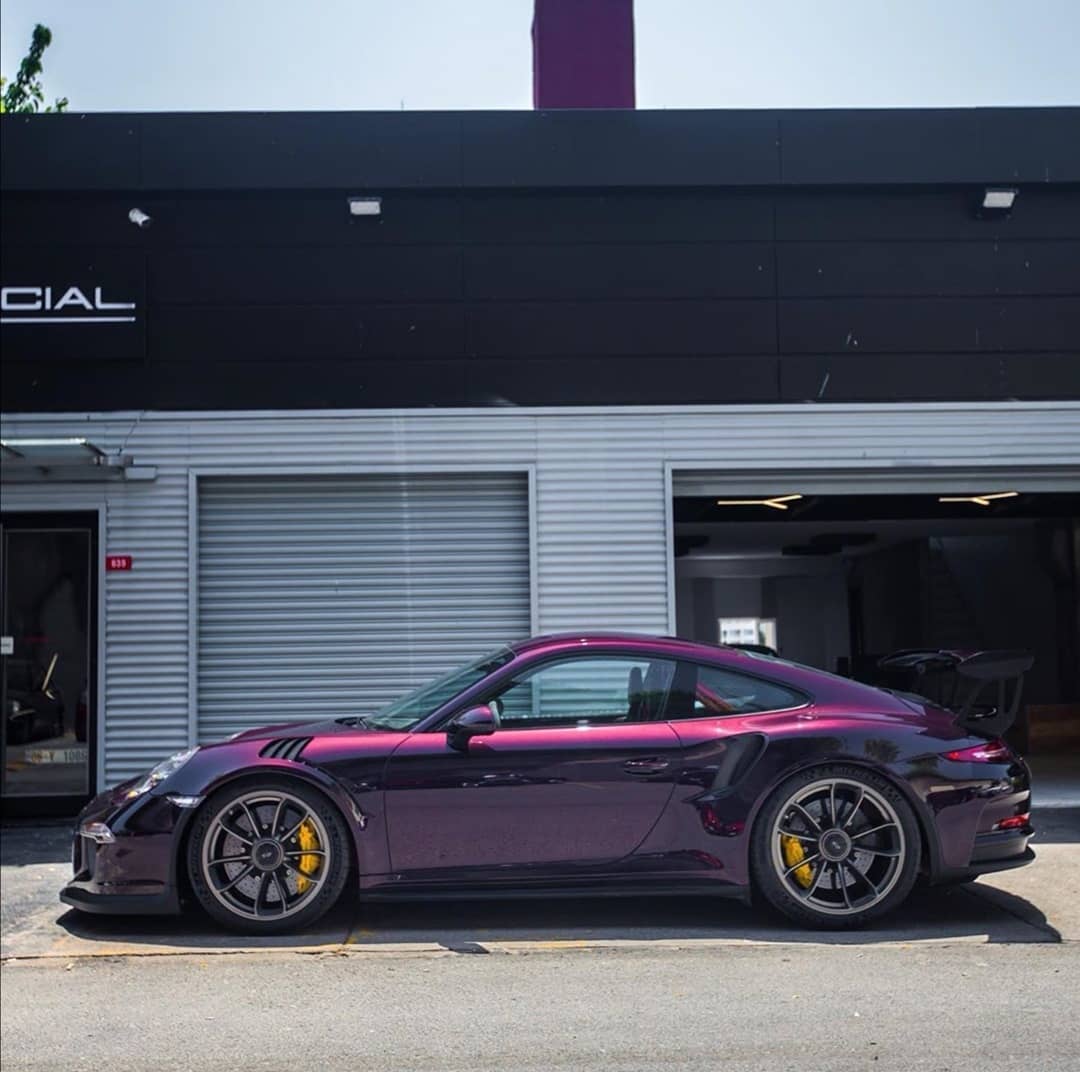
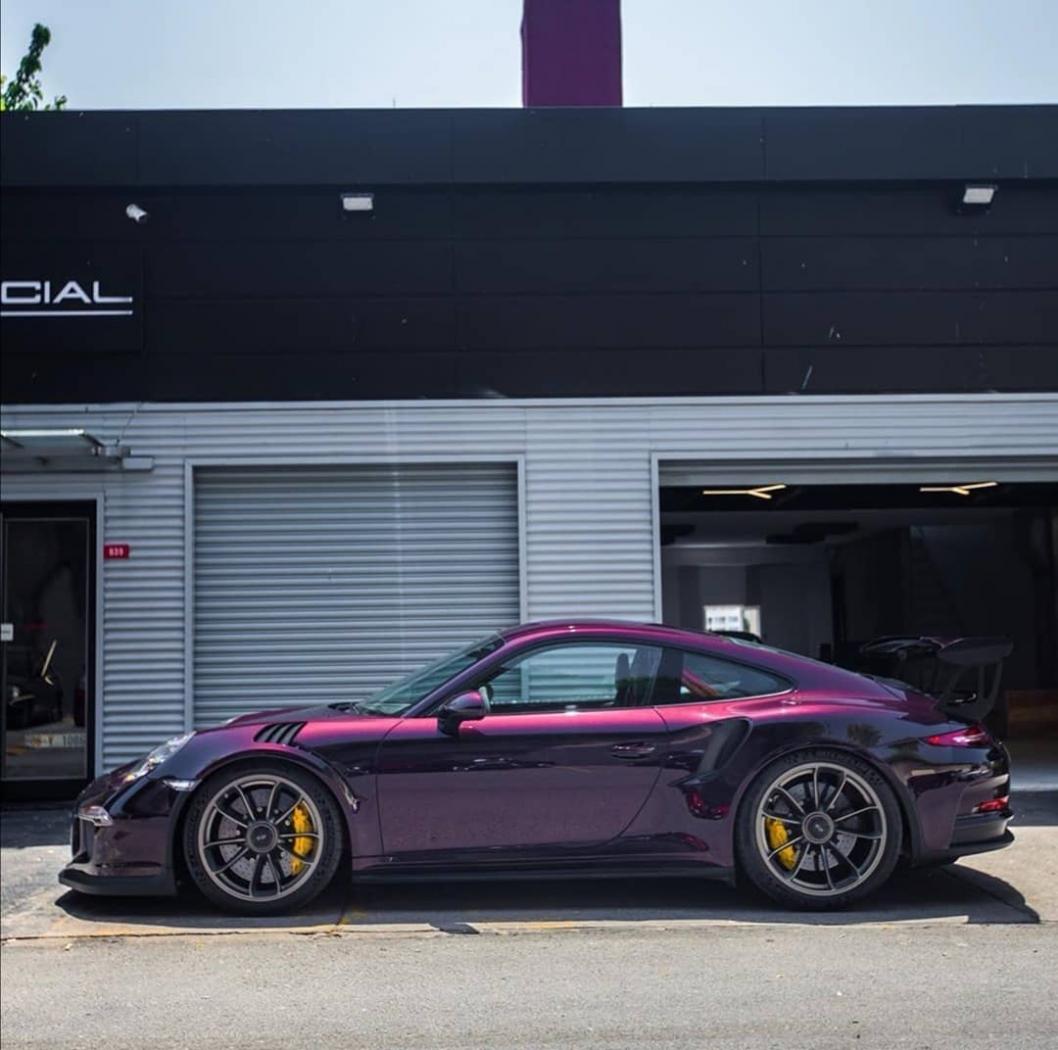
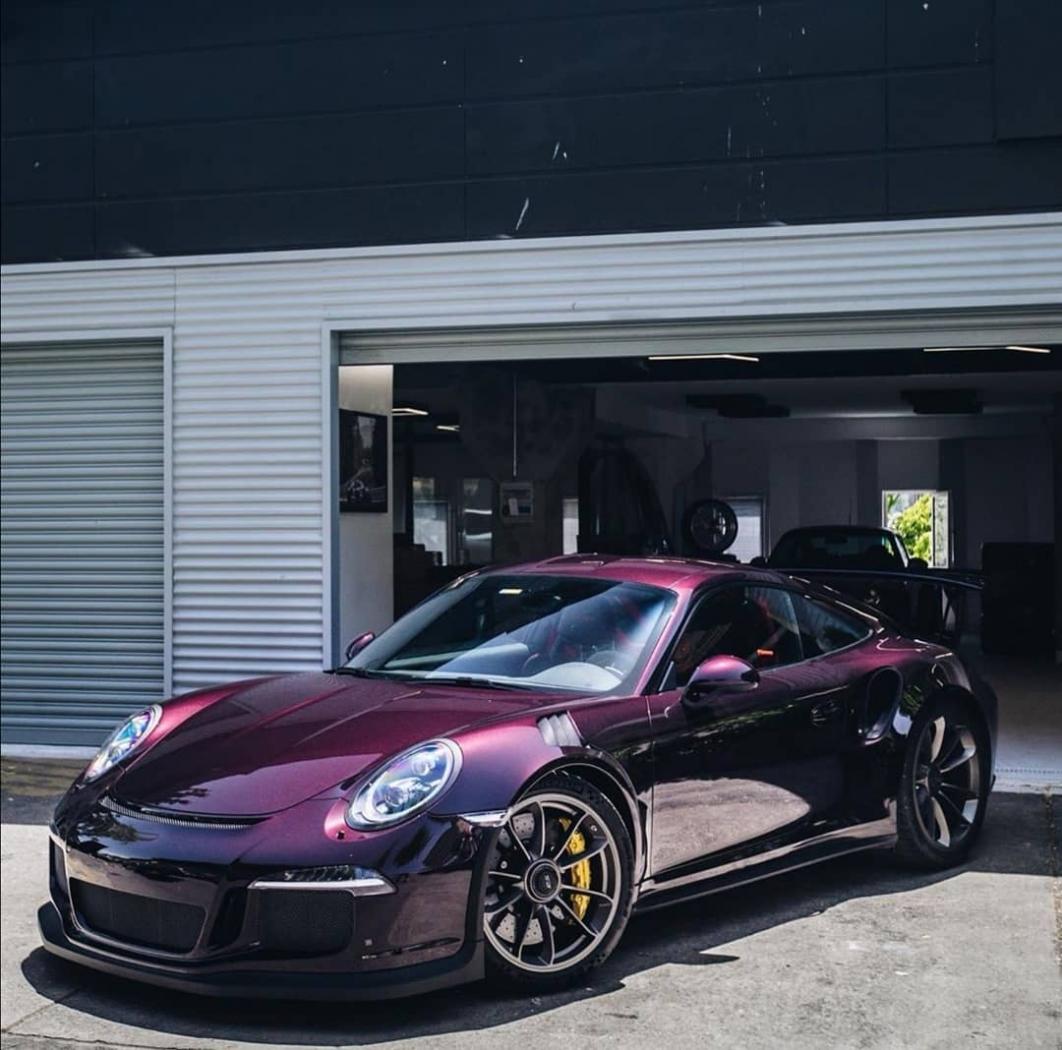
Questa devo sperare arrivi sul mercato dell'usato tra tre anni, possibilmente deprezzatissima, grazie. 💜 https://www.facebook.com/painttosample/posts/27498879519253534 punti
-
Esatto! T7 e basata su MQB, cosi ci saranno solo versioni ICE e Phev, Bev su MQB non e possibile e per questo la T7 sara solo in versione passegeri/camper. Per uso commerciale (un uso piu duro e con piu peso di carica) la MQB non e adatta. la conseguenza sara un volume di produzione abbastanza piccola per T7, si parla di 25k al anno.4 punti
-
4 punti
-
4 puntiVersioni a benzina stroncate senza possibilità di appello da Autocar: "It has the worst ride-and-handling combination I’ve experienced this year, and I’ve driven the Mini JCW GP."4 punti
-
4 puntiNon è vero per nulla, vai a vedere 10 interviste a Gandini , parla solo del suo lavoro e critica le proprie creazioni (le gomme strette della prima Miura, perché la michelin non era pronta con le gomme larghe che arrivarono un paio di anni dopo) Stephenson confronto a Gandini (anche per il periodo in cui ha lavorato , per carità) è un nano. Infatti fa le video-rosicate su YT.4 punti
-
4 punti
-
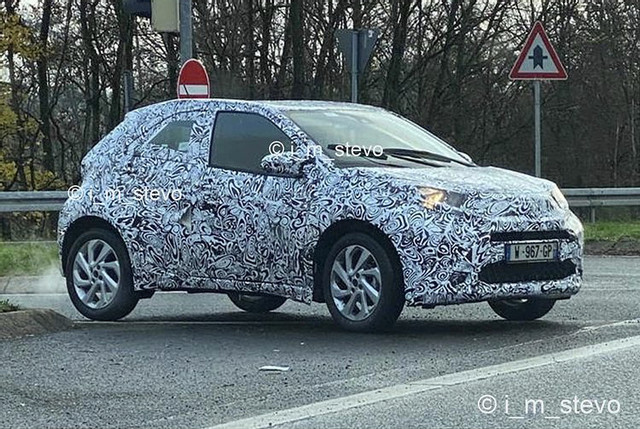
3 puntiE niente, mi sa proprio che ci troviamo davanti al primo muletto di Aygo 3: gli stilemi sembrano proprio essere quelli delle ultime Toyota, ma potrei sbagliarmi. Il modello, vociferato da mesi, non sarà prodotto in collabo con PSA. WS
 3 punti
 -
https://it.motorsport.com/f1/news/f1-ferrari-camilleri-lascia-il-ruolo-di-amministratore-delegato/4924856/ ---- "Vorrei esprimere i nostri più sinceri ringraziamenti a Louis per la sua incondizionata dedizione nel ruolo di nostro Amministratore Delegato dal 2018 e di membro del Consiglio di Amministrazione dal 2015. La sua passione per Ferrari è sconfinata e sotto la sua guida la Società si è ulteriormente affermata come una delle più grandi società al mondo, capitalizzando il suo patrimonio davvero unico e la sua continua ricerca dell'eccellenza. Auguriamo a lui e alla sua famiglia un lungo e felice periodo di pensionamento", ha commentato Elkann. https://www.rainews.it/dl/rainews/articoli/Si-dimette-amministratore-delegato-Ferrari-9b3acda5-31b0-405d-87d4-4ea3f1e6c194.html ---- Toto nomi?3 punti
-
Più passa il tempo e più la vedo come la cugina stramba della fu Signum3 punti
-
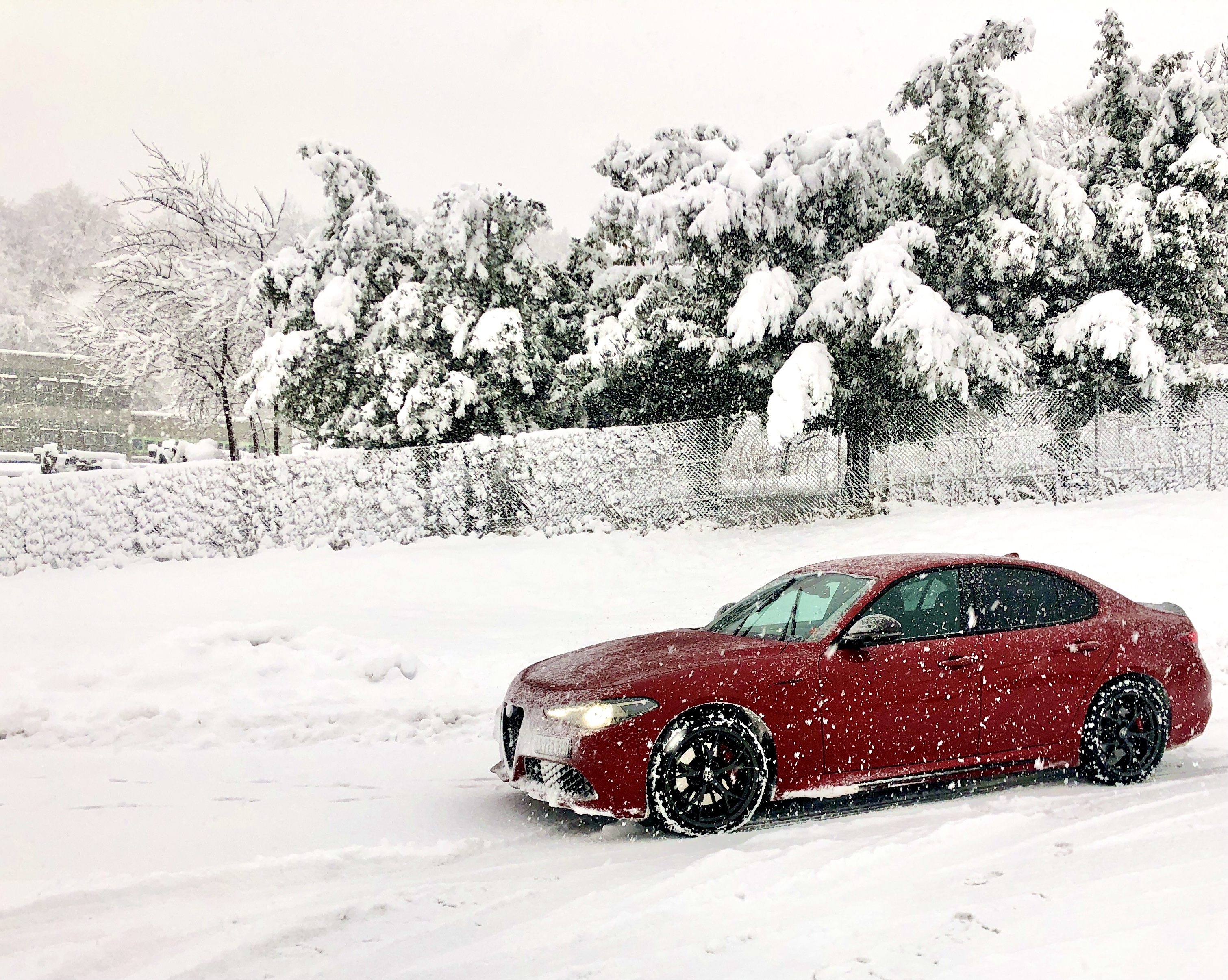
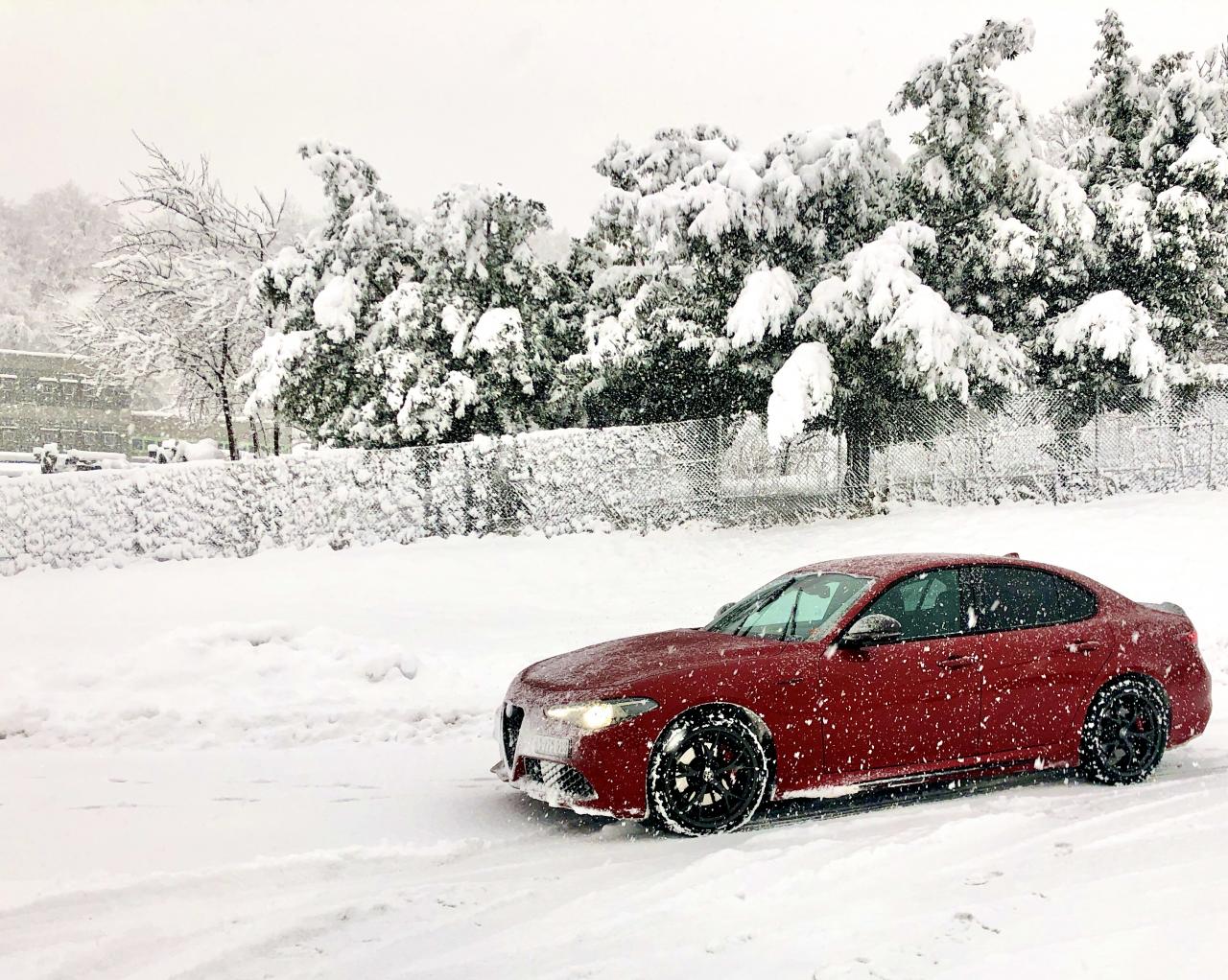
3 punti🥶 comunque anche sulla neve vuole lasciare spazio al divertimento e non è male una volta abituati. speravo in nuovi disegni di cerchio anche per Giulia 2021, invece solo per Stelvio 😬
 3 punti
 -
Sono riusciti a prendere il meglio come management dal 2003 ad oggi (con la parentesi Manley). Con Marchionne hanno fatto il salto quantico, resta da vedere se le premesse di Tavares saranno verificate sul lungo termine come lo aveva fatto Marchionne.3 punti
-
Non dice nulla sugli impulsi e sulla frequenza di campionamento del flussometro, che su Ferrari non ha mai rilevato anomalie.3 punti
-
https://sport.sky.it/formula-1/2020/12/09/ferrari-binotto-leclerc-leader-schumacher?social=facebook_skysportf1_link_null&fbclid=IwAR3Sn2QZ_kjzzyFXJFt1Bb3R9SyLGfX8YRcGEnwYm1EuQSvyaNmfyQ6A4jU Non vedo potenziali gran mangiatori di banane al muretto box... Ok su Leclerc I 30 secondi sono la differenza tra un leader/dittatore a ...3 punti
-
3 puntiComunque quello che so di questo modello è che doveva essere presentato per la mille miglia del 2015, foto fatte (ne esistono altre con la veyron e tutto il team dei boss) modello funzionante ecc scoppia il dieselgate e tutto sparisce.3 punti
-
3 puntiVisto il ritorno di MG in Italia...perchè non tornare a fare shopping a Mirafiori? MG Xpower SV --- now powered by Tipo3 punti
-
3 punti
-
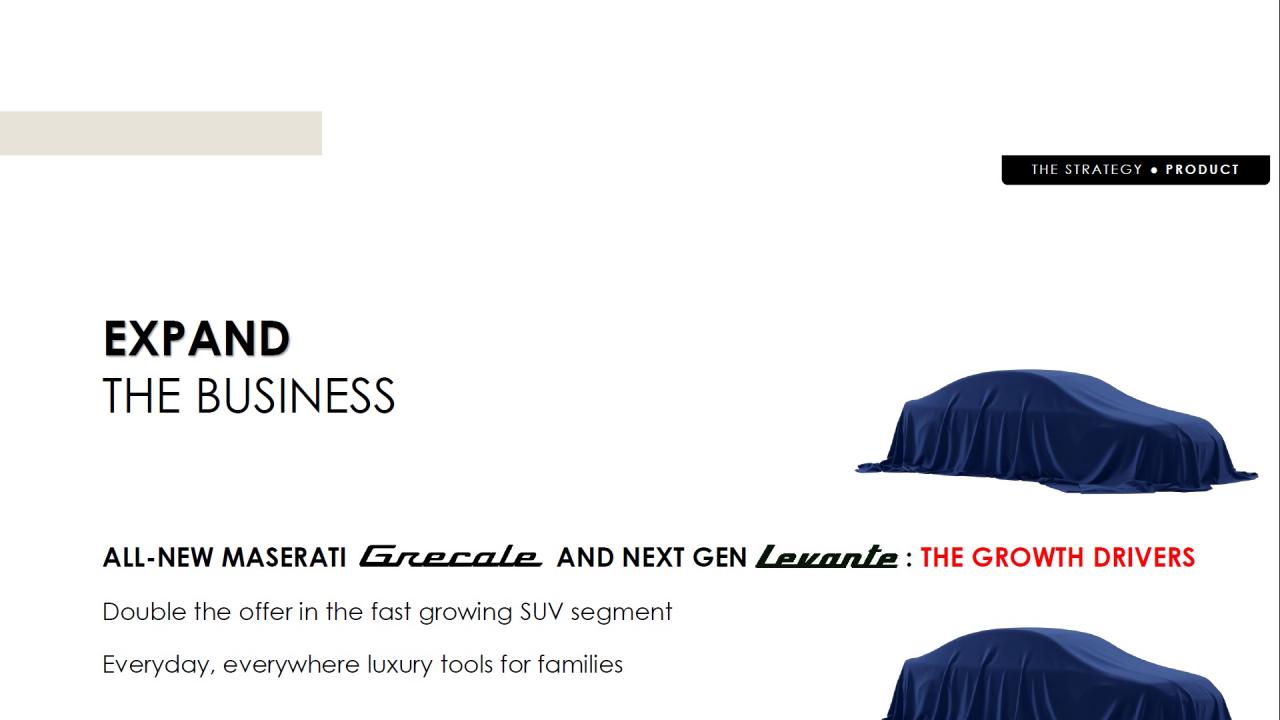
3 puntiIn realtà se guardi questa slide, viene menzionata la next gen Levante . Credo che queste slide siano state fatte con la stessa cura con cui mio figlio di 2 anni si lava i denti la mattina... Immagino comunque una scena del tipo, 5 minuti prima della presentazione " Oh Franco, mi passi le slide maserati che hai fatto che le metto nel computer della presentazione? " ... " ah si, le slide, giusto... arrivo in 5 minuti..." rumore di portiera che si chiude seguite da ruote che sgommano seguite da aereo che decolla..
 3 punti
 -
Ma si ma infatti, bei tempi quelli in cui ci si poteva vantare di molestare le donne impunemente!3 punti
-
Aggiungo per Fiat che potrebbe riconvertirsi nel dolciario 😁3 punti
-
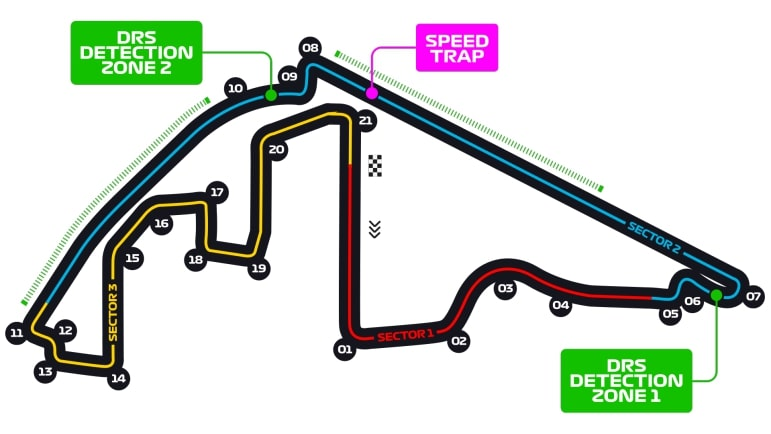
2 puntiOrari Venerdì 11 dicembre PL1: 10:00-11:30, diretta su Sky Sport F1 e FormulaPassion.it PL2: 14:00-15:30, diretta su Sky Sport F1 e FormulaPassion.it Sabato 12 dicembre PL3: 10:00-11:00, diretta su Sky Sport F1 e FormulaPassion.it Qualifiche: 14:00, diretta su Sky Sport F1, TV8 e FormulaPassion.it Domenica 13 dicembre Gran Premio: 14:10, diretta su Sky Sport F1, TV8 e FormulaPassion.it https://www.formulapassion.it/motorsport/formula-1/gp-abu-dhabi-2020-orari-sky-e-tv8-diretta-circuito-yas-marina-hamilton-russell-536661.html ---- https://www.formulapassion.it/motorsport/formula-1/f1-piloti/vettel-con-binotto-rispetto-mai-amore-f1-ferrari-mattiacci-marchionne-gp-abu-dhabi-2020-2014-montezemolo-aston-martin-arrivabene-537188.html ---- https://it.motorsport.com/f1/news/f1-mercedes-per-la-fia-corre-russell-ma-wolff-chiama-hamilton/4924305/?ic_source=home-page-widget&ic_medium=widget&ic_campaign=widget-1 ---- https://sport.sky.it/formula-1/2020/12/10/f1-gp-abu-dhabi-binotto-ferrari-news?social=facebook_skysportf1_link_null&fbclid=IwAR0sVFVyroafcgYxTkSbqkx-yBDDRdCkCzK1_QL6Rlb3wK5BCOsoZ13j114
 2 punti
 -
https://www.bloomberg.com/news/articles/2020-12-10/louis-camilleri-abruptly-retires-from-ferrari-philip-morris2 punti
-
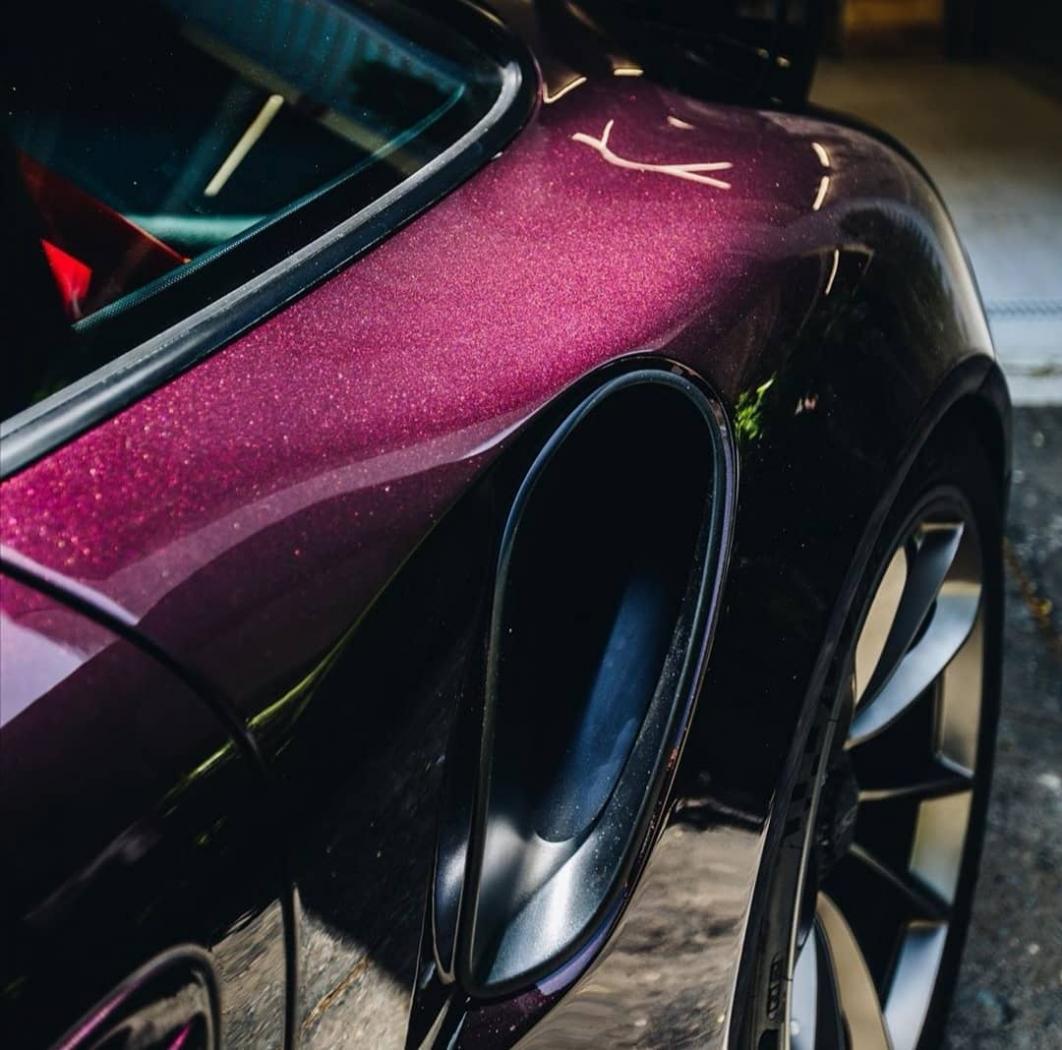
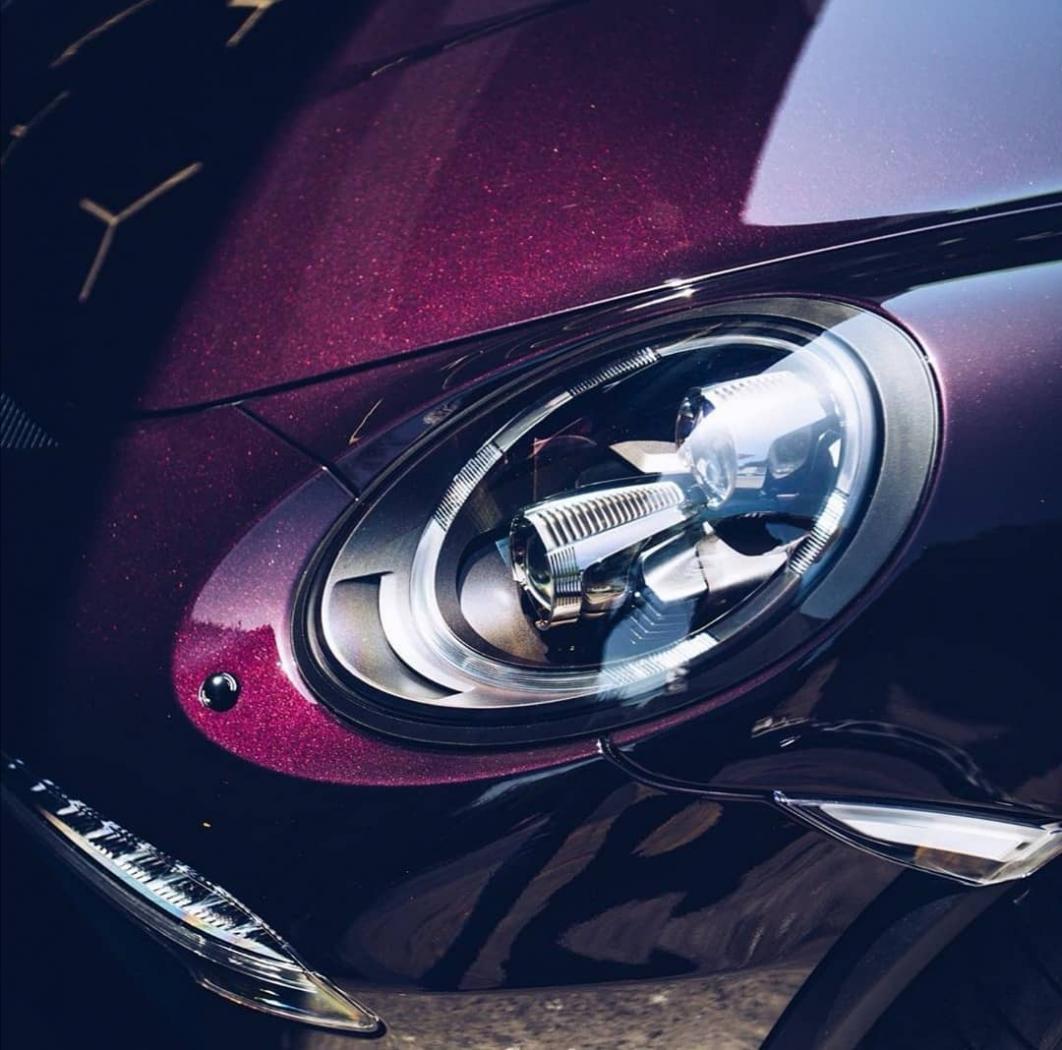
2 punti2 puntiSotto luce naturale 😍 https://rennbow.org/colorwiki/MetallicAmethyst
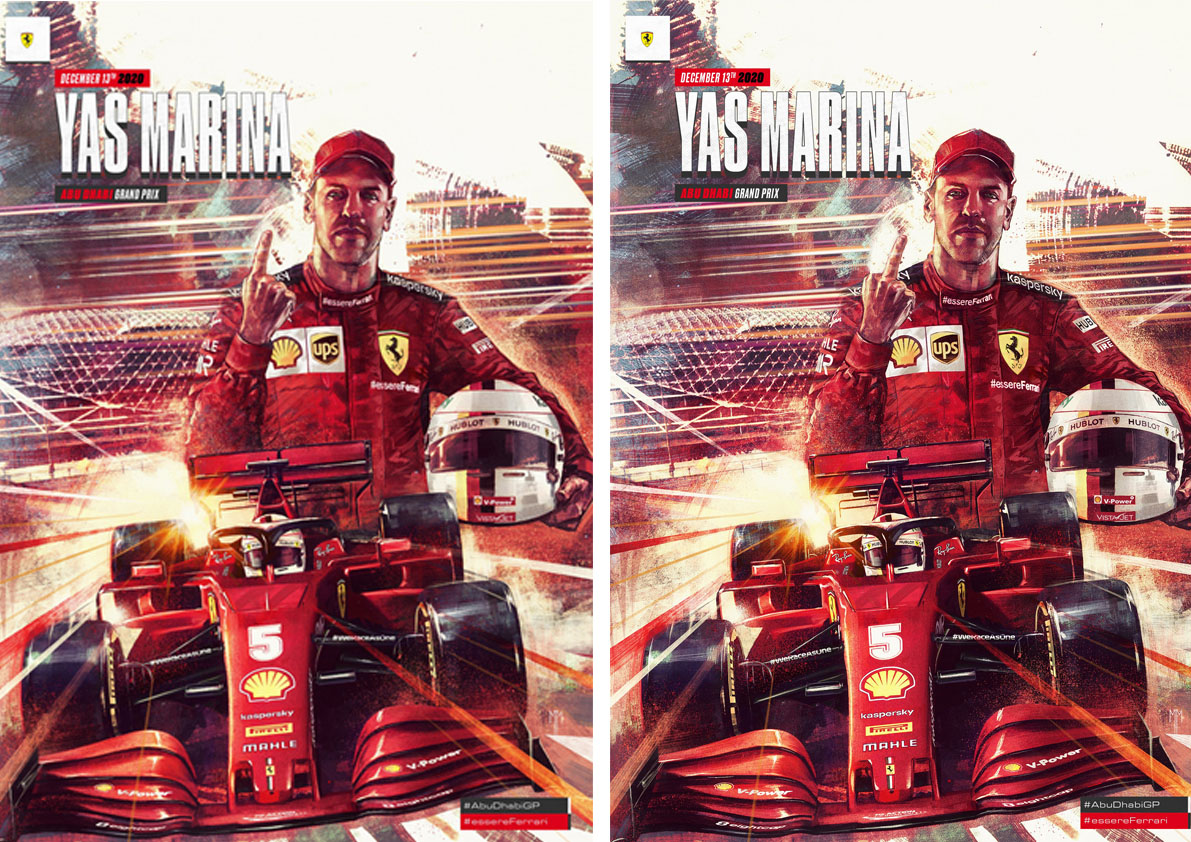
 2 puntiScusa ma non vorrei essere polemico, ma per l'utente finale conta il prodotto o è importante l'azionista di riferimento. Così per capire, stiamo in un forum di auto non di finanza. Per intenderci, quando compro un auto o una moto mi interessa il modello non il proprietario del marchio. Saluti.2 puntiQuesta salita e già presa in conto nei 7.2% di Stellantis. Dunque i Peugeot hanno già preso il 2% di PSA sui 5% consentiti (1% sui 2.5% di Stellantis). Ne restano ancora 1.5% di Stellantis, da prendere o dal mercato dentro PSA, o da BPI France o da DongFeng. Ma se i Peugeot vogliono il 2o posto in CDA, c’è l’obbligo a BPI di abbandonare il posto in CDA e di scendere sotto i 5%. Alla fine nei primi 6/7 anni di Stellantis dovremo avere: Exor (2 posti dal quale il Presidente che sarà esecutivo) : 14.4% Peugeot (2 posti) : 8.7% BPi (0 posti) : 4.7/4.9% DFG (0 posto) : 4.5% (ancora il 2.2% di PSA da annullare o da vendere a terzi non PSA e non FCA fino a fine 2022). Con la perdita delle azioni DFG, gli exPSA scenderanno al 48.4% di Stellantis e gli exFCA avranno dal 50.5 al 51.6%). Tutto questo bello scritto nei prospectus, sia US che EU. Mostra il controllo di Stellantis da parte da Elkann con Exor largamente primo azionista di riferimento. Cosa troveranno ancora per dire che sono i Peugeot a prendere FCA?2 puntiThe powers of John Elkann: Can call special Shareholder meeting as long Exor is a stockholder of 10% or greater of Stellantis 'if 'the Chairman is an executive Director, he or she will be consulted and work together with the CEO on that basis on important strategic matters affecting Stellantis:'' • budget/long-term strategic planning; • mergers and acquisition transactions, including significant joint-ventures, investments and divestments; • strategic evolution of the brand portfolio and significant product investment; appointments, succession planning and compensation for key positions in the global executive committee; • institutional relationships, including relationships with key governmental stakeholders, particularly on matters of strategic significance; • significant public relations matters and major communication events/topics; • interaction with principal shareholders and key partners; and • providing leadership to the Stellantis Board and, in crisis circumstances, to the executive management on governance matters and ad hoc crisis management, in each case, without prejudice to the powers of the Stellantis Board. U.S. Prospectus (fcagroup.com) Merger of Peugeot S.A. with and into Fiat Chrysler Automobiles N.V. (incorporated in the Netherlands as a naamloze vennootschap) TO BE RENAMED Stellantis N.V https://www.fcagroup.com/en-US/investors/stock_info_and_shareholder_corner/shareholder_meetings/FiatDocuments/2021/Extraordinary_General_Meeting_January_2021/US_Prospectus.pdf2 punti2 punti2 puntiE io che pensavo che ID.Crozz fosse un nome dimmerda, ma evidentemente c'era spazio per fare ancora peggio!2 punti2 puntiIl mio pensiero è che sbagliamo l'approccio, alla fine chi compra queste auto non sono gli appassionati ma i "celolunghisti". Faccio l'esempio classico del mio vicino che è passato alla nuova serie 1 Xdrive. Non sa manco quanti cavalli ha, ma gli è finito il leasing e passa a quella nuova. Prima era bianca che faceva figo ora è jet gray (o cement o come diamine si chiama), perché ora fa figo. Chi vuole l'auto da trackday o da passi di montagna, guarda altro.2 punti2 puntiverissimo, non lo avevo notato. Quello sotto e’ il cerchio più bello in assoluto (non solo Alfa) OT/ Maledetti che non fanno la Giulia coupe’ 🥶/chiuso OT2 punti2 punti2 puntiA prescindere dal gruppo d'appartenenza, qualsiasi brand può funzionare se amministrato a dovere. Ricordiamoci il miracolo che ha compiuto Montezzemolo, che con tutti i suoi limiti, a riportato in vita un marchio cadavere a fine anni'90. Dal mio punto di vista, continuare a proporre piani solo per tener buono il titolo FCA in borsa non serve a nulla. Bene MC20, ma (da cliente anche Maserati quale sono) ai loro piani credo poco. Sono solo felice di avere una Ghibli, modello che non sarà rimpiazzato quindi la cosa mi piace di aver posseduto l'ennesimo modello, nel suo piccolo, "speciale". La cosa che mi delude molto è il non vedere più il v8. Capisco il nettuno e l'elettrificazione e capisco i volumi di vendita penosi che comporta un motore a grossa cilindrata, ma per me, ci starebbe in gamma.2 puntisono stati decisi dalla FIA, il regolamento è un po cervellotico, anche perché c'erano zone in cui si poteva intervenire prima del 30 settembre senza spendere gettoni (vedi muso nuovo mclaren provato in pista proprio prima del 30 settembre) qui una sintesi https://sport.sky.it/formula-1/2020/09/25/f1-regolamento-2020-2021-cosa-puo-essere-modificato2 puntiMa esatto per cifre come questa devi sapere molto dettagliato come la azienda si calcola, altrimenti paragoni molto veloce pere e mele. Per esempio BMW con la sua metodo di bilanciare (molto conservativo e abbastanza cauto) dimostra per il YTD Q1-Q3/20 un ebit di 0,6%. Se invece fai la calcolazione per il ebit di BMW con la metodo di calcolare di Mercedes, poi il ebit Q1-Q3 di BMW sarebbe 2,3%. E tutti i due fanno la bilancia con IFRS, ma con ammortamento, valutazione tra parte impresa nazionale/internazionale, messa in conto interna per i diversi lavori/componenti tra centrale e stabilmenti varie ecc ecc hai cosi tanti vite di fissaggio - e se non conosci/hai analizzato molto bene tutti questi vite e come si sono usato, poi e molto probabile, che un guidizio fatto di un laico non e molto appropriato quando confronti due aziende diverse.2 puntihttps://europe.autonews.com/automakers/tavares-keeping-psa-fca-merger-track-incredible-achievement PSA and FCA each operate with a very similar three-dimensional matrix: brand, function, region. What can we expect from Stellantis? ''A three-dimensional matrix is the basic organization of any global carmaker nowadays. It's all about interacting in a cross-functional way. In the first axis, we show the vision for each brand -- as well as consider each brand's strong history -- then build their future and destination with a clear positioning. Then, we have the functions, where we need to have very precise expertise regarding the best practices, the most efficient processes, the best techniques to be a benchmark in the worldwide industry -- in engineering, in sales and marketing, in manufacturing and supply chain, in any other function that you could imagine. Last but not least, we have the regional axis, which is the place where operationally you create the value. You create that by using the brand portfolio to cover the market and profit pools, and maximize the value that you create, both on product and on service, making sure that you make your customers happy while using the brand portfolio in a thoughtful way. Stellantis will have a 14-car-brand portfolio plus two mobility service brands and aftersales. So, we have a lot of things to do, a lot of things to imagine. That makes it very, very exciting.'' Volkswagen accounts for roughly a quarter of sales in Europe with just three volume brands. Stellantis, which year to date is at a combined 21 percent share, will have Citroen, Fiat, Opel/Vauxhall and Peugeot. Will you have too many brands in the volume sector? ''Stellantis will be very strong in Europe -- not exactly the size of the Volkswagen Group, but quite close. I have a huge amount of respect for Volkswagen because they are doing a fantastic job. They are taking many bold decisions and moving forward very strongly on electrification, which makes them a fantastic rival for us and a very good reference against whom we can compete. We understand that they will be ahead of us in Europe, but we will not be very far behind, and we will try to compete in the most efficient way, with a different approach to our business model, but also with a double-digit brand portfolio, as they have.'' Conversely, the one-time implementation cost for achieving the synergies has risen from 2.8 billion to 4 billion euros. Is this related to write-offs in revised FCA and PSA business plans ahead of the merger? ''Well, if that happens, you will see it in the financials of both companies, and of course, of Stellantis at one point. If something has to be done in that area, the CFOs will make it clear and transparent in the financials of the different entities. But, of course, the implementation costs are real. The magnitudes are something that we will be eager to optimize at any point in time, which is in the mindset of the people both on the FCA side and the PSA side. I think efficiency and effectiveness are something that I can feel on the two sides of the Stellantis family. I can feel that there is this great business sense that has been the result of the leadership from Mike Manley and, prior to Mike, from [the late former FCA CEO] Sergio Marchionne, and I think it has also been the DNA of PSA over the last few years. I feel the fact that people understand the economic impact of what they do, what they decide, what they spend, and I feel that there is eagerness to optimize the way we are spending our money and to make sure that we get more out of each buck for everything we do, and that is good. '' As CEO of Stellantis, where will you spend most of your time? After closing, the fair answer is hopefully not in a plane. But of course there would be some travel -- mostly to Turin, Amsterdam, Paris, Detroit, Sao Paulo, Russelsheim. All of this is part of a global company. Of course we would have significant digital interaction, that is for sure, but human interaction would also have a significant role to play. This is about management, about expressing some kind of direction and convincing people that what we are doing makes sense, inspiring people to go in one direction or the other direction, and that means human interaction. We have learned through two successive lockdowns in Europe that we can run a car company in a crisis mode using digital tools. As long as a sense of team spirit is created by having human interactions -- you can have dinner, you could have a drink, you can have arguments or discussions -- then digital communications tools are appropriate, and that is going to reduce the burden of travel, jet lag and time differences. With the very strong and highly profitable presence you will have with Stellantis in North America because of FCA, is there still a need to bring the Peugeot brand there? ''First, as long as we are competitors, which means up to the closing, my answer will be, yes, of course our plan is to bring Peugeot to North America. This being said, our [PSA] North American team in Atlanta that is preparing for the comeback of Peugeot in the U.S. market is bringing us many ideas in terms of logistics, in terms of maintenance, in terms of the distribution model, in terms of marketing communication, as we have no legacy. Whatever we decide in the Stellantis world, all of those ideas will improve the way we go to market and the way we run the business. I was working in the United States for a while [as head of Nissan North America], and I know how competitive the market is, and I am very humbled vis-à-vis the level of competitiveness it takes to grow a profitable presence there. This is exactly what FCA has been doing, so my hat is off to the FCA team for that''. The U.S. has been FCA's profit driver, focusing on pickup trucks and the Jeep brand. Is there room for this part of the organization to benefit from the success that you have brought to your businesses in Europe? ''The first answer to your statement, which is very true, is simple: If it's not broken, don't try to fix it. But we know that in our industry when you have the sense that everything is going well, it's exactly the moment where you need to challenge yourself and look for additional efficiencies and achieve a better performance. And the fact that we are bringing the two companies together may also be an opportunity to be challenged on the things that we could even do better, and this is true for the Americas as much as for Europe. PSA has been very successful in Europe, but that does not mean that we are doing everything very well. I think Mike [Manley] would say the same for North America''2 punti2 puntiOltre alle Protesi ti è calata pure la vista dopo aver confuso tuo marito per un altro2 puntiMa che palle sta f1 da bacchettoni. Scommettiamo che se al posto di toccare il seno di una ragazza avesse toccato il culo di un baldo giovane nessuno avrebbe avuto qualcosa da ridire? Cioè ma questi si sono già dimenticati dei vari regazzoni, Hunt e irvine?2 puntiVettel purtroppo anche con un auto moderatamente competitiva come quellas dell'anno scorso, non ha mai brillato. Non c'è mai stato feeling vero con la macchina, sin dal suo esordio. Ferrari significa tanta gloria e storia...ma anche tantissima pressione. Si è costantemente sotto esame, anche quando vinci. Non è facile.....ma chi ci riesce, poi entra nella storia per davvero. Vettel probabilmente ha scelto la Aston anche a livello politico, e non lo biasimo. Dietro c'è la corazzata Mercedes.....e sia mai che la Aston MArtin...non diventi, appunto, la nuova Mercedes.....staremo a vedere. Detto questo, ho trovato la locandina ufficiale dell'ultimo GP di Vettel...e la sua variante fantasiosa.....certo è che la Ferrari le serve proprio su un piatto d'argento......😂
 2 puntiDa buon dinosauro potendo spendere 50mila euro non prenderei mai una banale Sedan pompata. Prenderei una Giulia benzina TP oppure una Yaris GR4 oppure cercherei una M140 TP, ed in tutti e 3 i casi mi resterebbe qualcosa in saccoccia. ☏ iPhone ☏2 punti2 punti2 puntiSpettacolo questa nuova serie 1! È indubbiamente la più bella segmento c a trazione anteriore mai costruita dalla casa!2 puntiLa Leaderboard è riferita all'orario Roma/GMT+02:00




.thumb.jpg.d20c5008a881490f9c7f843d442a34f8.jpg)