



Classifica Utenti
Utenti più Apprezzati
(Scegli il periodo) Utenti più Apprezzati
(Storia giorno per giorno) Classifica dall'Origine
(da Marzo 2003)
(Scegli il periodo) Utenti più Apprezzati
(Storia giorno per giorno) Classifica dall'Origine
(da Marzo 2003)




Contenuti più Popolari
Stai visualizzando i contenuti con il più alto punteggio, pubblicati in data 05/11/21 e localizzati Tutte le aree/sezioni
-
10 puntiNon mi pare che si stia chiedendo un Lotus. E non mi pare che Giulia abbia COMPLETAMENTE trascurato gli aspetti oltre alle meccanica. I miei focus sono altri. 15 anni fa quando i tedeschi erano avanti nella meccanica, sui forum era un florilegio di "serve la meccanica". Quando avevano cicli di vita lunghi, con facelift minimi (es: Golf IV-V) erano lodati (in primis dalle riviste) "perchè così mantenevano alto il valore dell'usato". Adesso lodiamo ESATTAMENTE l'opposto. Non accorgendoci (o non volendoci accorgere, ma va bene, basta essere onesti con sè stessi, si vive meglio) che cadiamo mani e piedi del trappolone di essere obbligati a cambiare auto ogni 36-48 mesi. Questo ricambio frenetico, è davvero un desiderata del cliente? O una necessità delle case che sennò non sanno dove mettere la produzione? Va bene cambiare idea, ma se confrontiamo il pensiero medio di media e forum delle capriole che manco Plushenko a Torino 2006. Va benissimo, ma ricordiamoci che esiste un prima. Capitolo Alfa Romeo. Dobbiamo smetterla di chiedere a Alfa Romeo di copiare gli altri. Non ci riuscirà mai. Se a uno interessano le finiture perfette, la cosa migliore che può fare, è rivolgersi a Audi. Sensazione di solidità, a Volvo. Evoluzioni elettroniche spinte, a BMW e Mercedes. Lo dico davvero senza nessun astio. Perchè loro sono i migliori in questo campo. Lavorano su quelle cose da decenni e hanno affinato. Non si riuscirà mai a fare uguale. Anche perchè, tra l'originale e la copia, tutti scegliamo l'originale. Alfa con Giulia e Stelvio ha centrato l'obiettivo di andare a catturare chi chiedeva qualcosa di DIVERSO. Con un'asticella alta sulle caratteristiche base, ma con un focus su altri aspetti. Anche perchè, se si spinge TROPPO su alcuni aspetti propri dei marchi concorrenti, poi corri il serio rischio di perdere di vista il tuo di focus e non essere più tu. Ad esempio ADAS e Ibridizzazione spinta ad oggi pongono ancora qualche problema lato dinamica e lato sensibilità alla guida. Sarebbe davvero apprezzata un'Alfa Romeo così? O finirebbe per scontentare chi cerca le caratteristiche proprio di Alfa senza avvicinare chi cerca quelle cose (perchè ad esempio, Mercedes lo fa meglio). Dopo questo pippone, torno nella mio eremitaggio.10 punti
-
7 punti6 puntiPrima associazione al naming… Direttamente dal mondo Pokemon, Torterra
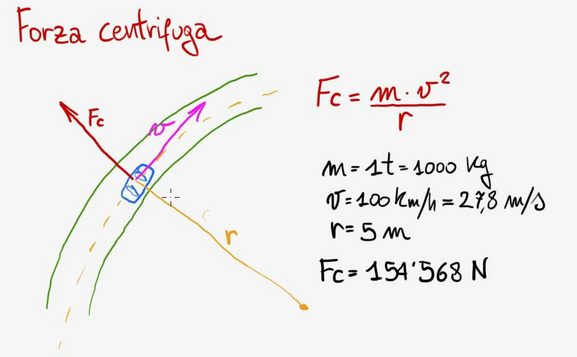
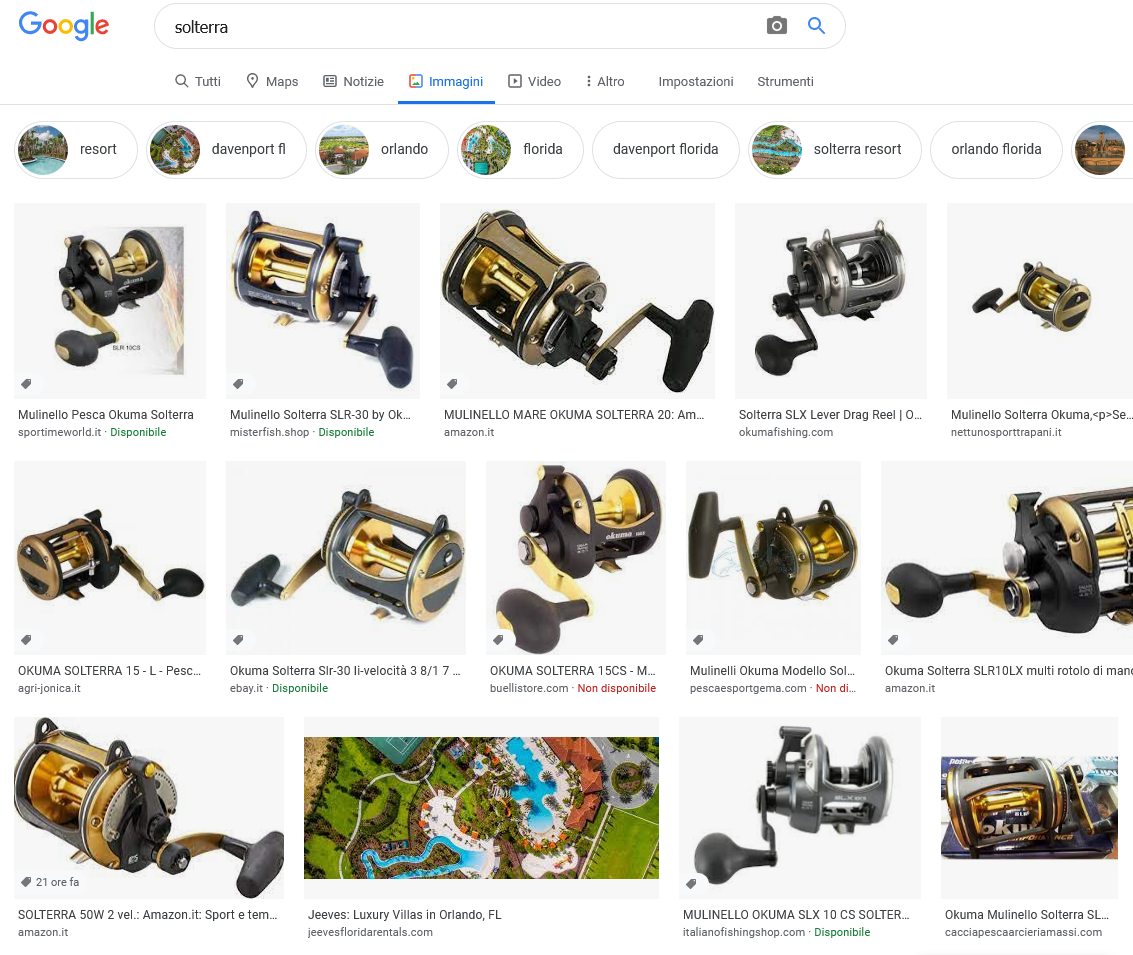
 6 punti5 puntiMa io sono conscio di avere gusti particolari in fatto di auto. Non pretendo che si altri si adeguino a me. Io sono disposto a spendere per qualcosa che mi piace. Non sono disposto a spendere per qualcosa che la casa mi dice che mi deve piacere.5 punti5 puntiDa bravo temperaprepuzi vi dico che la forza centrifuga non esiste.5 punti4 puntiSi, ma il discorso nasce dal fatto che la Giulia debba avere o meno un aggiornamento estetico, a te se la fanno pagare uguale ma in più ha i led ed un infotainment che può anche essere utile (cosa normalissima in un facelift di metà carriera), a parità di base meccanica, la macchina la prendi lo stesso. Dire invece che l'alfa è un auto da appassionati e perciò va bene così, perchè tanto conta solo che abbia lo sterzo fighissimo e la TP.. è un discorso che nemmeno Lotus può permettersi di fare. E' pur sempre un segmento D, premium per di più, che deve fare numeri (anche se non altissimi)4 punti4 punti4 puntiOh ragazzi, basta guardare i video! In uno di quelli postati prima, parla l'ingegnere a capo dell'aerodinamica! Dài! Su un sito di appassionati non me lo aspetto che spariate pareri a caso senza guardare cinque minuti di video di disamina di questo nuovo capolavoro Ferrari! non perdete mica due ore eh! ... ma siete davvero appassionati o siete semplici infiltrati dal sito di Roulotte-pareri??? Addirittura quella lama è stata studiata per non rendere poco confortevole la versione A (aperta)! Altro che elementi estetici, o "effimeri" (che poi significa tutt'altro) o minima funzione aerodinamica. Dài su, andate a fare i compiti e poi ne riparliamo4 puntiNon credo ci siano proprio le strade per ridurre il circuito e poi non rispetta le norme della F1. Lo potrebbero fare sul circuito della motoGp ma fa abbastanza schifo. Sarebbe però molto spettacolare, le curve Porsche erano impressionanti negli on board delle Lmp1. Non oso immaginare farle con una F1.4 punti4 puntiQuando vivevo negli Stati Uniti, mi mettevano ansia già questi cartelli. Appena ne vedevo uno alzavo il piede... Figurarsi andare alla ricerca delle "colonnine".
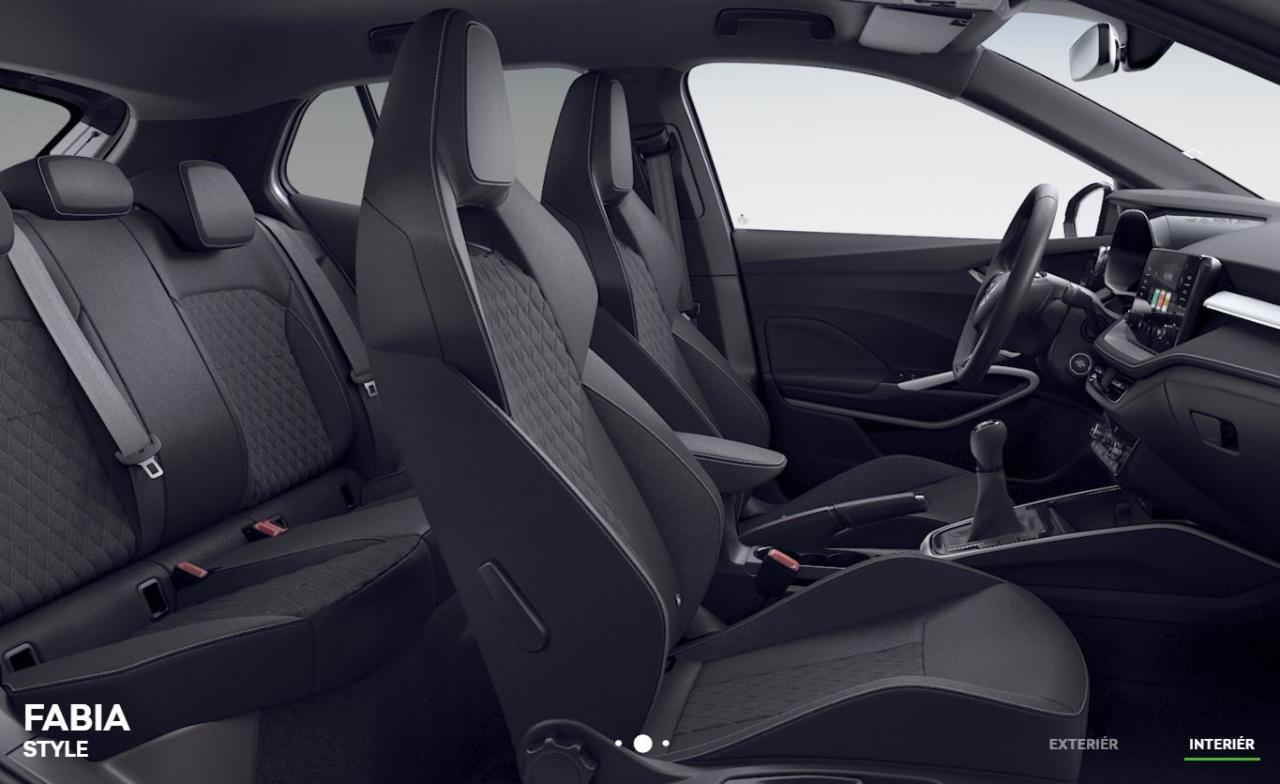
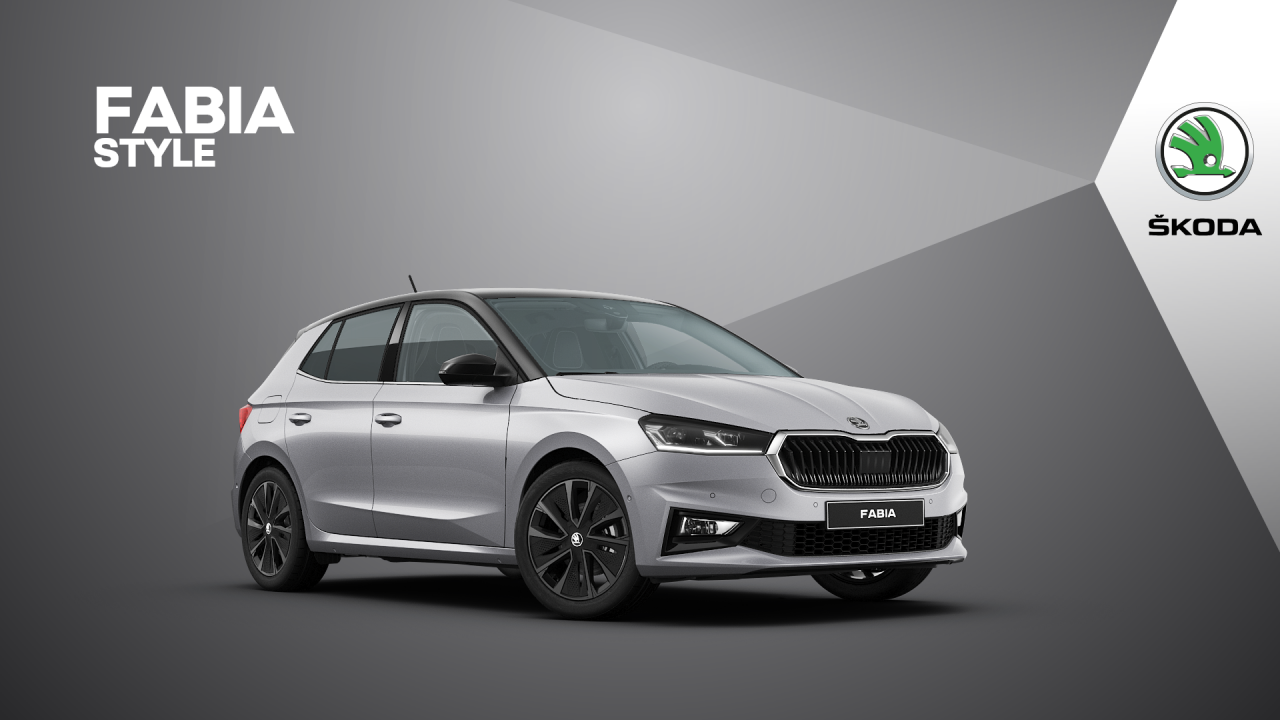
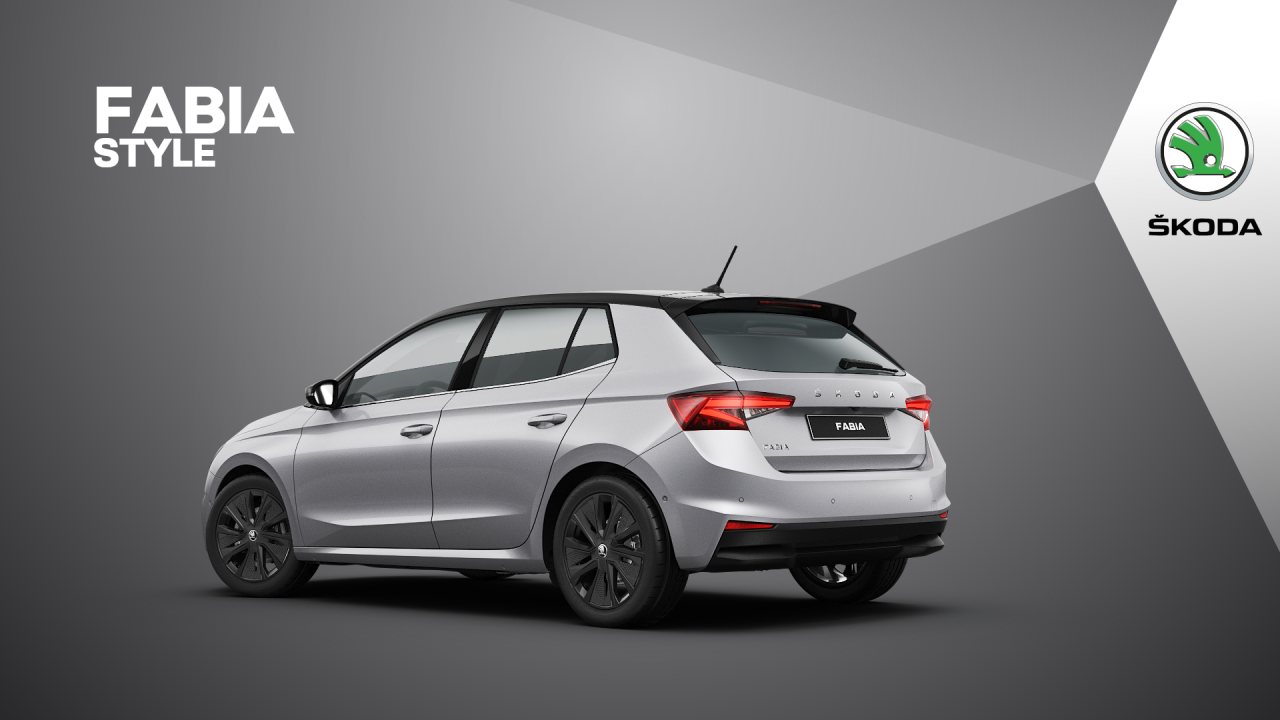
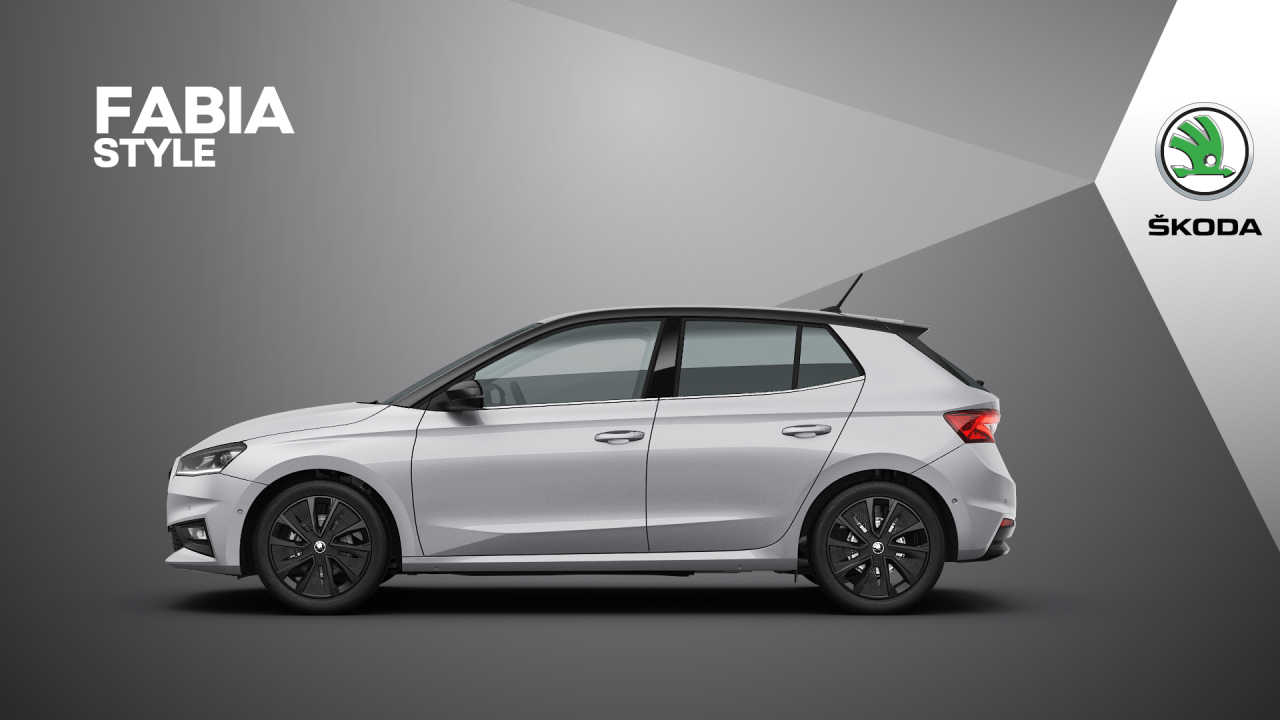
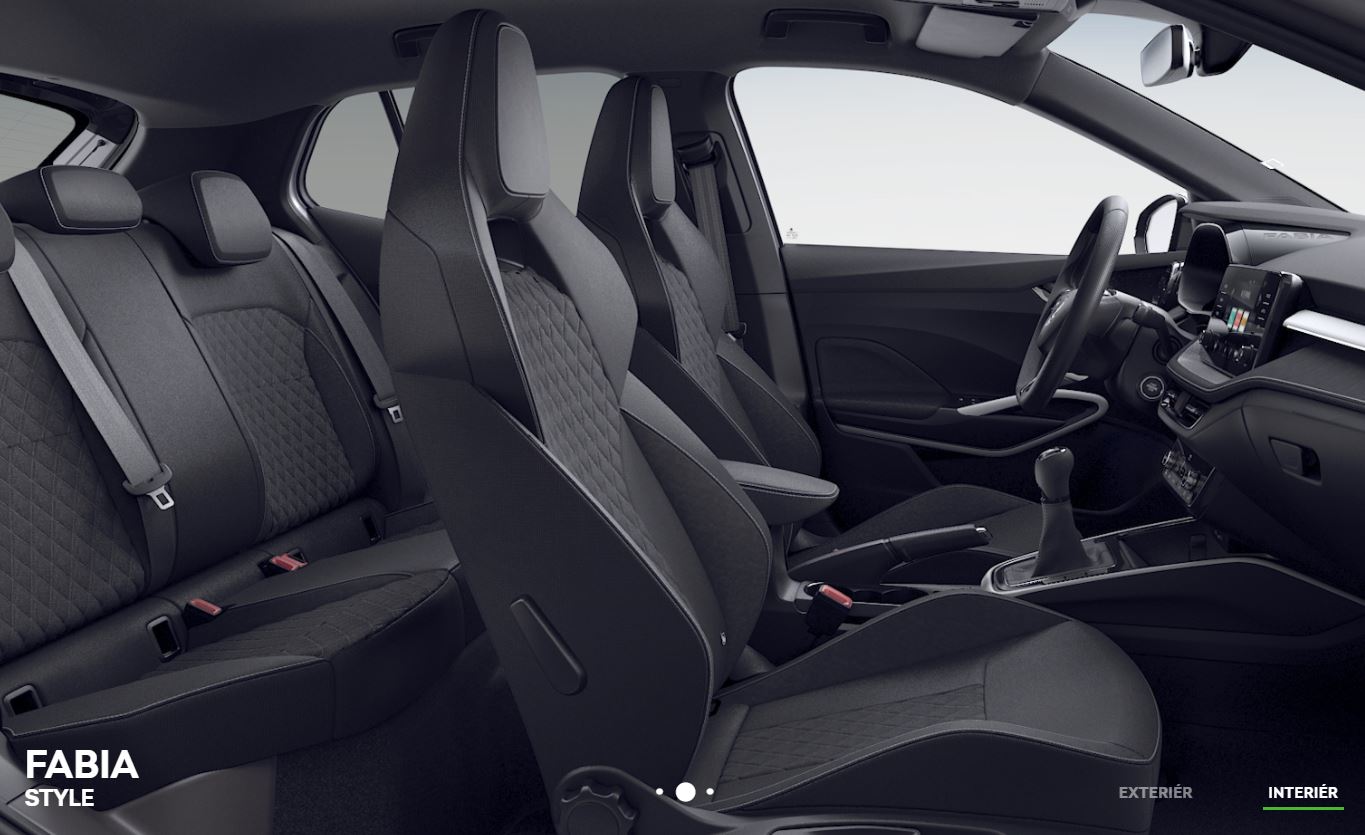
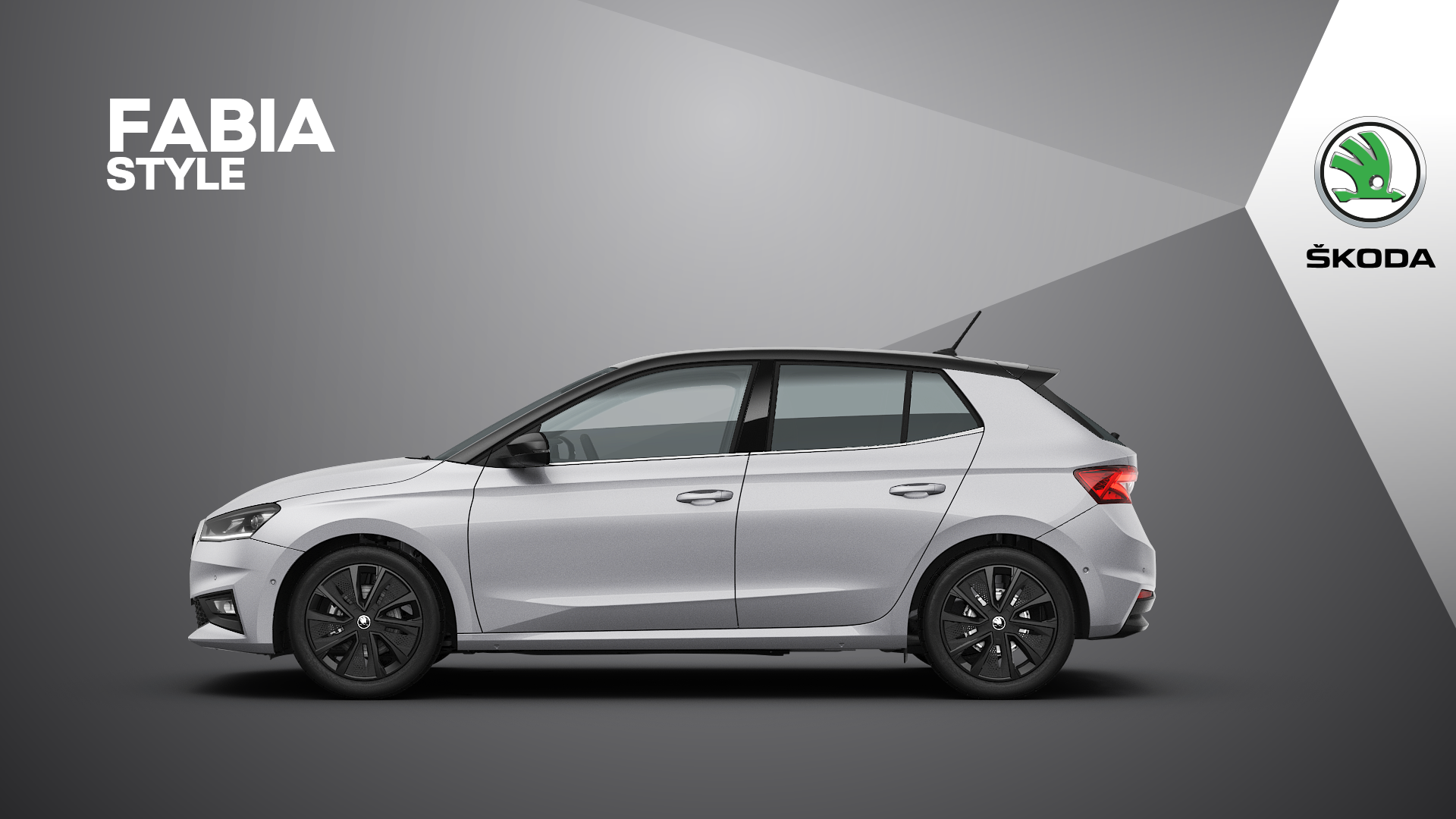
 4 punti4 puntiUna volta si lodavano i tedeschi perché cambiavano poco durante la vita dei modelli "così non le fanno invecchiare". A me sembra sempre più che il marketing non abbia più la funzione di annusare il mercato quanto sempre più di pilotarlo. Le case ci dicono cosa vogliamo (e noi obbediamo) in base a cosa viene loro comodo offrire. Hanno la tecnica? Conta solo la tecnica. Non ce l'hanno? La tecnica é inutile. Cicli vita lunghi? Che bravi, sostengono l'usato Brevi? Che bravi, sempre novità! Ho l'impressione che se chiedi a 100 persone il vero motivo che li ha spinti a una certa scelta, 90 rispondono con affermazioni da cartella stampa.4 puntisi ma l tweet parla nello specifico del centro stile di Torino (che è lì da 15 anni) mettere le immagini di Arese è un errore, a mio avviso chi ha fatto il tweet ha preso le immagini dal link che riporta, credendo fosse il centro stile, anche se è specificato che quello è il museo e il ponte De Dion... il centro stile è stato spostato per motivi ben precisi, tra cui i fornitori (modellerie, aziende di consulenza di stile ed ingegneria ecc..) sinergie e competenze varie. Il senso di lasciare un centro stile isolato da tutto in mezzo ad un centro commerciale o cosa ne faranno qual'era? Non c'era un sito produttivo, non c'era una dirigenza, non c'era nulla...3 punti3 punti3 punti3 puntima il fatto è che il mercato fuori è fatto per il 70%* di non appassionati, quindi se vuoi fare un prodotto che venda, almeno per rientrare degli investimenti, devi mettere le lucine bling bling e gli schermini effetto wow, se non vuoi limitarti la platea dei potenziali acquirenti. Il problema di noi "Petrol Head" è che pensiamo che tutti abbiano i nostri stessi gusti e competenze, invece non è così *numero a caso, ma di certo sono in maggioranza3 punti3 puntiTi sbagli. Il muso di Giulia e Stelvio va modernizzato, ma anche la plancia e la fanaleria posteriore. Chi compra il premium vuole auto all'ultimo grido, non carrozzerie immutate per 6-10 anni. Anche Peugeot l'ha capito e rinfresca l'auto ogni 3 anni. Poi fammi capire...modelli nuovi ogni anno NO....ibrido...aspetta e spera...plancia aggiornata per renderla moderna no... accessori che hanno anche le suzuki ignis...aspetta e spera...adesso ci mancherebbe che non vogliano nemmeno fare un restyling della carrozzeria😳3 punti3 puntiSolterra 😂! Pensavo ad una JV con i Pokemon, sinceramente. Comunque, mi sa che esce meglio del cugino Toyota3 punti3 punti3 puntiLe uniche auto vendicative che ho avuto erano tedesche. Le italiane magari casca la plancia, magari accendono spie a cazzo, ma sono sempre arrivate con le loro ruote dal meccanico o a casa.3 punti3 puntiMa veramente si dipinge uno scenario così. Già ho moglie e 2 figli che impongono la pianificazione dei viaggi. Per l'auto no cazzo, deve essere lei a piegarsi ai miei voleri e non viceversa.3 punti3 puntiAnche a me è capitato qualche volta, infatti non capivo (un po' come quando ti saluta la gente per strada che non conosci o riconosci 😅). Comunque sabato ero a Milano centro e devo dire nel giro di un tre ore ho visto una decina di Giulia (anche affiancate nel traffico) più svariate nei dintorni di Como, un evento ahimè piuttosto raro (al contrario degli avvistamenti di Stelvio, ça va sans dire). Vedendole ho pensato che sarebbe bellissimo un mondo con tante Giulia, a spargere bellezza e proporzioni mozzafiato in mezzo alla monotonia delle nostre città 🥰. E devo dire che nonostante la scarsa distribuzione, fa comunque girare molte teste, viene percepita quasi come "esotica". Tornassi indietro la comprerei 100 volte ancora, non ho dubbi.3 punti6 giorni di « stipendio »... come se io mi prendesse un set medio alto di Lego... 🤬2 puntiPerché è ad Arese che secondo ogni logica dovrebbe essere, non li...2 punti2 puntiAggiungerei.. che nei viaggi estivi verso ad esempio la Riviera Romagnola (settimanali, ma anche quotidiani nel caso dei Bolognesi/Modenesi) ... che se ti trovi nel tappo A1-A14 ci metti mezza giornata a fare 100-200 km sotto il sole che picchia... sta gente elettrificata.. bloccata in mezzo al serpentone... cosa fa?!? .. spegne il clima e si crema dentro l'abitacolo? 😅 Tanto anche se arrivano alla stazione di servizio (ad esempio La Pioppa, oppure Castel S.Pietro ), cosa fanno che colonnine per tutti non ci sono? fanno assembramento in stazione di servizio in stile Pullman delle vacanze?!? 🤣 Sempre che con la loro ricarica di partenza riescano mai ad arrivare in Riviera2 punti2 puntiIl problema è che il valore commerciale di una batteria nuova, non segue le logiche di costo delle materie prime: https://www.renaultgenuineparts.com/renault-295107801r-batterie-traction/ (14,115.31 euro)2 punti2 punti...solo che una id3/4 al momento non e redditizio per VW secondo le dichiarazionie di Ulbrich (CTO VW Group) The profitability equation is a challenge facing not only VW, but other automakers as they transition to volume EVs The new Volkswagen ID4 may be the 2021 World Car of the Year, but there is one thing it is not yet: profitable. The battery-electric compact crossover that began arriving at dealerships nationwide in March is not making money, at least at its current U.S. price, says a high-ranking member of the automaker's board of management. Thomas Ulbrich, the new head of development for VW passenger cars, promises the ID4 will start making money for its parent company at some point in its "first life cycle." It's a challenge faced by automakers as they transition into full-electric vehicles: Current lithium ion batteries require large amounts of mined minerals, such as cobalt. And as global demand for those minerals increases with each newly introduced battery-electric or plug-in hybrid vehicle, so do the cost pressures. While big-ticket luxury EVs should be able to absorb those costs, it will be more difficult for models closer to mainstream pricing such as the ID4, which starts at 36,950 euros in Germany and $41,190 in the U.S. VW reports its U.S. sales quarterly, so the ID4's 474 sales reported in the country so far happened in the last 20 days of March. However, the company took thousands of reservations from U.S. consumers last fall after production began in Germany, and it has been delivering cars nationwide. "As early as you are launching it in the U.S., for sure the car is not profitable. But it becomes profitable over the first life cycle," Ulbrich told Automotive News via video last month. "This is our target, and we will reach for it." Ulbrich identified a number of factors that keep the Tiguan-sized ID4 from making money right away, including teething issues at its single assembly plant in Zwickau, Germany, which also builds the Golf-sized ID3. Beginning next year, VW's Chattanooga plant is expected to begin production of localized versions of the ID4. "It is not just only a question of development of the car, it is also a portion of the ramp-up in the plant. Everything is new, you have not [reached peak] efficiency, and so on. And this is one point of the situation that you really have to optimize, and then it becomes a step-by-step after this ramp-up, including the optimization inside of the product," Ulbrich explained. Cost cannot be ignored But VW may have a more difficult, longer-term economic issue to overcome with the profitability of the ID4 and the rest of its massive, companywide $55 billion global EV plan. Because the minerals used to make batteries are mined, the supplies are likely to become constrained as demand grows, driving up costs, argues Eric Noble, president of CarLab, a consulting firm in Orange, California. "VW surely has the best intentions, but they are playing catch-up," Noble said. "What they will discover with experience is that, as they lower the cost of the packaging and cooling around the cells themselves, the percentage of the battery's cost that is raw materials rises. Those raw materials are earth minerals, and the price of those rise with demand — the same as iron ore, gold, diamonds and crude oil." VW's top management has repeatedly said that its global scale would help make EVs affordable by driving down purchasing costs and democratizing technologies across its brands and global markets. But Noble said that scale does not work when demand is high and wide and supplies are constrained — just as automakers are discovering right now with microchips. "When demand rises, prices rise, too," Noble said. "This is a tough lesson for carmakers used to lowering their costs with volume. These are not assembly costs; they are mineral costs, and mineral prices do not work that way." Before becoming head of passenger-car development Feb. 1, Ulbrich oversaw VW's mobility efforts. "He saw the ID3 and ID4 from sketch to street in record time and made significant contributions to making electric mobility suitable for widespread use," brand CEO Ralf Brandstätter said in a written statement announcing the promotion. Room for improvement Ulbrich said that "the battery is the most important area to optimize for cost; there is no doubt about that." He said the company is focusing its efforts on improving battery efficiency and reducing its costs for raw materials, separators and thermal management systems. Companywide, it is targeting a 350- (563 km) to 400-mile (644 km) range for most of its EVs over the next few years. "I'm sure that we will come down on the cost with the chemistry, but I hope we can accept that we are not talking about the final figures today," Ulbrich said. But, he added, if EV ranges are ever to go higher, "then we are talking about solid-state batteries." VW has invested $200 million so far in QuantumScape, a California company developing solid-state batteries that it claims will dramatically improve energy storage capabilities and reduce charging times. "We are really paying attention [to] this technology and the evolution of this technology. I think this will be really driving range higher than what I've mentioned. This will be the technology which is needed," Ulbrich explained. "Otherwise, the batteries become too big, too heavy and too inefficient for weight that you have to cover on the drive." Noble said that the steadily falling battery costs of the past few years are likely to level out at around $100 per kilowatt-hour using current chemistry and then fluctuate with mineral prices. "If and when the solid-state battery is ready for prime time, things could change," Noble argued. "But VW shareholders, or German taxpayers, had better be prepared to massively subsidize every full VW BEV until then."2 puntiil 90% delle 812 competizione vedrà la pista tanto quanto io ho visto la palestra in quest'anno e mezzo di lockdown (ed in generale negli ultimi 10 anni..)2 punti2 puntiDisponibile il configuratore per la Repubblica Ceca, gli allestimenti disponibili sono due: Ambition e Style. Il tetto a contrasto lo si può avere nero o grigio. Interni con i sedili sportivi. Ho fatto una configurazione veloce.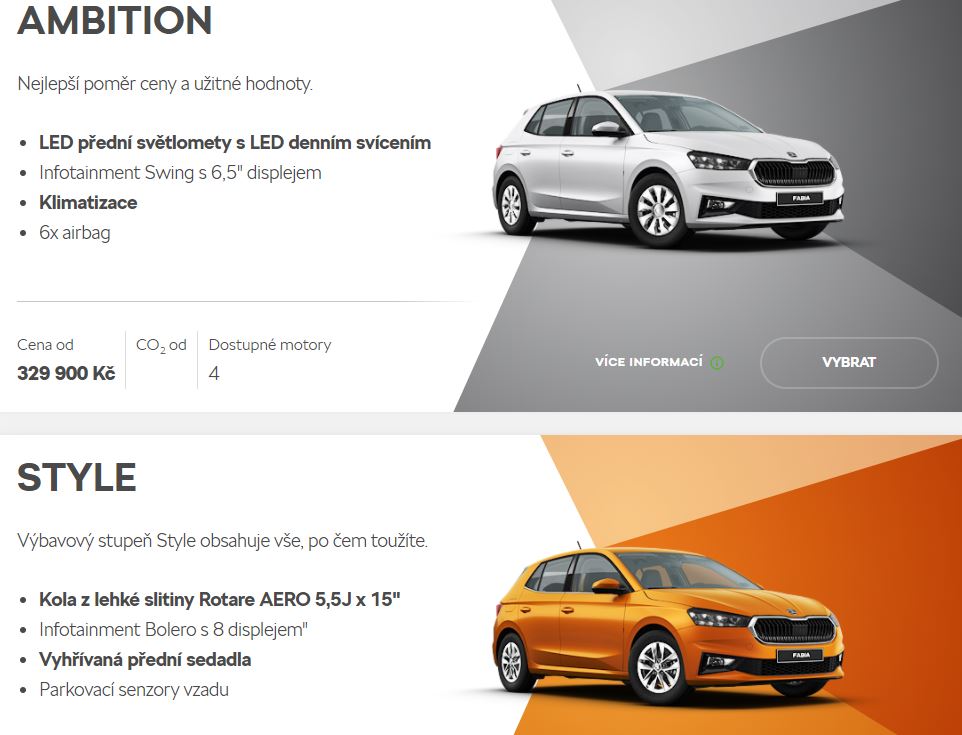
 2 puntima infatti non si capisce questa storia del "ma é solo un elemento di stile?" perché, cosa ci sarebbe di strano? un'auto come questa é al 70% stile, mica deve fare le corse! poi cosa avete contro lo stile? lo stile é arte applicata, e in italia da che mondo é mondo si é sempre fatto il migliore stile possibile! cos'é questa mania del funzionalismo a tutti i costi? il funzionalismo lasciamolo alle macchine utensili! anzi neanche piú a quelle perché attualmente anche torni e frese hanno delle carrozzerie altamente stilizzate!2 punti2 puntiSe penso a cosa costa il pacco batterie di una 500E voglio proprio vedere se tra 8 anni te lo regalano 🤭2 punti2 puntiappunto, ha più una funzione di stile che di aerodinamica, e ben venga! Nessuno dice che non debba esserci, anzi, ma solo che è lì per un altro motivo, non di certo per l'aerodinamica. Poi con ma sfondi una porta aperta, se non sono contento io che si dia importanza allo stile chi dovrebbe esserlo? Concordo con te che anche gli elementi aerodinamici debbano essere disegnati, d'altronde è una vettura da vendere è che fa status, non una macchina da pista e basta2 punti2 puntiJalabert diceva che quando scattava Pantani, lui si voltava dall'altra parte. Ecco, io quando vedo scritto Cironi, faccio come Jalabert. Perdonatemi, è più forte di me... P.s. Sono assolutamente conscio che il ragazzo è appassionato e che non guardando i suoi video potrei perdermi contenuti interessanti. Anche Jalabert era conscio di essere una pippa in salita.2 puntiok, @savio.79 ho fatto i compiti, nel video parla di sfogo dell'aria calda dei radiatori... io ho detto: quello che intendevo dire, è che non ha una vera e propria funzione che va carico aerodinamico (ala) ma solo un' ottimizzazione dei flussi...2 punti2 punti16+55+7 fa 78, non 100... ora capisco perché non tornano mai sti cacchio di dati che analizzano!!!2 punti2 puntiFa girare la testa perché in mezzo ai tanti furgoni e camioncini vari svetta per bellezza di proporzioni e armonia delle linee … ☏ iPhone ☏2 punti2 punti...mah.... ..e adesso fai la calcolazione con 1750kg e con 2500kg ... 😁
 2 punti2 puntidiscorso un po' relativo e - se permetti - anche un tantino semplicistico. perché nel caso ideale di poter ricaricare comodamente a casa resta che una elettrica come auto unica di famiglia è ottima finché resti nel suo raggio d'azione, ovvero diciamo una distanza data da autonomia teorica -20%, diviso due. che per una elettrica "media" (quindi dal costo almeno abbordabile) oggi significa non andare tanto oltre i 100/120 km da casa. fuori da questa comfort zone si entra nel mondo del "devo pianificare consumi percorrenze soste itinerari", cosa che può trasformare una gita fuori porta (come quella che ho fatto io ieri) in una roba dove anziché portare a spasso mia moglie proto a spasso l'auto, che diventa la protagonista della giornata2 puntiEviterò, per decenza, qualsivoglia battuta sulla maniglia del frigorifero.2 punti2 puntiPensiamo ad un'area di servizio con una dozzina di colonnine da 700 kW in uso in contemporanea... mai, mai scorderai l'attimo, la terra che tremò l'aria s'incendiò e poi silenzio (cit.)2 punti2 puntiIo non sono più credente ma quando lo ero tutti mi prendevano per il culo. Di questi uno si è fatto prete e gli altri li vedo con le loro lucide macchinine che di domenica vanno alla messa. Tutto può cambiare... prima erano tutti alfisti tutti volevano la trazione posteriore ora vedo la gente sfondata di rate su suvvetti bmw e audi a trazione anteriore... tutti erano capaci a fare gli alfisti quando le 75 e le alfettA si prendevano a 500 euro... ora che una Giulia benzina il meno che costa costa 45.000 euro tutti con la fiaba di Esopo della Volpe e l'uva...2 punti2 puntiNon se capita anche a voi… di incrociare altre Giulia e essere “salutati” … a me sì capitato più volte … ma la cosa buffa è che oggi mi è capitato di essere salutato anche dai motociclisti [emoji2957] È una macchina speciale… non c’è niente da fare ☏ iPhone ☏2 punti2 puntiGiusto per capirci, l'equivalente di 350 forni casalinghi accesi contemporaneamente (oppure lavatrici mentre riscaldano l'acqua) o anche 600 condizionatori da 12000 btu impostati a 16° a luglio [emoji56]. Ragazzi cerchiamo di renderci conto dei numeri che ci propinano per sostenere un qualcosa. Mi sembra che per avere 700kw di potenza c'è bisogno della media tensione e una cabina di trasformazione presso l'utente che ne fa richiesta ☏ WAS-LX1A ☏2 punti2 puntiCalandra sviluppata in altezza che si collega ai fari a formare una "T", fari sottili con la parte esterna più ampia dell'interna. Avanguardia pura, originalità stilistica 101. Io così:2 punti1 punto1 punto1 puntototalmente immaginario il grafico del segmento B (soprattutto i prezzi medi delle ICE)1 punto1 puntoSe acquisti nuovo un cerchio in lamiera con un pneumatico secondo me stai sotto i 100€.1 punto1 puntoLa Leaderboard è riferita all'orario Roma/GMT+02:00

























Account
Navigation
Cerca
Configure browser push notifications
Chrome (Android)
- Tap the lock icon next to the address bar.
- Tap Permissions → Notifications.
- Adjust your preference.
Chrome (Desktop)
- Click the padlock icon in the address bar.
- Select Site settings.
- Find Notifications and adjust your preference.
Safari (iOS 16.4+)
- Ensure the site is installed via Add to Home Screen.
- Open Settings App → Notifications.
- Find your app name and adjust your preference.
Safari (macOS)
- Go to Safari → Preferences.
- Click the Websites tab.
- Select Notifications in the sidebar.
- Find this website and adjust your preference.
Edge (Android)
- Tap the lock icon next to the address bar.
- Tap Permissions.
- Find Notifications and adjust your preference.
Edge (Desktop)
- Click the padlock icon in the address bar.
- Click Permissions for this site.
- Find Notifications and adjust your preference.
Firefox (Android)
- Go to Settings → Site permissions.
- Tap Notifications.
- Find this site in the list and adjust your preference.
Firefox (Desktop)
- Open Firefox Settings.
- Search for Notifications.
- Find this site in the list and adjust your preference.