




Classifica Utenti
Utenti più Apprezzati
(Scegli il periodo) Utenti più Apprezzati
(Storia giorno per giorno) Classifica dall'Origine
(da Marzo 2003)
(Scegli il periodo) Utenti più Apprezzati
(Storia giorno per giorno) Classifica dall'Origine
(da Marzo 2003)


.webp.b3606aa5b72bc7ff92168dc239e261f0.webp)

Contenuti più Popolari
Stai visualizzando i contenuti con il più alto punteggio, pubblicati in data 12/29/23 e localizzati in Risposte
-
Solo per dire che la maniglia posteriore finta al centro della portiera è heritage. 😂

 9 punti
 -
7 puntiNon capisco questo voler posizionare, da parte degli autopareristi, la Lancia al livello di prezzo di una generalista. Negli ultimi decenni i modelli Lancia sono partiti da una base Fiat ma con livelli di allestimento superiori e il prezzo di conseguenza è stato sempre superiore.6 puntiPur essendo fan della Fulvia Zagato per me le quattro forme richiamano le quattro prese della Fulvia coupé hf
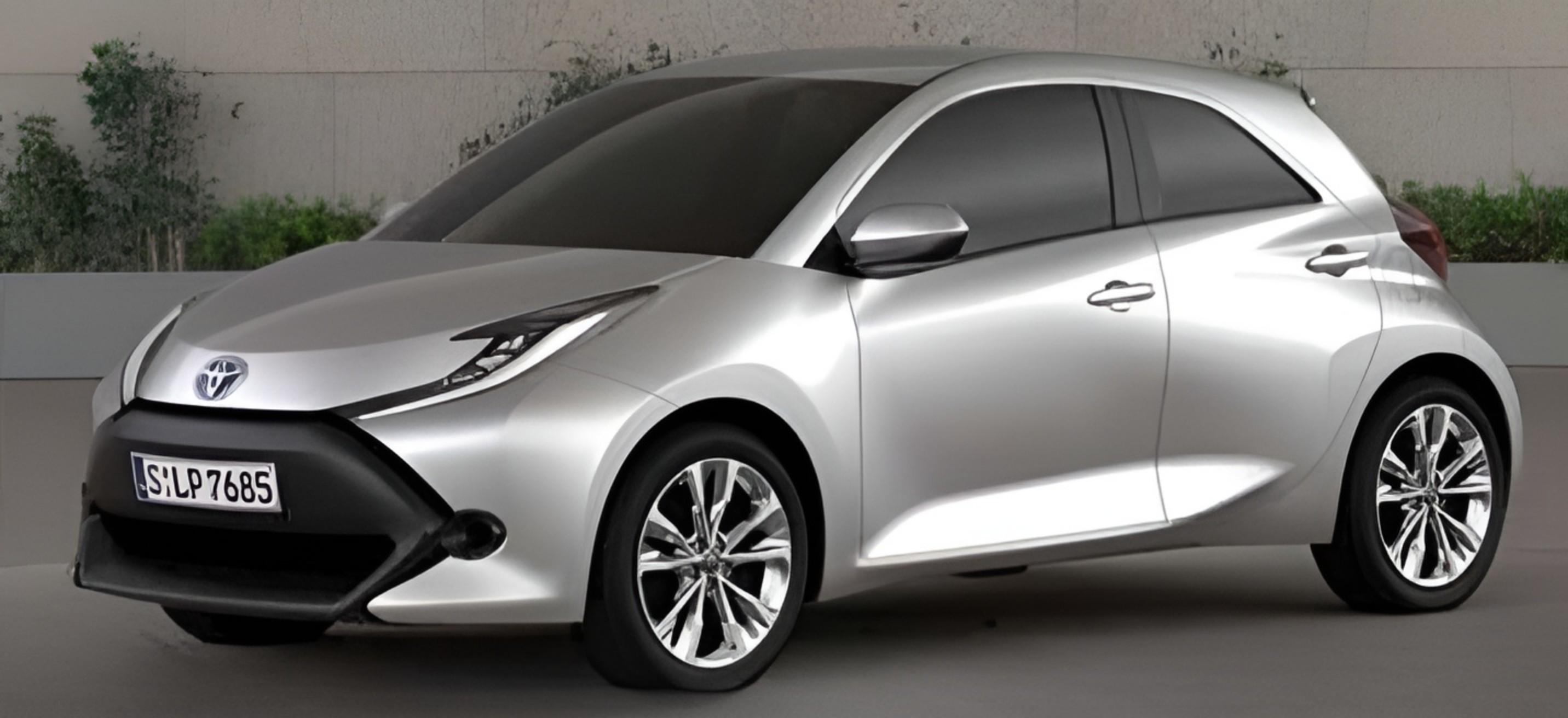
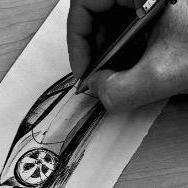
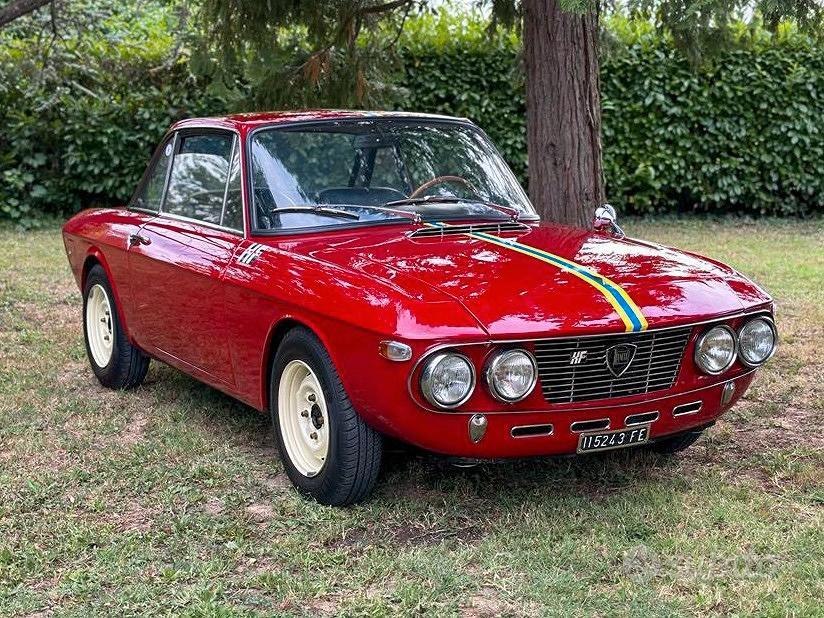 5 punti4 puntise sei interessato, questa è la proposta di design della Toyota Yaris (XP210) del 2020. Penso che tutte queste proposte siano una scelta molto migliore rispetto al progetto finale Designer: Yasunori Suezawa, Takashi Uehara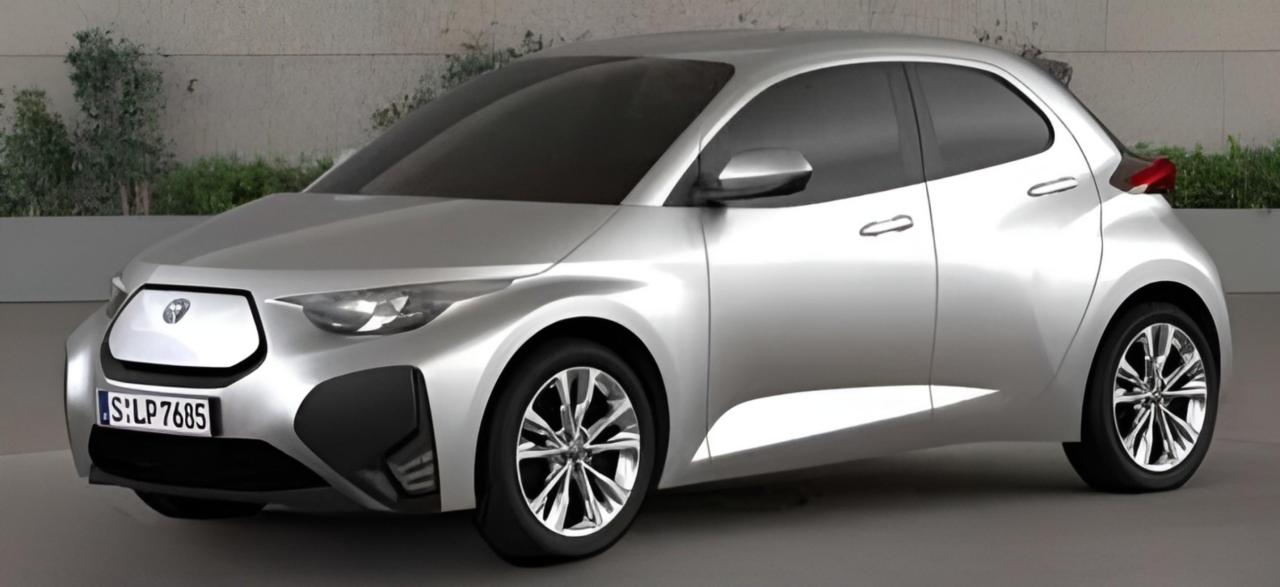
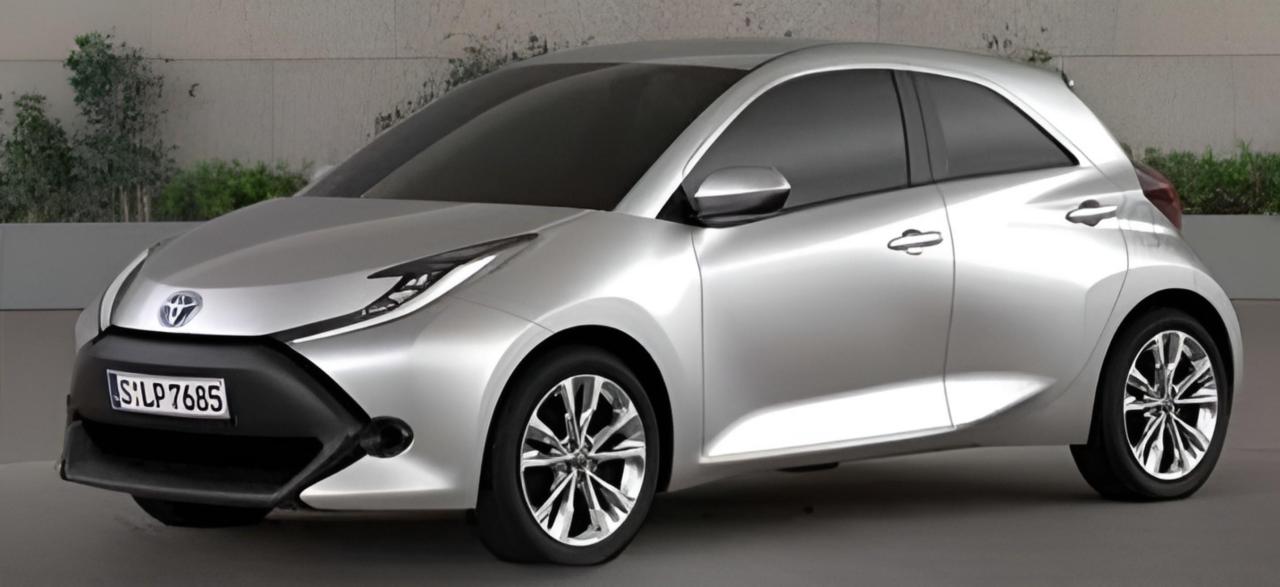
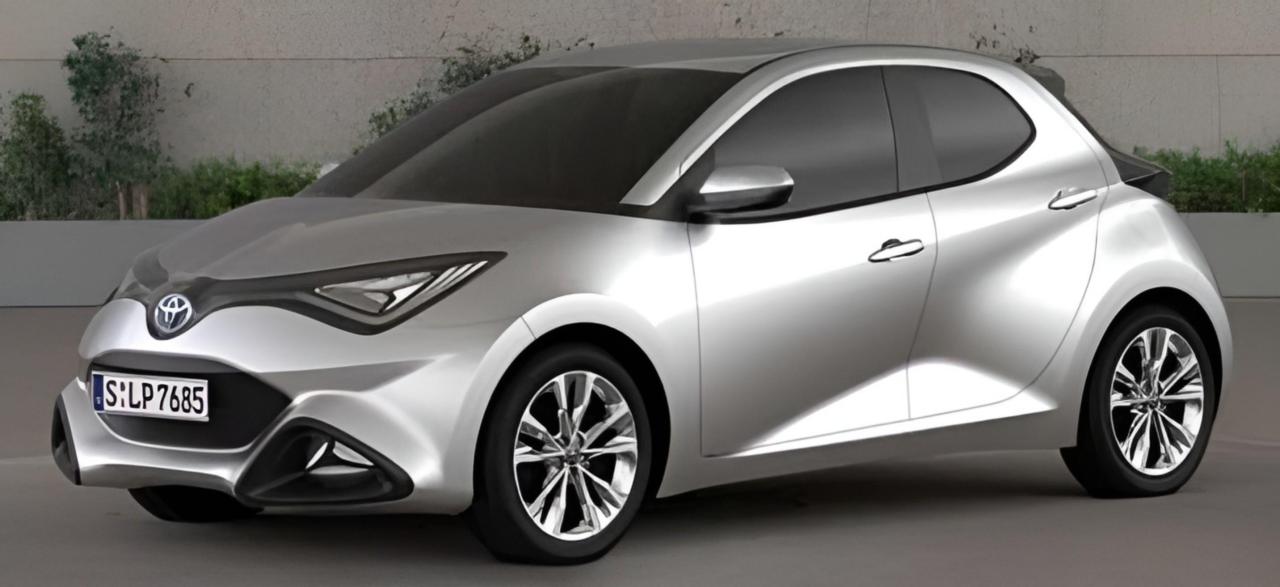 4 puntiSono curioso di vedere quanto questa strategia pagherà, quanta gente c'è disposta a spendere tali cifre per seg. B di marchi che fino a ieri trovavi nei corridoi dei centri commerciali? Io, per quanto voglia bene al gruppozzo e sia abbastanza nazionalista, Alfa Giorgio a parte non comprerei nulla di Stellantis e mi dispiace veramente tanto visto che fino a 5-10 anni fa non avrei avuto dubbi.4 punti4 puntiA me paiono assurdi gli incentivi tutti, ma visto che li spacciano per incentivo alla mobilità elettrificata per ridurre il delta prezzo con le ice, mi paiono ancora più assurdi e demenziali se possibile su ice. Esiste un mercato, se le auto sono troppo care non si comprano e si regolerà da solo, o dando più spazio a vetture economiche low cost, o abbassando i prezzi (e infatti dopo il covid proprio in questo periodo di fine incentivi stavano tornando sconti importanti un po' in tutti i brand, espliciti o mascherati). Gli incentivi servono solo a far salire di più i prezzi, a impedire una sana programmazione della produzione con domanda che diventa a scalini, e finiscono in realtà nelle tasche delle case produttrici o degli importatori, visto che aumentano ad hoc i prezzi.4 punti4 punti3 puntiSe non rottami nulla che vantaggio c'è per l'ambiente? Aggiungi un'auto nuova che solo per produrla dai un impatto enorme, e non ne togli di mezzo neppure una vecchia? Far girare i soldi non c'entra nulla con l'ecologia, e non c'è bisogno di nessuna droga pagata dalla collettività per fare in modo che accada. Altrimenti perchè non un bell'incentivo per comprarmi i jeans? E uno per comprarmi un orologio? E si potrebbe continuare a lungo.3 punti3 puntibeh, è la proposta ufficiale di design della Toyota, 😂😂😂, a proposito, ecco il profilo laterale di queste auto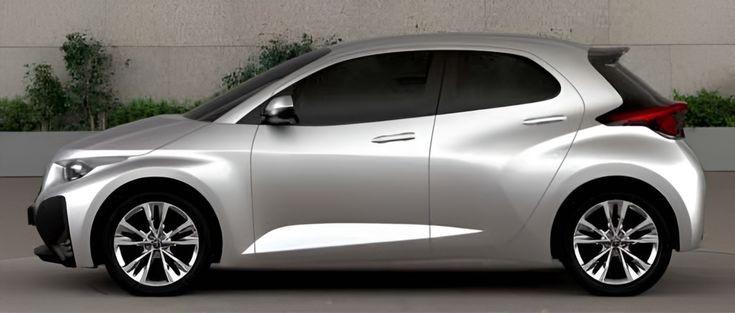
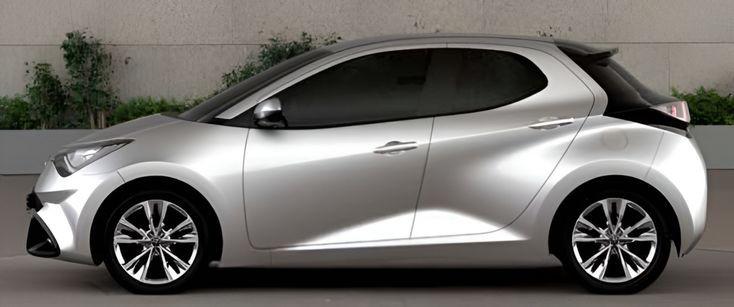
 3 puntiFonte: Corriere della Sera e MotoriSuMotori Maserati secondo Copilot.
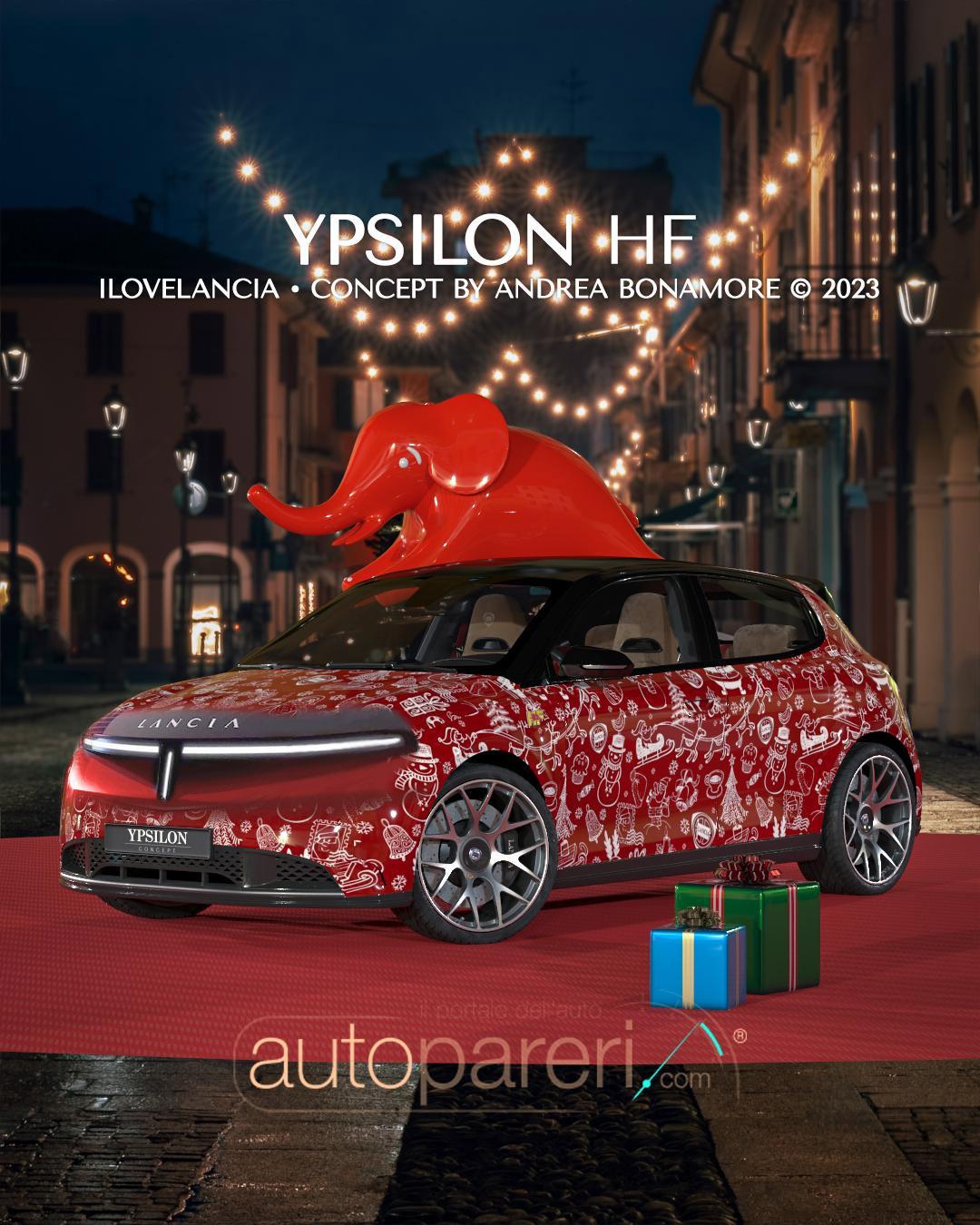
 3 puntila Mk.I è insuperabile, però devo fare coming out, ho sempre avuto un debole per questa poi coi cerchi Detroit3 punti3 punti3 puntipiù o meno sarebbe così anche se la nuova ypsilon sembra più alta di muso
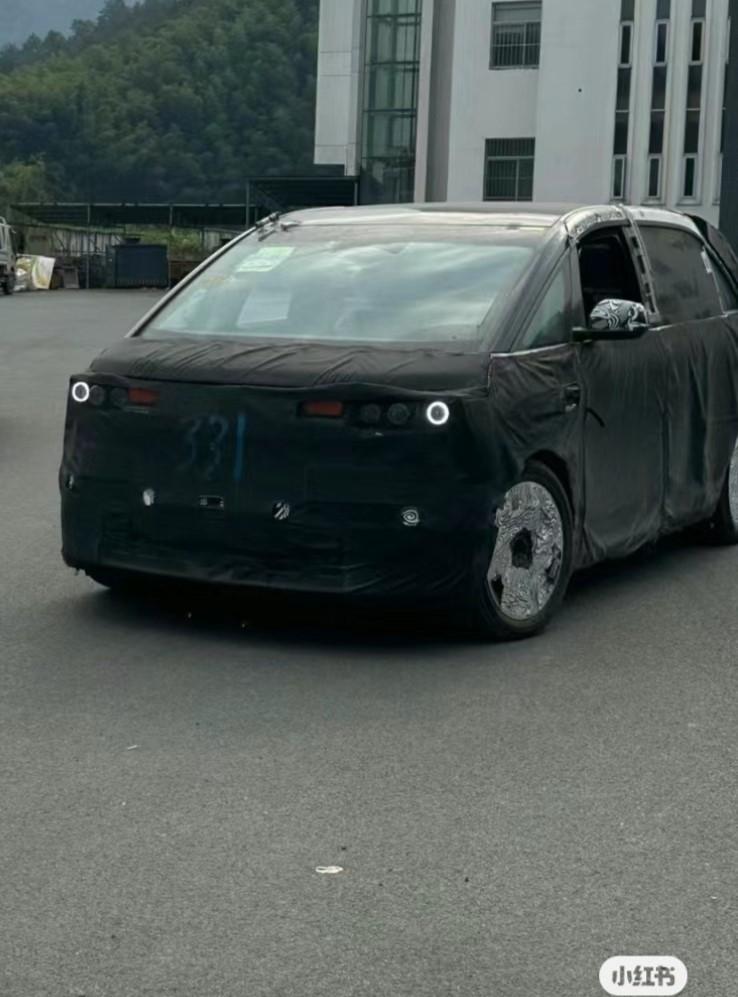
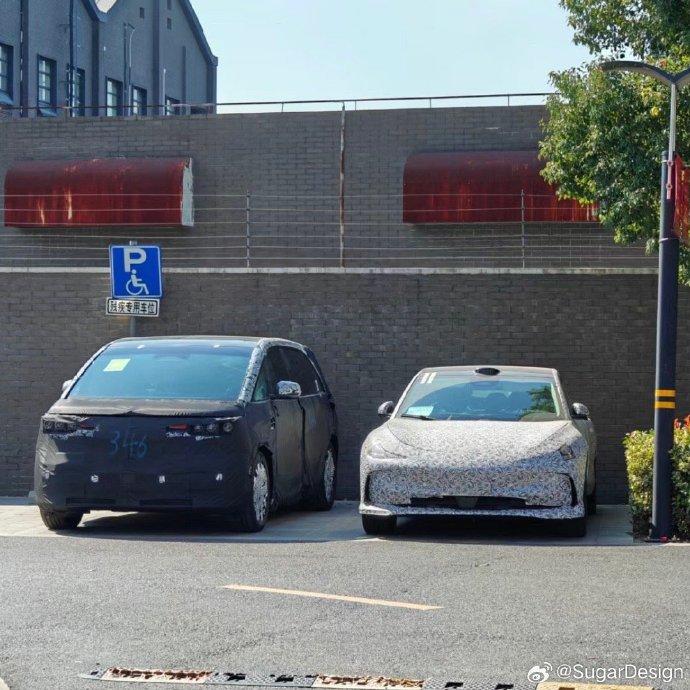
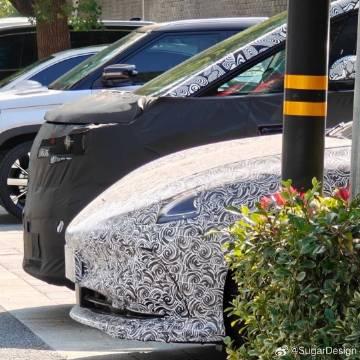
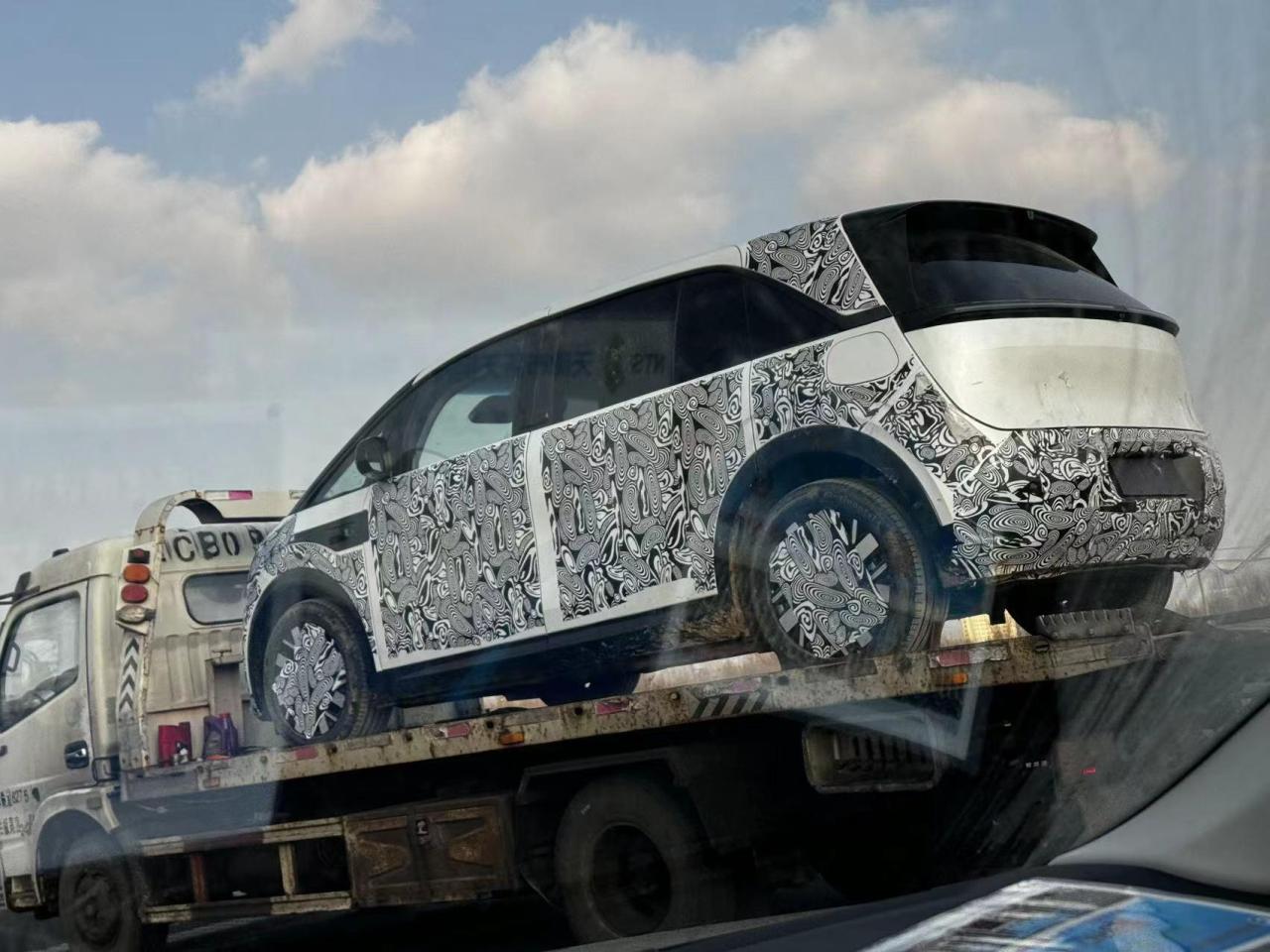
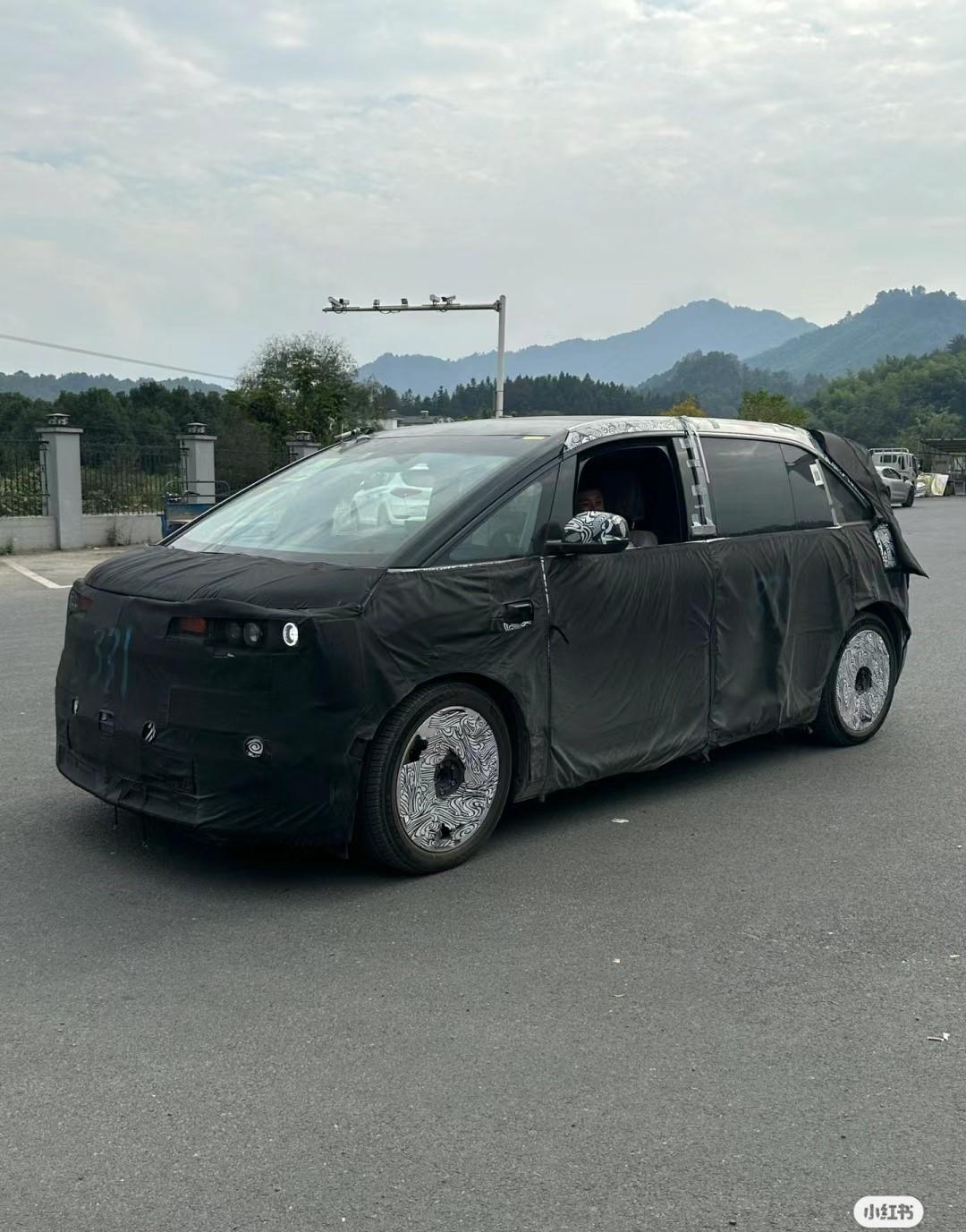
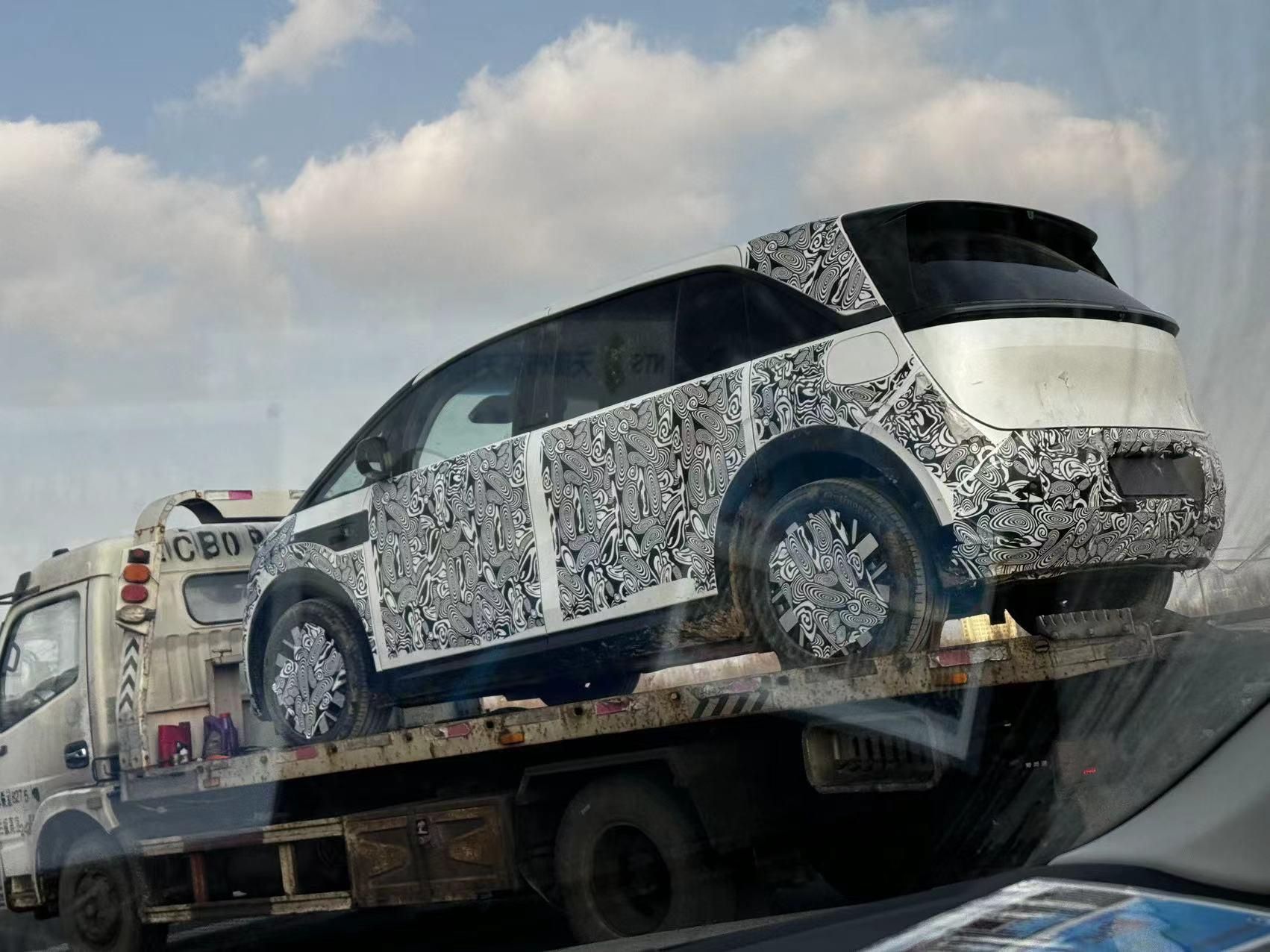
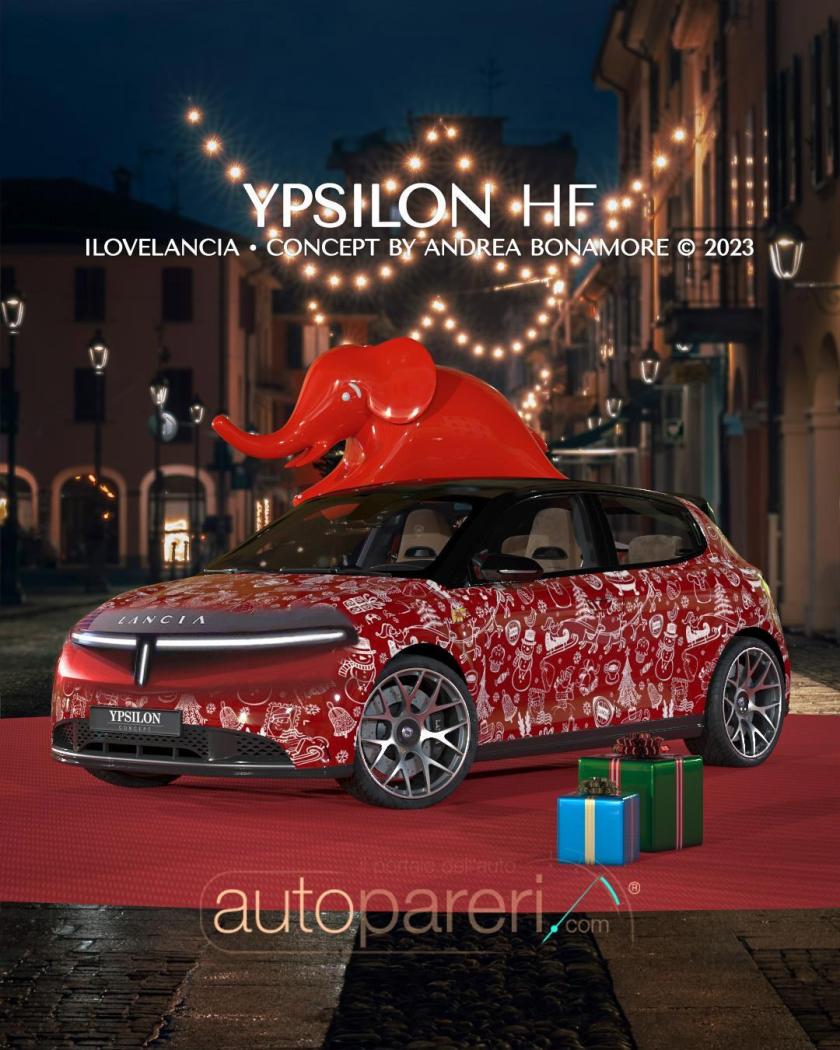 3 punti2 puntiLa tristezza che provo ogni volta che leggo qlk su Stellantis......solo sapere di nuovi modelli Zeekr... riesce ancora ad emozionarmi e compensare la desolazione. Idem per questa MPV..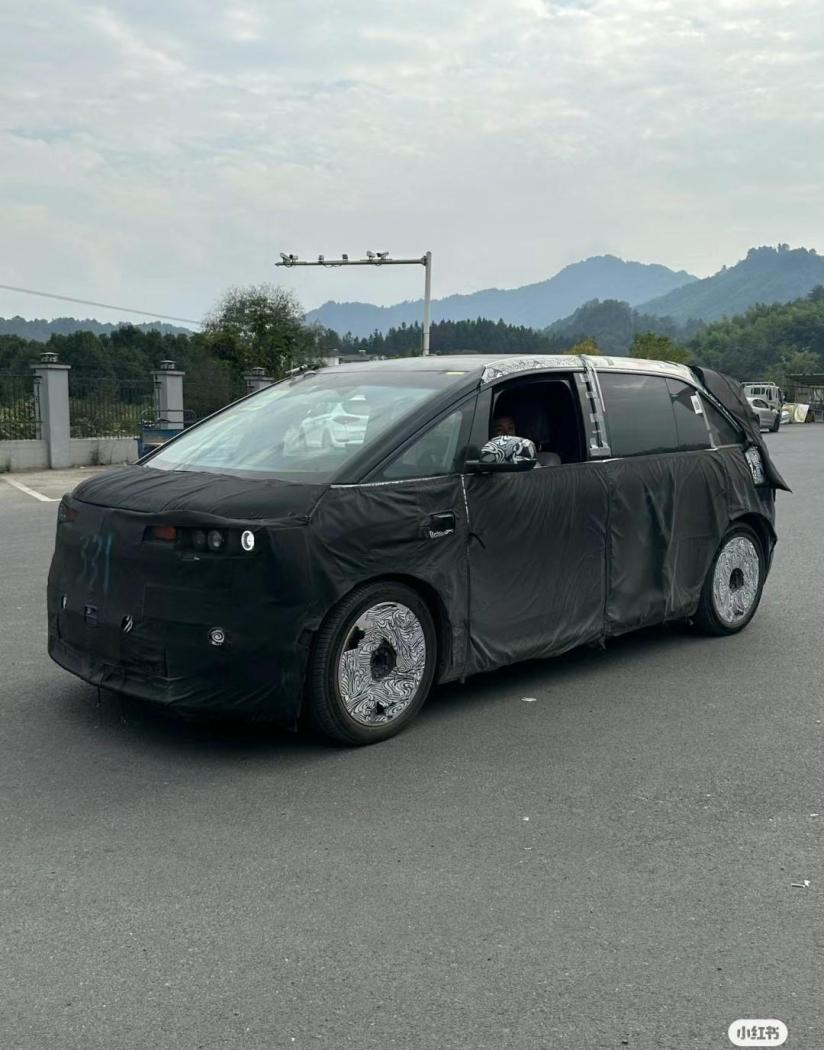
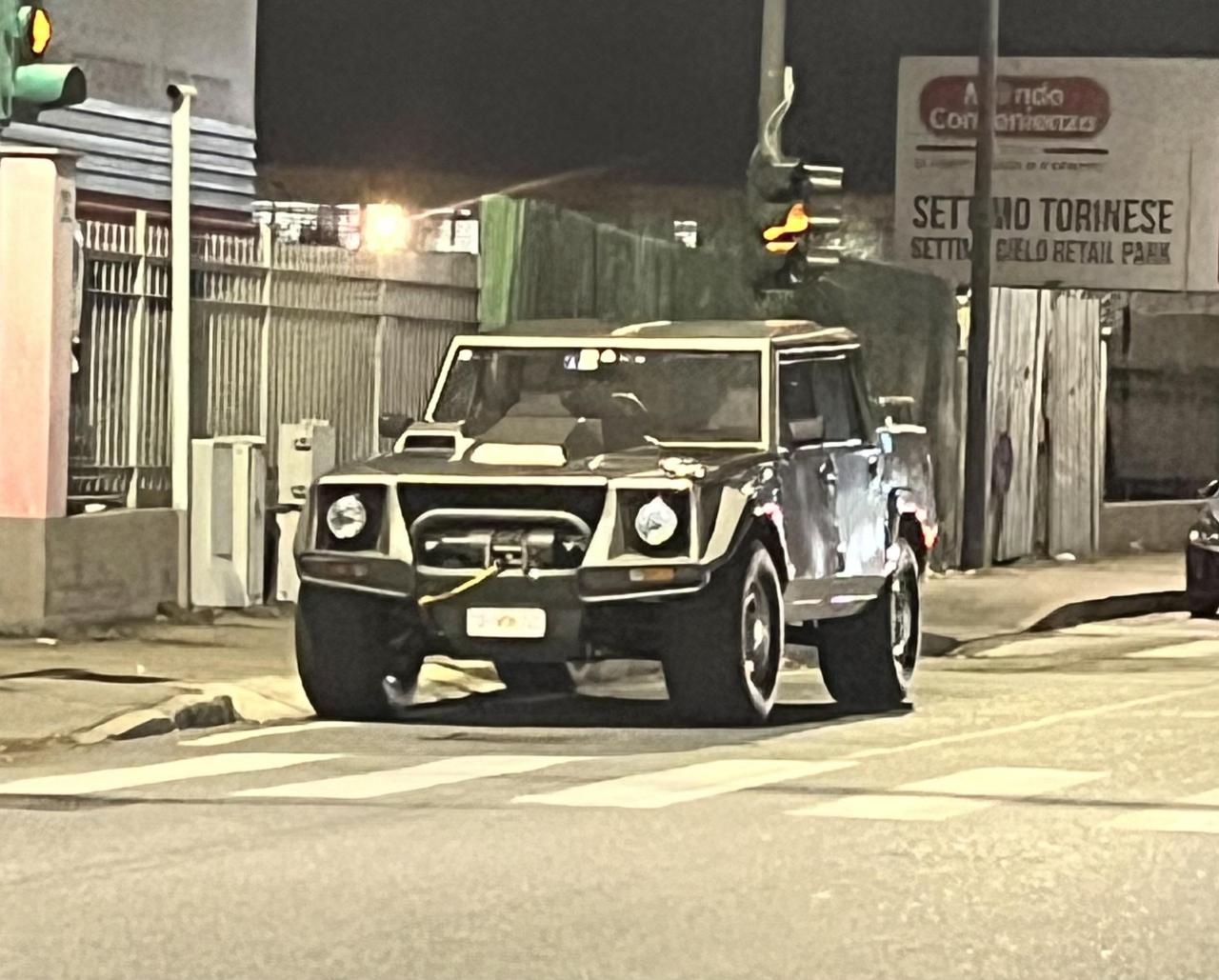
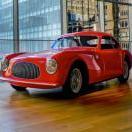
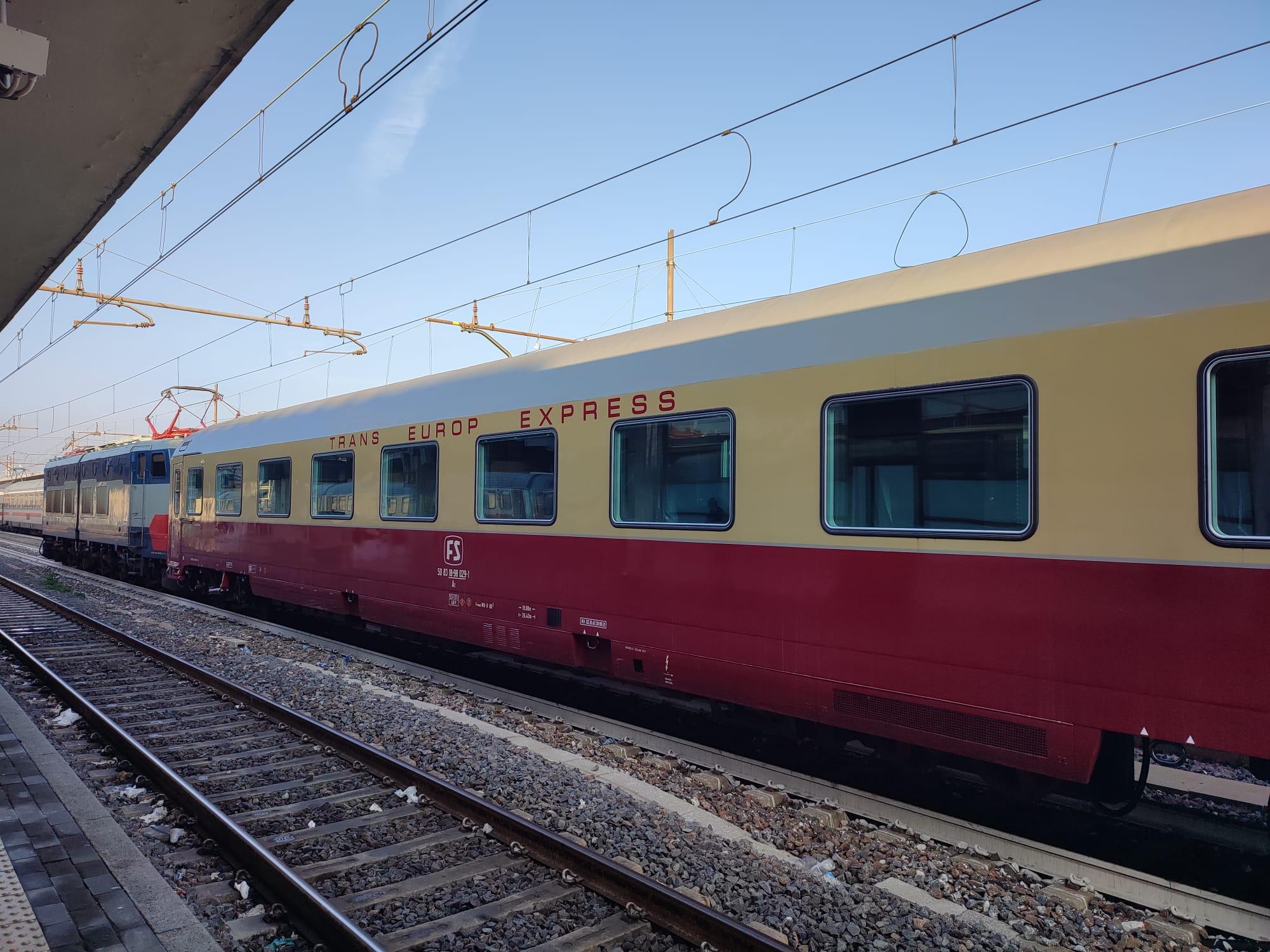
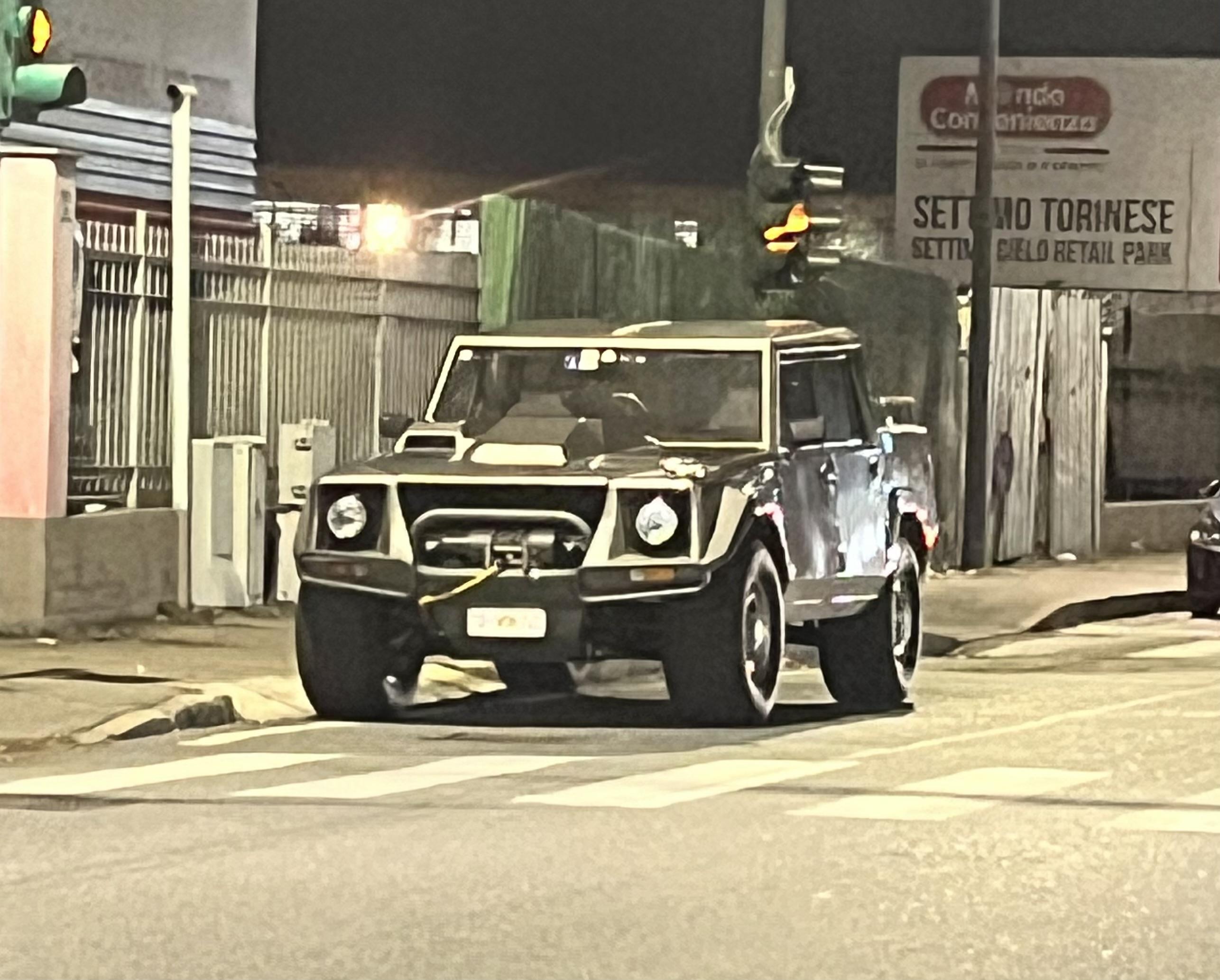
 2 puntiQuesta vale?era oggi a Bologna,Fiat ferroviaria😀
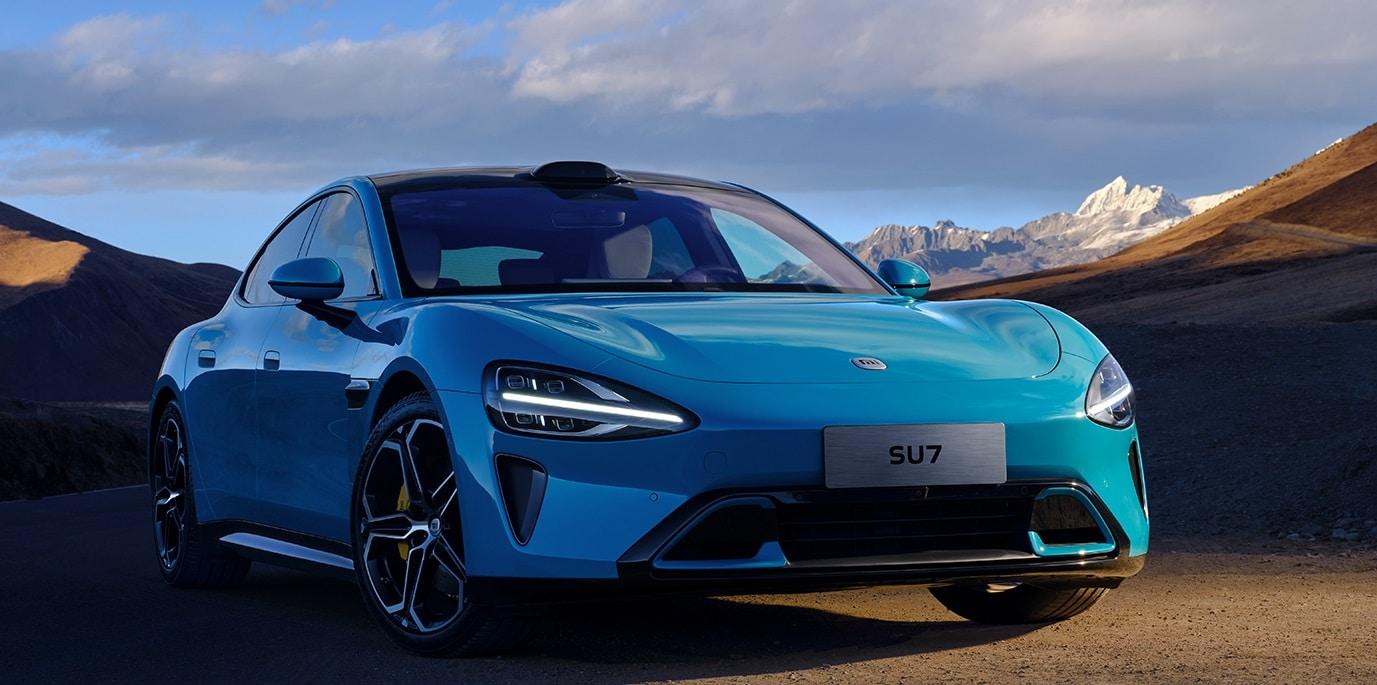
 2 puntiSì... ma è un progetto nato in Cina, su tecnologia cinese. E non dico che questo sia un male, eh... Però, pregiudizi per pregiudizi...2 punti2 puntiIl dramma della gamma Maserati non è l'aver solamente congelato la 4P che doveva sostituire 2 progetti morenti da diversi anni(Ghibli e la vera 4P), ma vedere il prossimo nuovo modello in gamma nel 2027. Capiamoci, solo quando si tratta di FCA/STLA vedo tempistiche di lancio così dilazionate nel tempo, modelli non sostituiti oppure modelli che cambiano di formato/segmento a seconda delle occasioni delle auto che si possono ricarrozzare. Il mio augurio, a maggior ragione dopo questa notizia e dopo aver visto le vendite non entusiasmanti di prodotti meccanicamente eccellenti come Grecale e Granturismo*, è che Maserati cambi gestione e proprietà. STLA per modi di fare non ci azzecca nulla con Maserati, questo è l'unico brand in cui non si possono ricarrozzare peugeot e farla franca. *Sulle vendite di Grecale e Granturismo molta della complicità la vedo anche in un reparto marketing e in un gruppo di dirigenti che campa di meriti pregressi, delle vere teste di legno senza nè arte nè parte.2 puntiper me una 750cv, grazie. Fossi ricco in maniera vergognosa questi "remake" li prenderei tutti: questa, 037, Singer col motore Cosworth...2 puntihttps://www.carscoops.com/2023/12/maserati-quattroporte-ev-reportedly-on-hold/ "Secondo il Corriere Torino , i fornitori sono stati informati a fine novembre che il progetto M9S era “sospeso” e che avrebbero dovuto “congelare gli sviluppi relativi al progetto” Direi malissimo. Se Maserati non riesce ad avere un posizionamento neanche con Stellantis, non so che aspettarmi.2 punti2 puntiNon sono noiosi per me 🙂 (la Gs line secondo me è parecchio gradevole). Parlo dei gusti della "massa".2 puntiDipenderà dal valore che percepiranno i potenziali clienti. Perchè tu che vendi puoi posizionare dove vuoi, ma se poi chi compra non percepisce il valore aggiunto di prezzo che chiedi, rimangono nelle concessionarie, e in Stellantis sono bravi in questo (vedi quote di mercato in continua discesa e prezzi sempre più gonfiati).2 punti2 puntiLa G Punto mi è sempre piaciuta ed esteticamente è quasi perfetta. Pulita, semplice ma al tempo stesso proporzionata e in alcune angolazioni più piazzata di quel che è. Con Bravo il tutto non fu replicato e nacque un pachiderma sulle linee estremizzate di Giugiaro. Peccato.2 punti2 puntiFollia questi incentivi. Pagare con le nostre tasse una piccola somma per incentivare l'acquisto mi sta bene ma pagare 1/3 o più dell'auto a qualcuno è una cosa folle!2 punti2 puntiPeccato averlo incrociato mentre ero di fretta
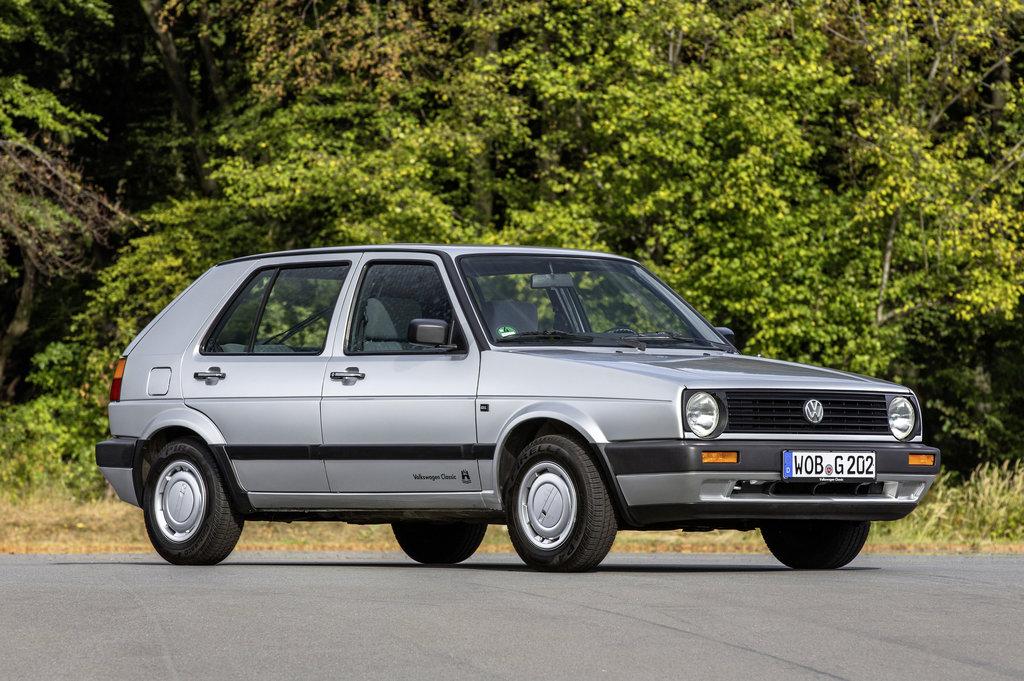
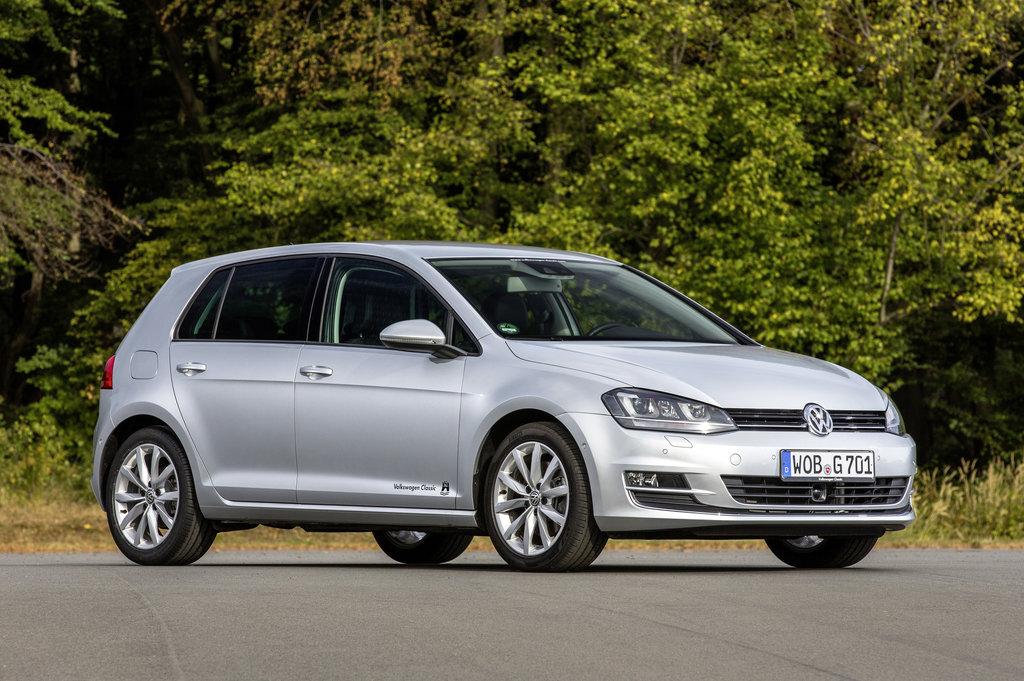
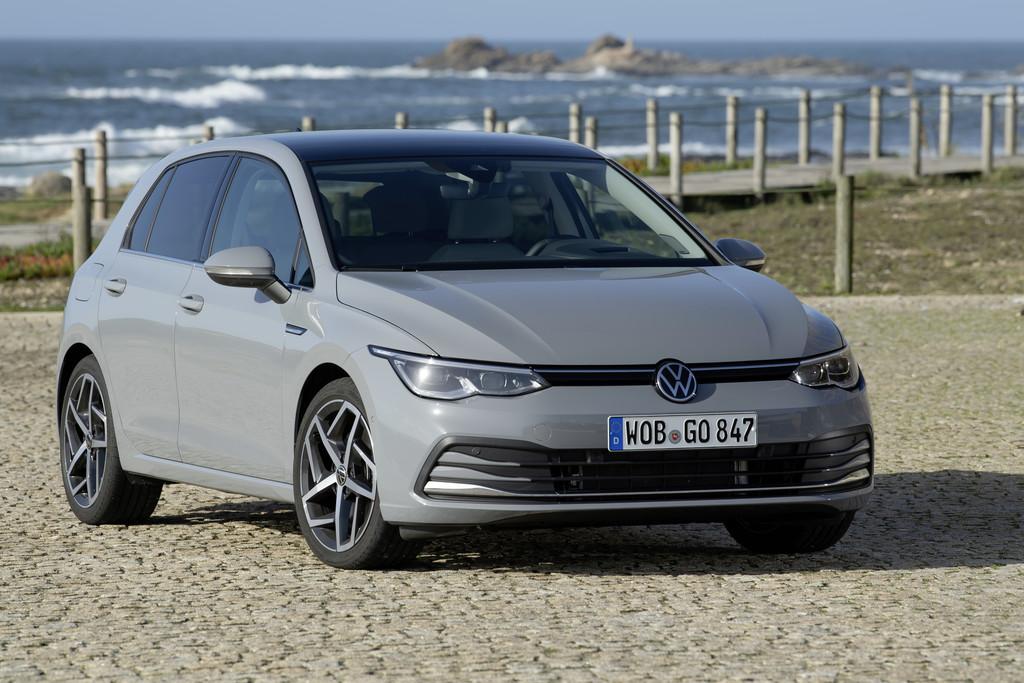
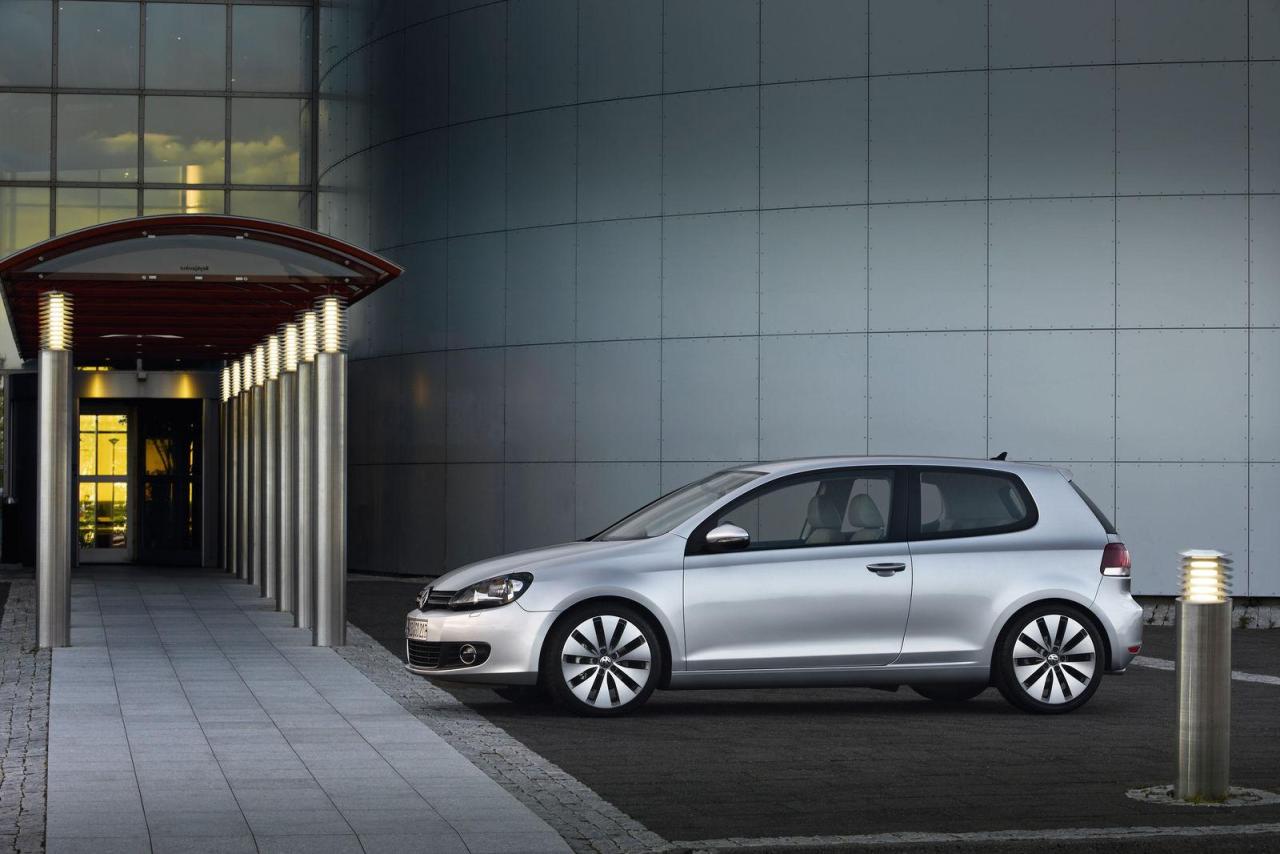
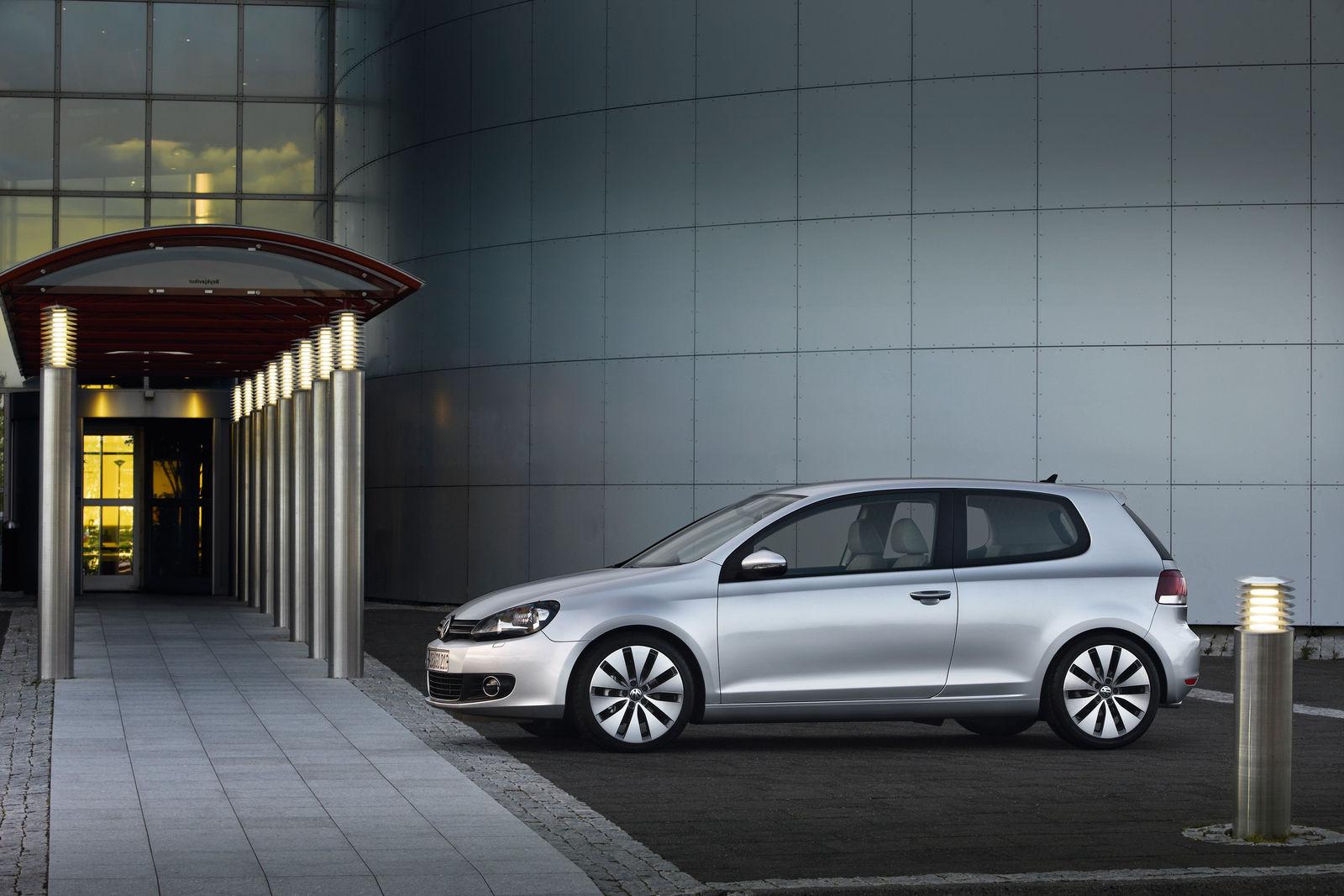
 2 punti1 punto1 puntoIo negli ultimi anni mi sono fatto l’idea che le auto piccole (in generale) siano molto più larghe delle precedenti generazioni per risparmiare sui costi di allargamento del pianale per le rispettive versioni rialzate, ovvero: non importa se la segmento B “bassa” è più larga del solito, ma almeno la “cross” non sarà troppo stretta e alta. Quindi credo personalmente che sia un effetto collaterale della condivisione.1 puntoCome ben si vede in foto c'è molta umidità, i vetri sono appannati e per questo non si vedono i riflessi di luce che normalmente si vedrebbero. Ma poi mi domando: Esisteva l'Ulysse col tetto in tela? Mai vista in vita mia. Quelle poche che ricordo di aver visto col tetto apribile erano in vetro.1 punto1 punto1 punto.... che parte da 136cv per arrivare a 231cv nelle versioni a benzina1 puntoOddio le francesi all’epoca avevano ancora quei comandi al volante cretini con una plancetta al lato destro scomodissima che monta ancora la Duster… e la leva per alzare il cofano di plastica scadentissima che dovevi per forza aprire lo sportello, cioe io la ruppi sia su una C3 che su una 207, certe scelte cretine ed economiche. E se non sbaglio avevano pure l’asta del cofano al contrario. Punto non era campionessa di affidabilità (infiltrazioni faro, cambio che si impunta, sterzo che si blocca come pure su Mito, mi è successo in autostrada fortunatamente in una coda al casello) ma almeno era studiata bene1 puntoEccovi un recap generale della storia di VW Golf. Golf 1st Generation (1974 - 1983) Beetle successor. The first Golf in series production was produced at the Volkswagen plant in Wolfsburg at the end of March 1974. The official market launch started in May. Prior to this, the Beetle and thus the rear-mounted engine and rear-wheel drive had shaped the Volkswagen brand for decades. But now, with the first Golf, a new era finally began: that of the front-engine and front-wheel drive. This movement had been initiated a few weeks earlier by the Scirocco and the Passat, which had already been introduced in 1973. However, the first VW with a front-engine and front-wheel drive was the K70, presented in 1970 and taken over by NSU. The fact is that with the Golf, the highest-volume class had now also been converted to the new technology. As the successor to the Beetle, which had been built more than 21.5 million times, the Golf I, designed by Giorgetto Giugiaro and Volkswagen, had to live up to the great expectation of continuing the success story of the world's most successful car to date. However, the modern and safe drive concept, the great variability with a tailgate and foldable rear seat backrest, and the design were so convincing that the millionth Golf was celebrated as early as October 1976. 6.9 million units of the first generation of the Golf – including all derivatives and the identical Jetta at the time – were sold worldwide. Golf 2nd Generation (1983 - 1991) First stage of evolution. It was the second Golf that the baby boomer generation, those born in the 1960s, learned to drive: while its predecessor had already become the darling of all driving instructors and learner drivers, the new Golf now finally and indelibly drove itself into the minds of this generation, which was later even named after it in a novel by the German writer Florian Illies. And it was this Golf that democratized progress to a particularly large extent – with technologies such as the controlled catalytic converter, the anti-lock braking system and the first all-wheel drive in the series. Part of the secret of Golf's success, however, is the fact that the designers transferred the DNA of the first Golf to its successor, thus manifesting a golf design culture for eternity. This DNA still makes every Golf unmistakable today. After 6.3 million units, the second generation of the Golf came to an end in the summer of 1991. Golf 3rd Generation (1991 - 1997) Victory of safety. With the third generation of the Golf from August 1991, Volkswagen ushered in a new era of safety. On the one hand, the Golf III was the first model in the series, which was available with front airbags from 1992; on the other hand, however, major advances in the field of body design led to a significant improvement in crash characteristics. Numerous other milestones in the model series are associated with the Golf III: the first six-cylinder engine (VR6), cruise control, the first oxidation catalytic converter for the diesel engines, the first diesel direct injection engine and the first side airbags. The third generation was replaced in 1997 after 4.8 million units were produced. Golf 4th Generation (1997 - 2003) Style icon. Today, the Golf IV is regarded by design experts as a style icon and groundbreaking for the model series – no doubt also because it bridged the gap to the Golf I of 1974 with all its clarity and the C-pillar design that characterised the series. With the Golf IV, Volkswagen set a completely new quality standard in the segment. At the same time, with the debut of the ESP, the democratization of security continued to advance. A short time later, ESP became the first standard in Germany. This was followed in 2001 by the Golf GTI with 132 kW / 180 hp on the occasion of the 25th anniversary of the GTI, followed in 2002 by the first Golf with petrol direct injection (FSI) and the debut of the standard head airbags. Also in 2002, Volkswagen also introduced the sportiest Golf to date: the 250 km/h R32, the original version of today's Golf R. In 2003, it was this Golf R32 that was available with a dual-clutch transmission (DSG) for the first time. In the same year, the Golf IV vacated the production lines for the Golf V after 4.9 million units. Golf 5th Generation (2003 - 2008) Class boundaries abolished. It was the fifth Golf whose comfort and dynamics left many competitors in the upper mid-range behind. The same was true for quality. One value that underpins the stability of the laser-welded body was the 35 percent increase in torsional stiffness reported in 2003 when the Golf V debuted. For the first time, the Golf was also available with optional side airbags in the rear – together with the six standard airbags (front, front side, head airbags), eight of the protective air cushions were on board. In addition, the Golf V scored points with its new four-link rear suspension, a new 7-speed DSG, bi-xenon headlights, the debut of the first turbocharged direct-injection petrol engine in the Golf GTI and the world's first twincharger with turbocharging and supercharging. When the Golf VI was introduced in 2008, 3.4 million units of Generation V had been produced in all versions. Golf 6th Generation (2008 - 2012) High-tech compact class. In just four years, a further 3.6 million Golfs were built by the end of July 2012 on the basis of the sixth generation presented in 2008. And once again, safety also made great progress: the body, which was once again laser-welded, was so stable that it achieved the maximum five stars in the EuroNCAP crash test with flying colours. An additional airbag was now also on board as standard: the knee airbag. In terms of quality, the interior of the Golf VI in particular was considered groundbreaking. New assistance systems such as the automatic high-beam control system "Light Assist", "ParkAssist", the "Hill Start Assist" and technologies such as the adaptive chassis control system "DCC" made the "World Car of the Year" of 2009 the most advanced Golf to date. Also available: features such as the start-stop system and recuperation mode, dynamic cornering lights and LED taillights. Golf 7th Generation (2012 - 2019) Weight spiral reversed. On September 4, 2012, Volkswagen celebrated the world premiere of the seventh Golf in Berlin. Just one day later, pre-sales of the bestseller, which has sold well over 29 million copies to date, began in the first countries. The weight of the new Golf has been reduced by up to 100 kg, thus reversing the much-cited weight spiral. Depending on the engine, fuel consumption could be reduced by up to 23 percent compared to the predecessor. In addition, Volkswagen launched the Golf with a whole range of new assistance systems. These included systems such as the multi-collision brake, a proactive occupant protection system as well as the automatic distance control system "ACC" and the environment monitoring system "Front Assist" including the city emergency braking function. In 2014, it was the new e-Golf with which Volkswagen set course for the age of electric mobility. Around 6.3 million units of the Golf VII left the factories. Golf 8th Generation (2019 - ...) Fonte: Volkswagen Sulla pagina Newsroom molte altre foto e sketch delle generazioni passate. A me piaceva la Golf 6 con questi cerchi, dal vivo penso di averne vista solo una.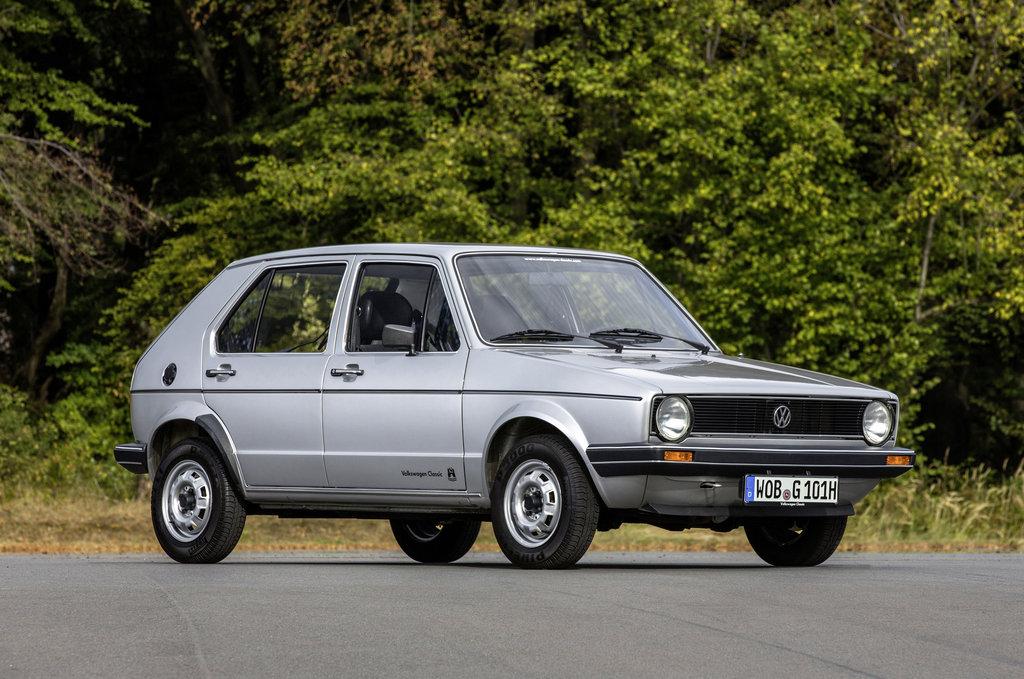
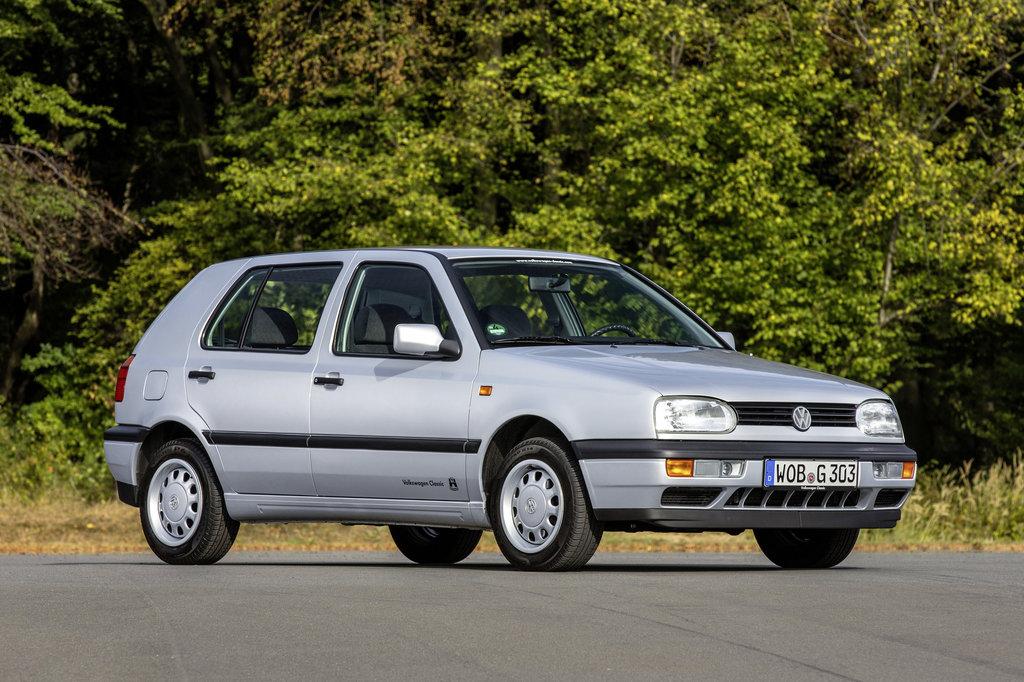
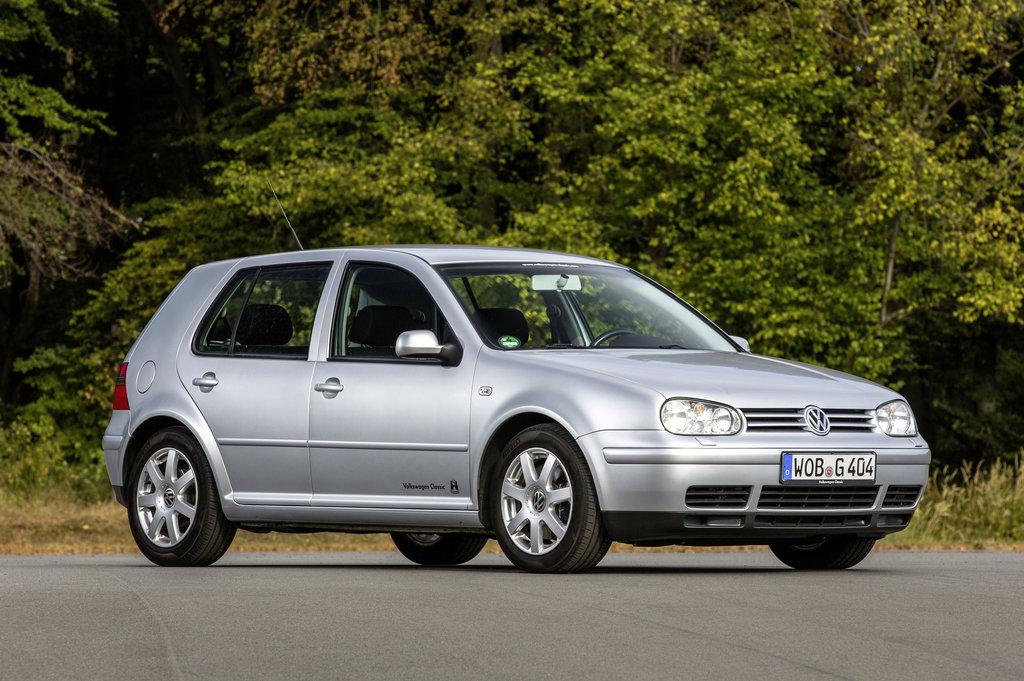
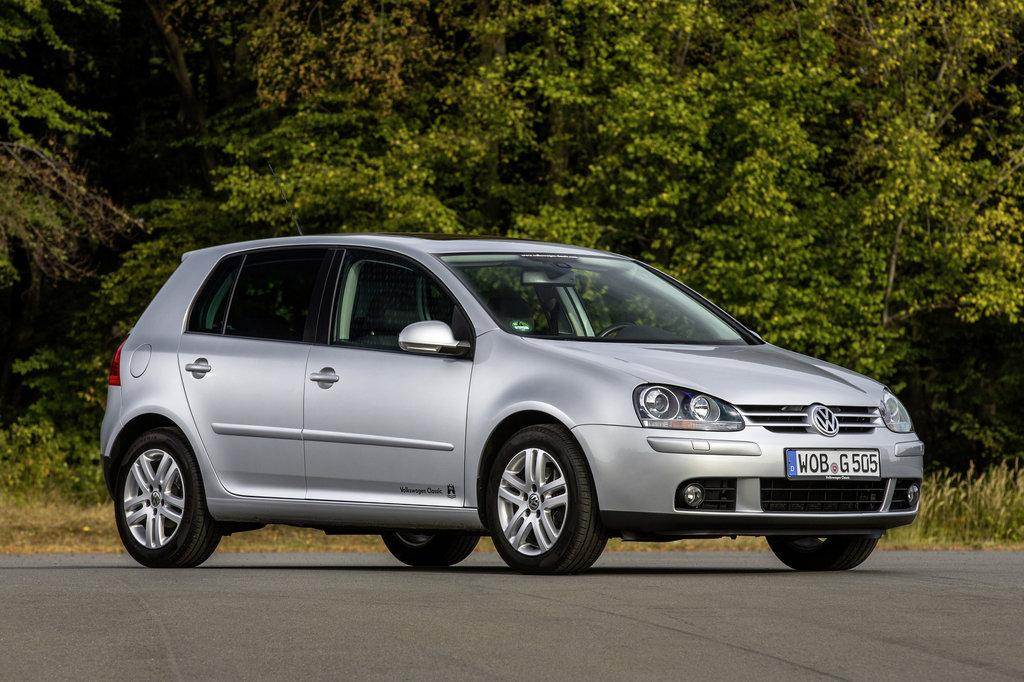
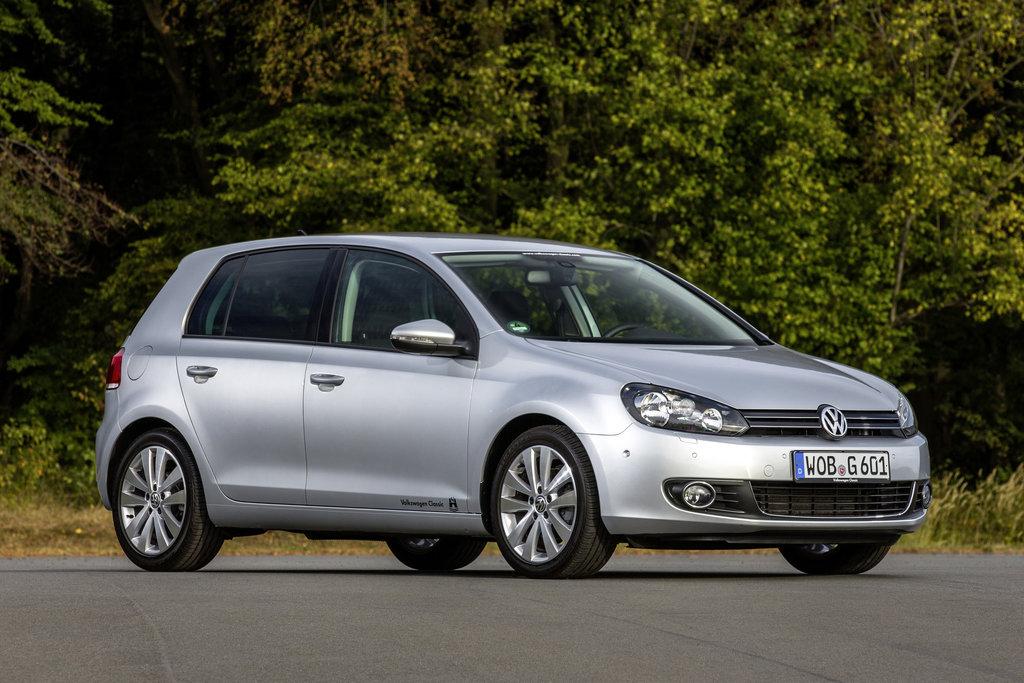
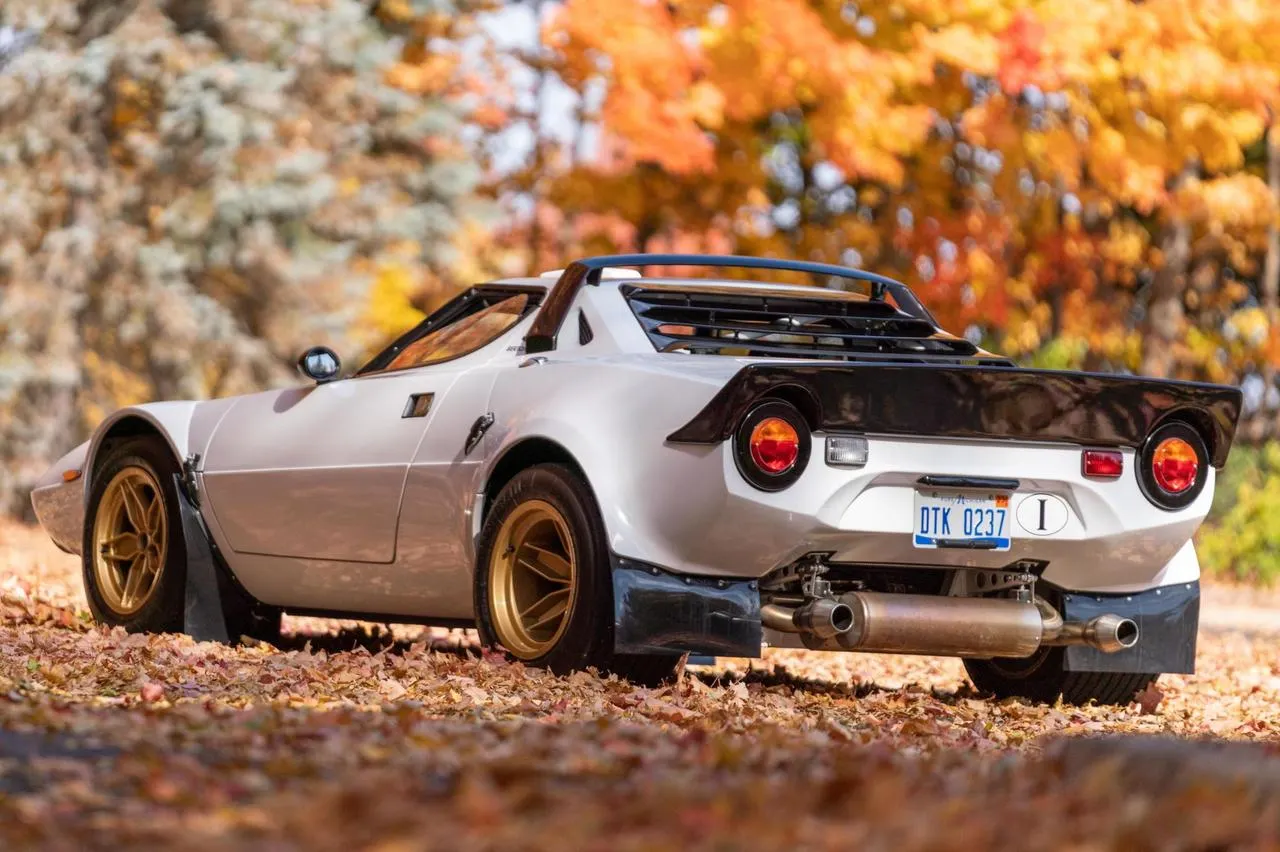
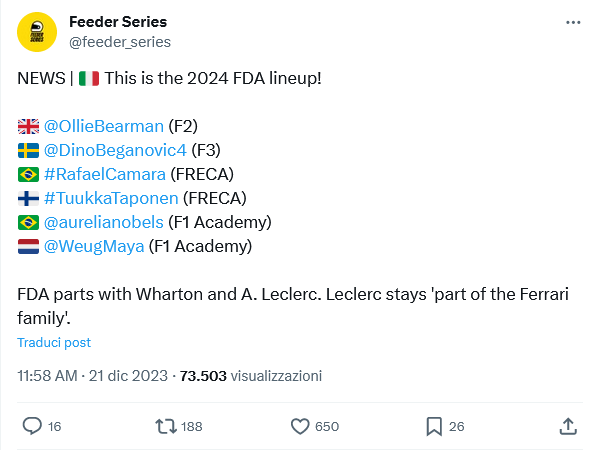
 1 punto1 puntoChe poi gamma e cugine saranno escluse dagli incentivi Bev perché troppo costose. Se fossero Phev le versioni entry level sotto i 55k iva inclusa avrebbero accesso agli incentivi. Le mhev su base 3008 nuova saranno molto limitate ma per delle auto aziendali andrebbero ancora. Tanto il grosso delle vendite del segmento D sono aziendali1 punto1 puntoA parte Bearman, il resto lo vedo un po' così... Taponen ha deluso, Camara ha avuto la sfiga di dover lottare sempre contro Antonelli... Come detto peccato per la weng, sprecata a mio avviso in quella farsa della F1 Academy.1 punto1 puntoBeh, anche Rimac ha chiamato la sua azienda Rimac Automobili e non Rimac Cars. Evidentemente all'estero la reputazione delle Supercar italiane è quasi inscalfibile.1 puntoSe si fosse trattato della vecchia Yaris ibrida (che conosco molto bene, guidando spesso quella della mia compagna) avrei anche potuto comprendere le tue remore. Guidando un po' meno spesso quella nuova (che hanno i miei genitori), ti posso dire senza problemi che in pressoché tutti gli scenari (e sicuramente l'extraurbano) consuma decisamente poco. Peraltro, anche un mio collega la possiede, e facendone un uso intenso a 360 gradi, percorre pure lui mediamente tra i 24 e i 26 km con un litro.1 puntoA quel punto l'avrebbero fatta a marchio Fiat, ovvero generalista. Se hanno deciso di farla a marchio Lancia dopo il lavoro di branding e riposizionamento che hanno fatto, vuol dire che sarà posizionata discretamente più in alto delle sorelle mainstream, e che sono consapevoli che farà meno volumi1 punto1 puntoMa i tuoi hanno un'età alla quale spesso e volentieri l'auto alta si apprezza per motivi oggettivi. Qui ci sono ormai generazioni ben più giovani per le quali l'auto "alta" è l'auto per definizione. E auto come Astra finiscono per essere la solita berlina noiosa, razionale per carità. Ma le auto razionali, abbiamo visto che fine hanno fatto, citofonare monovolume compatte e medie.1 puntoE la cosa mi piace tantissimo. Loro hanno detto proprio vaff@nculo tutto e tutti, vogliamo fare una stratos hatchback 🗿 In realtà 208 parte da 20k e 17k sarebbe lo sconto online (ovvero quello che ti farebbe la concessionaria), quindi street price. Fate sempre attenzione a sta cosa sulle varie stellantis perchè il prezzo di listino annunciato è una cosa ma poi lo streetprice che si trova sul configuratore è un'altra (e non si vede sui listini della concorrenza).
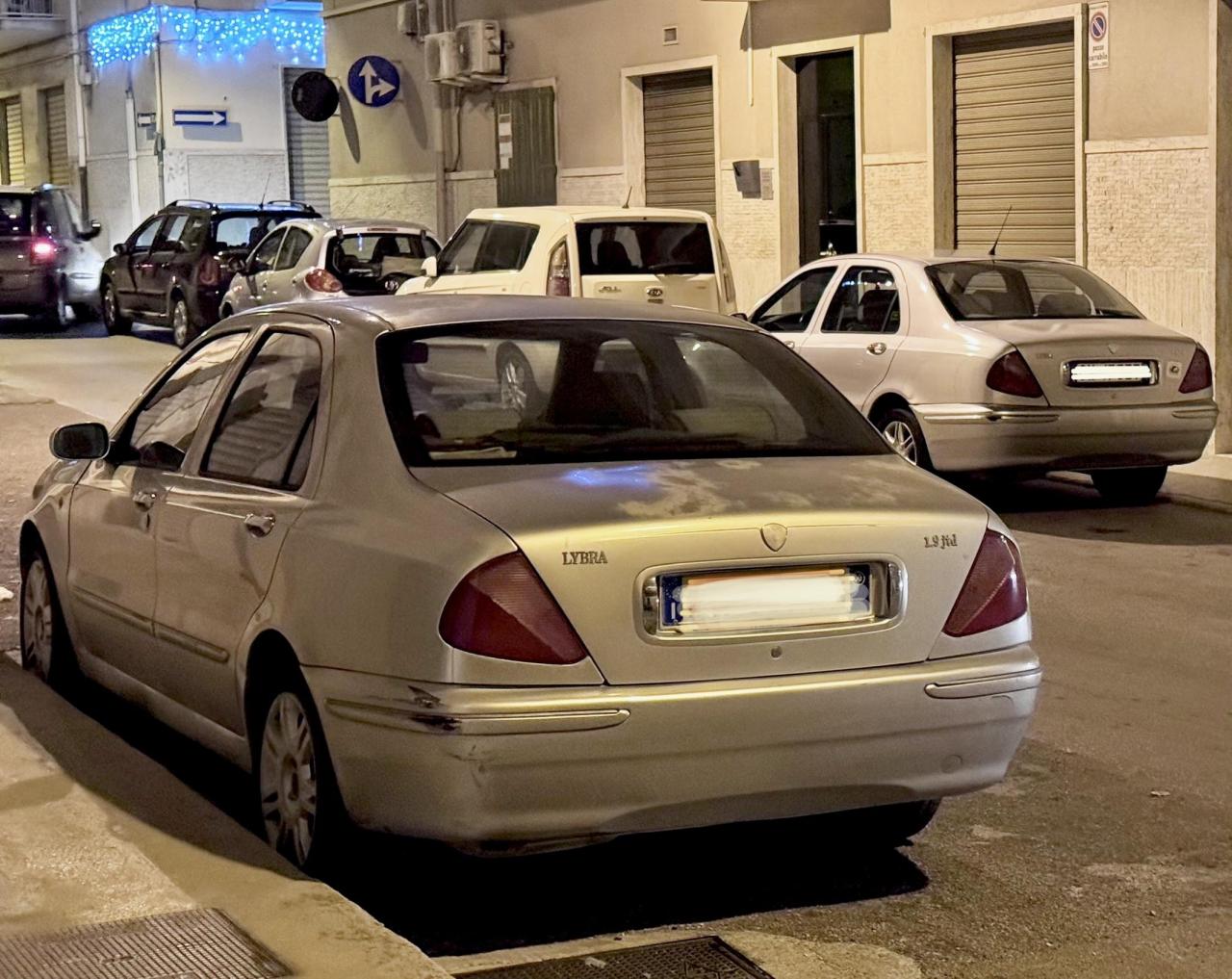
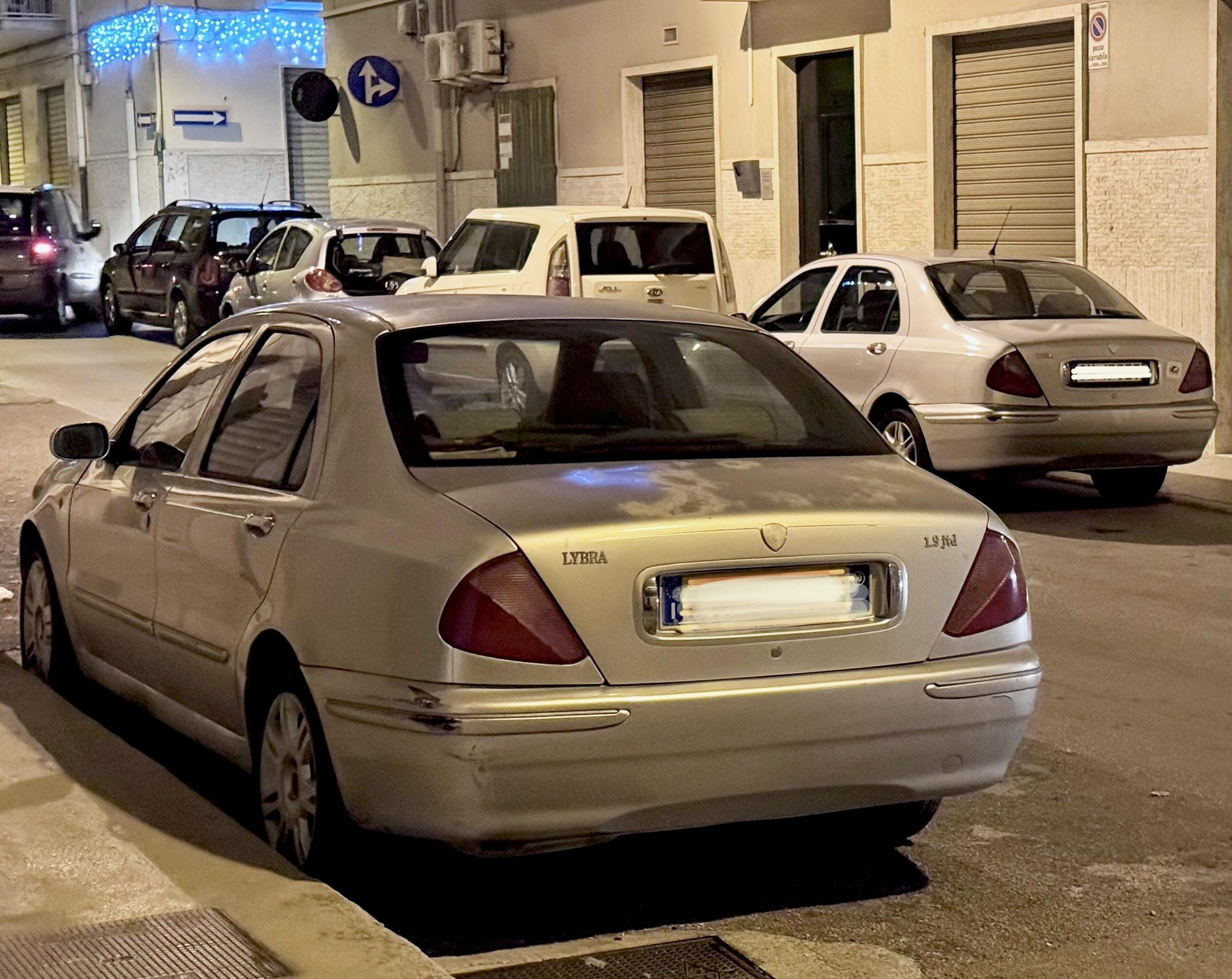
 1 punto1 puntoragazzi, l'opzione "terza auto" non è sul piatto: o mi tengo la Z3 (e i suoi limiti d'uso) o la sostituisco con una utilitaria che funga davvero da seconda auto. non c'è terza via. comunque direi che le mie argomentazioni oltre a non convincere voi non convincono nemmeno me quindi per ora mi sa che la Z3 resta dove è.1 punto1 punto1 puntoA proposito della Casa più calda su AP al momento, ecco questo avvistamento di due gemelle: La leggenda narra che appartengano alla stessa famiglia di lybrai (non bannatemi, è che ho mangiato pesante!) 😂
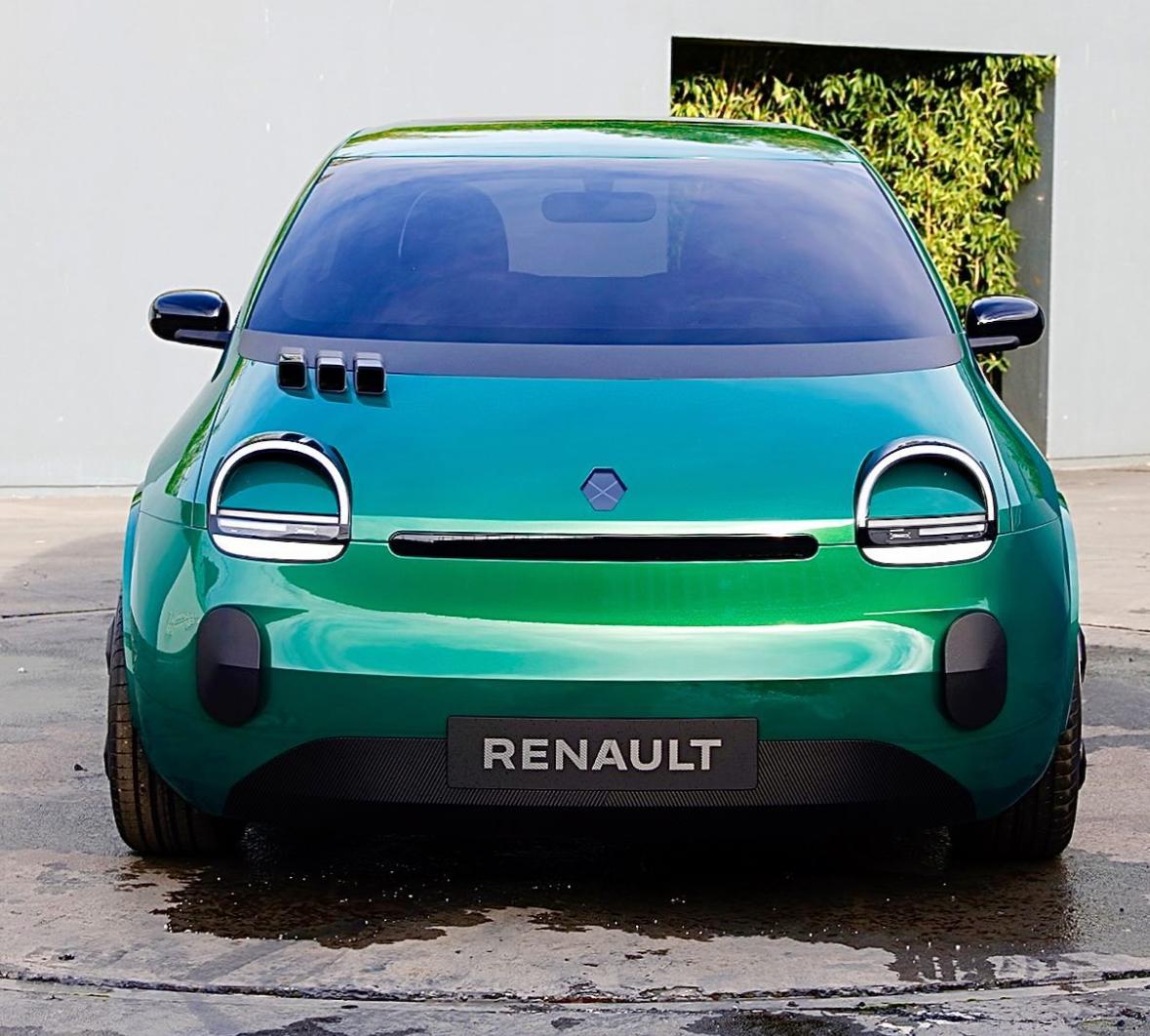
 1 puntoBel plasticotto.... Bianco non è il suo colore. Magari nera o blu...1 punto1 punto1 punto1 puntoContinuo a non capire perchè la Tonale susciti così tanta avversione...1 puntoMolto bella I 20k€ vengono presentati come un traguardo, tipo una barriera psicologica, non importa se si parla di una seg. A. A 22k€ mio padre ha preso una 530d F10 di 4 anni... Siamo impazziti1 puntoLa Leaderboard è riferita all'orario Roma/GMT+02:00








.jpg.0a9ff73d7a7ad09550fc411cda37bc7c.thumb.jpg.095392f5d8b6dc45c10ccf463694d027.jpg)









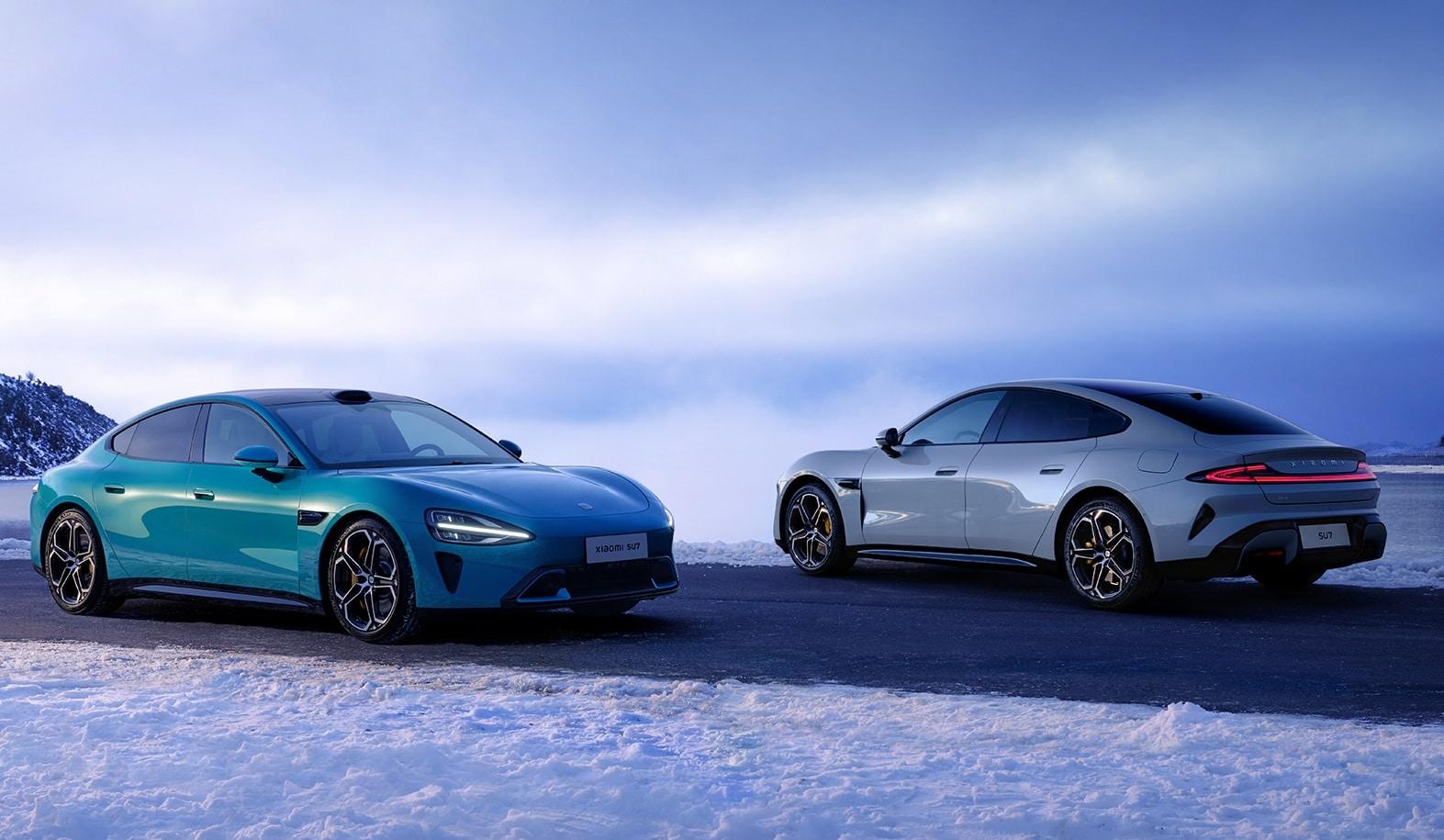
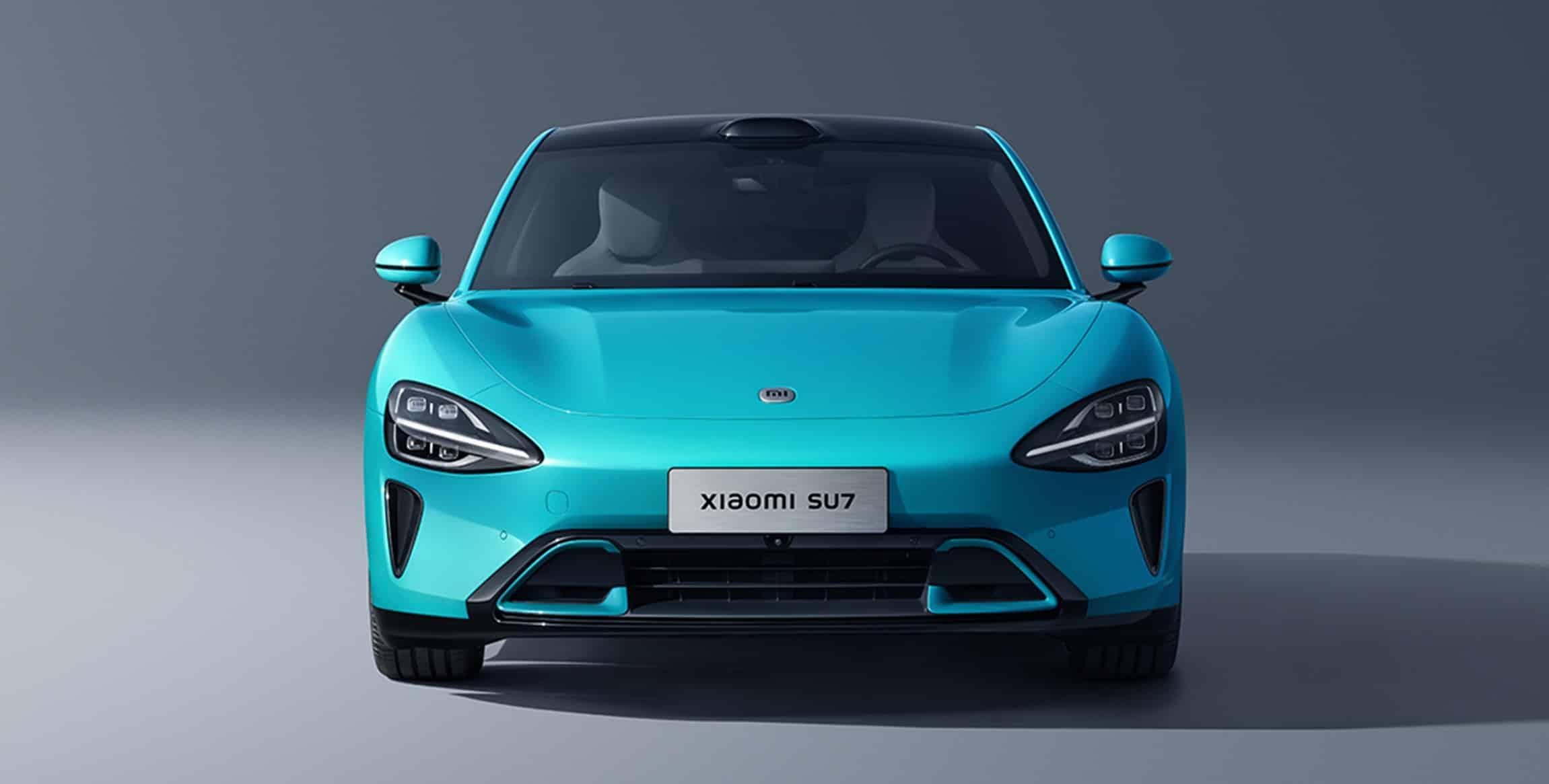
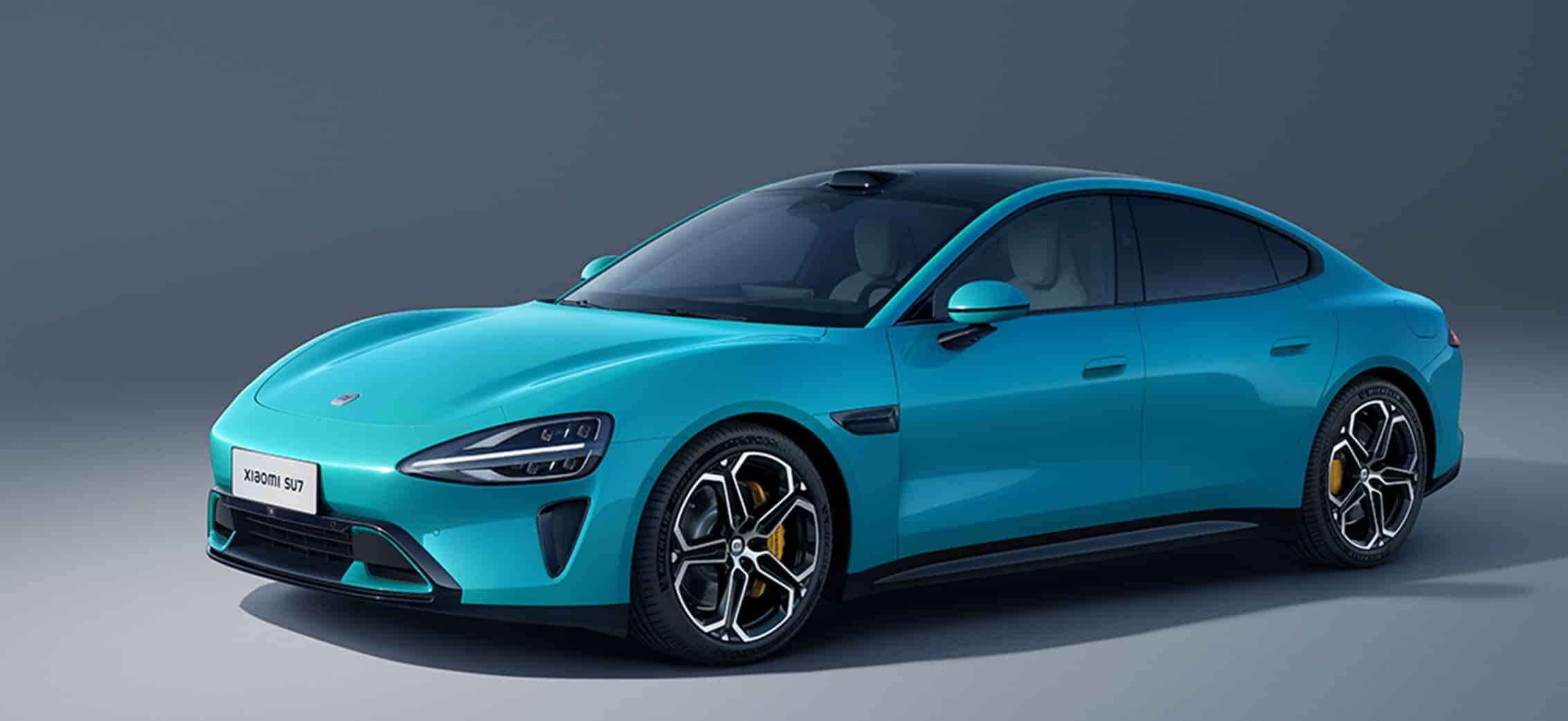
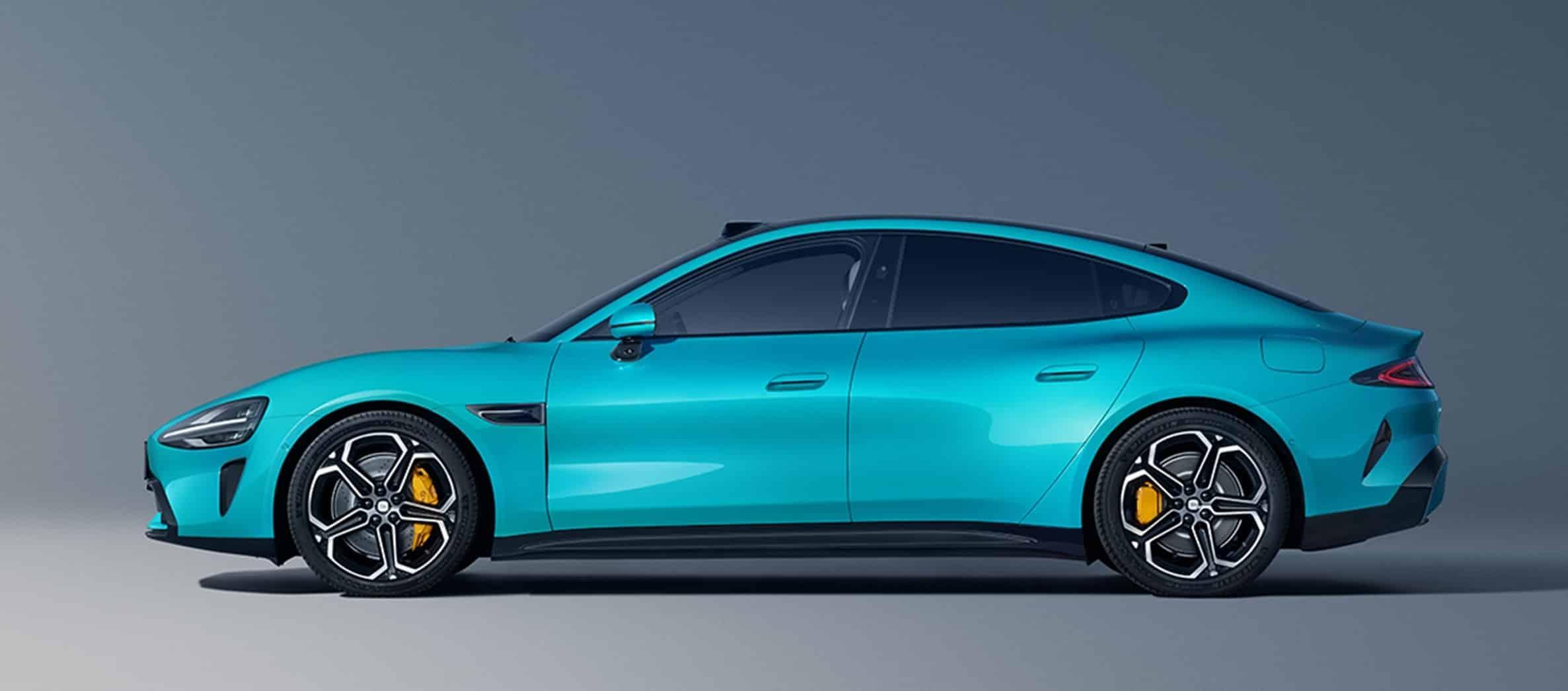


















Account
Navigation
Cerca
Configure browser push notifications
Chrome (Android)
- Tap the lock icon next to the address bar.
- Tap Permissions → Notifications.
- Adjust your preference.
Chrome (Desktop)
- Click the padlock icon in the address bar.
- Select Site settings.
- Find Notifications and adjust your preference.
Safari (iOS 16.4+)
- Ensure the site is installed via Add to Home Screen.
- Open Settings App → Notifications.
- Find your app name and adjust your preference.
Safari (macOS)
- Go to Safari → Preferences.
- Click the Websites tab.
- Select Notifications in the sidebar.
- Find this website and adjust your preference.
Edge (Android)
- Tap the lock icon next to the address bar.
- Tap Permissions.
- Find Notifications and adjust your preference.
Edge (Desktop)
- Click the padlock icon in the address bar.
- Click Permissions for this site.
- Find Notifications and adjust your preference.
Firefox (Android)
- Go to Settings → Site permissions.
- Tap Notifications.
- Find this site in the list and adjust your preference.
Firefox (Desktop)
- Open Firefox Settings.
- Search for Notifications.
- Find this site in the list and adjust your preference.