



Classifica Utenti
Utenti più Apprezzati
(Scegli il periodo) Utenti più Apprezzati
(Storia giorno per giorno) Classifica dall'Origine
(da Marzo 2003)
(Scegli il periodo) Utenti più Apprezzati
(Storia giorno per giorno) Classifica dall'Origine
(da Marzo 2003)




Contenuti più Popolari
Stai visualizzando i contenuti con il più alto punteggio, pubblicati in data 03/06/25 e localizzati Tutte le aree/sezioni
-
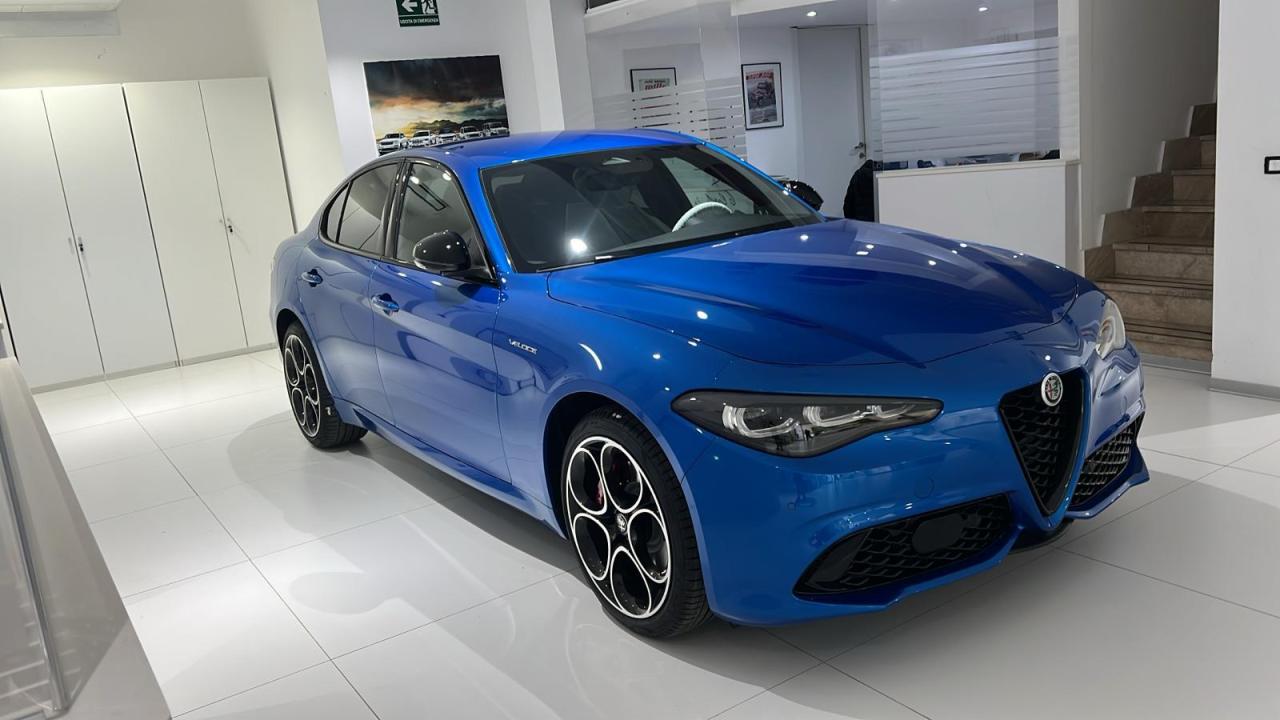
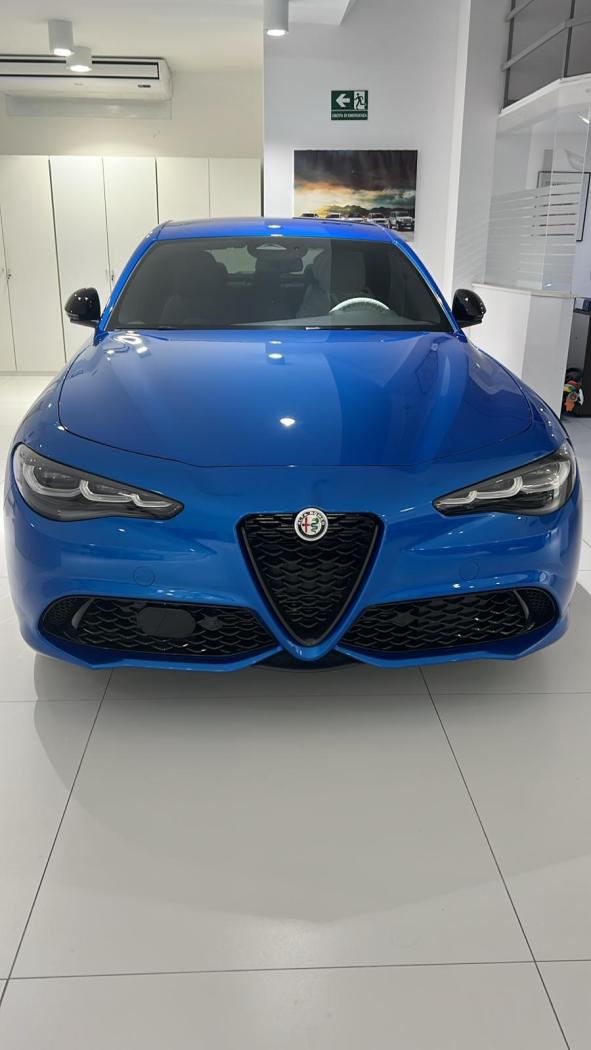
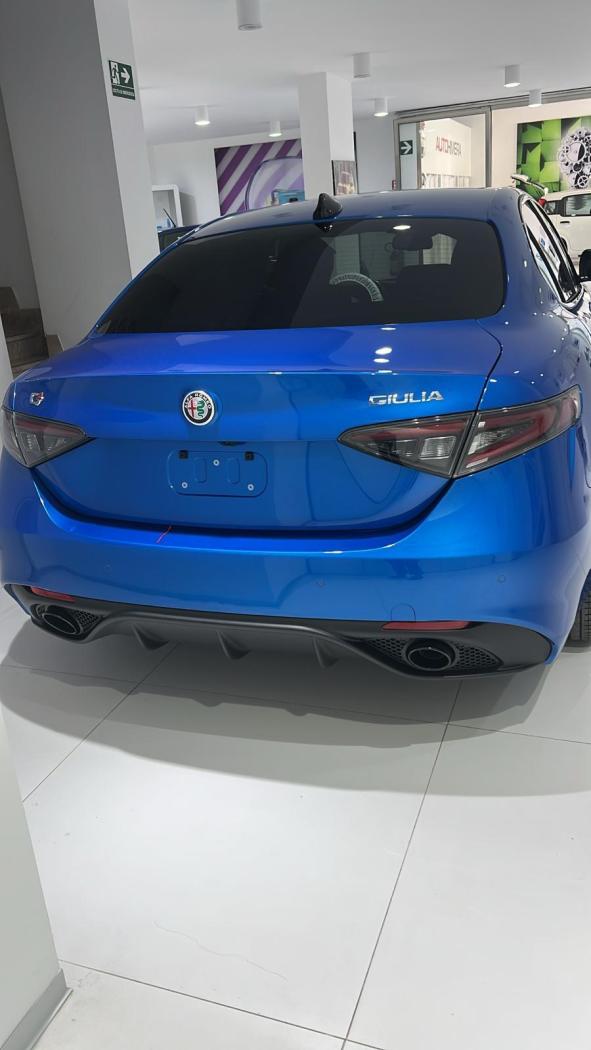
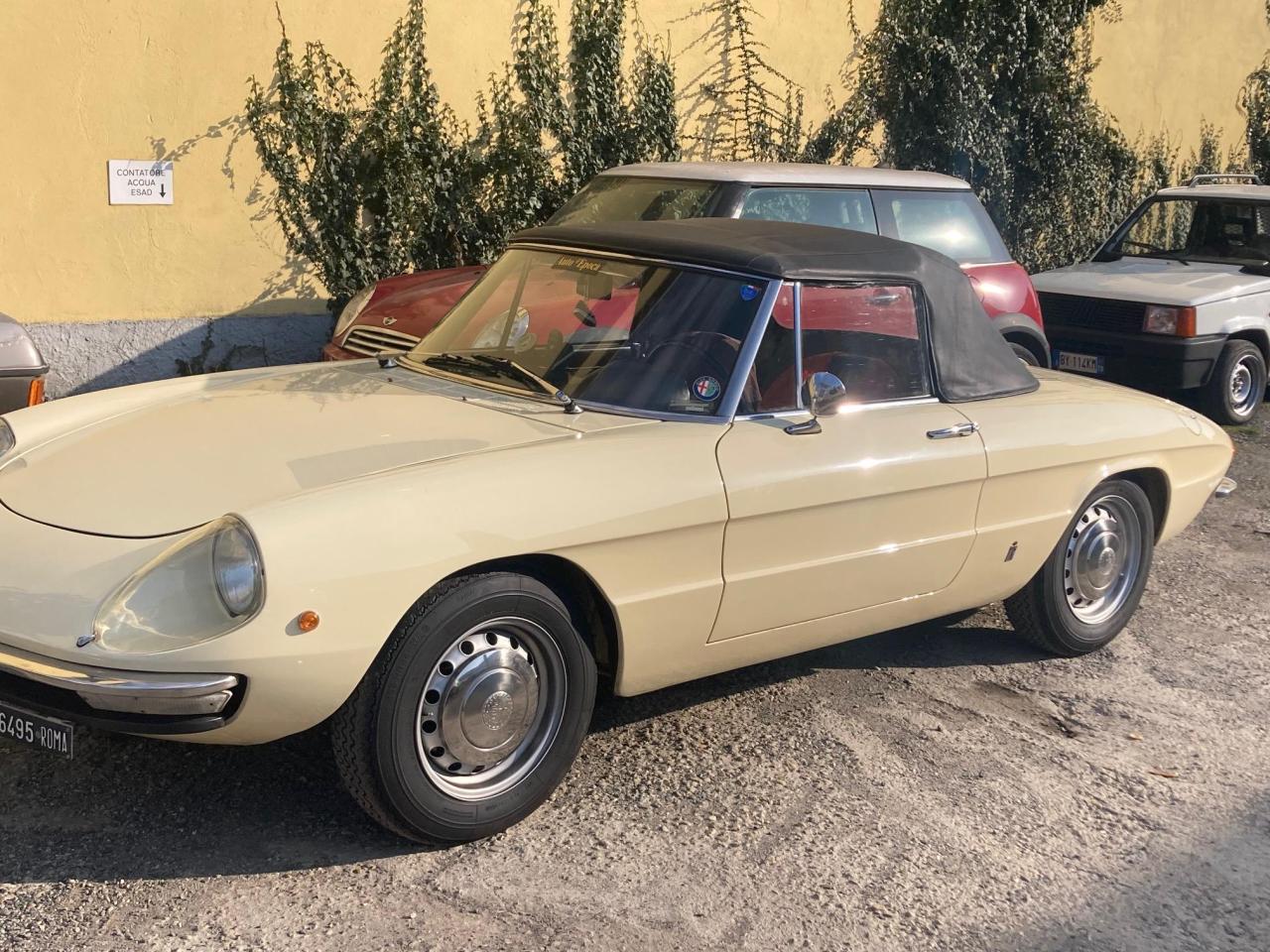
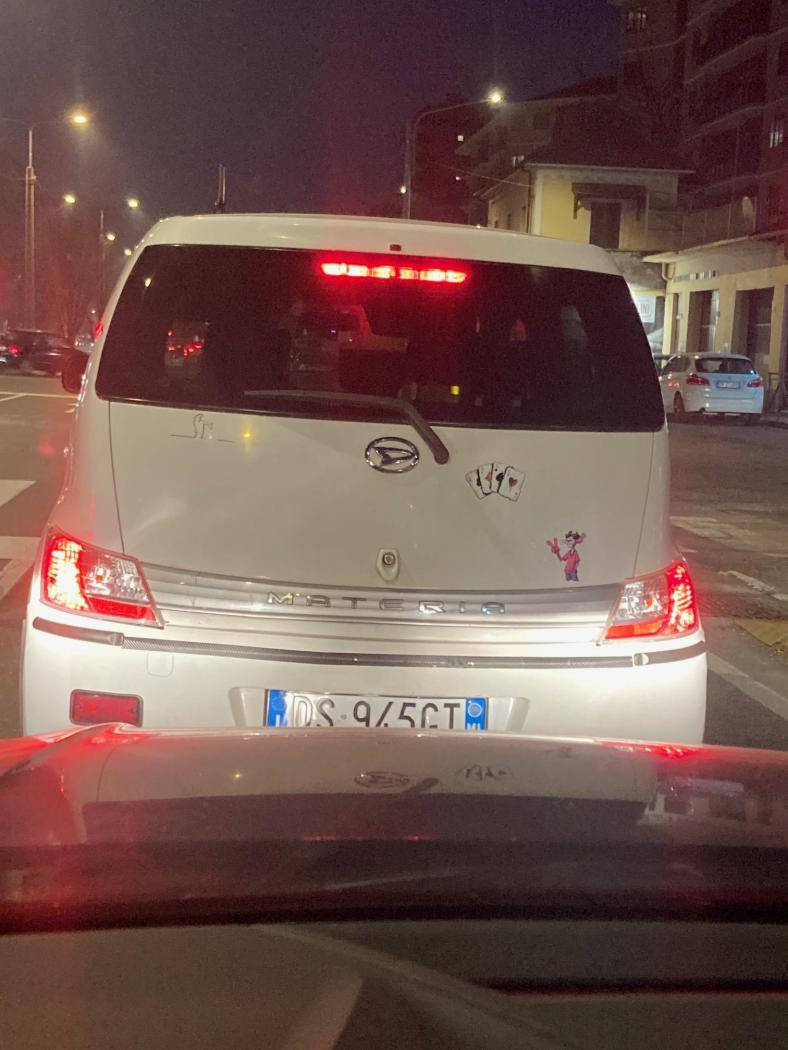
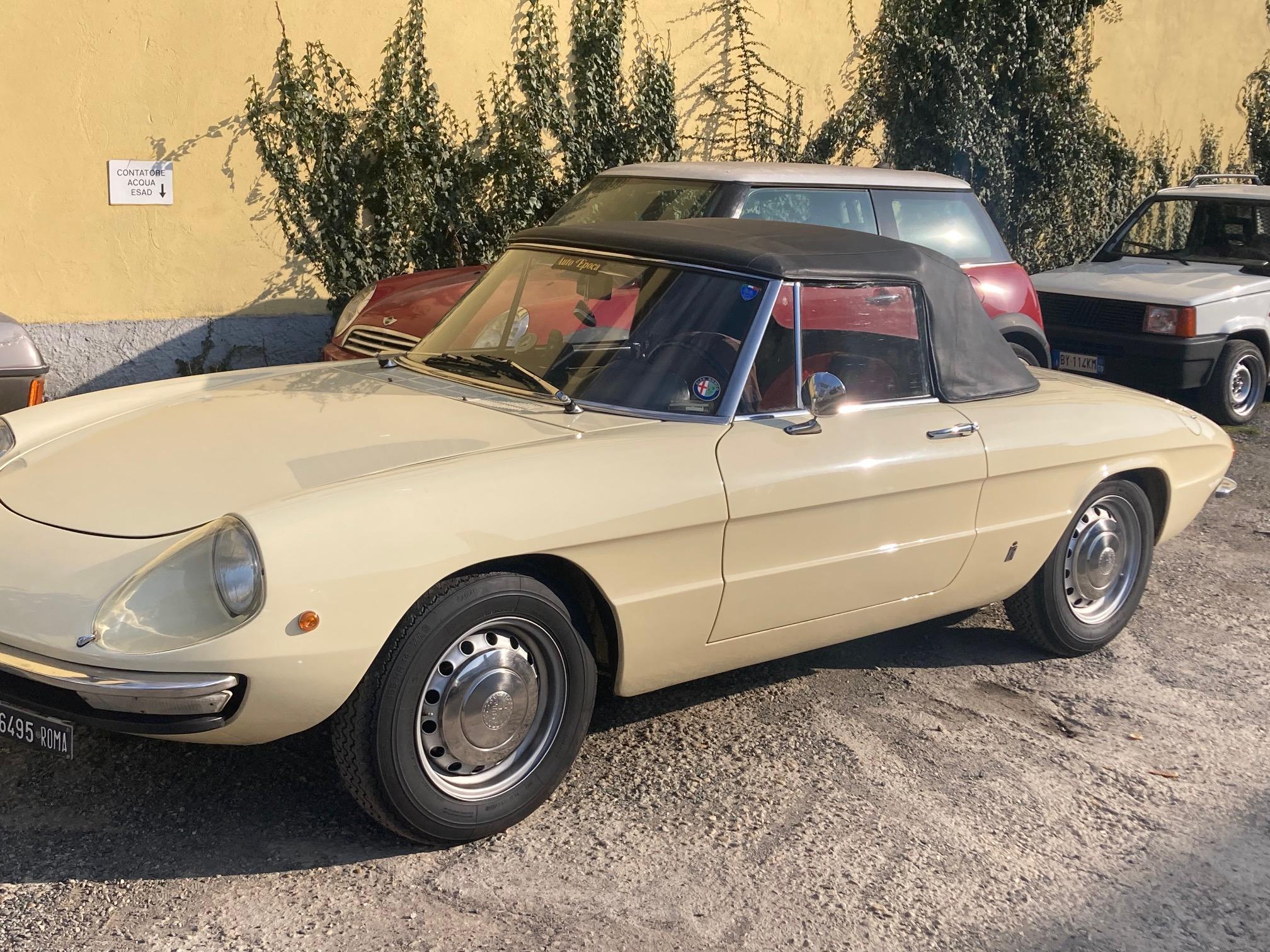
16 puntiEccola qua, appena arrivata in concessionaria si, modello uscito nel 2016. si non ha gli schermoni si manca la guida autonoma livello salcazzo si manca la sw si manca la parte ibrida si manca tutto quello che volete. non so vicino a che auto era arrivata. Che tanto me la consegnano dove voglio io. Però. È come chiedere a Miriam Leone quanti uomini ha avuto prima di te. Come stira le camicie e se la parmigiana la fa con le melanzane fritte o grigliate. importa? Tempo di ritiro su strada 2 settimane.
 16 punti
 -
mi sembra tenuto discretamente bene , era davanti ad una carrozzeria alla domanda " che dovete fare a quella nonnina" la risposta è stata NIENTE , il padrone la tira fuori solo col sole ed oggi c'è il sole e comunque ci tiene più a lei che alla moglie
 5 punti
 -
Non ti basta il fatto che (tra le altre cose) la Stelvio sarà su una piattaforma completamente diversa dalle altre 2 che hai citato?5 punti
-
5 puntiVisti i numeri a listino un grosso, gigante, in bocca al lupo agli addetti di Melfi...5 punti
-
5 puntiCosa che la rende una MILF. Categoria che a letto sono decisamente più goduriose delle ragazzine immagine piene di preconcetti. vedi, hai fatto l’esempio corretto. Siamo così abituati a cercare cosa non va bene, e a dargli un peso molto importante, che spesso ci dimentichiamo delle cose positive. Condannandoci alla frustrazione e all’ infelicità.5 punti
-
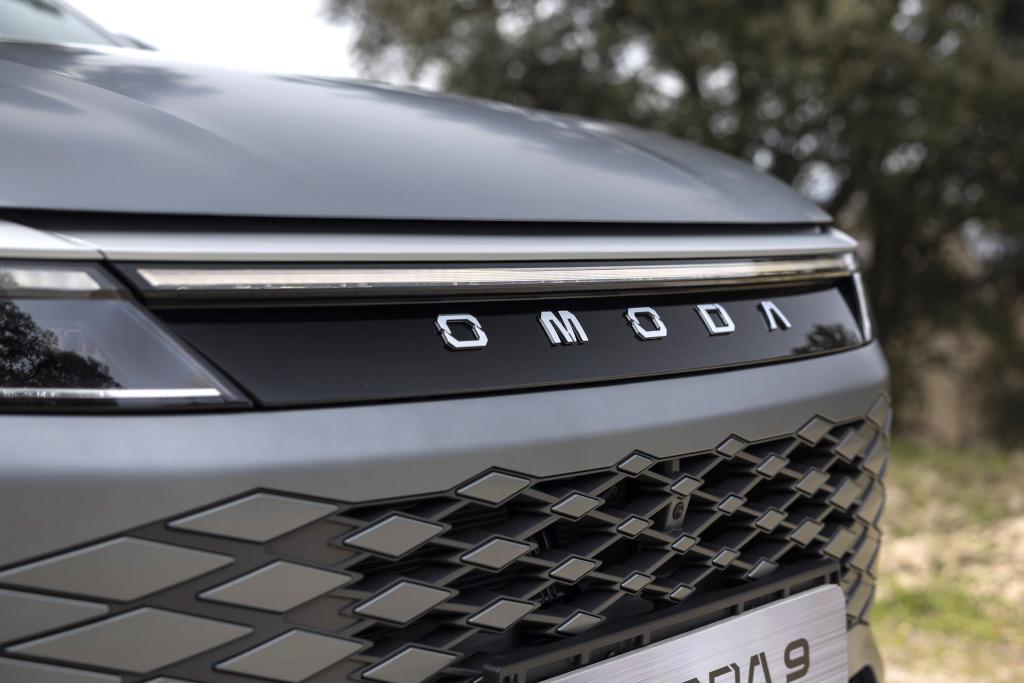
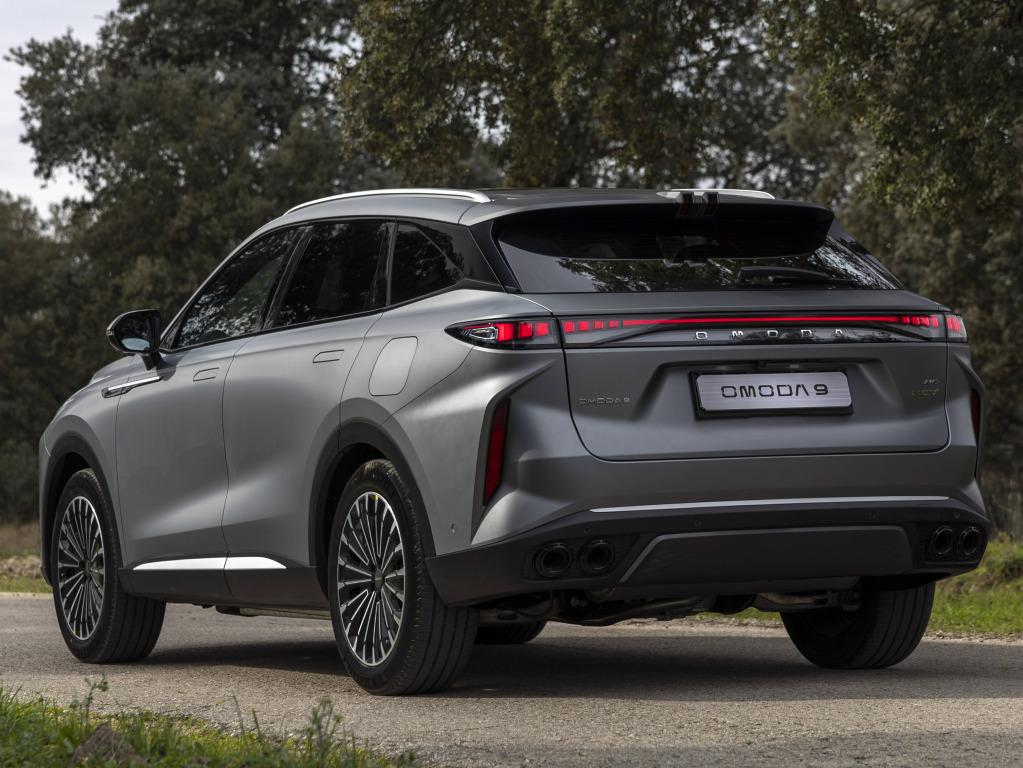
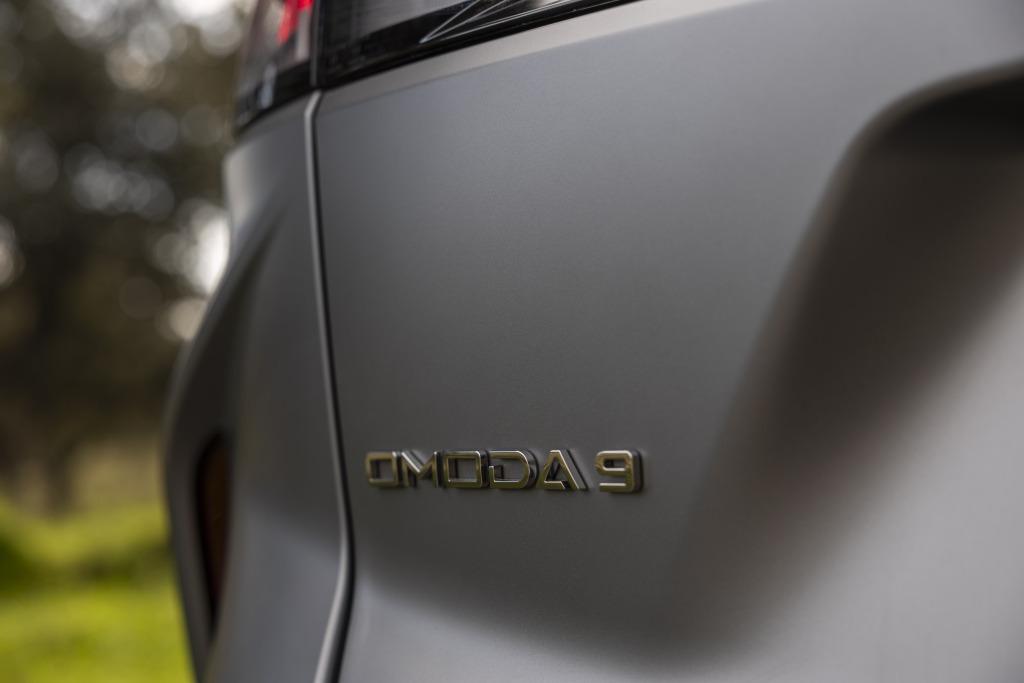
4 punti4 puntidavvero non capisco dove tu ci veda la lupo e/o le citazioni4 puntiStanno anche in Svezia, tranquilli. Ma sono ancora Pre-VP4 puntiOggi c'erano 23 gradi a Milano e 2 giorni fa avevo la macchina ghiacciata comunque4 punti3 puntiPresentata ieri all'evento di Omoda a Madrid per festeggiare il primo anno in terra iberica. La Omoda 9 Super Hybrid System andrà a posizionarsi nell'alto gamma del marchio cinese, è un SUV del segmento D lungo 4,77 metri PHEV con un motore termico 1,5 litri e 141 CV e tre motori elettrici, due motori elettrici nell'asse anteriore integrati nella trasmissione che insieme possono erogare 220 CV, il terzo invece è posizionato sull'asse posteriore ed eroga 235 CV. Complessivamente la potenza generata è di 596 CV con una coppia massima di 915 Nm, consentendogli di accelerare da 0 a 100 km/h in soli 4,9 secondi, il tutto governato da un cambio automatico che per quanto riguarda le parte termica ha tre marce. L'autonomia in solo EV supera i 150km. Da aprile in Spagna, non si conoscono ancora i prezzi.




 3 puntiNessun 3000 6L TB? Mi chiedo che cosa distinguerà questa futura Stelvio da una futura, che so, Ds o Peugeot del segmento D che condivideranno meccanica e il resto.3 punti3 punti3 punti3 punti3 puntiLa proposta idea sembra una classe S W140 del '91 con il frontale della classe E W210 del '95. C'è da dare atto che però anticipava il posteriore della Dacia Logan sedan del 2004. A dispetto del nome, non avevano idee brillanti... 😆3 punti3 puntieccolo qui il tascone della GPanda! poi qualcosa evidentemente s'è perso da qualche parte... Non condivido del tutto, il cruscotto normal-economico si sarebbe potuto fare in mille altri modi rimanendo estremamente banale... invece lo si è fatto genialmente economico proprio con l'idea del tascone. quindi sì, secondo me è proprio una genialata. anzi: è l'essenza del design industriale come dovrebbe essere sempre. e so che in questo forum di gente del settore (che penso possa condividere la mia opinione) ce n'è a iosa 😉...3 puntiDi fatto la fusione con PSA non è stata mai digerita e di conseguenza la condivisione con marchi generalisti francesi faranno sempre discutere Con i tedeschi o giapponesi la percezione sarebbe stata ben diversa. Se poi aggiungi che questa fusione ad oggi è stata un enorme MAH per le scelte fatte, ecco qua che tutto peggiora ancora di più2 punti2 puntiUfficiale lancio commerciale Sabato 29 e Domenica 30 ( porte aperte) finalmente si potrà toccare con mano e prender parte al Test Drive sulla versione Mhev...2 punti2 puntiPiccola curiosità, che non proviene da una design story, bensì da un numero di Auto Oggi che conteneva un servizio-anteprima su quella che sarebbe stata la Polo del 1994, quella tutta nuova insomma, dopo gli anni di onorato servizio della "giardinetta" nata nel 1981 e - se non sbaglio - ristilizzata all'inizio degli anni '90. La foto di una maquette, che ci mostra una variante per certi versi più classica, ma secondo me anche più carina, pulita ed elegante. La calandra nera che si univa direttamente ai gruppi ottici, senza il bordo verniciato a forma di U rendeva tutto più lineare e, appunto, elegante, a mio parere, così come mi sembrano più moderni i fari che a quanto pare fanno corpo unico con gli indicatori di direzione bianchi, uniti alla parabola principale sotto un unico vetro. Una soluzione simile a quella adottata dalla Vento. Si veniva da anni in cui la calandra nera VW si accoppiava direttamente alla fanaleria, o per meglio dire, nel caso dei gruppi ottici tondi (iso-Golf II) la "ospitava", per cui è assai probabile che la nuova soluzione adottata poi dalla Polo sia parsa ai tempi un qualcosa di innovativo (relativamente parlando... si tratta pur sempre di un design VW piuttosto lento nell'evolversi), però... non so che ne pensate voi, io l'avrei trovata più bella così. Poi per carità, in questa immagine anche il paraurti fa la sua parte. Sicuramente questa maquette rappresentava una versione sportiveggiante o top di gamma.
 2 punti2 puntiSecondo Motor1 nel 2025 la Omoda 5 diventerà anche a GPL, esclusivamente per il mercato italiano. Il motore sarà sempre il 1.6 turbo da 147 CV, modificato grazie alla molto probabile collaborazione di BRC.2 punti2 puntise ne vedono così poche .... ieri in centro a torino una Lotus EV ( pure sotto carica ) ma ero incasinato in auto
 2 punti2 puntiresto sempre dell'idea, che piuttosto di fare il nettuno, e buttare via soldi inutilmente sulle batterie, avrebbero potuto cercare di trovare la quadra con Ferrari per continuare a farsi dare i "vecchi" v6 e v8 con cambio ZF + modulo ibrido. Avrebbero fatto centro, e risparmiato un pacco di soldi. Se ci pensate, del V6 "made in Ferrari" nessuno ha mai detto brutte cose, mentre del Nettuno dicono sempre che è "quello della Giulia con la testa rivisitata". Peccato, ma alla fine ha ragione Perrucca, tutto quello che stiamo vedendo, non è altro che quello che doveva essere l'Alfa. Ci hanno provato, ma CVD hanno fatto fiasco. Ma come ha detto giustamente lui, e come stiamo sostenendo in molti da ANNI qui dentro, è proprio la mentalità che hanno che non è quella giusta per gestire marchi così. Se non sono neanche capaci di gestire l'Alfa, era ovvio che non sarebbero stati in grado di gestire Maserati.2 puntiQuesto succede quando la strategia è inseguire sempre. Al giorno d'oggi il mercato è molto veloce e non è compatibile con le tempistiche di sviluppo di un modello. La strategia non può quindi essere questa. Manca un'identità chiara di prodotto e di brand, un obiettivo che si vuole raggiungere. Purtroppo Stellantis non ha una gestione centralizzata tipo VW, anche a livello di R&S. Questi passi falsi possono costare moltissimo. Gli auguro di trovare la propria strada e di scommettere su quella, o vinci o muori. Continuare così porterà, magari lentamente, ad un unico esito.2 punti2 puntiPIRELLI MOTOGP Ecco spiegato il continuo nervosismo del Bibendum Con le nuove moto e le nuove gomme ci sarà più divertimento2 punti2 punti2 puntiLei non passa come un debosciato signore, ma come un intenditore. Complimenti! P.s. Non ti voglio togliere la poesia, ma: - il pack techno con due gocce di pioggia/nebbia/contro-sole, non funziona più - poverate varie "modus operandi vecchia fiat"( tolte luci cortesia maniglie posteriori, tolto metalluro su devioluci e cornici casse, e tolto battitacco in "alluminio") - tolto scorciatoia per mettere in D con le palette simil ferrari/Lambo ( funzione utilissima oltre che figa) - Le hanno fatto un assetto altissimo, che assieme al muso da mastino, che ha sempre avuto, e al disegno dei fari restyling, la rendono un po' tozza alla vista di fronte. ( in foto questa cosa non si nota) Ultimo, ma cosa più importante di tutte rispetto alle bazzecole sopraelencate: Si.... ...Lo sterzo non è più quello di prima.... Quindi, si, è sempre Miriam Leone, ma dopo una gravidanza.
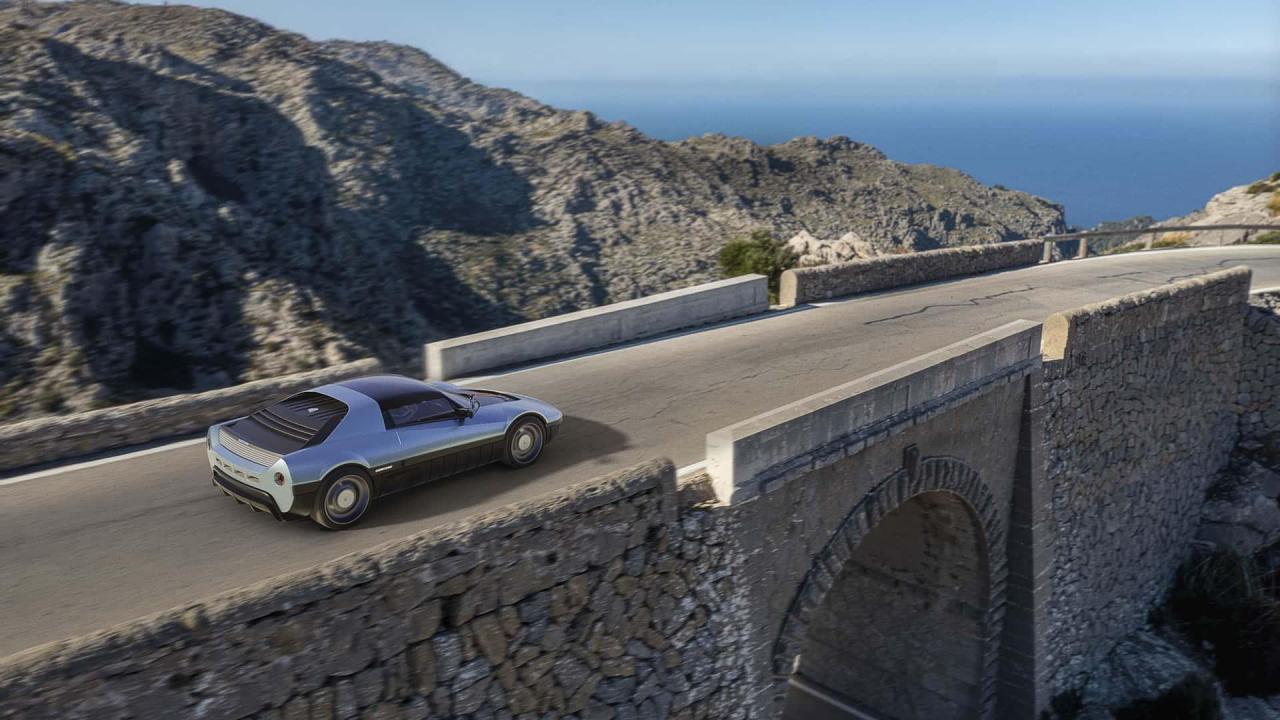
 2 puntiDimentichi che Stellantis ha il centro prove più grande della Svezia, oltre altri sparsi un po' in tutto il mondo2 puntiAperti gli ordini con produzione fissata a metà 2026, 25 esemplari che potranno essere Barchetta o Targa. Tre i colori proposti dalla Bertone: Rame Antico, Azzurro Mediterraneo, e Bianco Perla. Avrà un motore V6 centrale da 460 cavalli abbinato ad un cambio manuale a 6 marce con rapporti ravvicinati. Il prezzo? Si parte da 350.000 euro a cui bisogna aggiungere l'iva ed eventuali personalizzazioni!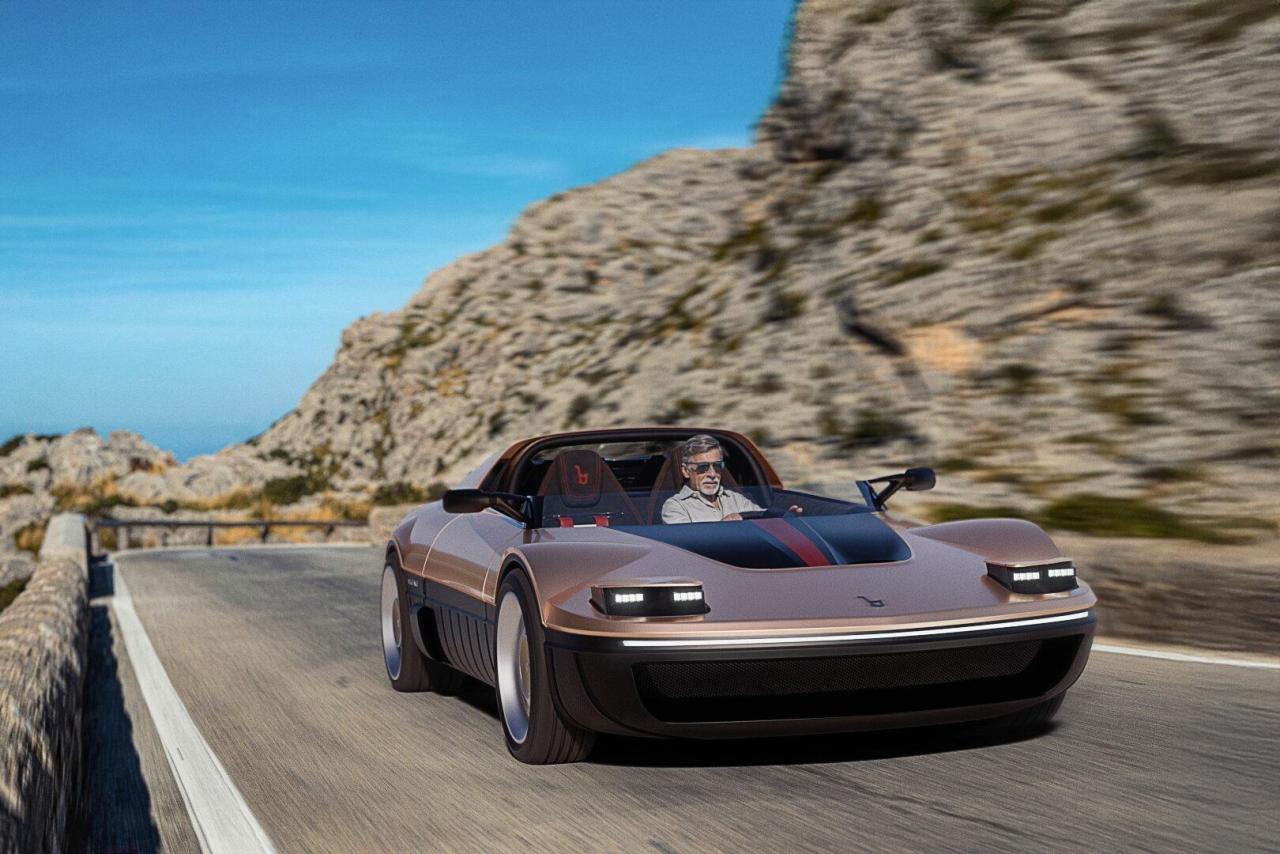
.thumb.jpg.f864b173cbd4fa7d7d1241a6d5615f09.jpg)
.thumb.jpg.7554cbf1bd140cf66eff4d7438cf6853.jpg)
.thumb.jpg.f10b03a6a12d5b11977ef938867f5087.jpg)
.thumb.jpg.e6d96ce821773733092083541186f5d3.jpg)
.thumb.jpg.d3d42cffeb9e534d74898cb0d84bc44d.jpg)
.thumb.jpg.cf9ca761d72dcb8099e6dbcb9480e9ad.jpg)
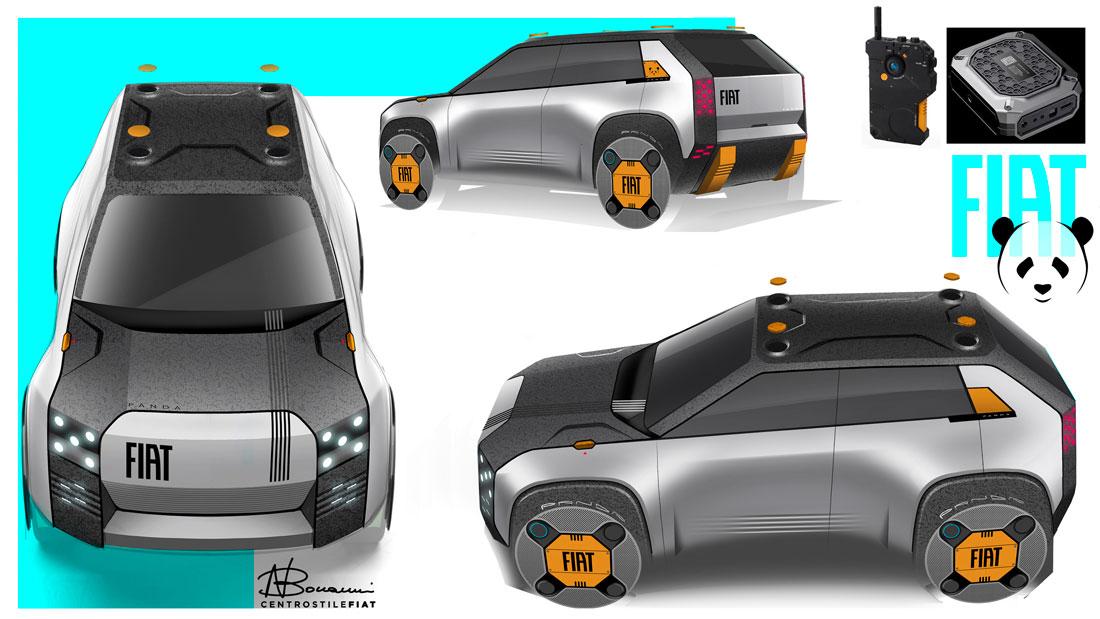
.thumb.jpg.c30b074d97014c2993255df7dcd0efe6.jpg) 2 punti2 puntiPEr carità, la K coupè è una macchina decisamente dimenticabile. E che rimanga nel dimenticatoio, non capisco quelli che adesso la vorrebbero riabilitare. Brutta come la morte, sgraziata, sproporzionata. Quando uscì per me fu una grossa delusione, perchè mi aspettavo una macchina motlo più bella, tipo la Kayak di Bertone per intederci, ma quando uscì questo aborto di K coupè, pensai subito che Lancia aveva perso una buona occasione. Questa doveva essere la Ka coupè:2 puntiSe il quarto gruppo al mondo, con plant e marchi americani, ha difficoltà a raggiungere i numeri per produrre un 2.0.. beh non so che dire2 punti2 punti2 puntiThe design story of Grande Panda is available from A&D no. 271: https://autodesignmagazine.com/2025/03/fiat-grande-panda-funzionalita-funky/
2 punti2 puntiPEr carità, la K coupè è una macchina decisamente dimenticabile. E che rimanga nel dimenticatoio, non capisco quelli che adesso la vorrebbero riabilitare. Brutta come la morte, sgraziata, sproporzionata. Quando uscì per me fu una grossa delusione, perchè mi aspettavo una macchina motlo più bella, tipo la Kayak di Bertone per intederci, ma quando uscì questo aborto di K coupè, pensai subito che Lancia aveva perso una buona occasione. Questa doveva essere la Ka coupè:2 puntiSe il quarto gruppo al mondo, con plant e marchi americani, ha difficoltà a raggiungere i numeri per produrre un 2.0.. beh non so che dire2 punti2 punti2 puntiThe design story of Grande Panda is available from A&D no. 271: https://autodesignmagazine.com/2025/03/fiat-grande-panda-funzionalita-funky/



 2 punti2 puntiIt seems that the reason for the delay is different https://moparinsiders.com/brampton-downtime-extends-as-stellantis-shifts-compass-strategy/1 puntoChe spettacolo, e il portoghese è scappato appena in tempo! Con 100 milioni in tasca! IDOLO1 puntoSecondo me non è nemmeno giusto dire "c'hanno provato" perché alla fine hanno fatte le cose a metà, non c'hanno provato del tutto. Non puoi sviluppare fantastiche macchine e poi ammazzarle appena uscite con listini ad muzzum e marketing fatto col culo. Roba da principianti. Se avessero azzeccato queste cose poi potevano pure dire "eh abbiam provato, ma a quanto pare le Maserati si vendono solo accanto Ferrari come versione più economica dei Cavallini". E invece no, magari sarebbero pure riusciti a combinare qualcosa, spingendo MC20, Grecale e GT/GC. Addirittura aggiornando Levante e Ghibli col Nettuno, citofonare Porsche.1 punto1 puntoSpero proprio che ci saranno gomma uguali per tutti non come ora dove ognitanto c'è una gomma impazzita1 punto1 punto50500€ scontata. Preso come optional solo il metallizzato. Ordinata a novembre. Non ho preso il pacchetto Techno1 punto1 puntoQuindi si possono ancora fare auto con un design pulito. Certo non sarà iconica ma potrebbe fare il compitino per cui è pensata1 punto1 punto1 punto1 puntoperché lavorano per immagini come se facessero una specie cdi collage, non riescono (ancora) a ragionare tridimensionalmente, così, un cerchio che è la ripetizione numerica su una circonferenza di un elemento (la razza) li manda in confusone, soprattutto nelle viste di 3/41 punto1 punto1 puntoNon ho mai capito l'astio alle BMW di Bangle, le ho sempre trovate originali e neanche brutte. Hanno rotto una monotonia in BMW che Durava da anni, belle sì ma tutte uguali. E più passa il tempo e più le apprezzo.1 punto1 puntoA me non é mai dispiaciuta la k coupe e non ho mai capito perché non ha avuto il successo che meritava: se la paragoniamo a certe vetture coeve come la goffa clk 208 oppure la terrificante bmw e46, quest’ultima davvero inguardabile in versione m3 e cabrio, la k coupé le asfalta di brutto grazie alla leggiadra pesantezza del suo design!1 punto1 puntoLa prima Laguna specie in versione SW mi è sempre piaciuta, è tutt'ora la trovo una macchina davvero bella1 punto1 puntoLa Leaderboard è riferita all'orario Roma/GMT+02:00


(1)(1).thumb.png.635c059adfaa3a2ca27f86ab608b04ba.png)





.jpg.466a71acea3dfd4ac76c2d24dbbe2b17.jpg)
.jpg.9ed695114834779ededb14115c1d7912.jpg)
.jpg.4b209aa7282c84a5b12ef73df8a89f0d.jpg)
.jpg.9e84888159d83ec396f4e6c56a45307b.jpg)




.thumb.jpg.46228d717c405acd43b45b79fddce6a4.jpg)







.jpg.99606d53d3813f3fc0fdd76ebcff21fb.jpg)
.jpg.3d4883adcec5502e56394914ee286900.jpg)
.jpg.315d48e54bea6924d7bec77106214041.jpg)
.jpg.19d2d569eb5bf2d8a5036d465b5fe007.jpg)
.jpg.67a554e4237c92ea80ed8b8d6499b674.jpg)
.jpg.b82c1b9e4783a087af88db31a6aa93b6.jpg)

.jpg.0381690a324c87e0ee1f27d851e696c9.jpg)








Account
Navigation
Cerca
Configure browser push notifications
Chrome (Android)
- Tap the lock icon next to the address bar.
- Tap Permissions → Notifications.
- Adjust your preference.
Chrome (Desktop)
- Click the padlock icon in the address bar.
- Select Site settings.
- Find Notifications and adjust your preference.
Safari (iOS 16.4+)
- Ensure the site is installed via Add to Home Screen.
- Open Settings App → Notifications.
- Find your app name and adjust your preference.
Safari (macOS)
- Go to Safari → Preferences.
- Click the Websites tab.
- Select Notifications in the sidebar.
- Find this website and adjust your preference.
Edge (Android)
- Tap the lock icon next to the address bar.
- Tap Permissions.
- Find Notifications and adjust your preference.
Edge (Desktop)
- Click the padlock icon in the address bar.
- Click Permissions for this site.
- Find Notifications and adjust your preference.
Firefox (Android)
- Go to Settings → Site permissions.
- Tap Notifications.
- Find this site in the list and adjust your preference.
Firefox (Desktop)
- Open Firefox Settings.
- Search for Notifications.
- Find this site in the list and adjust your preference.