



Classifica Utenti
Utenti più Apprezzati
(Scegli il periodo) Utenti più Apprezzati
(Storia giorno per giorno) Classifica dall'Origine
(da Marzo 2003)
(Scegli il periodo) Utenti più Apprezzati
(Storia giorno per giorno) Classifica dall'Origine
(da Marzo 2003)
-
Beckervdo
Reporter (Staff)52Punti24758Numero contenuti pubblicati -

__P
Capo Moderatore (Staff)47Punti29333Numero contenuti pubblicati -
pennellotref
Utente Registrato32Punti7272Numero contenuti pubblicati -
AleMcGir
Moderatore |Staff|28Punti20132Numero contenuti pubblicati




Contenuti più Popolari
Stai visualizzando i contenuti con il più alto punteggio, pubblicati in data 05/29/19 e localizzati Tutte le aree/sezioni
-
14 punti
-
11 puntiMi fanno ridere due categorie;ù: 1. Quelli che parlano di "matrimonio di convenienza": e grazie al ca***, a certi livelli perchè mai ci si sposerebbe, se non per convenienza reciproca (quantomeno presunta?) 2. Quelli che si ostinano a parlare di FCA alla canna del gas e con Renault viva e vegeta dalla quale dipenderebbe la nostra sopravvivenza. Che se accettano (e secondo me accetteranno, e pure i giappi) mica lo fanno per farci beneficenza; se stessimo alla canna del gas ci farebbero marameo.11 punti
-
11 puntiSenza offesa ma, fondendosi con i francesi, la sedia di CEO diventerà bella grande ed ingombrante. Ergo ci vorrà un bel culone per occuparla tutta; quindi nessuna è più adeguata di @KimKardashian P.S.: LOL11 punti
-
11 puntiDubito che si scambino pianali al volo come fossero figurine.11 punti
-
11 puntiQualcuno ha già ipotizzato che la 500 possa nascere sul pianale della Twingo, essere TP ed avere il TwinAir a sbalzo al posteriore? Più Heritage di questo, in un tempo dove BMW abbandona TP e 6 cilindri, sarebbe un colpo bassissimo (ok vado a far in culo da solo)11 punti
-
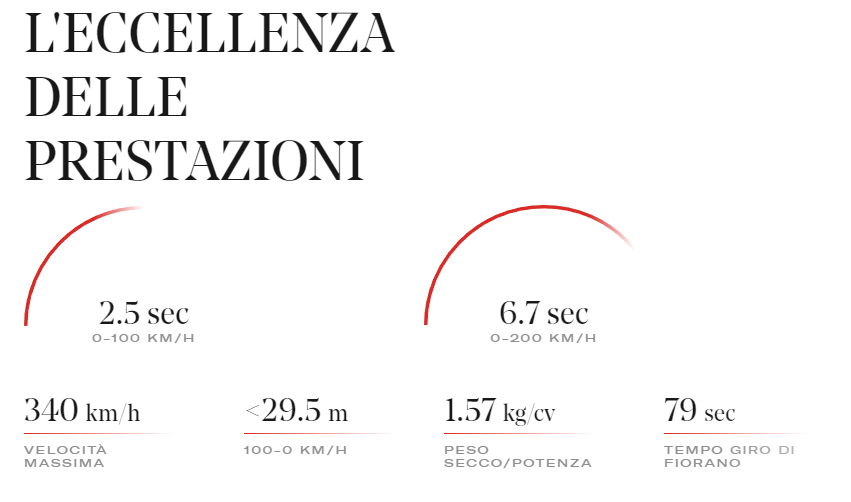
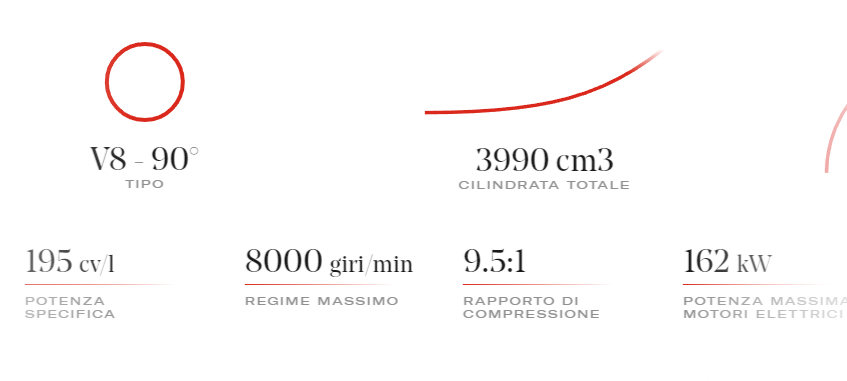
10 punti10 punti10 punti10 punti9 puntiPer ammmore.....quando il cavallino ha visto la losanga della francesina gli si è irrigidito il Biscione ed è partito Lancia in resta.9 punti9 puntiMi sfugge il senso di pagare la licenza a Renault/Nissan di adottare una piattaforma esterna nonché importare componenti da Francia e Corea in Italia quando abbiamo praticamente pronta la Small US Wide allargata e una rete di fornitori9 punti8 punti8 punti8 puntiE John Elkann, che non è l'ultimo pollo arrivato, è un po' di giorni che se ne esce con dichiarazioni in uno stile tagliato per il pubblico giapponese Il nervosismo di Tavares è un ottimo segnale8 punti8 punti... Il 29 febbraio 2012 PSA sigla un'alleanza col gruppo statunitense General Motors per lo sviluppo e la condivisione di piattaforme, componenti ed altre tecnologie. Nell'occasione GM acquisisce il 7% del pacchetto azionario del gruppo francese. https://it.wikipedia.org/wiki/Groupe_PSA Crossland e Grandland sono i frutti di quell'accordo.8 punti8 puntiOh ma non è che mi dai anche qualche numero da giocare al Superenalotto... ✌️ Giuro che a volte invidio chi senza nessuna informazione definita, al max si può far il conto dei voti del CDA viste le percentuali in gioco, sa già come andranno a finire le cose... ? Raga datevi una calmata, ed aspettiamo di capire come andrà a finire la faccenda prima del “moriremo tutti”!!!8 punti8 puntiIl cosa vogliono loro lo hanno scritto a chiare lettere nell'articolo del giornale postato qualche pagina fa: http://www.ilgiornale.it/news/economia/salvini-lancia-lopa-su-fca-renault-1702324.html "Da parte sua, il ministro dell'Economia transalpino, Bruno Le Maire, nel recente incontro con il presidente di Renault, Jean-Dominique Senard, aveva dato l'assenso del governo. «Ma è necessario - la precisazione di Parigi - che le condizioni in cui si realizzerà questa fusione siano favorevoli allo sviluppo economico di Renault e, naturalmente, ai suoi dipendenti». L'influente sindacato Cgt chiede, a questo punto, che l'Eliseo conservi «una minoranza di blocco che consenta di far PREVALERE gli interessi francesi». Lo stesso Cgt si dice poi preoccupato per i possibili impatti delle economie di scala sull'occupazione. In Italia è stato il presidente di Fca, John Elkann, a ribadire che l'accordo non avrà ripercussioni sul polo industriale, tra l'altro in via di ammodernamento." Già con quel "prevalere" io mi sarei alzato ed abbandonato il tavolo. Già fondi una società piu grande e con piu fatturato con una piu piccola a condizioni paritetiche, ciononostante loro già dicono che vogliono prevalere... Se le trattative andranno avanti, saremo stupidi noi a non pretendere altrettanto da parte italiana. Anche perchè gli esuberi ci saranno, eccome se ci saranno. Non sarebbe necessaria la fusione altrimenti, se non vi fosse necessità di sinergie e riduzioni di costi (aka lavoratori, in progettazione e fabbrica). Elkann dice che non chiuderà stabilimenti, ma non dice che non ritoccheranno l'organico.8 punti7 puntiLa SF90 Stradale è la Ferrari "di serie" più potente mai realizzata. Il suo posizionamento è sopra la 812 Superfast. Prende l'eredità de "LaFerrari", ma è prodotta in serie. SF90 è l'acronimo per Scuderia Ferrari e 90 per gli anni dalla sua fondazione. I numeri sono assolutamente impressionanti: abbiamo un motore termico V8 da 3.9 litri TwinTurbo che nulla ha a che vedere con quelli realizzati fino ad ora per 488GTB ed F8 Tributo. Abbiamo una nuova termodinamica sviluppata ex-novo, pistoni ed albero a gomiti differenti, più un diverso sistema di sovralimentazione. A questo si aggiunge un motore elettrico associato all'albero motore che fa da ISG e da booster, oltre che a compensatore per ridurre il turbolag. Sull'asse anteriore troviamo due motori elettrici che rendono, a tutti gli effetti, la vettura a trazione integrale quando occorre. La potenza combinata è di 735 kW / 1000 CV che sono divisi tra i 573 kW / 780 CV ed 800 Nm di coppia del V8 TwinTurbo e gli altri 162 kW / 220 CV dai motori elettrici che erogano altri 800 Nm. La trasmissione è affidata ad un doppia frizione ad 8 rapporti che mediante la presa sulle 4 ruote, garantisce uno 0-100 km/h in 2.5 secondi ed uno 0-200 km/h in 6.7 secondi. La velocità massima ? 340 km/h. Sul circuito di Fiorano la SF90 ha girato in 79 secondi...(1:19) mentre LaFerrari completava il tempo in 1:19,70. Ma la cosa stupefacente è l'adozione della modalità solo elettrica: questo bestione da 1000 CV si muove anche in perfetto silenzio per 25 km e con una velocità massima di 135 km/h. Esteticamente la forma segue la funzione, ecco perché abbiamo molte aperture "strategiche" create ad hoc per massimizzare il carico aerodinamico. Il punto centrale del muso si trova 15 mm più in alto delle zone laterali, così da indirizzare al meglio i flussi d'aria: in questo modo si possono generare ben 390 kg di carico aerodinamico a 250 km/h. All'interno è tutto costruito attorno al pilota, con un cruscotto digitale curvo da 16" che racchiude le maggior informazioni tra cui la modalità di guida scelta dal selettore sul volante: eDrive, Hybrid, Power e Qualifiy. Nella modalità eDrive la SF90 si muove in religioso silenzio. Nella modalità Hybrid si utilizza la potenza combinata di comparto elettrico e termico secondo logica elettronica In modalità Power si utilizza il V8 TwinTurbo anche per ricaricare le batterie In modalità Qualify si scatenano tutti i 1000 CV. Quanto pesa? 1570 kg (secondo Ferrari) il che la rende circa 13 kg più leggera de LaFerrari, ma è il 20% più rigida di quest'ultima ed il 40% più rigida dei modelli che utilizzano la medesima piattaforma: il tutto senza aggiungere ulteriori masse. VIDEO Modalità di guida E-DRIVE HYBRID PERFORMANCE QUALIFY Cartella stampa Ferrari ——————————————————————————————— SPY TOPIC ⤵️ https://www.autopareri.com/forums/topic/66064-ferrari-sf90-stradale-prj-f173-spy ————————————————————————————————
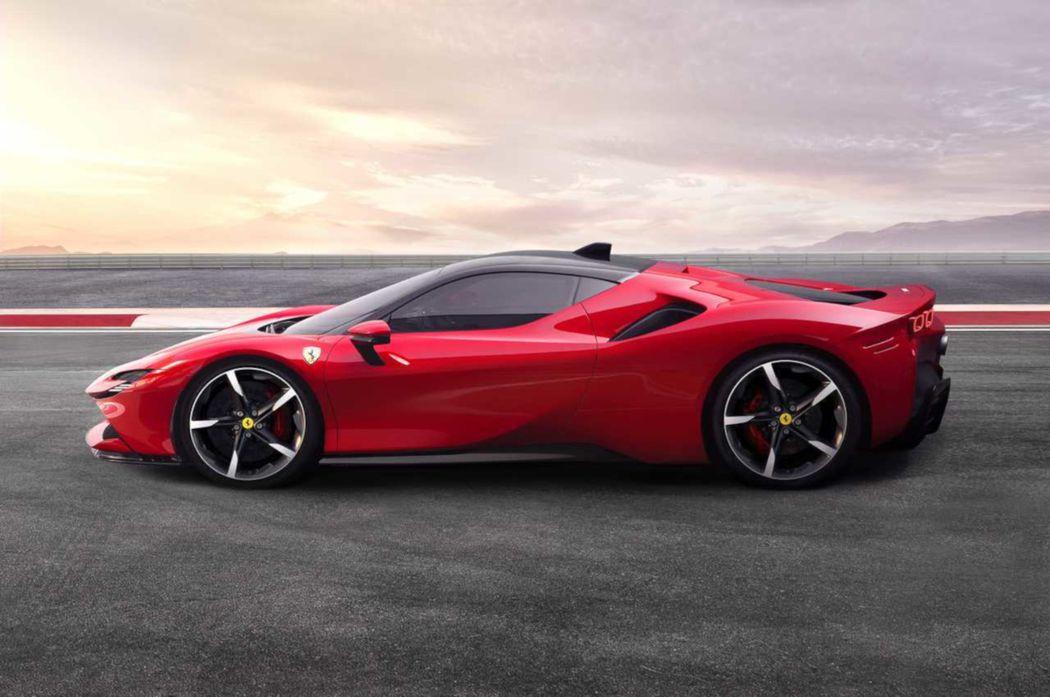

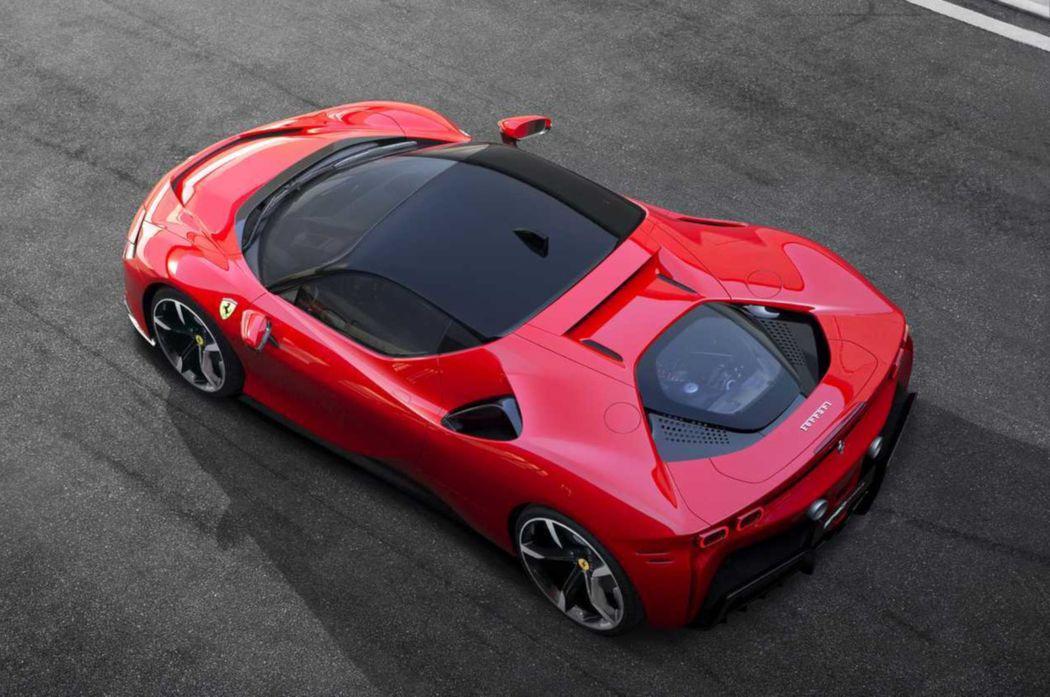

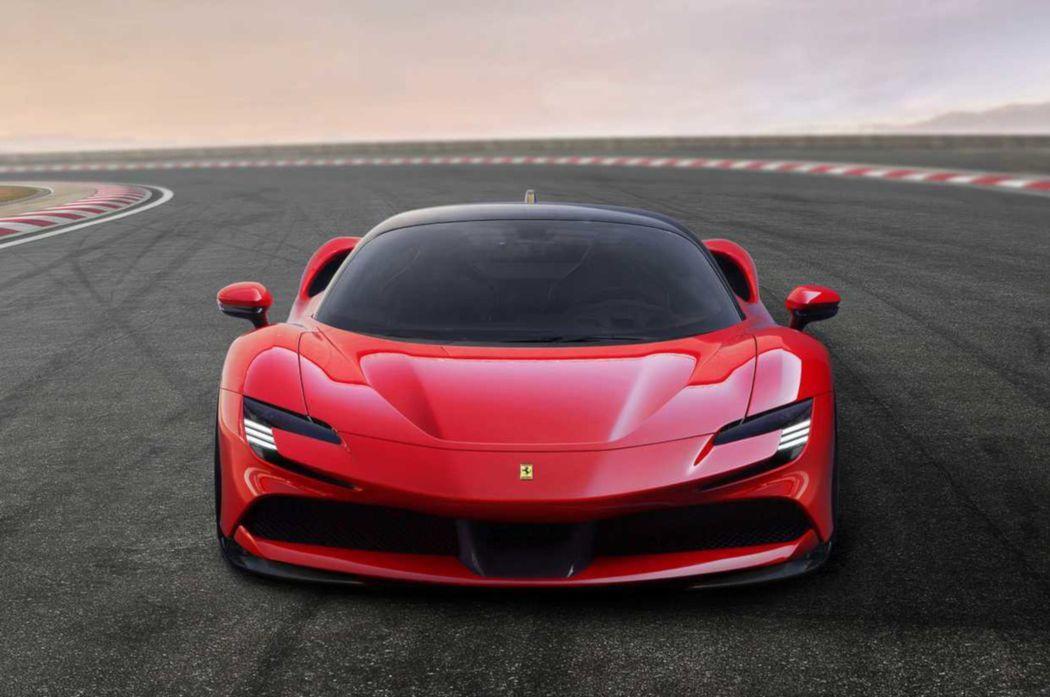
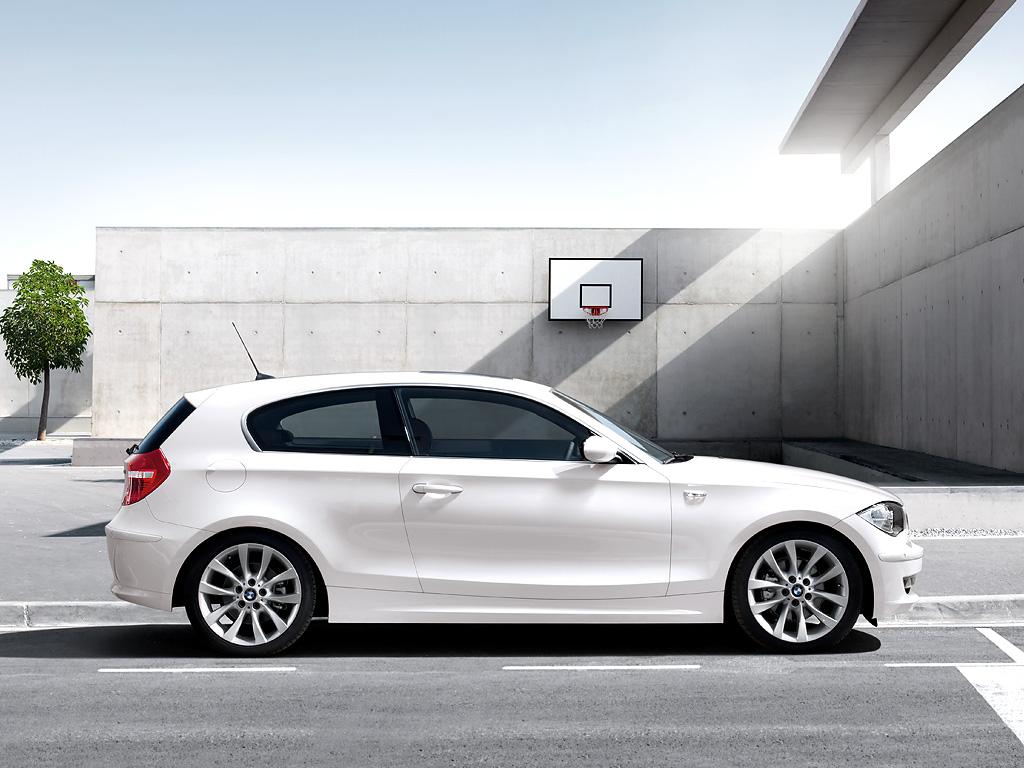
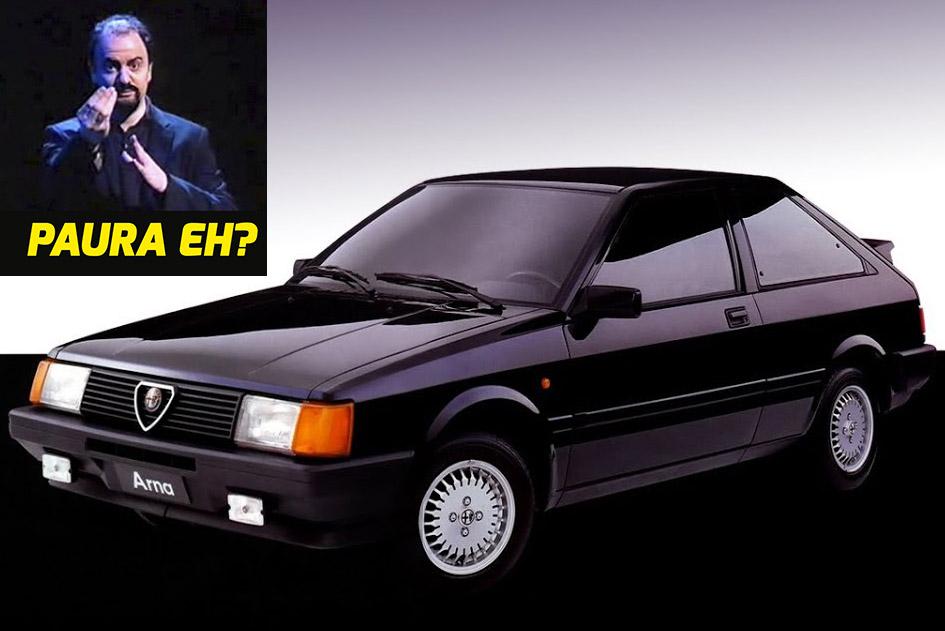
 7 punti7 puntiAncora nessuno ha fatto notare che potrà essere FWD? Finalmente un vero ricarrozzamento Fiat7 punti7 puntiLeggo ancora Autopareri là sopra, ma pensavo di essere su Autostronzate.7 punti6 puntiSecondo me l'accordo Fca-Renault è già stato fatto da un pezzo, avranno studiato sinergie e utilizzo di piattaforme ed impianti per i nuovi modelli, ma solo ora coinvolgono i media. Nel 2017 a marzo ci fu l'annuncio dell'acquisto di Opel da parte di Psa e il mese successivo erano in vendita Crossland e Grandland su base PSA PF1 e PSA EMP-2.6 punti6 punti6 punti6 puntiA me piacerebbe vedere una dichiarazione ufficiale in cui si è detto che le segmento C Alfa Romeo sarebbero state sviluppate sulla piattaforma Giorgio! Io ricordo invece che Fedeli in un intervista durante le prove stampa della Stelvio ha detto chiaramente che stavano valutando cosa fare, e che tutto sarebbe dipeso da cosa era più conveniente adottare. Che poi da capire perché con S-USW pronto ed elettrificato si debba andare a sviluppare Tonale sulla piattaforma del QQ... ?6 punti6 puntiThey would need to pay a large sum of money to FCA-Renault for 43.4% share in Nissan. I see it as a win-win situation for FCA-Renault.6 punti6 puntiPer me la Serie 1 E87 restyling è un capolavoro di pulizia stilistica e proporzioni dentro il segmento C...6 punti6 puntinoi qui si può giocare finché si vuole ai piccoli strateghi o ai grandi economisti (a scelta), ma se FCA ha scoperto le carte e messo tutto in piazza, con una discreta dovizia di particolari, ricevendo a stretto giro risposte pubbliche di interesse da parte di Renault (e non credo che il CdA di Renault se ne stesse in assise il lunedì mattina putacaso mentre usciva la lettera FCA) e pure il placet immediato di Macron (pure lui in riunione col governo al completo il lunedì mattina, fai te!), mi sa che i giochi sono pressoché fatti, che un'idea abbastanza precisa di dove andare e come andarci ce l'hanno e che pure coi giappi c'è già quantomeno un accordo di massima, in un senso o nell'altro. robe di questa portata non si buttano sul tavolo alla cieca. così fosse ci sarebbe da dubitare della sanità di mente della dirigenza FCA.6 punti6 punti5 puntiVorrei capire una cosa: Si parla della possibilità di creare il terzo, e forse addirittura il PRIMO gruppo Automotive al mondo (ed in questo caso con un margine di oltre il 45% superiore al secondo per unità vendute) e l'unica cosa a cui sapete pensare è la Punto? Una onesta utilitaria del segmento B?5 punti5 punti5 punti5 punti5 puntiQuale migliore occasione per sfoderare questa gif? Spettacolo! ☏ POCOPHONE F1 ☏5 punti5 punti5 punti5 punti5 puntiL'AD è comunque un dipendente, non il padrone. Marchionne ha avuto enorme facoltà di decisione, ma perché la sua proposta era condivisa dalla proprietà, altrimenti col cavolo...5 punti5 puntiGrazie, questa infografica è illuminante. 5 miliardi di risparmio sono una bella botta. Secondo me manca anche un dato importante, ovvero quello sulla CO2 gamma che sempre più va messo a bilancio. Interessante notare che delle 3 grandi USA ce ne sono 3 nella top ten, mentre i cinesi rientrano solo tramite partecipazioni di società europee (PSA). No, confondi controllo con scambio paritario di azioni. E' matematico che già così Exor sarà il socio di maggioranza. Sempre che non ci siano compravendite da qui a breve. Al di là delle gamme, la cosa interessante è che Renault in Europa fa soldi con auto generaliste e con un buon margine! FIAT ha cercato di abbandonare il mercato generalista perché incapace di fare abbastanza soldi in quel mercato. Se ti allei con un partner che invece ci vive con quel mercato e ci sa fare i soldi le cose sono diverse... Da quello che ho capito sono mesi che JE è in trattative "segrete" con Macron per fare il colpaccio.5 punti5 puntiMa un auto più leggera e bassa , con prestazioni e consumi migliori ? A meno che tu non debba affrontare strade bianche. 170 nm di Ford e 118 nm di Opel per un auto che in assetto da viaggio sfiora i 1500 kg sono veramente pochi. Una panda con il vecchio fire 1.2 ha 102 nm ma non arriva a 1000 kg.5 punti5 puntiFosse in italia, si. In francia contano eccome. Peraltro mettetevi nei panni del governo francese... Hai la già la quota, hai i sindacati che ti danno man forte e cosa fai? Rinunci al controllo? Oltretutto è Elkann che è andato in cerca, non sono loro alla canna del gas che cercano un acquirente (tipo opel). E' chiaro che vorranno dettare le condizioni. Anche perchè per loro l'auto è strategica, e se un giorno citroen dovesse andare male, andate tranquilli che non chiuderebbe, ma passerebbe lo stato a dare una mano (direttamente o indirettamente). I vincoli europei valgono solo per noi e si è visto. Dopo Irisbus, STX, Enel con suez, gli stessi Agnelli con Perrier non hanno insegnato nulla? Comunque, le due società sono profondamente diverse, mentre in francia lo stato è già dentro Citroen, in Italia no. Quindi è una trattativa completamente tra privati (e neanche italiani, ma olandesi), e non penso che il governo italiano possa pretendere alcunchè. Quindi in linea teorica, prevarranno gli interessi di portafogli degli Agnelli, con buona pace degli esuberi e settore strategico. Ma in Francia non sarà cosi.5 punti5 puntiSenza che sia una risposta a un solo post preciso, ma.... intravedo il gran ritorno del moriremo tutti e non ci sarà più nulla d italiano ecc mentre la realtà è che Elkann sta riuscendo un colpaccio degno di buonanima Marchionne. La Fiat marcita del 2003 a meno di 2 milioni di auto vendute sta per controllare un gruppo da 9 milioni di auto e magari pure 15 se riesce a mantenere Nissan in orbita attorno a se. Per un paese come il nostro che sa sempre e solo svendere, perdere e chiudere e governato da degli incapaci cronici, è un miracolo. Ne più ne meno.5 punti4 punti4 punti4 punti4 puntiIl buon Elkann colpisce ancora. Zitto zitto si muove sulle orme del Maglione4 punti4 puntiAggiornato il primo messaggio con scheda tecnica e Press Ufficiale Ferrari. A breve altre foto!4 punti4 puntivero, ma con 900 e passa cavalli devi avere buchi e ali grosse. Con l'ibrido peggio ancora. Nel complesso la vedo abbastanza pulita Aspetto foto migliori, ma per me è promossa4 punti4 puntiSembra un film di fantascienza anni '50... "L'invasione dei calandroni giganti" :)4 punti4 puntiSperiamo non sia la nuova Ferrari "NaFerrari" (cit.)4 punti4 puntiCredo che lo scopo della fusione sia focalizzato sullo sviluppo congiunto di nuove piattaforme e motori. Il non limitarsi ad una semplice collaborazione del tipo io ti do questa piattaforma tu me ne dai un'altra. Per abbassare realmente i costi, soprattutto nei segmenti bassi lo sviluppo deve essere congiunto. Poi c'è da capire il senso più a lungo termine di questa fusione. Se prevalesse il metodo FCA, verrebbero unite semplicemente le gamme nel nome del non cannibalizziamo i prodotti (io non faccio la punto, abbiamo la Clio; tu togli la Twingo e teniamo la 500). In questo caso le piattaforme non verrebbero ammortizzate e non capirei il senso di tutta la baracca. Credo però che la scelta di un AD francese, spinga verso il metodo Renault, ossia fare prodotti, anche negli stessi segmenti in modo da saturare l'uso di piattaforme e motori comuni. Avere più interlocutori nella stessa baracca non credo sia un male4 punti4 puntiAmarcord... Che finaccia ha fatto una delle C più belle e personali di sempre...
 4 punti4 puntiAl di la della scelta di Audi di mettere in commercio la versione S con motore diesel, quello che a me lascia ancora più perplesso è l'utilizzo di scarichi finti anche per queste versioni definite "sportive". Da Internet4 puntiLa Leaderboard è riferita all'orario Roma/GMT+02:00

























Account
Navigation
Cerca
Configure browser push notifications
Chrome (Android)
- Tap the lock icon next to the address bar.
- Tap Permissions → Notifications.
- Adjust your preference.
Chrome (Desktop)
- Click the padlock icon in the address bar.
- Select Site settings.
- Find Notifications and adjust your preference.
Safari (iOS 16.4+)
- Ensure the site is installed via Add to Home Screen.
- Open Settings App → Notifications.
- Find your app name and adjust your preference.
Safari (macOS)
- Go to Safari → Preferences.
- Click the Websites tab.
- Select Notifications in the sidebar.
- Find this website and adjust your preference.
Edge (Android)
- Tap the lock icon next to the address bar.
- Tap Permissions.
- Find Notifications and adjust your preference.
Edge (Desktop)
- Click the padlock icon in the address bar.
- Click Permissions for this site.
- Find Notifications and adjust your preference.
Firefox (Android)
- Go to Settings → Site permissions.
- Tap Notifications.
- Find this site in the list and adjust your preference.
Firefox (Desktop)
- Open Firefox Settings.
- Search for Notifications.
- Find this site in the list and adjust your preference.