



Classifica Utenti
Utenti più Apprezzati
(Scegli il periodo) Utenti più Apprezzati
(Storia giorno per giorno) Classifica dall'Origine
(da Marzo 2003)
(Scegli il periodo) Utenti più Apprezzati
(Storia giorno per giorno) Classifica dall'Origine
(da Marzo 2003)
-
TonyH
Utente Registrato7Punti57231Numero contenuti pubblicati -
iDrive
Utente Registrato7Punti8705Numero contenuti pubblicati -

__P
Capo Moderatore (Staff)6Punti29333Numero contenuti pubblicati -
SolidSnake
Utente Registrato6Punti537Numero contenuti pubblicati



Contenuti più Popolari
Stai visualizzando i contenuti con il più alto punteggio, pubblicati in data 12/14/19 e localizzati Tutte le aree/sezioni
-
4 puntiPare che BPI abbia chiesto garanzie aggiuntive sulla governance del futuro gruppo nel caso Tavares dovesse lasciare il posto di AD. Una fonte vicina ad FCA ha detto che non è sul tavolo una modifica della governance e che non hanno alcun problema a rinviare il deal. Sappiamo bene com'è finita con Renault, Elkann e soci sono estremamente rigidi e non concedono nessuna modifica rispetto alla proposta iniziale. Sarebbe il colmo se saltasse anche questo accordo (anche se io ci spero, PSA non vale un gomma bucata e ritengo Renault un partner che aveva ben più da offrire). E il fatto che sia stata sollevata la questione dimostra come questa sia effettivamente una fusione 50-50 e per l'ennesima volta smentisce i giornalettari italiani che parlavano di vendita mascherata. ?4 punti
-
4 puntimha..non so sai. Avendo in listino un diesel 4cilindri che ragigunge già i 210 cv, non avrebbe senso un 6 cilindri con "soli" 249 cv. I 40 cv in più se li sarebbe mangiati la massa superiore del 6 cilindri, che è un bel bestione in termini di peso aggiuntivo, rispetto al 4 cilindri completamente in lega. Le prestazioni sarebbero state di pochissimo superiori, a fronte di consumi nettamente peggiori e con un prezzo di listino più alto. Certo se poi facciamo un discorso di come gira il motore, di sound, di rotondità di funzionamento e piacevolezza, è chiaro che il 6 cilindri avrebbe dato più soddisfazioni, sotto questi aspetti.4 punti
-
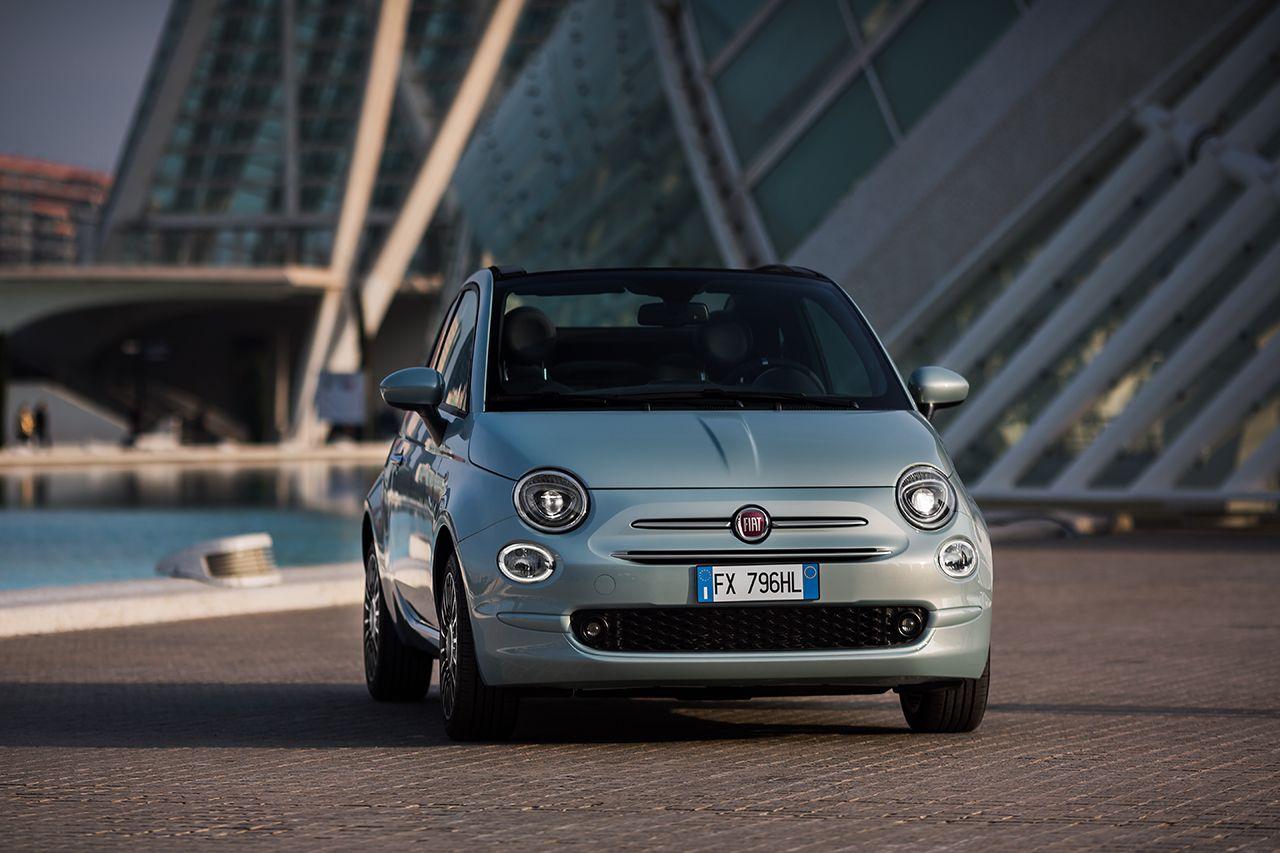
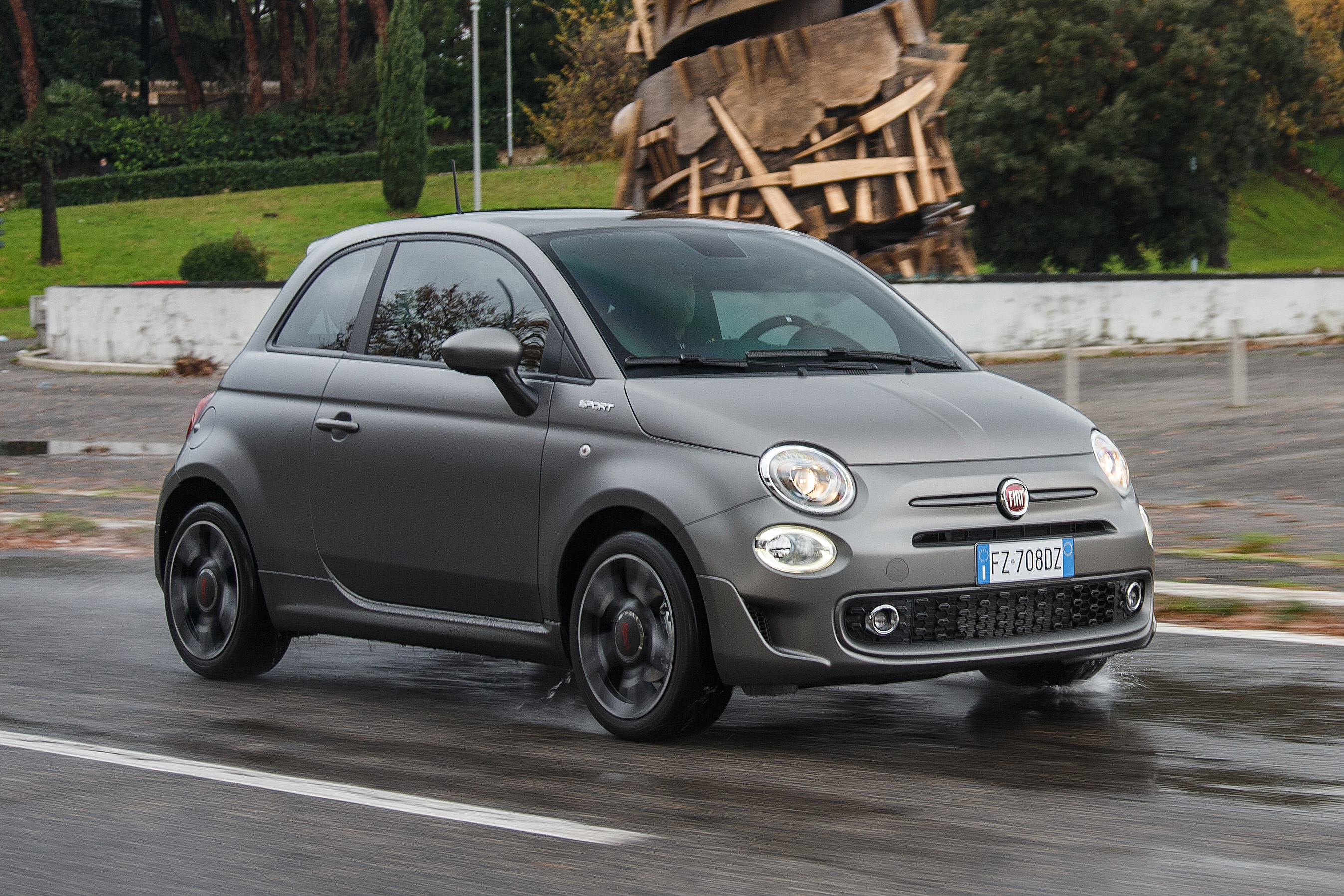
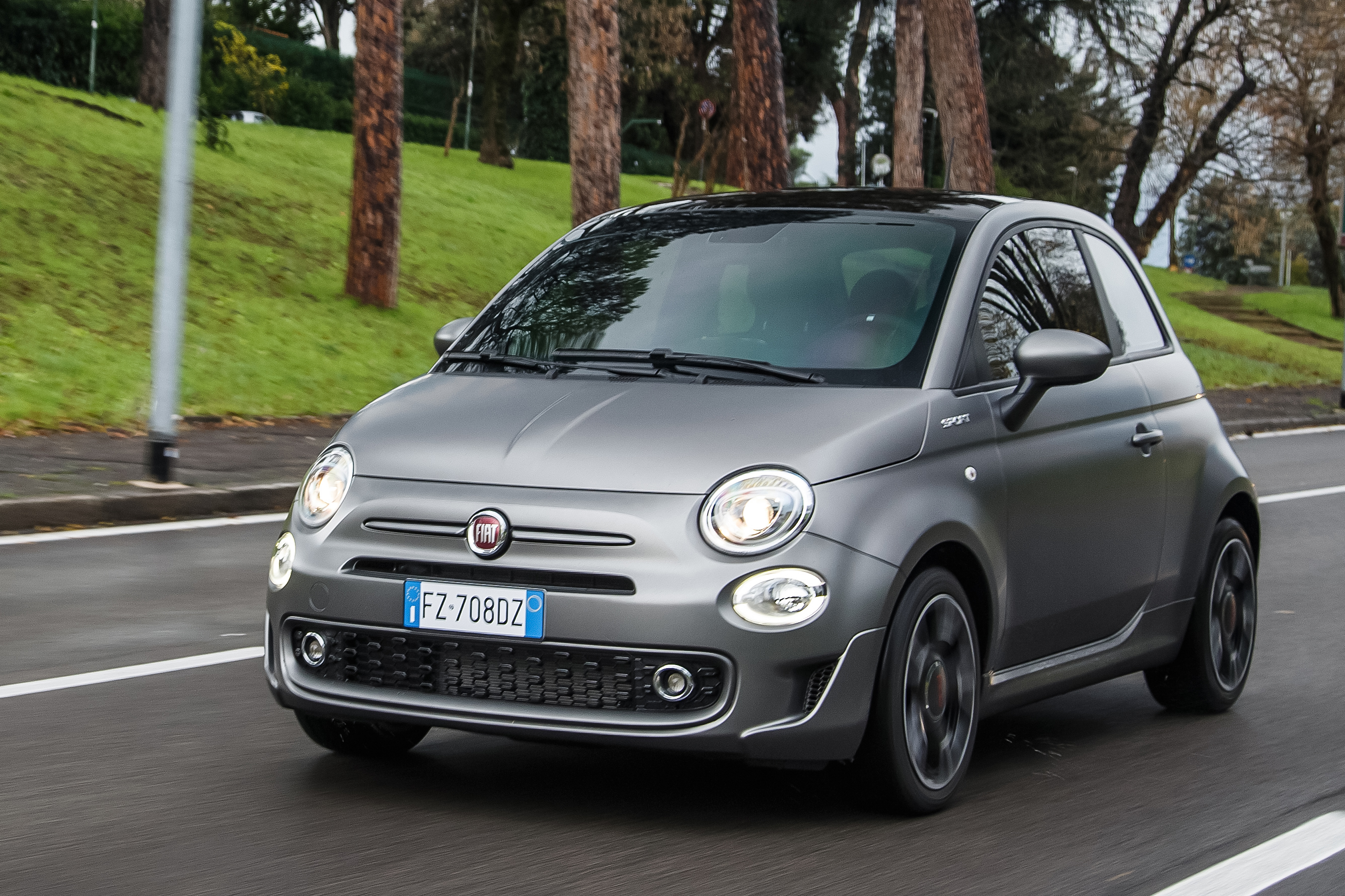
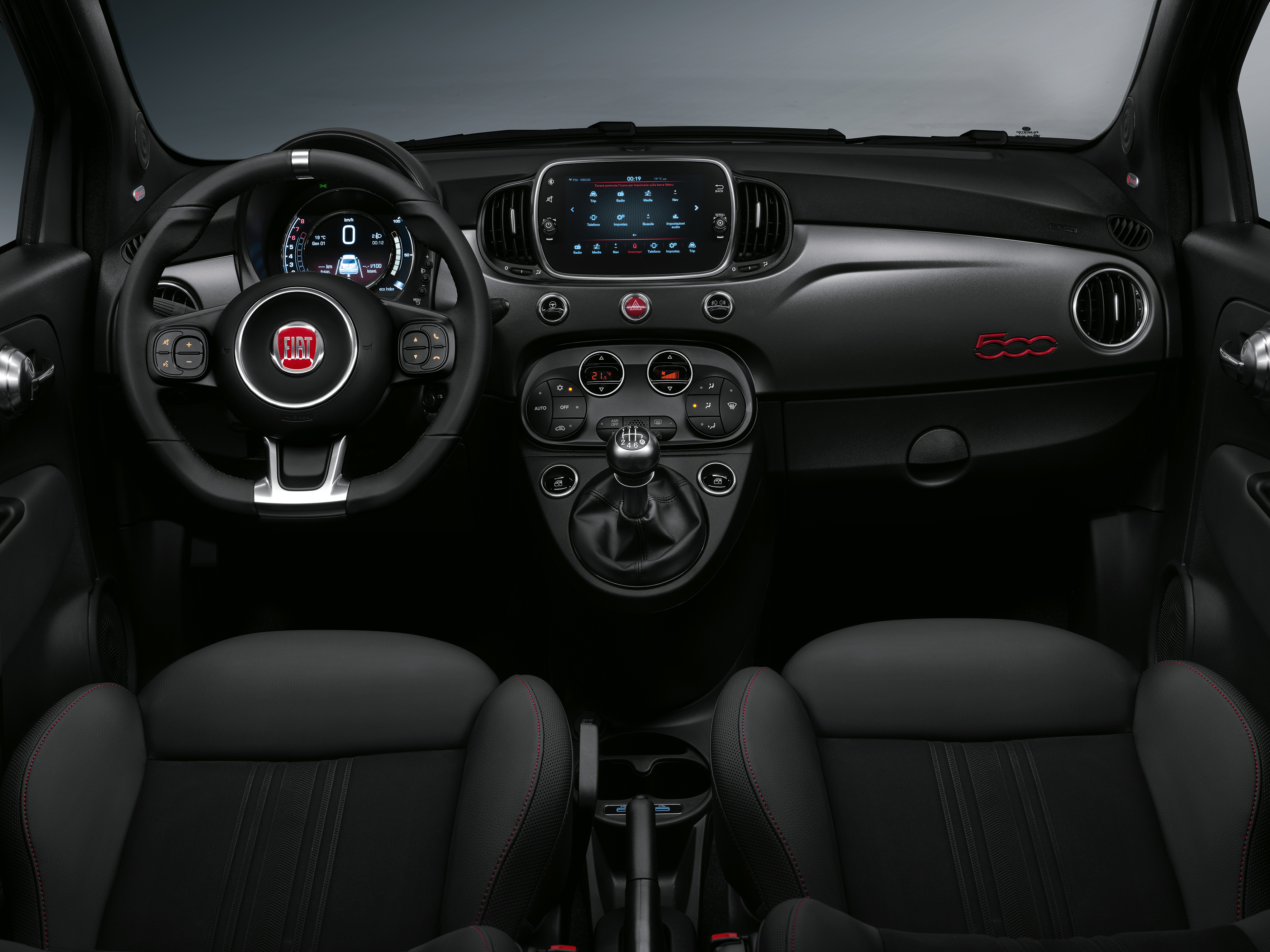
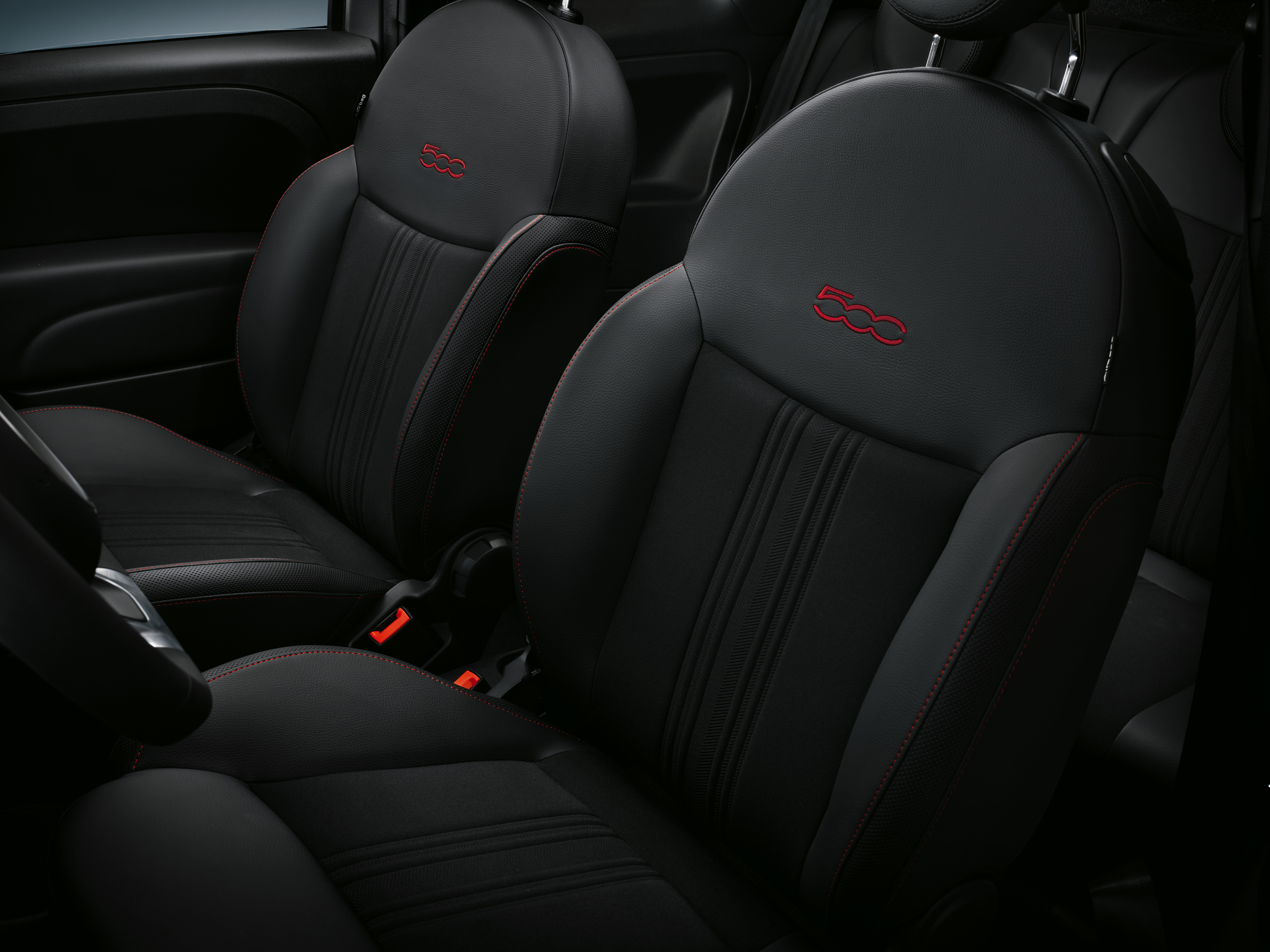
500 Cult 500 Connect 500 Sport 500 Dolcevita Press Release: via Fiat 500 Hybrid 2020 Press Release Hybrid 2020: Fiat
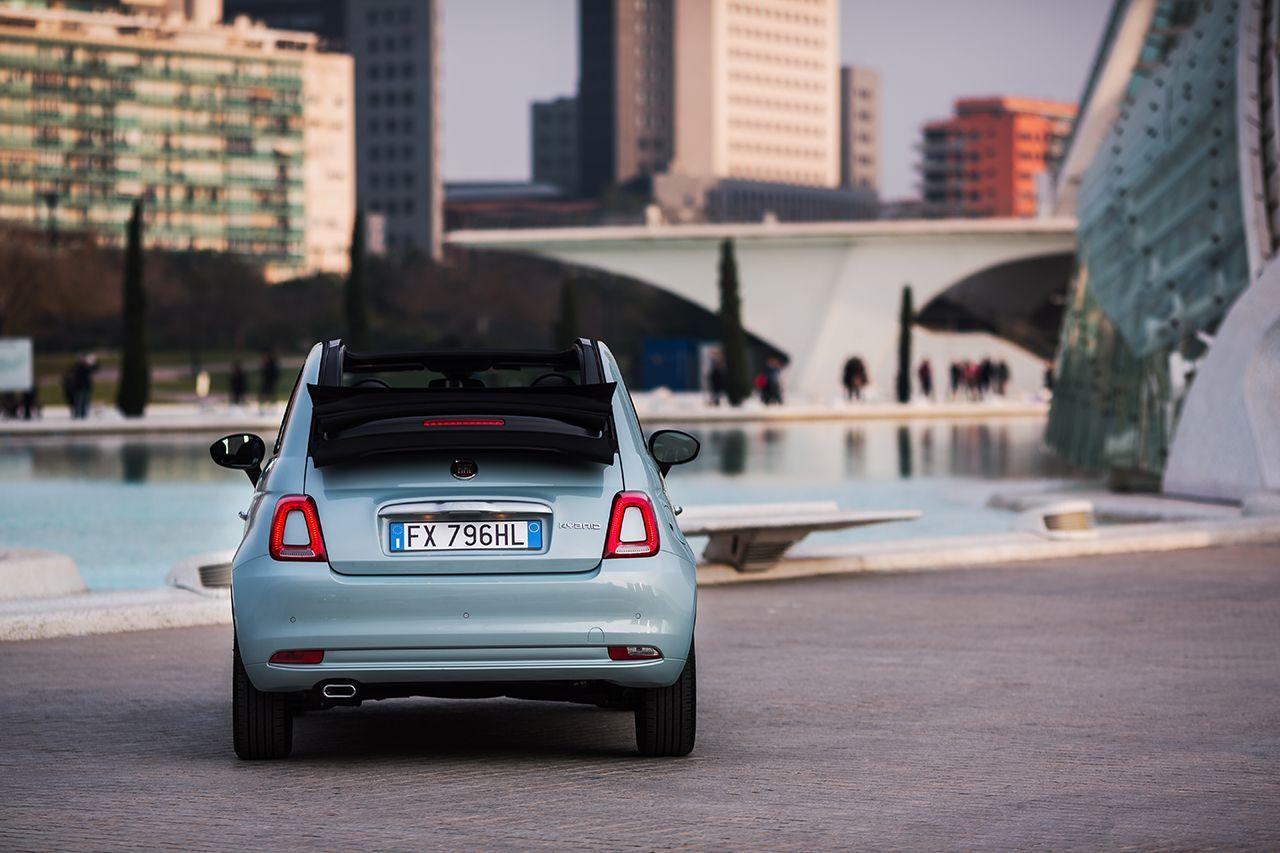
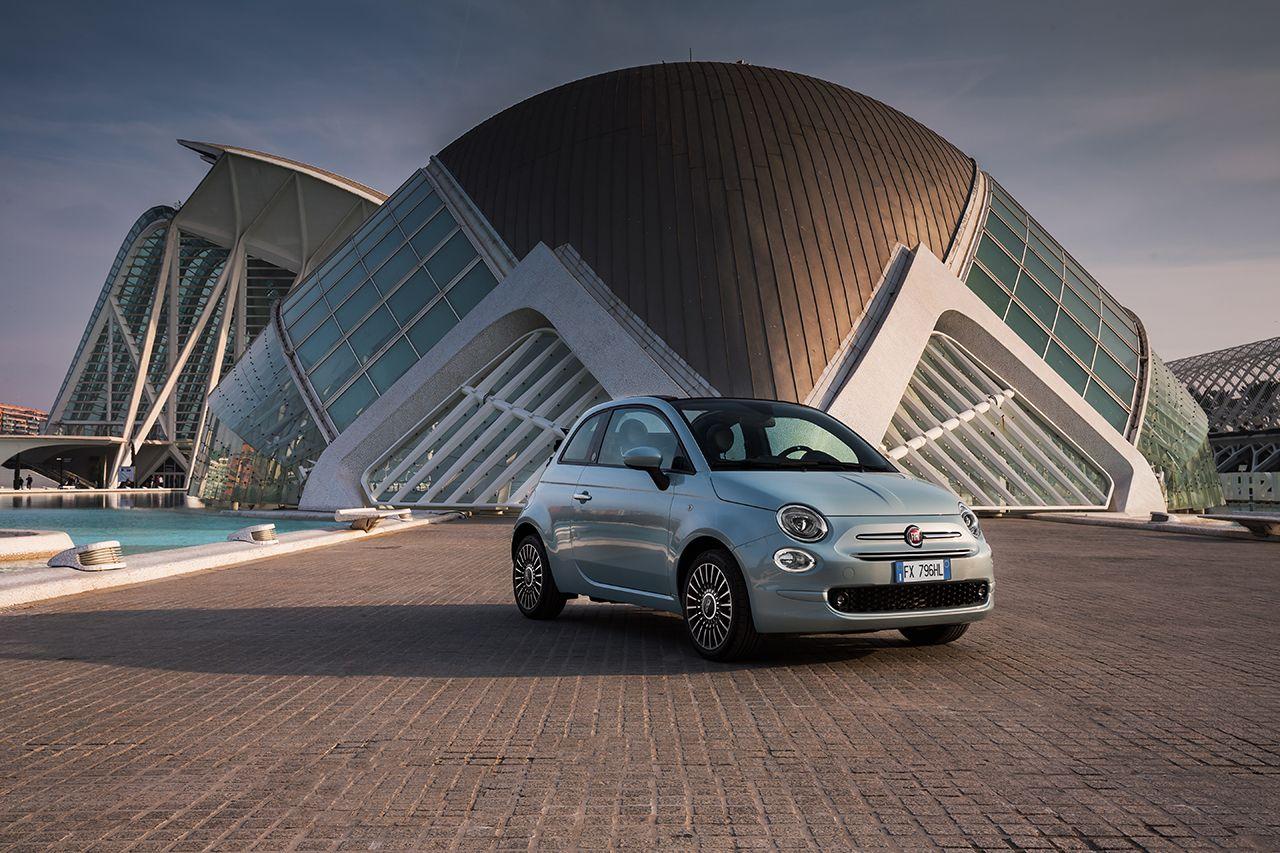
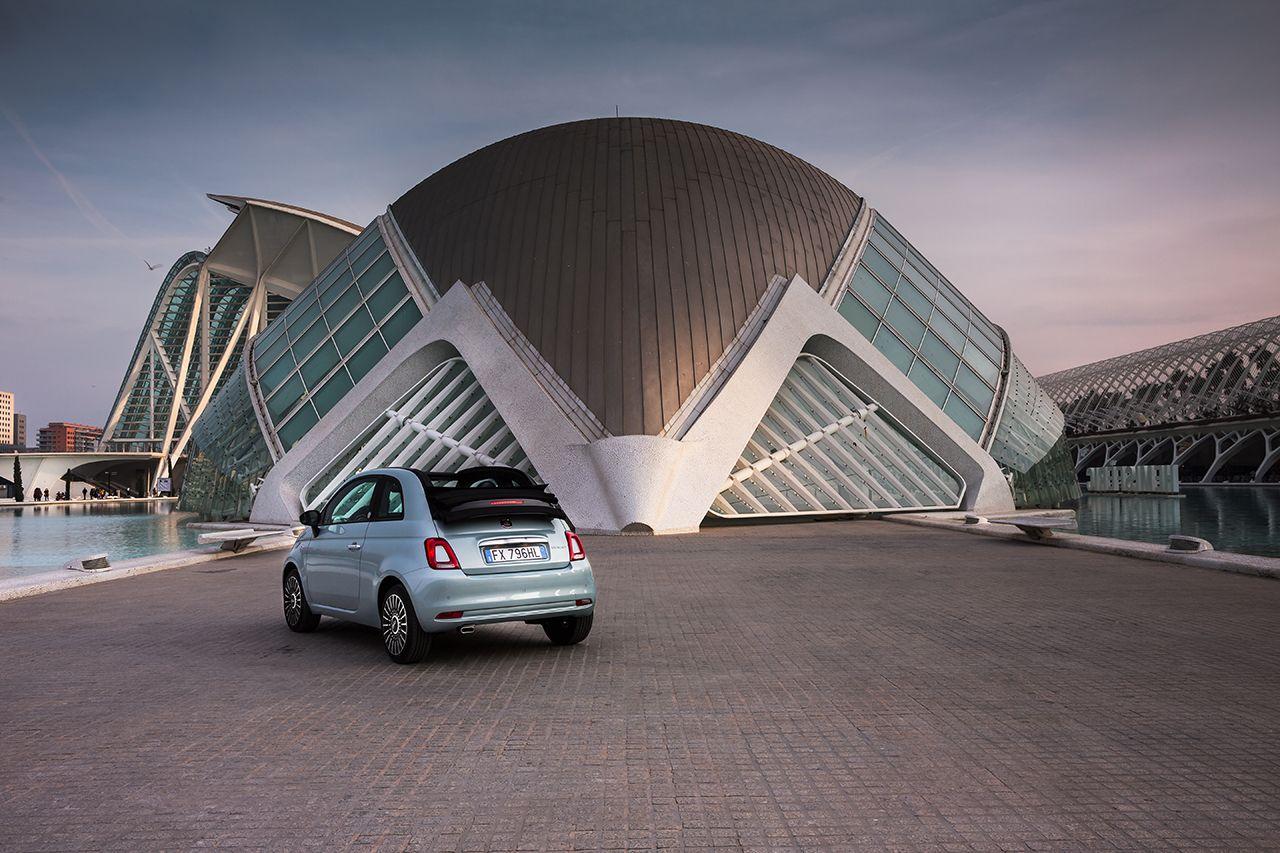
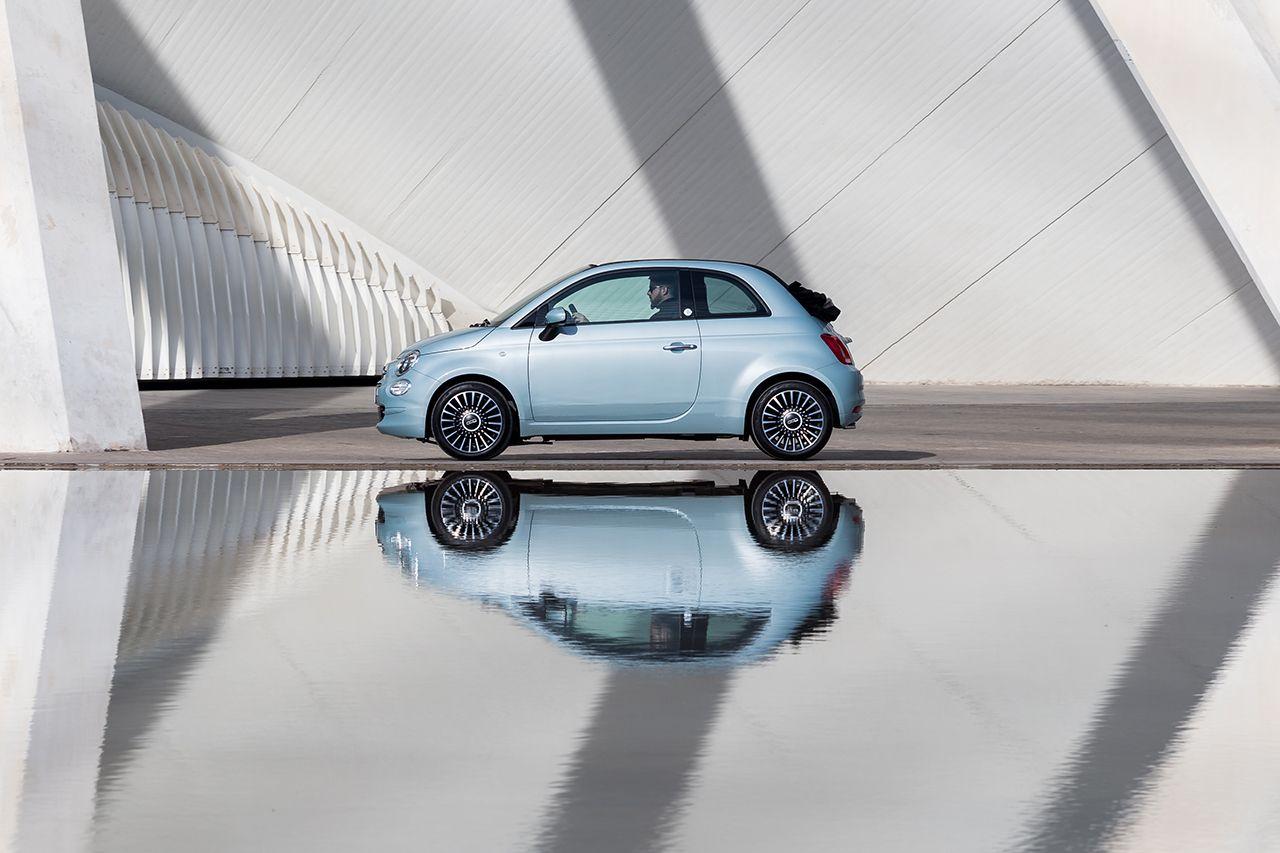
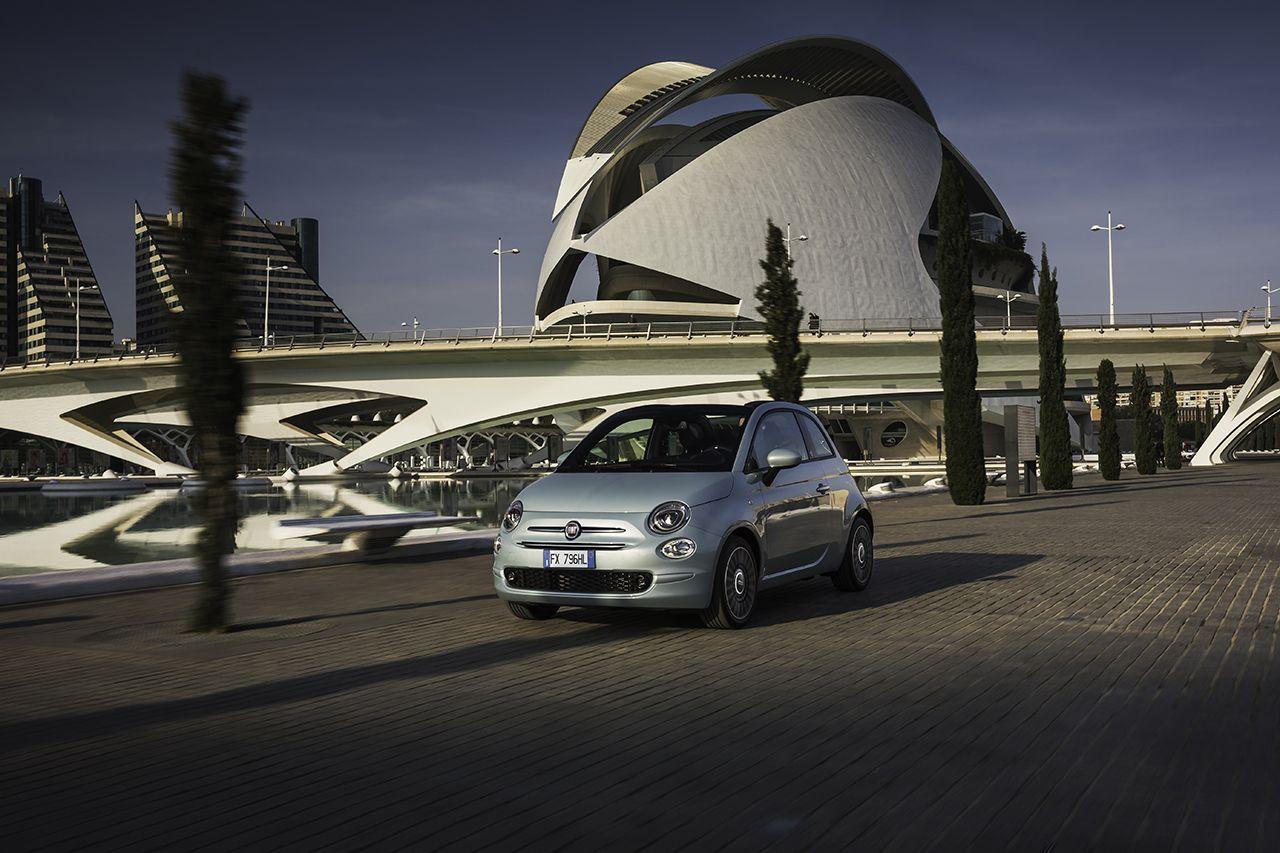
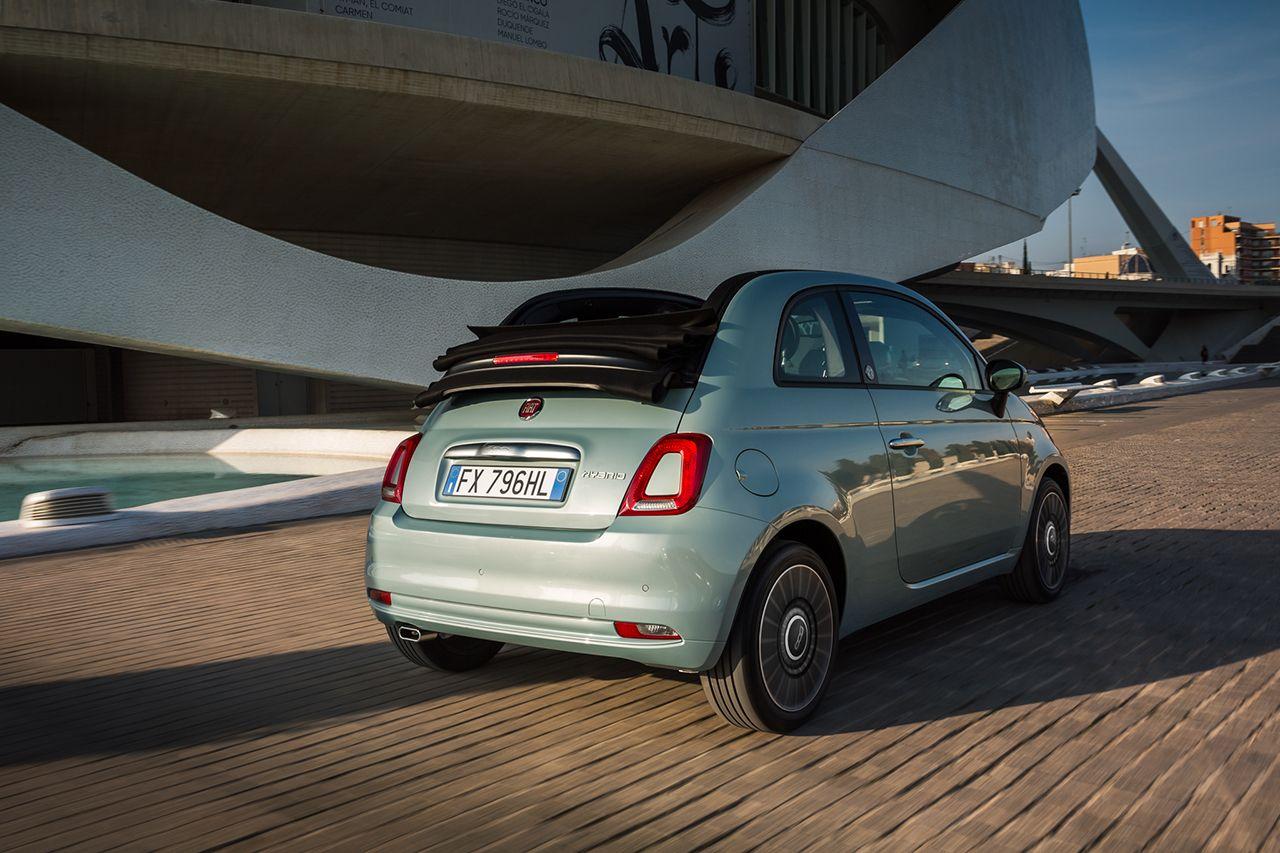
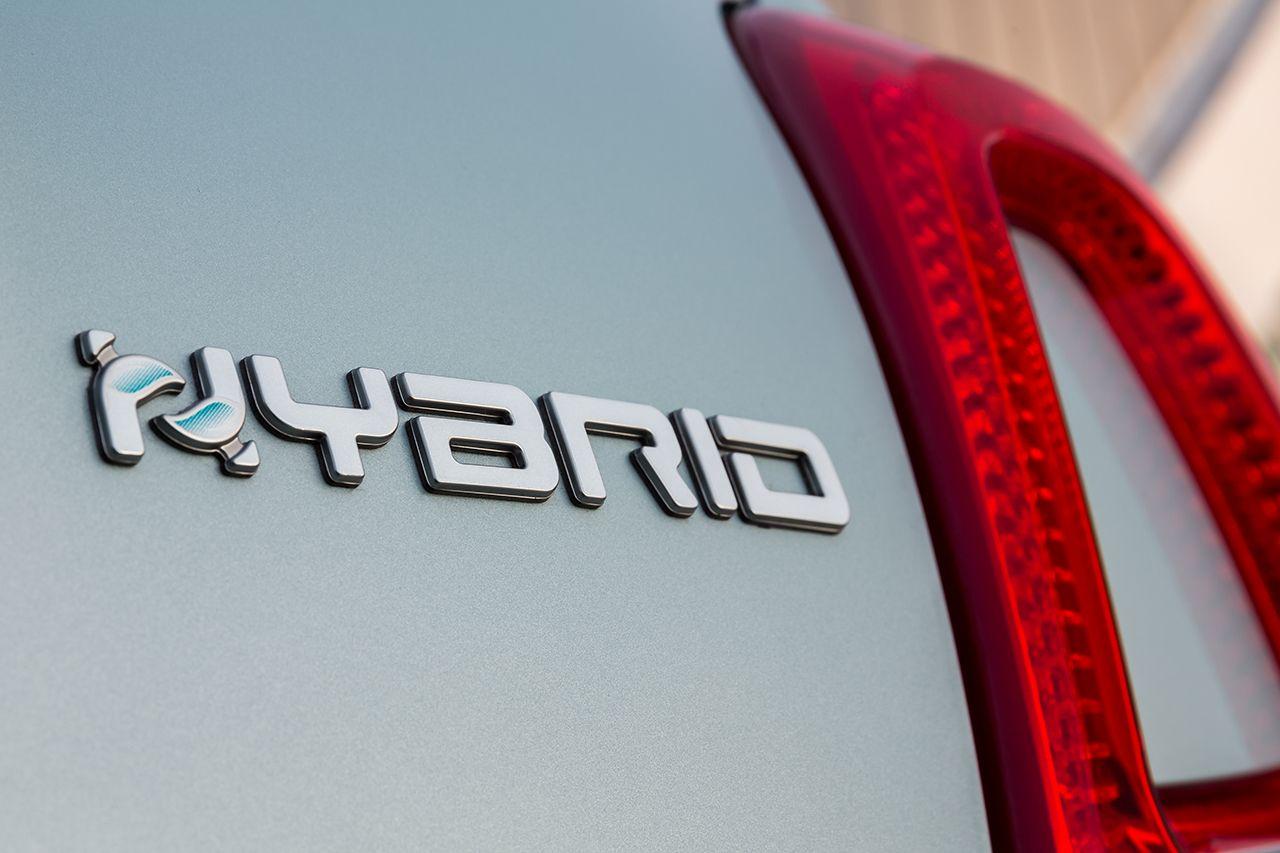
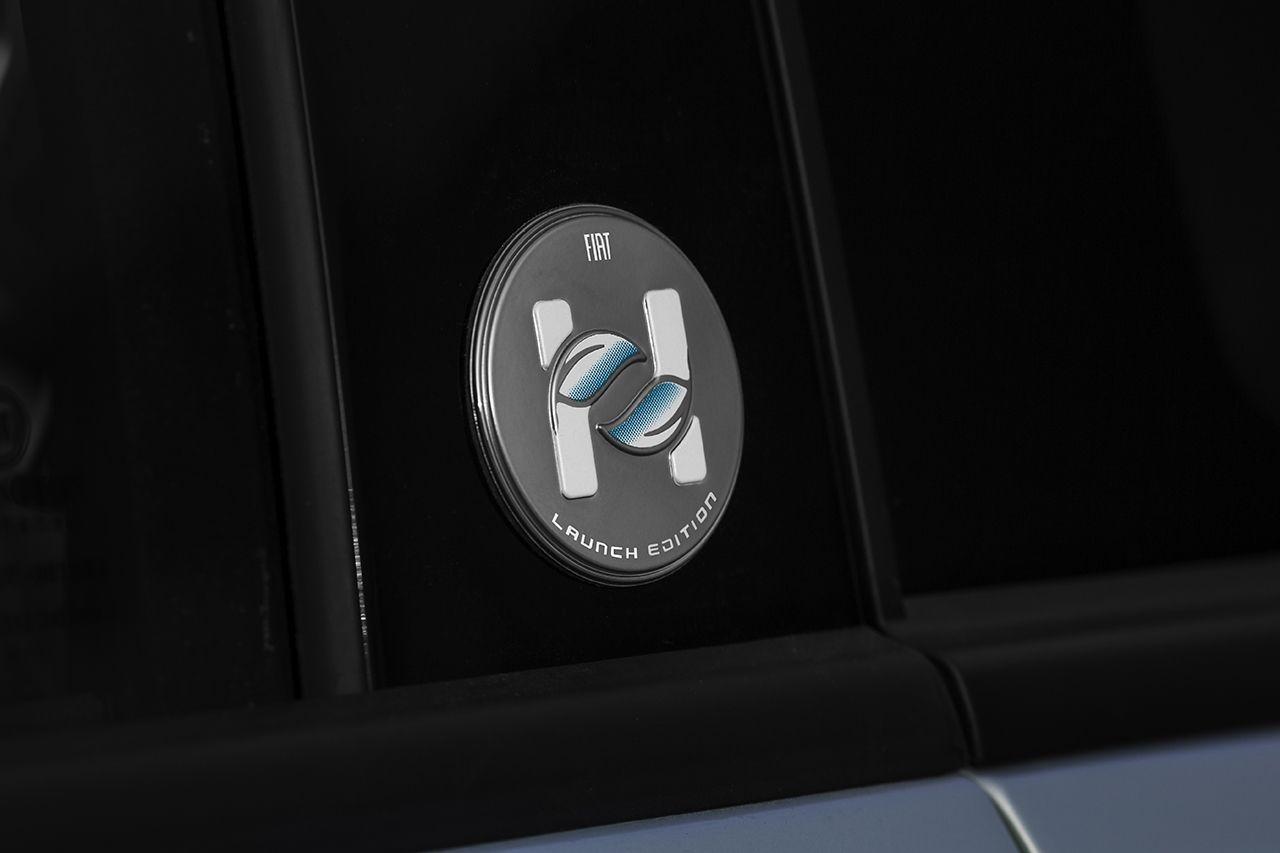
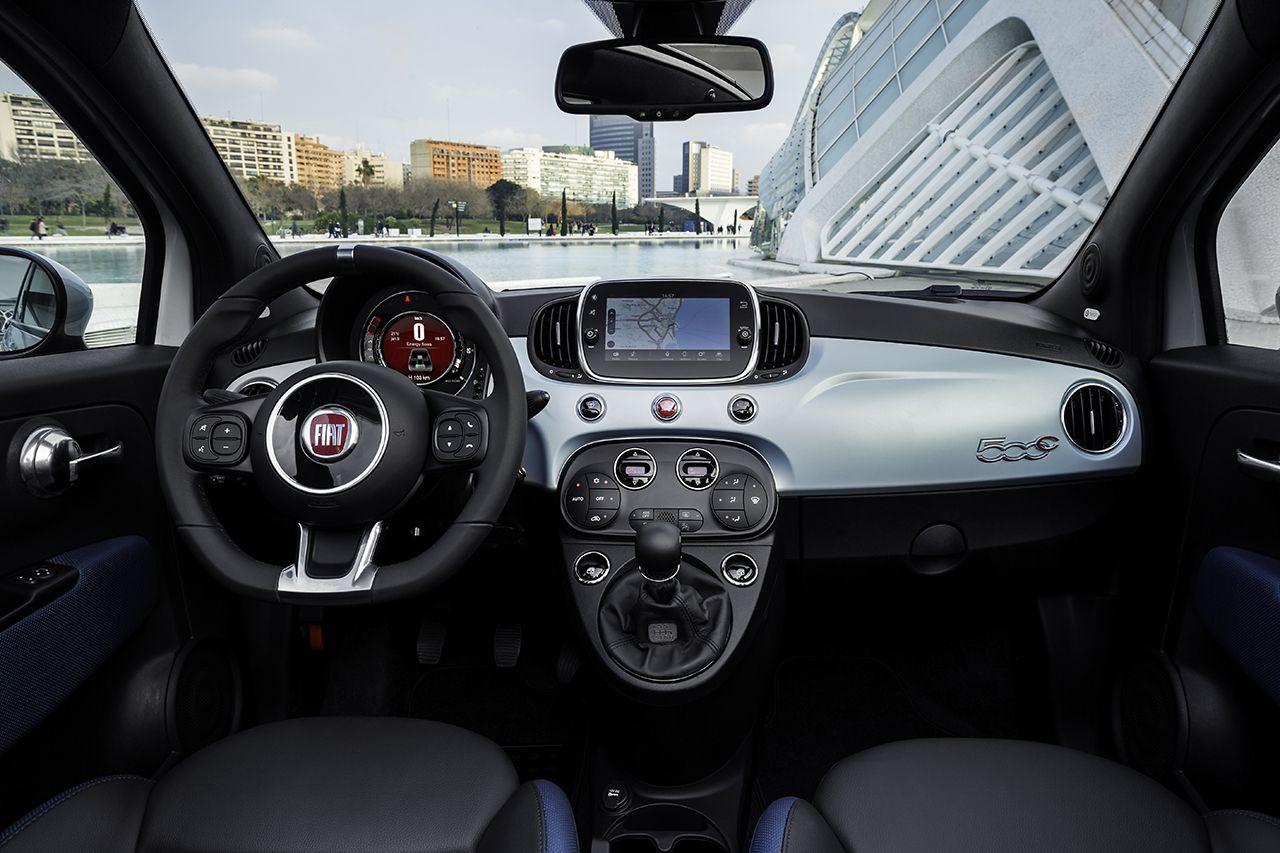
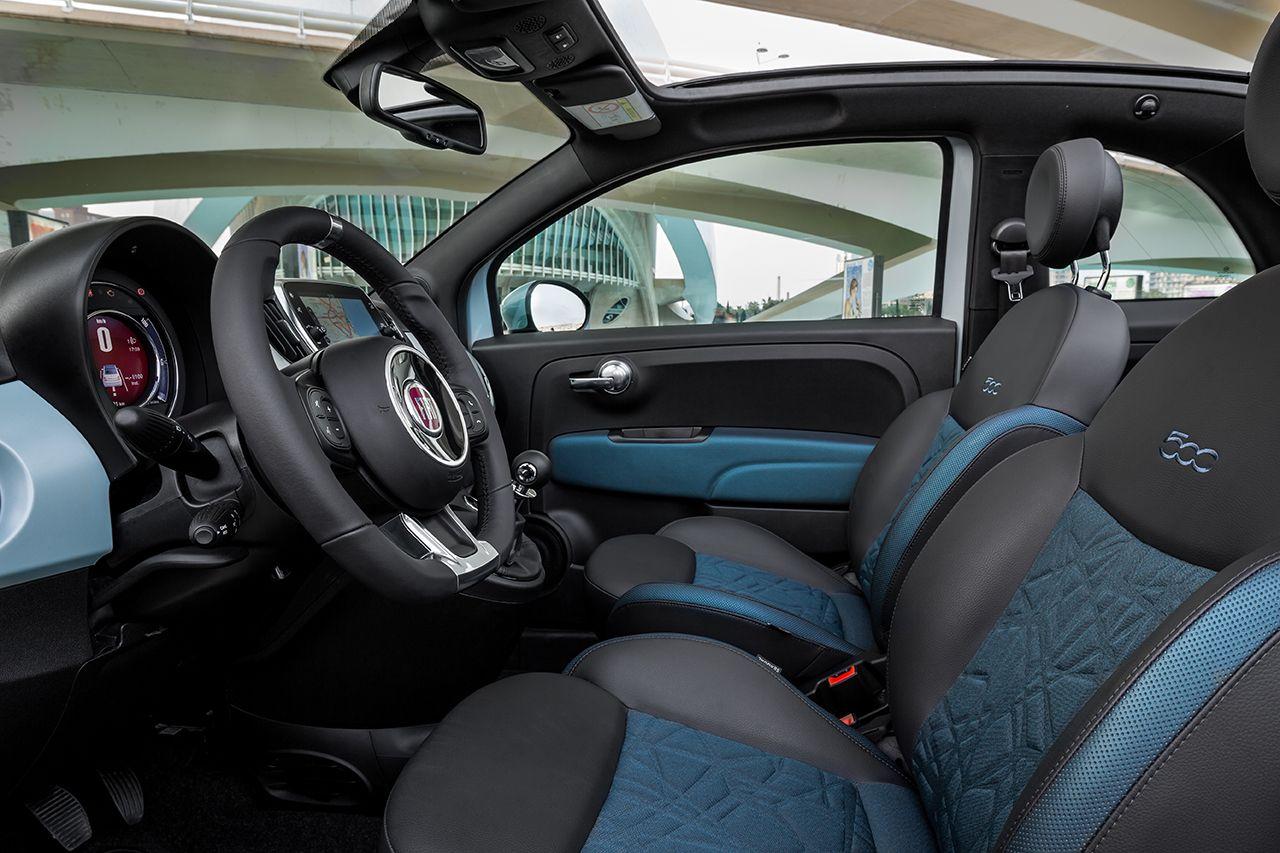
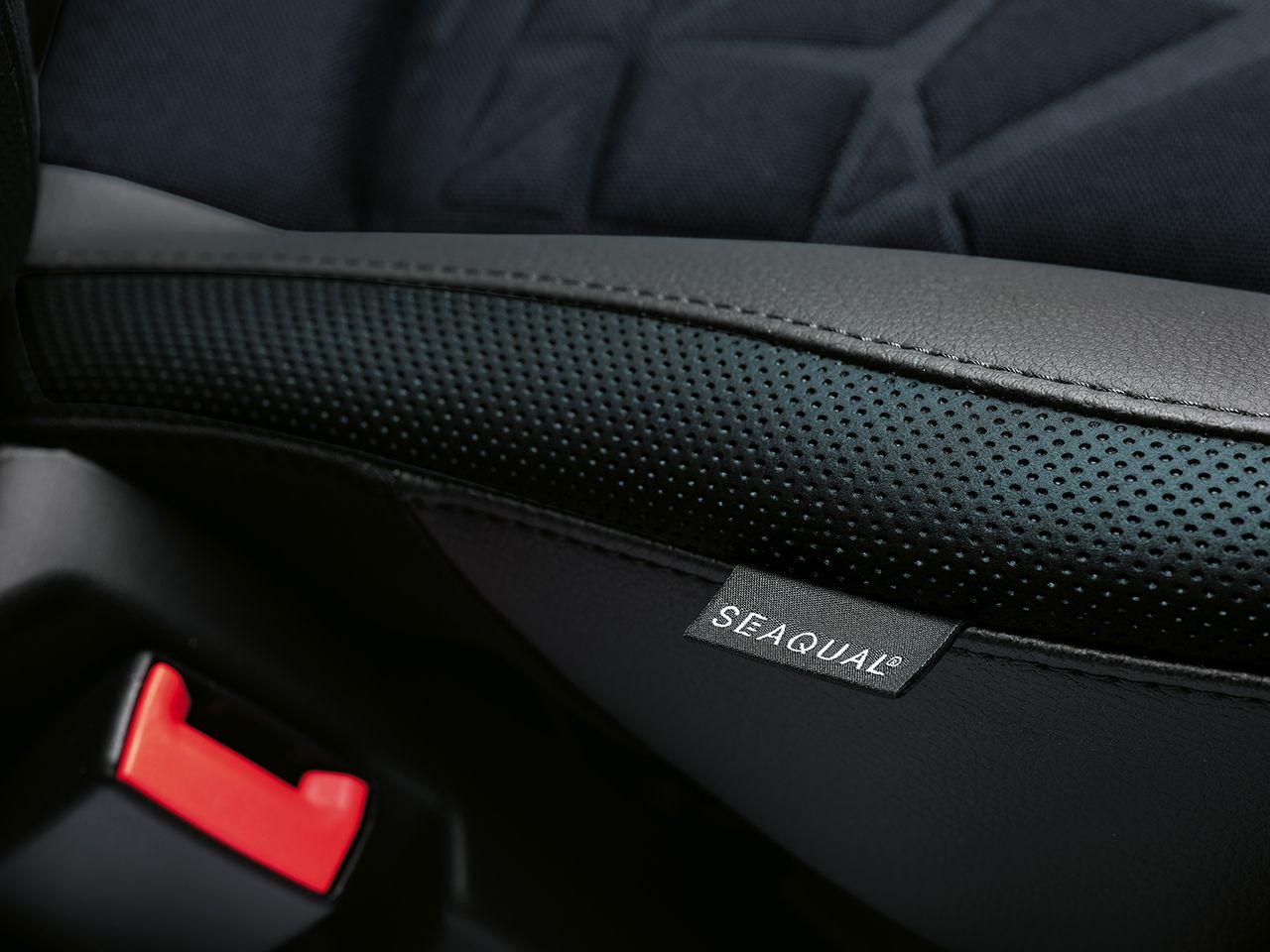
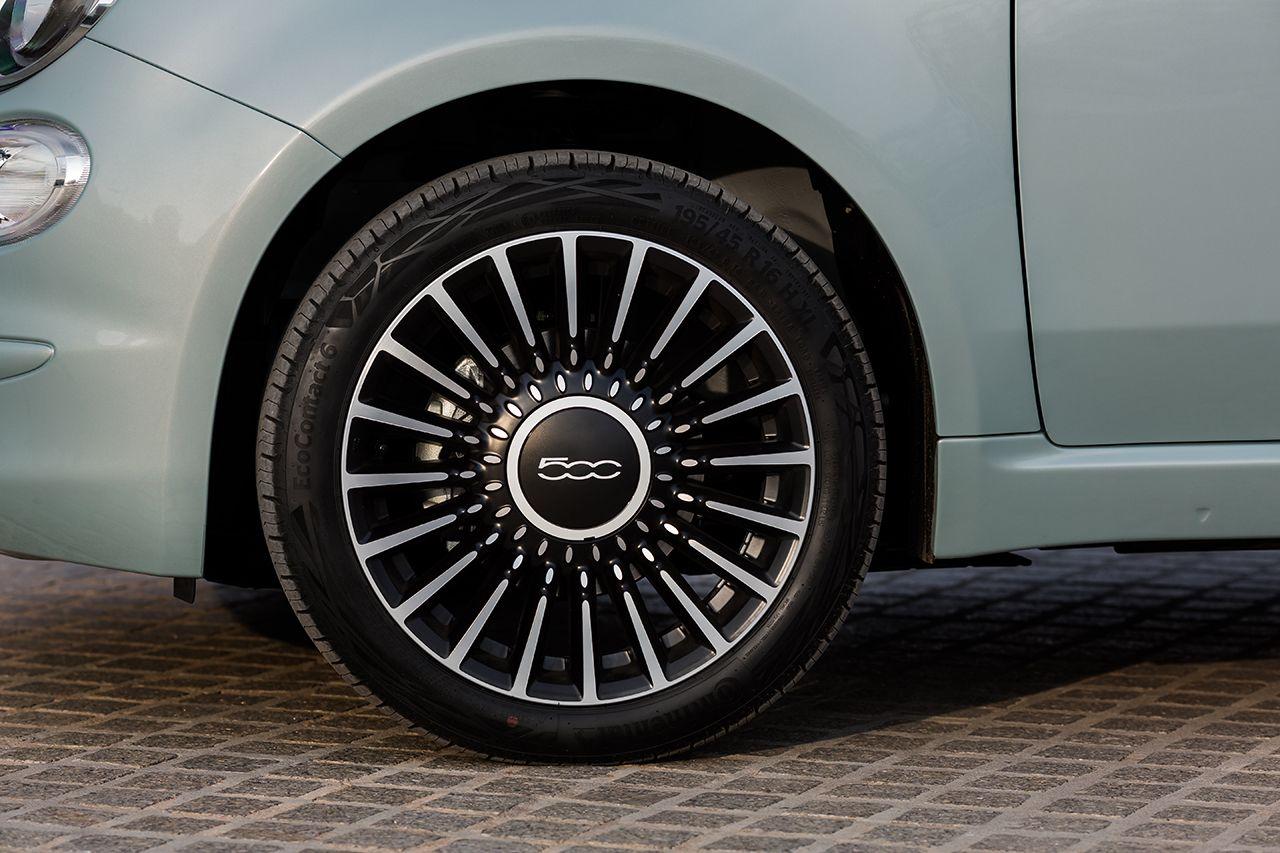
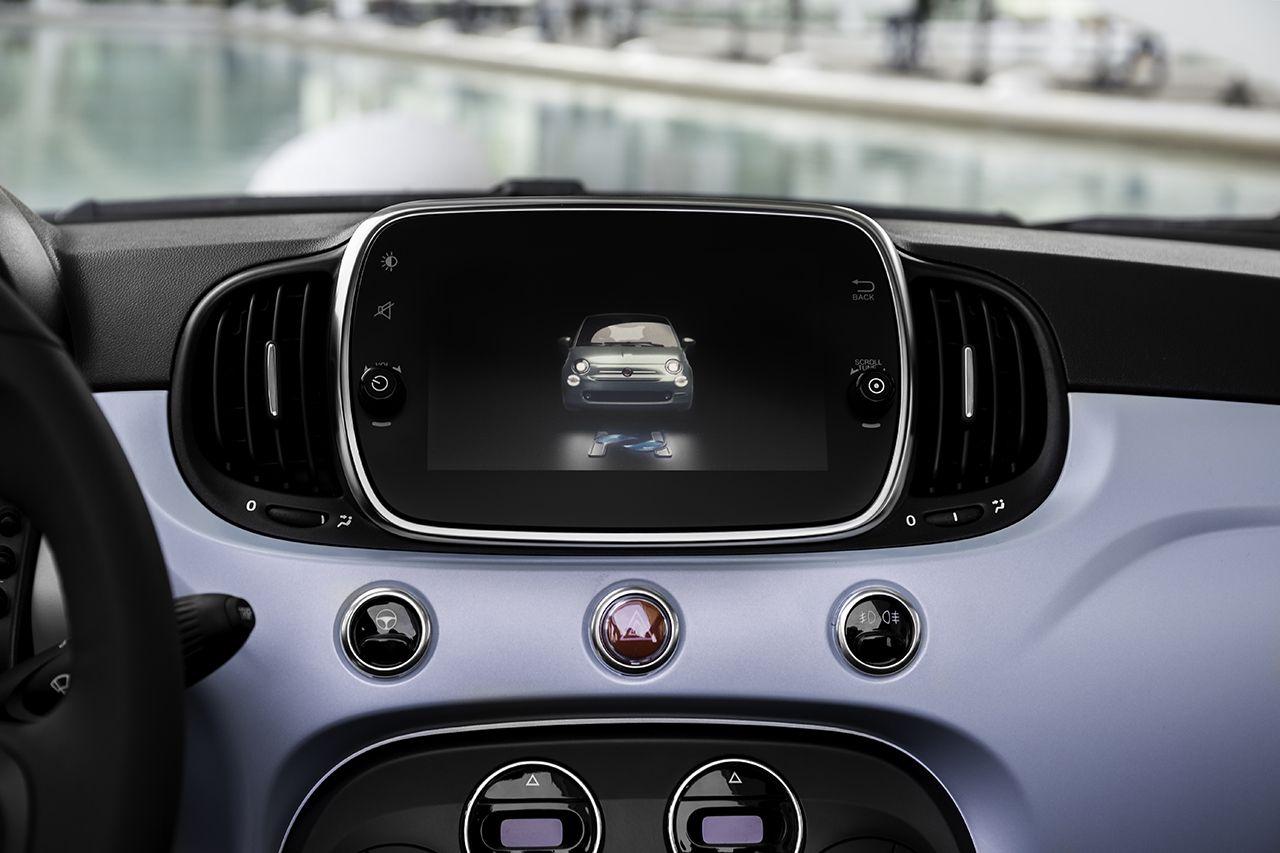
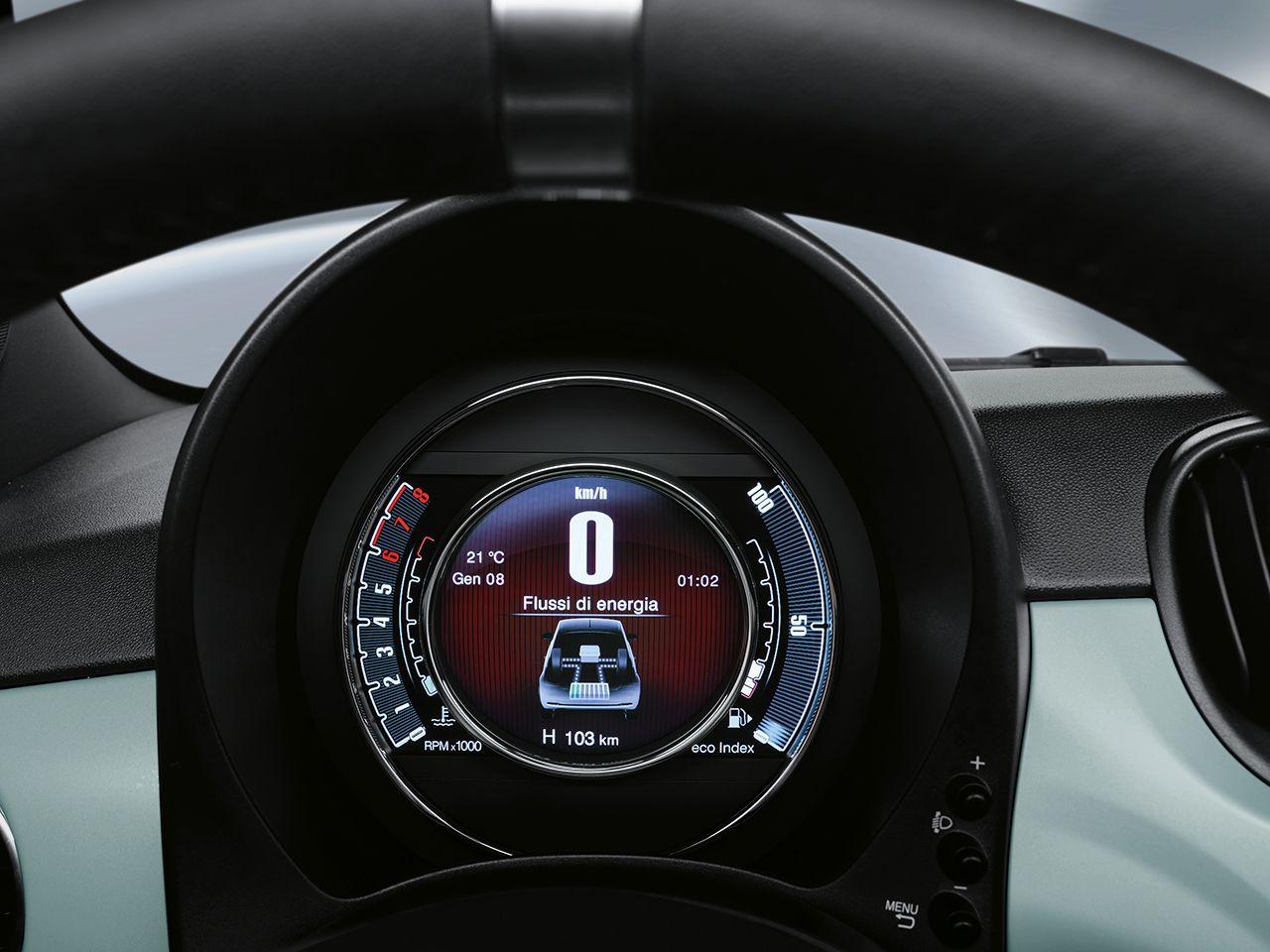
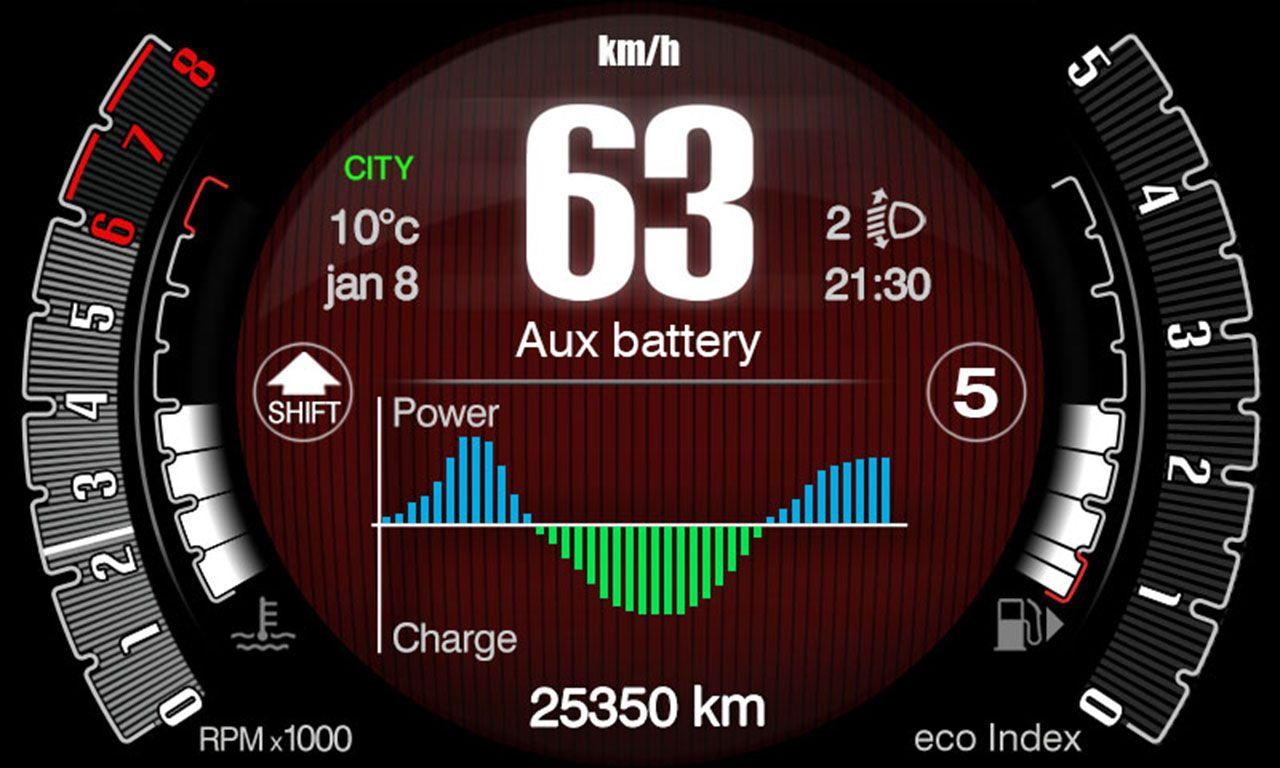
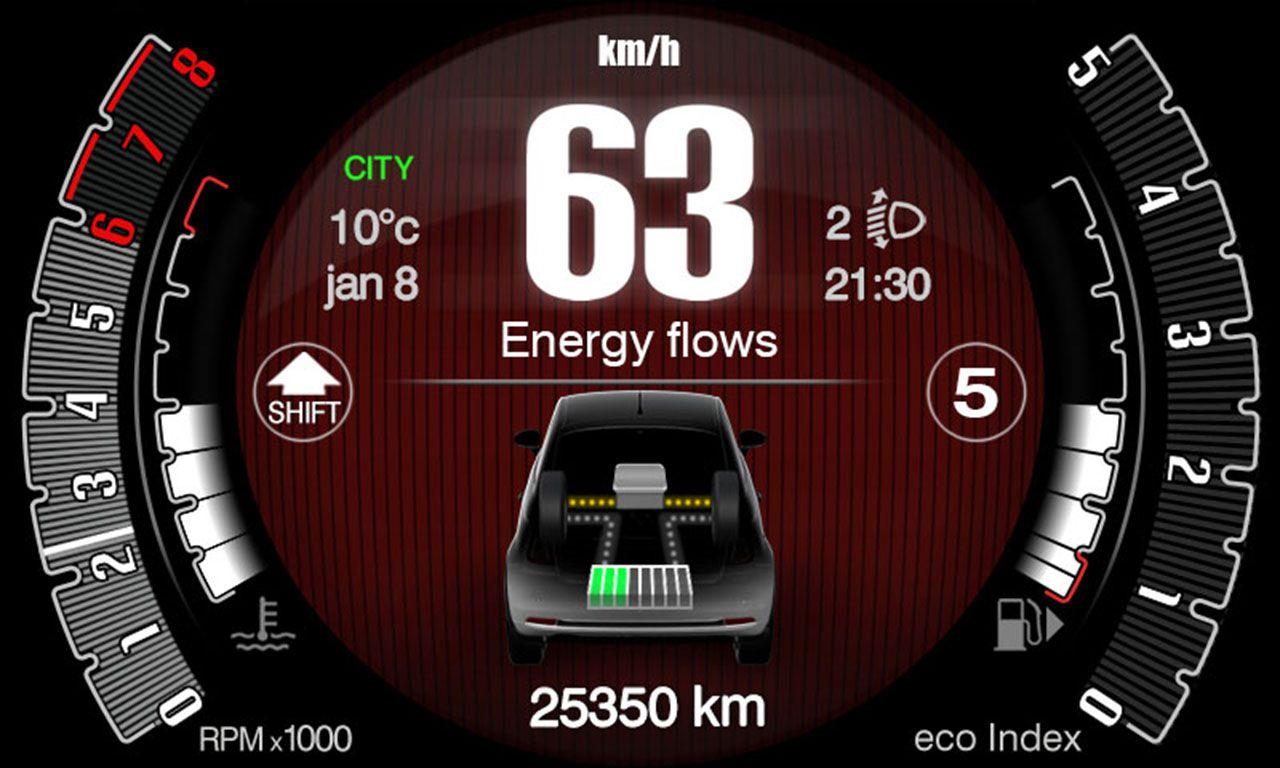
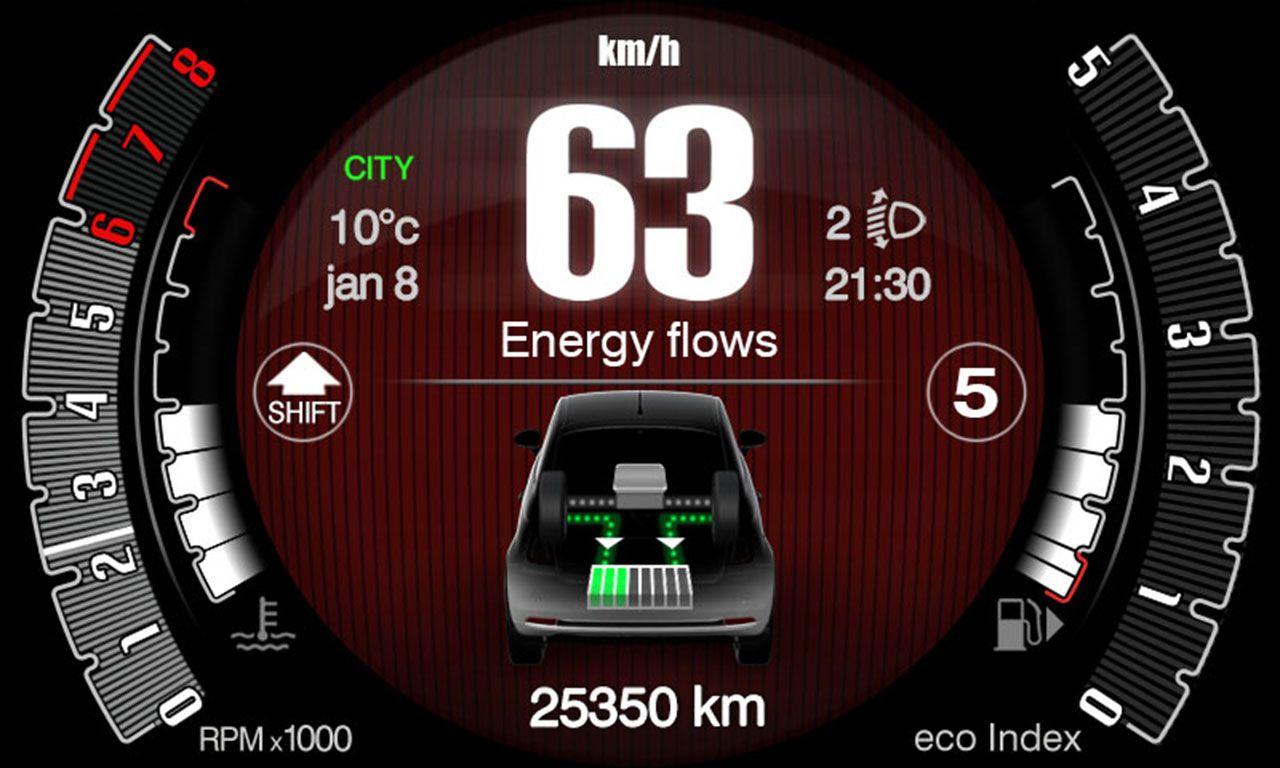
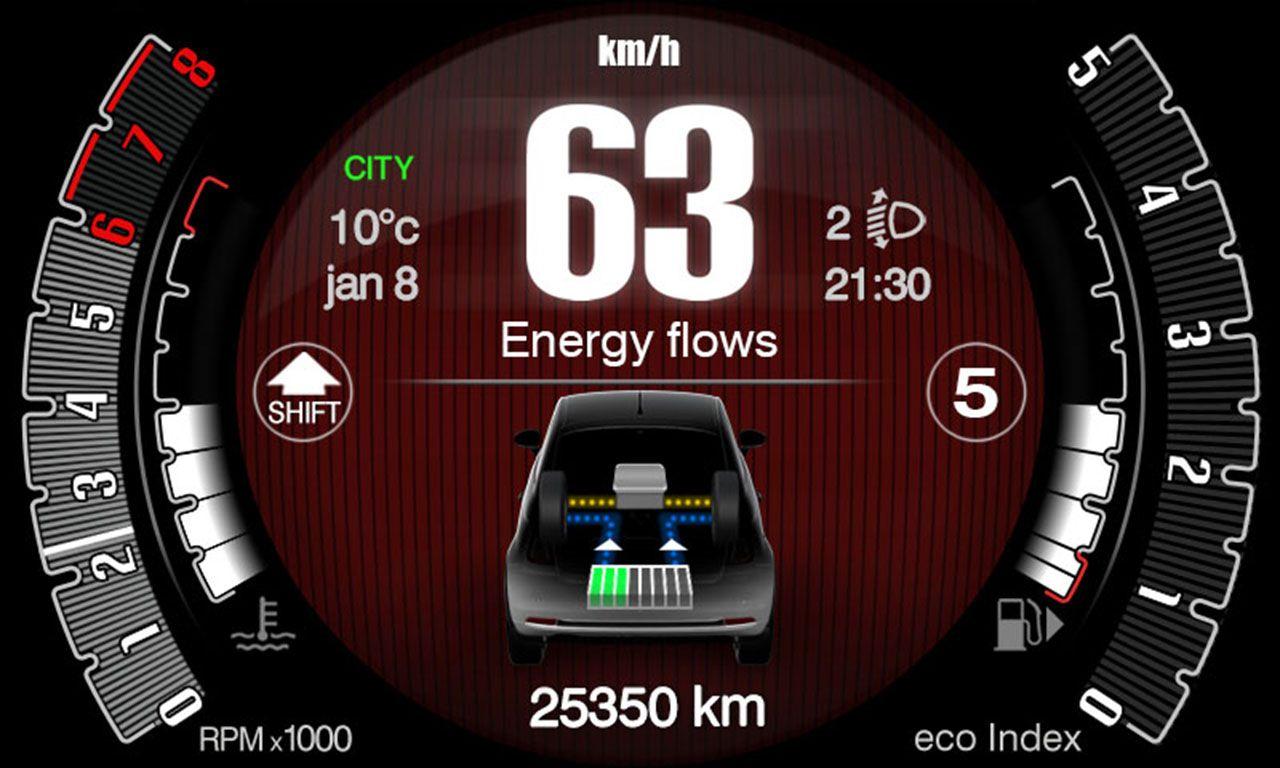
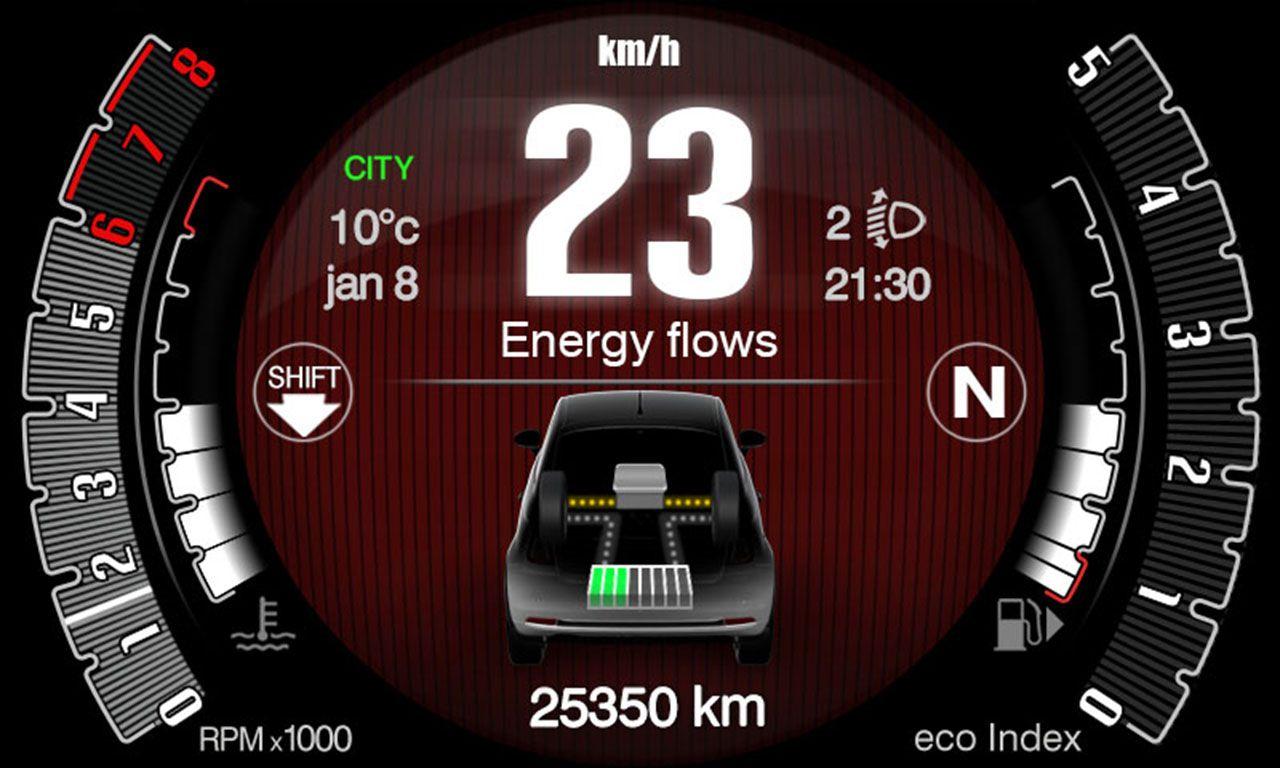
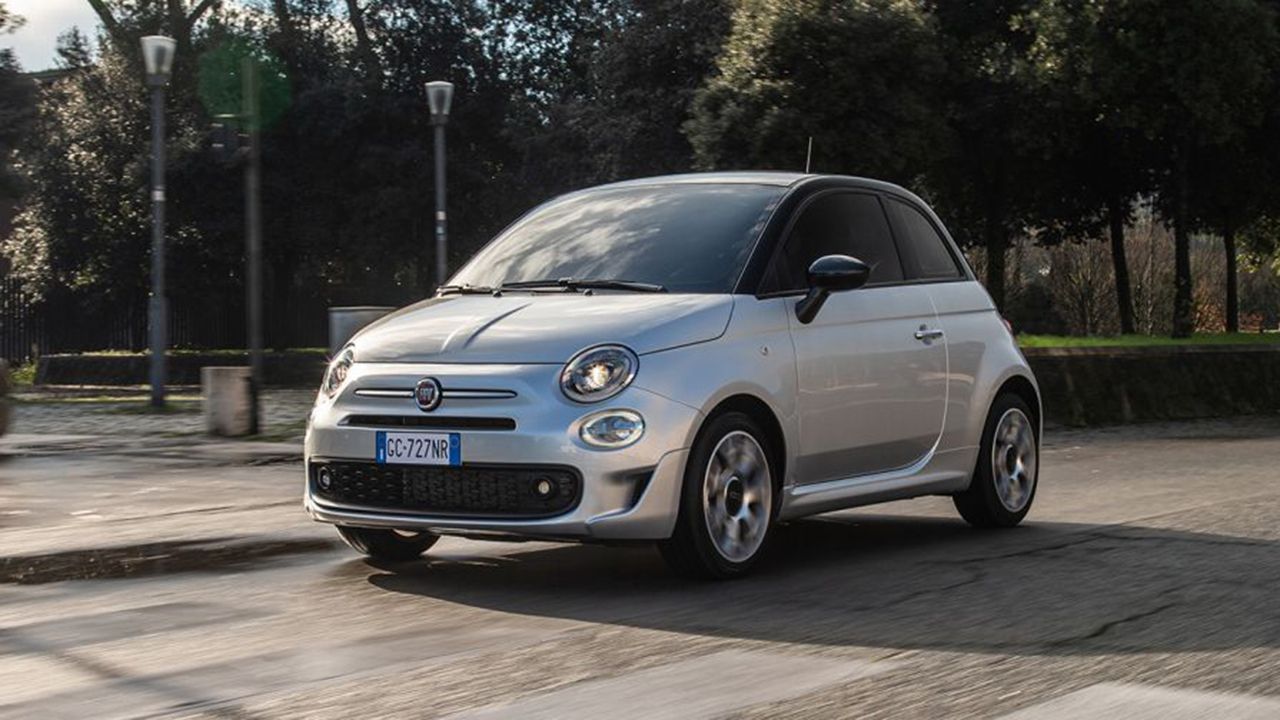
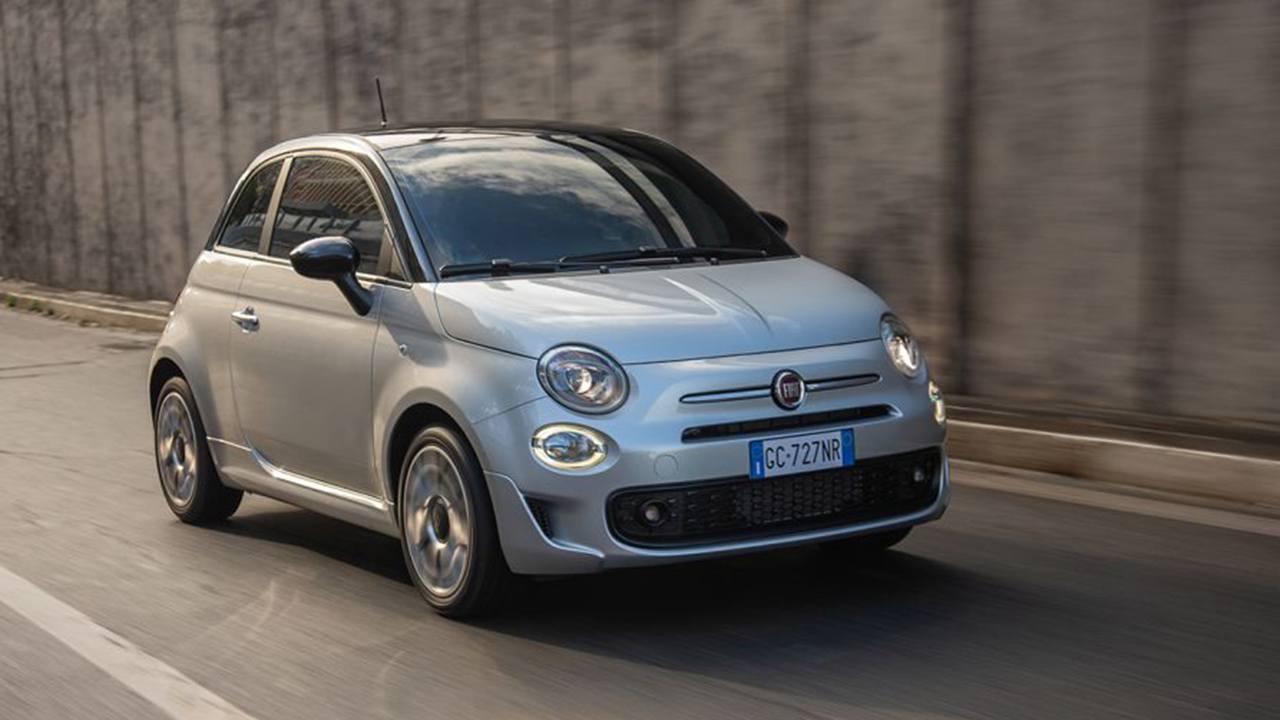
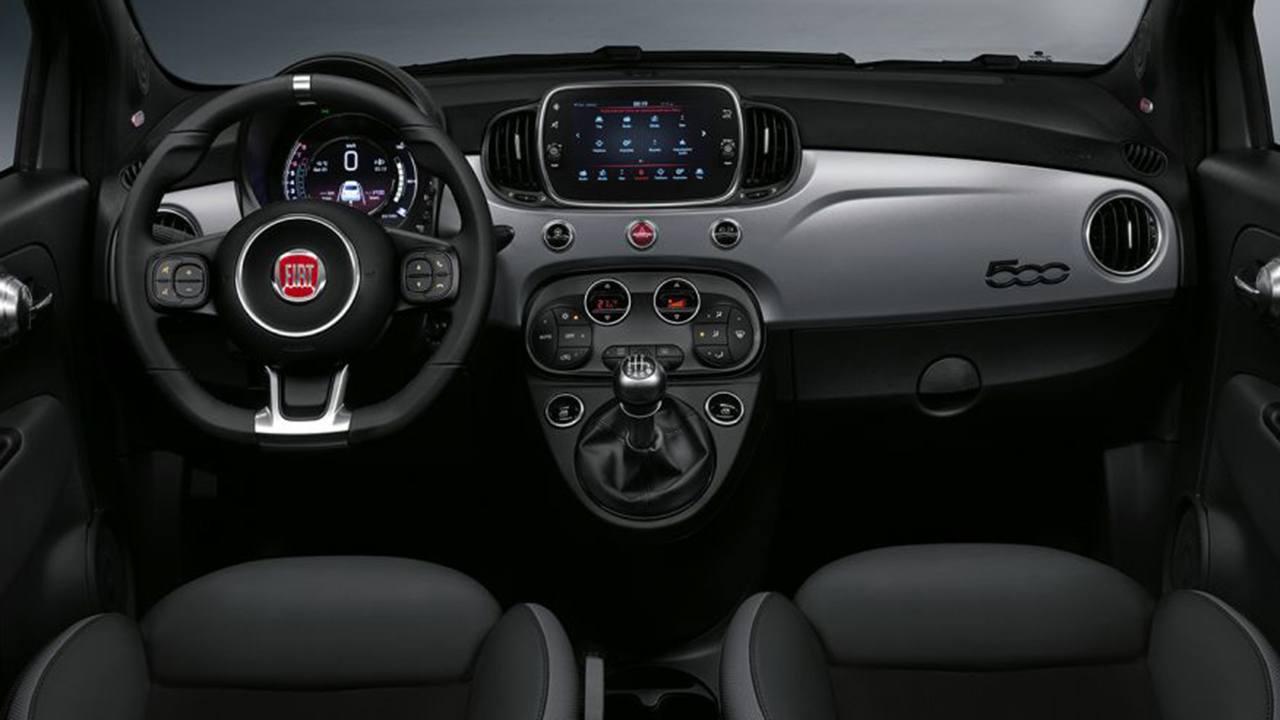
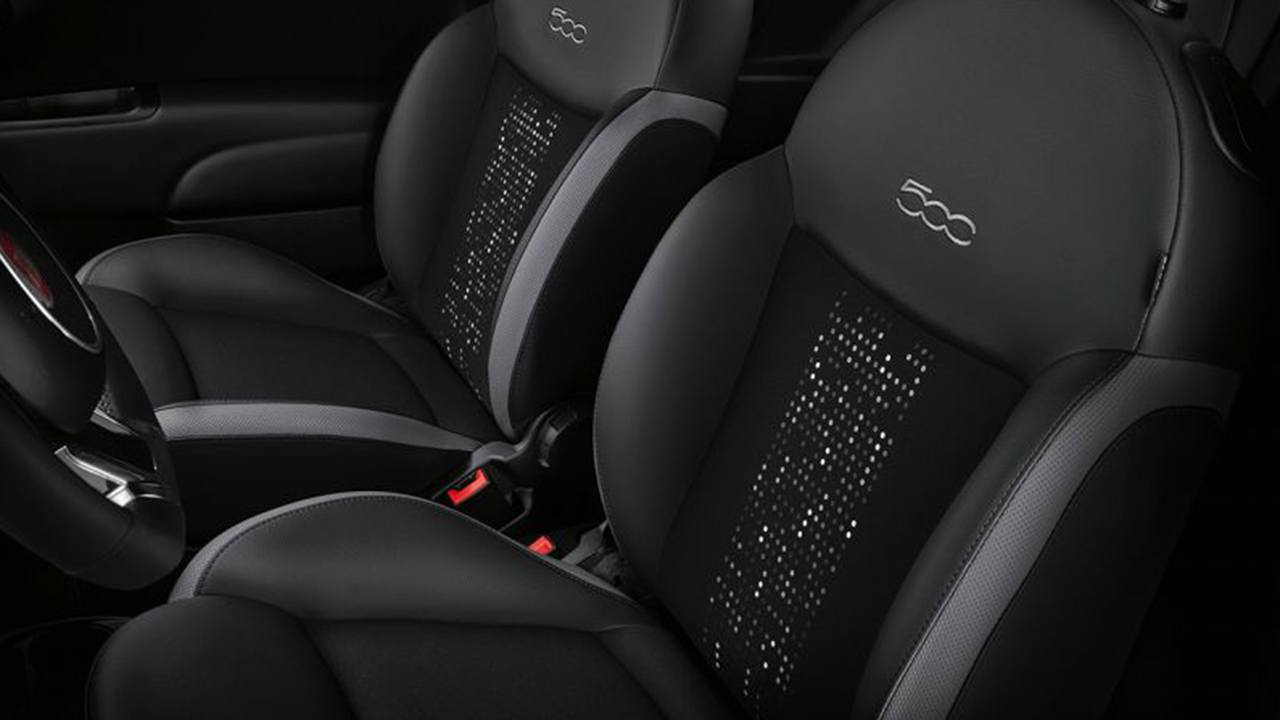
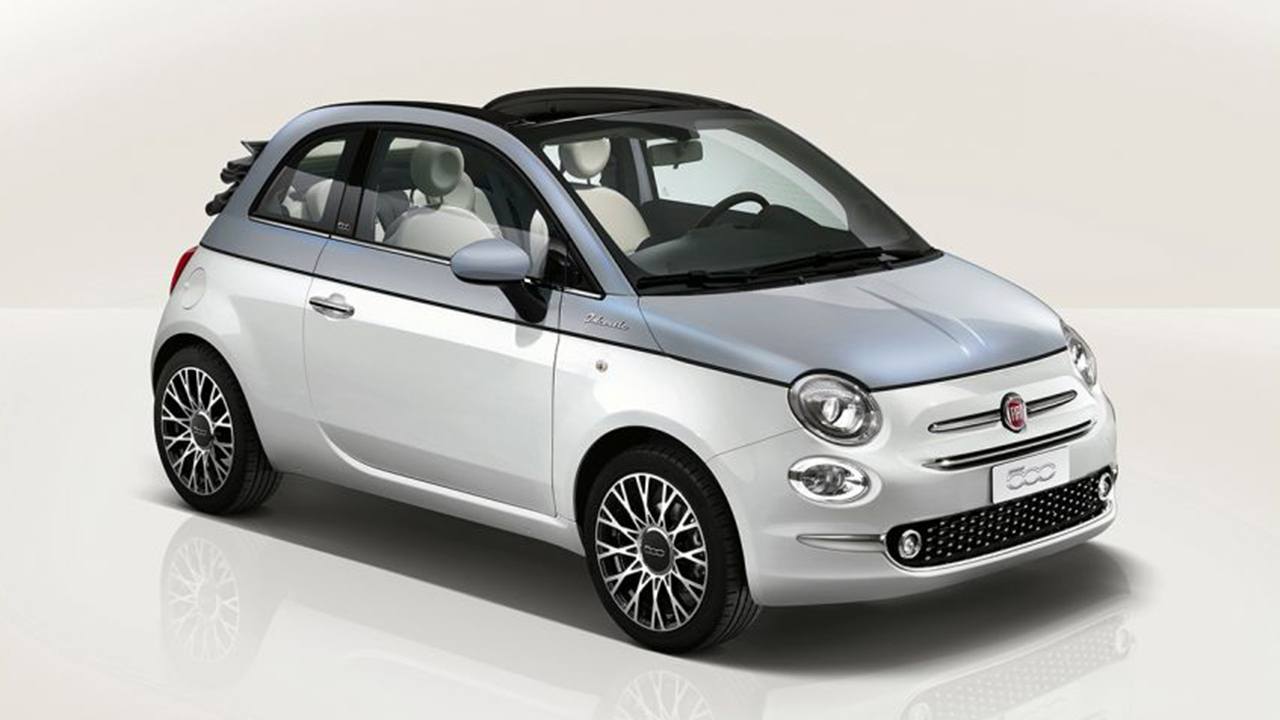
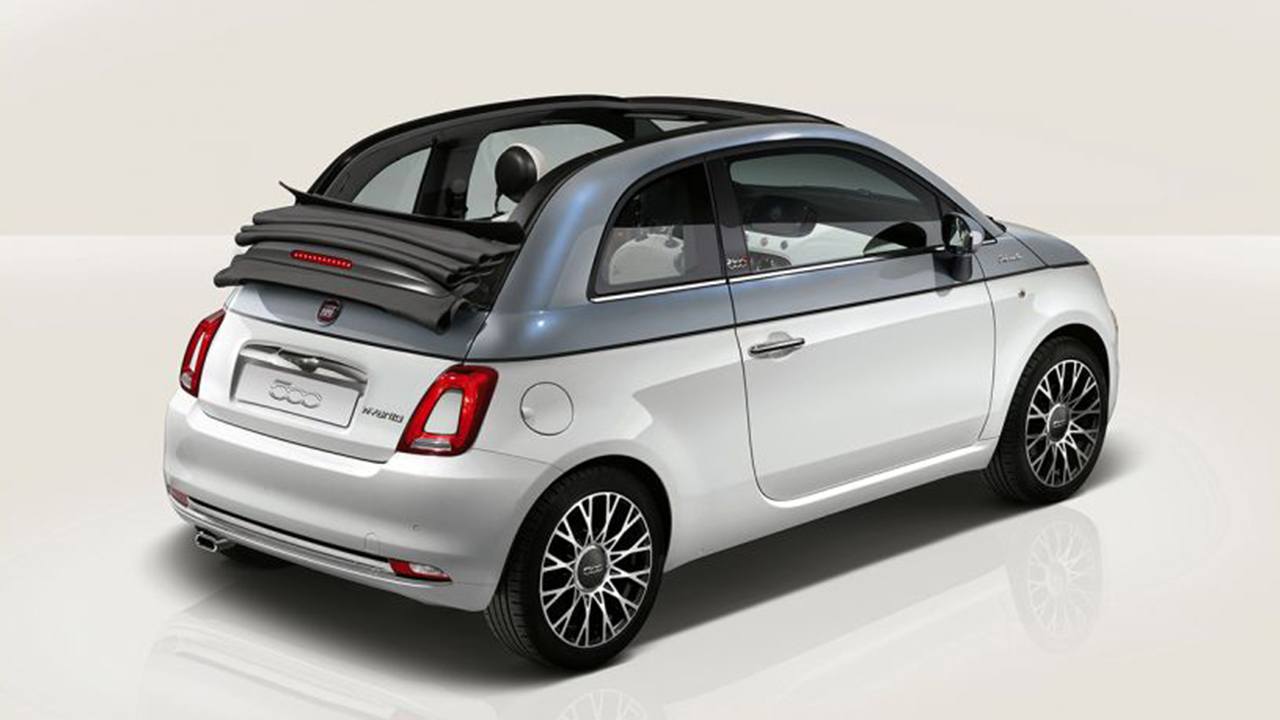
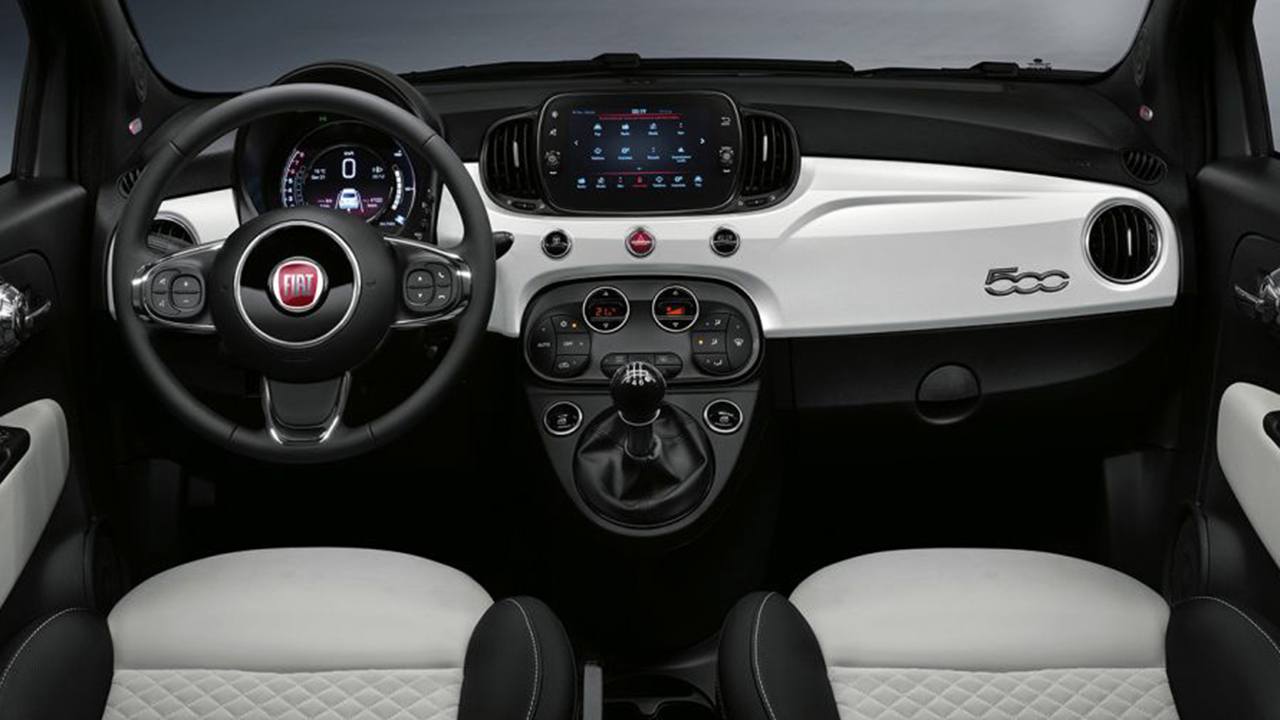
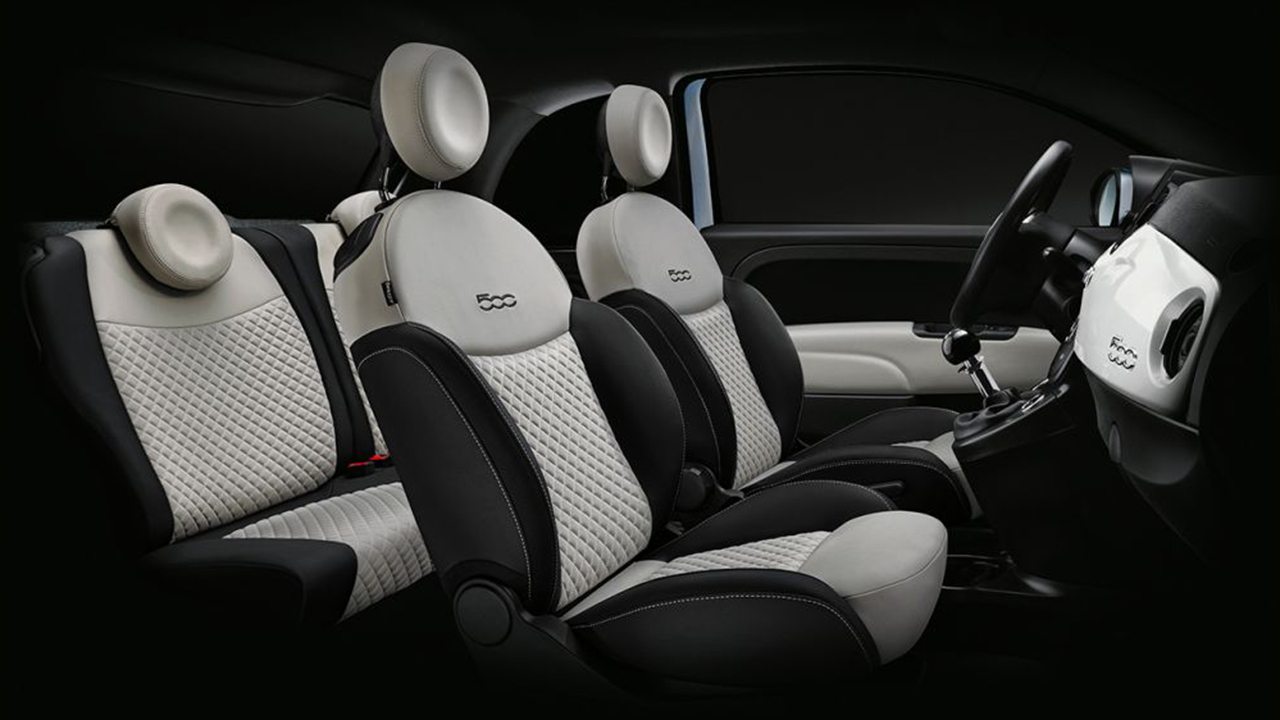
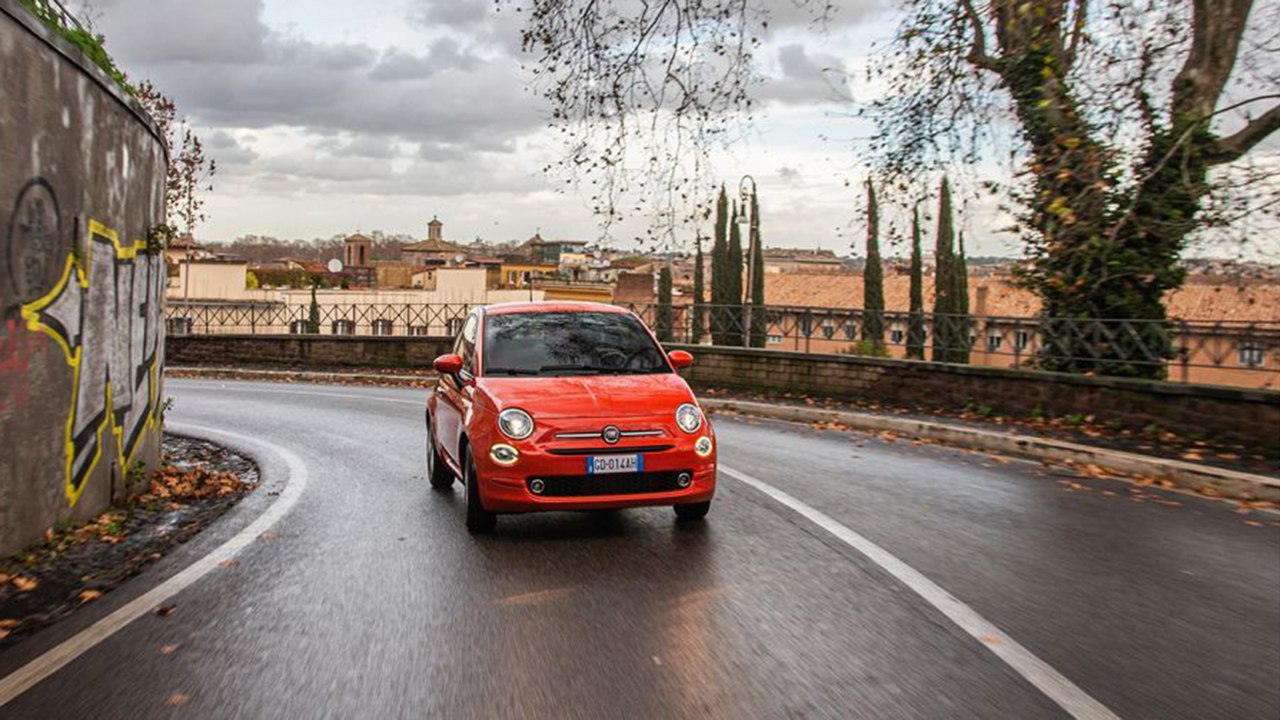
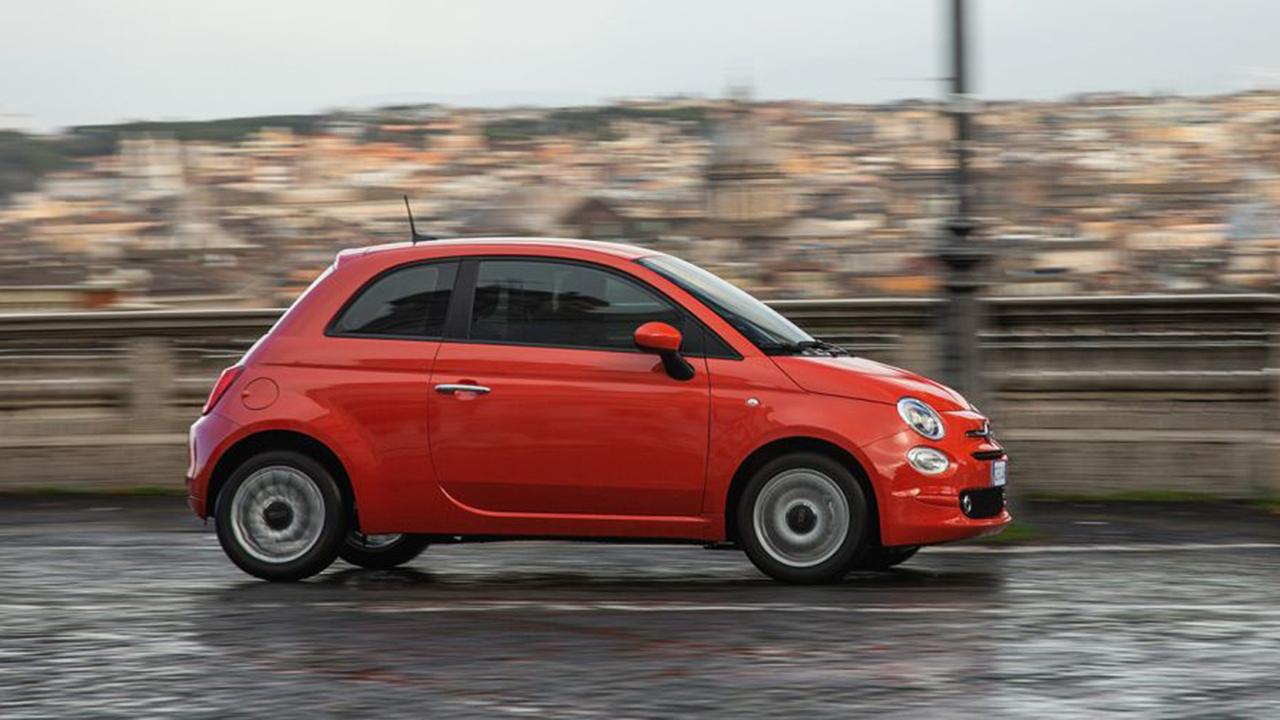
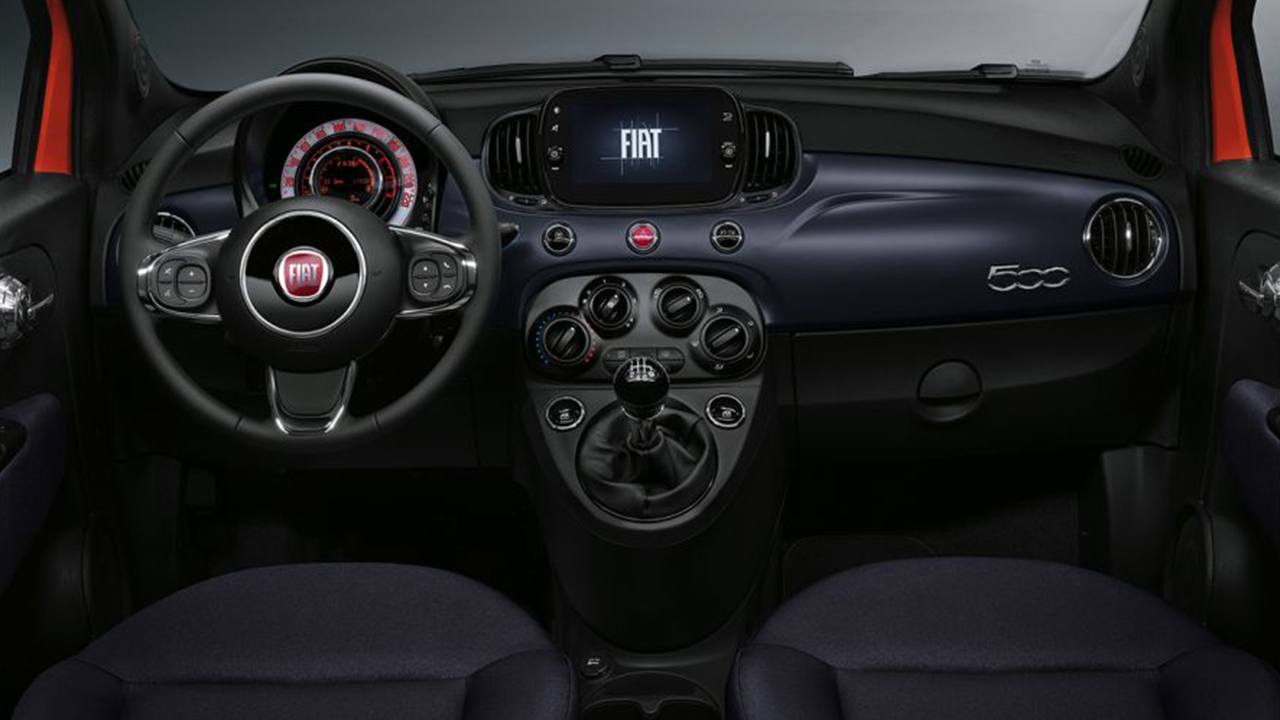
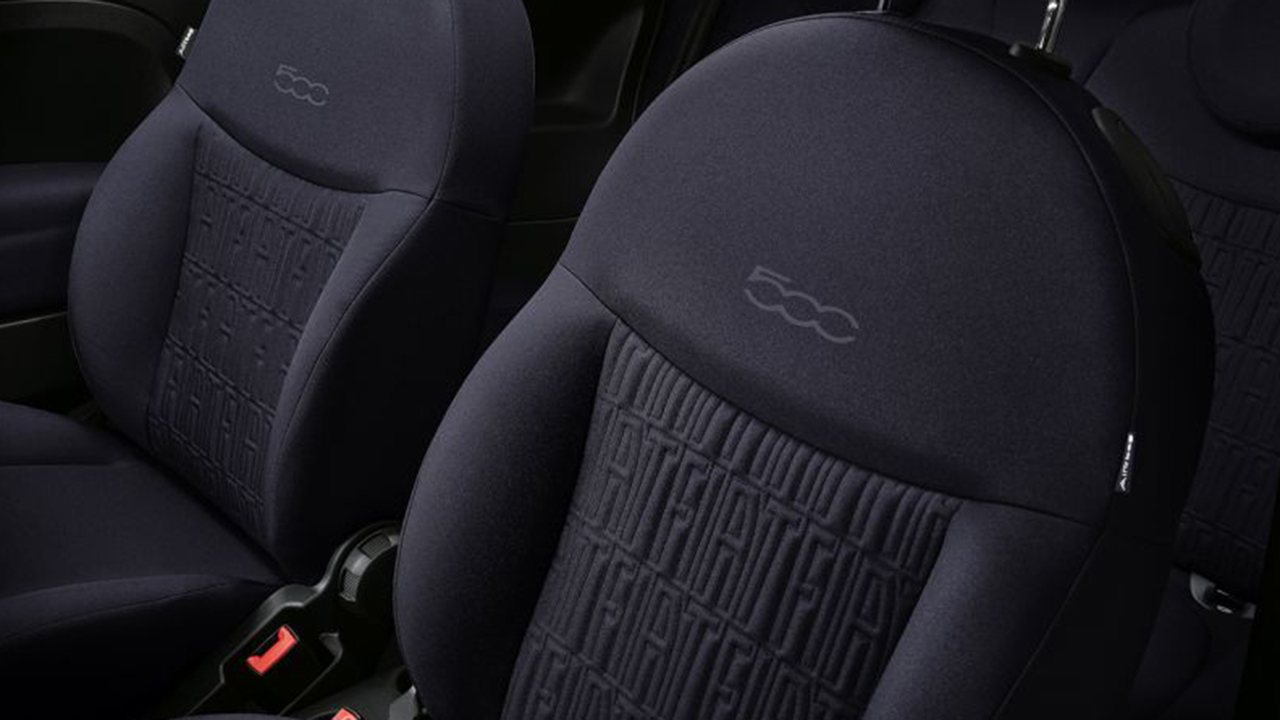
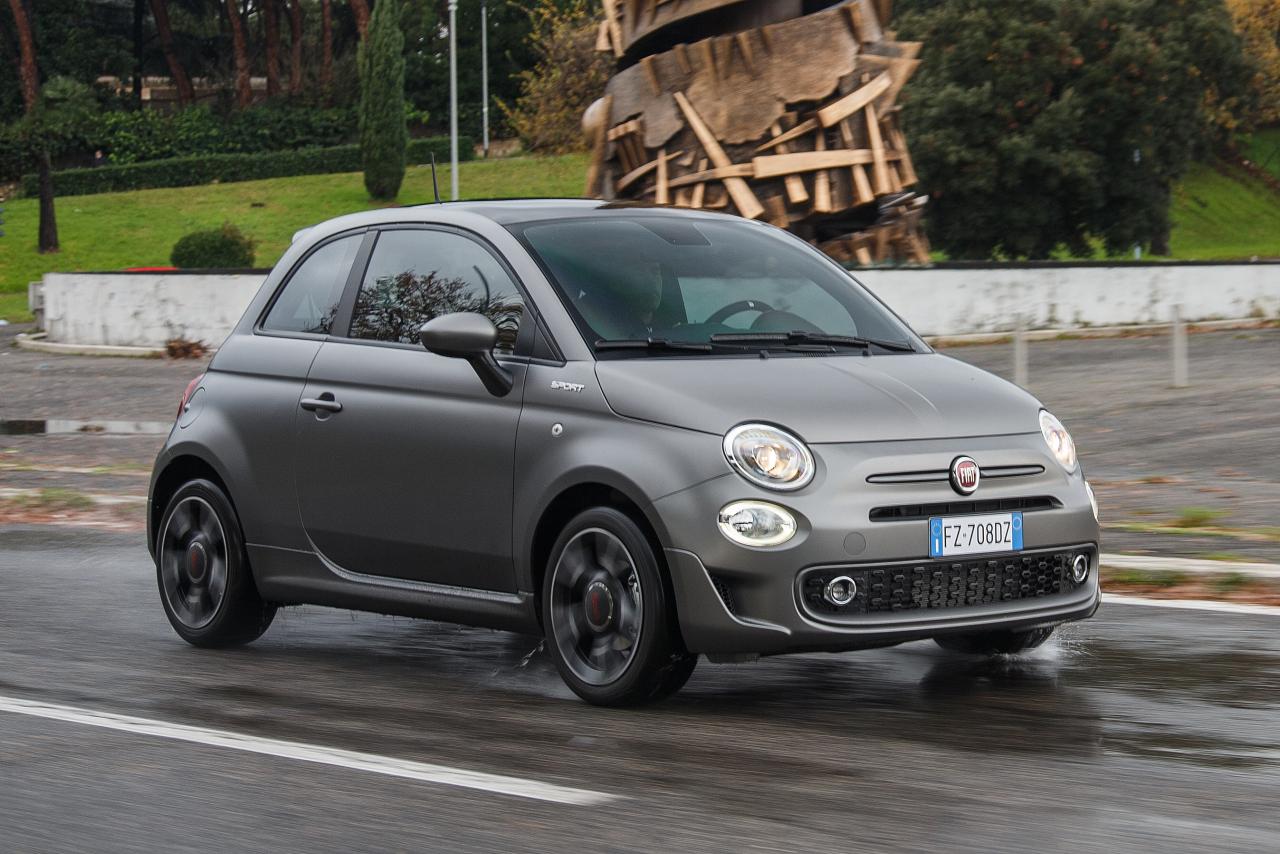
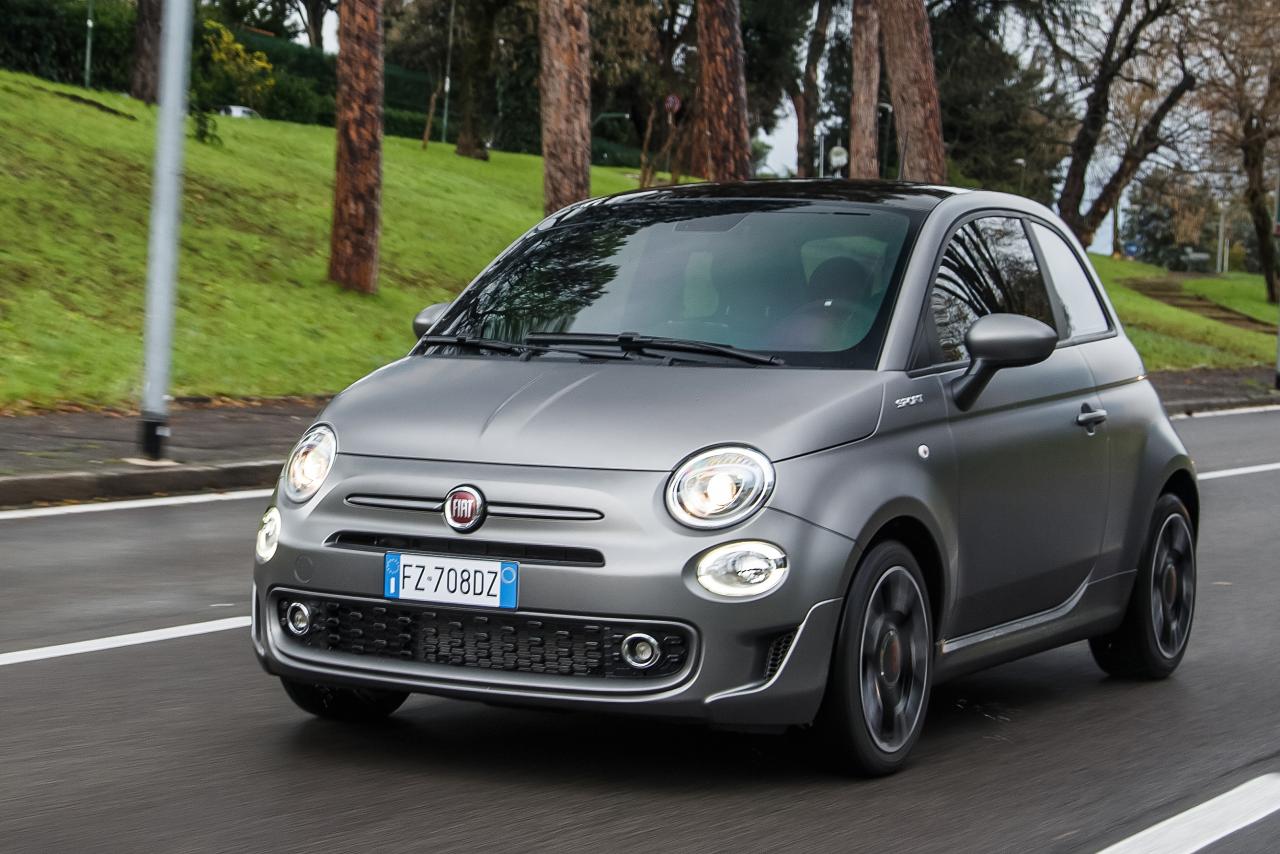
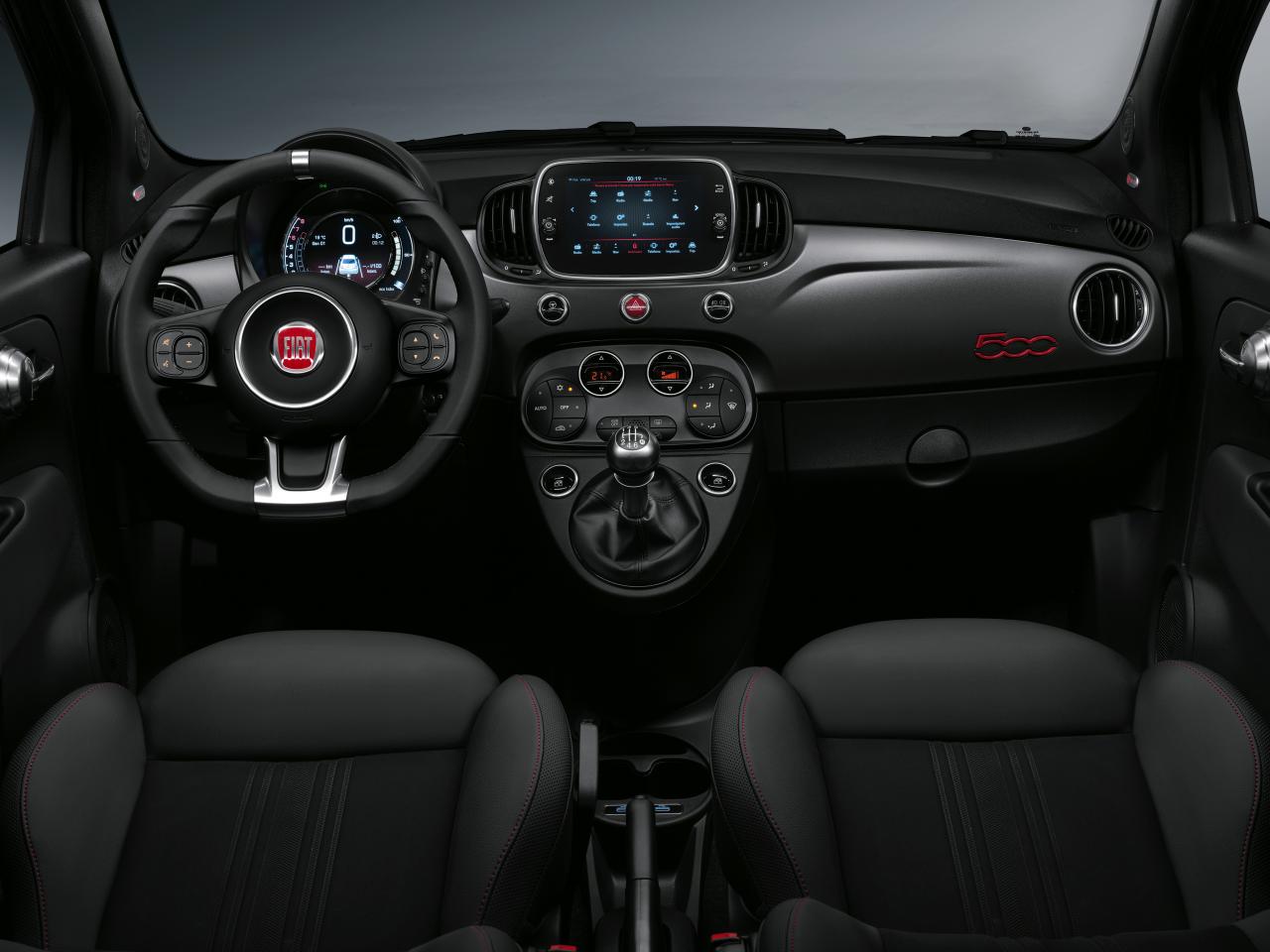

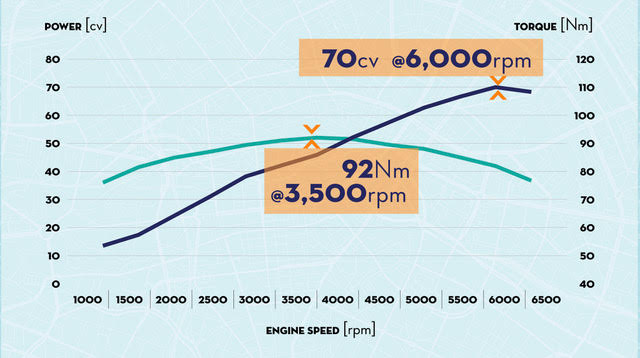 3 punti
 -
3 puntiI francesi vogliono che sia scritto che 6 posti su 11 del CDA saranno a nomina dei vecchi azionisti PSA. Mah, tipicamente francese. Che Elkann li mandi a fancul e lanci un'OPA su Renault3 punti
-
3 puntiMarchionne era un genio, che Elkann non è... lo dimostrano tutte le decisioni storte da quando Marchionne non c’è più... Spero che non cascheranno nella trappola Francese. FCA e in posizione di forza per la sua posizione strategica mondiale ben più « fluida ». Se vogliono prendere troppo penso che salterà tutto comunque e sarebbe un bene.3 punti
-
mancherebbe un motore con qualche cavallo in più però. Il T3 ad esempio... depotenziato a circa un centinaio di cavalli.3 punti
-
3 puntiPanda e Ypsilon dovrebbero essere ordinabili a febbraio e arrivare nei concessionari ad aprile. 500X e Tipo sono previste verso fine 2021.3 punti
-
Ed era pure ora, basta vedere qualunque cagata di serie americana dove vengono utilizzate solo Lexus, Audi, Mercedes e Cadillac!3 punti
-
Comunque sembra (SEMBRA) che il reparto marketing ultimamente si sia dato una svegliata? Tra la Panda Trussardi nel video di Ava Max e la Giulia in 6 Underground, potrebbe non sembrare, ma attirano i curiosi (soprattutto nel secondo caso)3 punti
-
3 puntiMolto molto molto figa!!! ? Aspetto le specifiche, ma già da quello che si sa (trazione integrale, cambio manuale, almeno 200 cv), e per il fatto che ancora propongono roba del genere, c'è solo da fare i complimenti a Toyota.3 punti
-
Il cambio c’è l’M20 della Abarth. Il problema non è solo la potenza, io un paio di anni fa un pensiero alla Twinair S 105cv lo feci. È che alla fine scoprii che costava appena meno di una 595. A quel punto....2 punti
-
2 puntihttps://x-engineer.org/automotive-engineering/vehicle/hybrid/mild-hybrid-electric-vehicle-mhev-architectures/ Mild Hybrid Electric Vehicle (MHEV) – architectures In this article we are going to go through different system architectures for Mild Hybrid Electric Vehicles (MHEV), looking into the positioning of the components on the vehicle, the possible control functions and advantages and disadvantages in terms of fuel efficiency and driveability. To recall the different types of hybrid electric vehicles and what makes a mild hybrid electric vehicle, read the following articles: Understanding micro, mild, full and plug-in hybrid electric vehicles Mild Hybrid Electric Vehicle (MHEV) – introduction By architecture, topology or configuration we understand the positioning of the main components of the hybrid electric system on the vehicle. Since the only mechanical link between the electrical system and the rest of the vehicle is done through the electric machine, the MHEV architecture is basically defined by the position of the electric machine and the type of connection with the powertrain / drivetrain (belt, integrated or gear mesh). The 48V electrical system has become the industry standard for mild hybrid MHEV applications for several reasons: it’s relatively simple to integrate on a vehicle it’s modular, safe and compact the mass of the components is relatively small so the impact on the total weight of the vehicle is limited the system cost to performance (fuel efficiency, torque boost) ratio is very competitive With the except of the crankshaft-mounted integrated starter generator (Honda IMA and Mercedes Benz BlueHybrid), all the mild hybrid vehicle architectures presented in this article are based on 48V systems. The powertrain configuration of the MHEV system has significant impact on the performance and characteristics of the vehicle, in terms of: integration cost fuel efficiency dynamic performance (powertrain torque enhancement) Automotive OEMs and automotive Tier 1 system suppliers are currently analyzing and evaluating several major powertrain architectures for MHEVs. The electric machine can be positioned, relative to the other powertrain components, in five major points: Image: MHEV powertrain architectures The brief description of the electric machine connection points is done in the table below. P0 The electric machine is connected with the internal combustion engine through a belt, on the front end accessory drive (FEAD) P1 The electric machine is connected directly with the crankshaft of the internal combustion engine P2 The electric machine is side-attached (through a belt) or integrated between the internal combustion engine and the transmission; the electric machine is decoupled from the ICE and it has the same speed of the ICE (or multiple of it) P3 The electric machine is connected through a gear mesh with the transmission; the electric machine is decoupled from the ICE and it’s speed is a multiple of the wheel speed P4 The electric machine is connected through a gear mesh on the rear axle of the vehicle; the electric machine is decoupled form the ICE and it’s located in the rear axle drive or in the wheels hub Notice that P0 and P1 architectures do not allow the mechanical disconnection of the electric machine from the engine. On the other side P2, P3 or P4 configurations disconnects the electric machine from the engine through a clutch. Belt Starter Generator Architecture (P0) Also know as BiSG from Belt integrated Starter Generator, this mild hybrid topology is the most cost effective due to the limited impact of the 48V system on the existing vehicle architecture. On a hybrid electric vehicle application, there are two major cost drivers: the impact on the existing powertrain components and the high voltage battery. To minimize the integration costs, the vehicle and transmission architecture should be kept the same as for a conventional vehicle. Thus, the easiest way of achieving a minimum cost is to integrate the 48V electric machine into the already existing engine accessories belt drive, by replacing the 12V alternator (generator). Image: MHEV P0 architecure – Belt Starter Generator (BSG) In the BiSG architecture, the internal combustion engine (ICE) and the electric machine can not be separated, they are mechanically linked through the accessory belt. Therefore, one of the disadvantage of this configuration is that, the engine friction torque will be a parasitic loss for the electric machine when it gives boost torque and when it’s recuperating electrical energy. The main characteristics of the BiSG MHEV architecture are summarized in the table below. Electric machine performance Maximum torque (at crankshaft): up to 50 Nm (with belt pulley ratio multiplication, e.g. 2.8) Maximum power: 12 … 14 kW Continuous power: 2.5 … 3.5 kW Efficiency: up to 85% Fuel Efficiency New European Driving Cycle (NEDC): 10 … 12 % Worldwide harmonized Light vehicles Test Procedure (WLTP): 7 … 9 % Hybrid modes (functions) Idle Stop & Start Moving Stop & Start Engine load shift Torque assist (fill) Torque boost Sailing / Coasting Energy recuperation Brake regeneration Advantages Low cost of integration Air or liquid cooled electric machine Integrated inverter (with electric machine) Size modularity for the electric machine Speed / torque ratio possible between electric machine and ICE results in lower Power demand from the electric machine Disadvantages Limited torque capacity due to belt drive Energy recuperation affected by engine friction losses Overall characteristics Torque Boosting Capability: Medium (limited by belt slip, durability) Electrical Energy Recuperation: Medium (due to engine losses) Driveability Improvements: Medium (due to limited torque boost) Electrical Creep / Drive: Not possible (due to limited torque and belt drive) Packaging: Easy components integration with limited impact on other components System Efficiency: Medium (mainly due to belt-drive integration on the FEAD) The BiSG MHEV architecture has a significant impact on the design of the Front End Accessory Drive (FEAD). The belt durability needs to be increased to sustain higher torque and more engine off/on cycles. The variable belt tensioners have to provide: increase tension during cranking and boost (torque from electric machine to engine) increase tension during recuperation (torque from engine to electric machine) reduce tension during normal driving (in order to reduce friction losses) There is also a significant impact on the noise, vibrations and harshness (NVH) of the engine and on the durability of the main bearing of the engine’s crankshaft. Currently, all the 48V BiSG MHEV applications still use the 12V starter. The reason is that the cold engine start, especially after a long period of inactivity, demands a high electric machine torque (due to high engine friction). This is a limitation on the BiSG because the amount of torque which can be transmitted is limited by the belt slip. With an improved design of the FEAD belt and increased durability, the 12V starter can be removed and all its functions performed by the 48V electric machine. An example of MHEV is the new Audi A8, which features a 48V electric system. Image: Audi A8 48V MHEV Credit: Audi DC/DC converter low voltage battery (12 V) high voltage battery (48 V) 48V belt-drive starter-generator 3.0 TFSI internal combustion engine There are also a significant number of Tier 1 suppliers, which can provide 48V P0 mild hybrid systems ready to be integrated in automotive applications. Valeo’s 48V system MHEV Image: Valeo Hybrid4All 48V MHEV system components Credit: Valeo Powertrain Control Unit (PCU) 14V battery sensor Belt Starter Generator (BSG) 8 – 12 kW / 55 Nm Peak, with integrated inverter DC/DC converter, 60 V / 12 V, 2 kW 48V battery, 200 – 600 kJ Bosch’s 48V system MHEV Image: Bosch 48V MHEV – components of the boost recuperation system Credit: Bosch low voltage battery (12 V) DC/DC converter electric machine (motor & generator) high voltage battery (48 V) Continental’s 48V system MHEV Image: Continental 48V MHEV system components Credit: Continental electric machine with integrated inverter DC/DC converter (48 V / 12 V) Li-Ion battery Delphi’s 48V system MHEV Image: Delphi’s 2nd Generation 48V MHEV system Credit: Delphi 48-VOLT LAUNCH ASSIST A. Electric motor/generator: starts engine during Stop & Start operation and provides some power to the wheels; later, it charges the battery during braking B. E-charger (electric air compressor): provides boost while driving away from stop and complements the exhaust turbocharger, eliminating the turbo lag 48-VOLT SYSTEM 1. 48-volt inverter: changes DC battery current to AC current to power the electric motor 2. 48-volt lithium-ion battery: stores energy regenerated during braking to be used later to power vehicle 3. Battery controller: regulates the state of charge in the battery 4. Power distribution box: contains built-in fuses 12-VOLT SYSTEM 5. DC/DC converter: changes 48 volts to 12 volts 6. 12-volt battery – your old friend, but smaller 7. 12-volt electrical distribution center: powers the center console, seats and windows as well as other 12-volt devices 48V P0 mild hybrid architecture is the mainstream technology adopted by the automotive manufacturers for MHEVs, because it combines a relatively low integration cost and considerable benefits in terms of CO2 emissions reduction and dynamic performance boost. Crankshaft mounted electric machine (P1) The P1 architecture, with the electric machine connected directly to the crankshaft, is the solution adopted by Honda on their first generation Integrated Motor Assist (IMA) technology. The electric motor functions as a generator, during vehicle deceleration, as an engine starter, and as a motor (to assist the engine) during vehicle accelerations. Image: MHEV P1 architecture – Integrated Starter Generator (ISG) One of the biggest advantage of this solution is that the electric motor can provide higher torque than the BiSG, since there is no belt limitation (due to slip). However, since there is no speed / torque ratio between the electric machine and crankshaft, the torque requirements on the electric motor can be quite demanding. Two examples of P1 MHEV architectures are: Honda Insight Hybrid 2009 (with Integrated Motor Assist technology) Mercedes Benz S400 Bluehybrid 2010 Image: Integrated Motor Assist (IMA) for mild hybrid Credit: Honda For example, the main characteristics of the crankshaft-mounted electric machine for mild hybrid Honda Insight 2009 are summarized in the table below. Electric machine performance Maximum torque (at crankshaft): up to 34 Nm Maximum power: 10 kW Efficiency: up to 94% Hybrid modes (functions) Idle Stop & Start Moving Stop & Start Engine load shift Torque assist (fill) Torque boost Sailing / Coasting Energy recuperation Brake regeneration Advantages Higher efficiency The 12V starter can be removed Disadvantages Output torque limited by the size of the electric machine Energy recuperation affected by engine friction losses High impact on existing vehicle architecture Higher overall cost of the electrical components Air cooling not possible for the electric machine Overall characteristics Torque Boosting Capability: High (if electric machine is capable) Electrical Energy Recuperation: Medium (due to engine losses) Driveability Improvements: Medium (depending on the torque capability of the electric machine) Electrical Creep / Drive: Possible (depending on the torque capability of the e-machine) Packaging: Difficult components integration (powertrain specially designed for this architecture) System Efficiency: High (no gear mesh or belt losses) Image: Mercedes Benz S400 BlueHybrid (MHEV) Credit: Daimler The primary advantage of a P1 mild hybrid architecture, compared with P0, is the removal of the belt drive. This means that the efficiency increases a bit (no more belt losses) and the electric machine torque can be higher in terms of amplitude and response (no more belt slip). The functions (modes) performed by this mild hybrid topology are similar with those of a BiSG (P0), but, overall, P1 configurations have two big disadvantages: higher cost and higher impact on the the existing vehicle architecture. Therefore, vehicle manufacturers and system suppliers are not investing in the further development of crankshaft-mounted integrated starter generator solution for MHEV applications. Driveline side electric machine MHEV architectures Both P0 and P1 mild hybrid configurations have the electric machines on the engine side, without the possibility of mechanical disconnection. This makes torque boosting and energy recuperation not very efficient because of the torque losses. Moreover, recuperating electrical energy with the engine off, during coasting, is not possible. The P2, P3 and P4 mild hybrid architectures are better in terms of energy flow efficiency, mainly because of the positioning of the electric machine. In these types of configurations, the electric machine is positioned after the driveline connecting device (clutch), on the input shaft of the transmission (P2), on the output shaft of the transmission (P3) or on the rear differential (P4). Image: MHEV P2 architecture – side EM Image: MHEV P2 architecture – integrated EM In a P2 configuration, the electric machine can be side attached to the transmission, connected through a belt, or integrated in the transmission, connected through a gear mesh. The main advantage of P2 architecture is the increased energy recuperation potential and the availability of additional hybrid control functions (electric creep/drive or energy recuperation during coasting). The main disadvantage is the higher integration cost of such a system. Image: MHEV P3 or P4 architecture In the P3 mild hybrid architecture the electric motor is attached on the transmission, on the output shaft. In the P4 architecture, the electric motor is mounted on the rear axle drive or wheel hubs. The main advantage of the P3 or P4 topology is the highest energy recuperation potential. Compared with the P0, P1 and P2 configurations, the engine and transmission losses, when the driveline is disconnected, are not taken into account during energy regeneration. The P3 and P4 architectures are have also the potential for electric driving mode (creep) if fitted with a high torque electric machine. The P4 architecture gives the vehicle four-wheel drive capabilities, with the front axle powered by an internal combustion engine and the rear axle powered by an electric motor. Due to the fact that the electric machine is on the driveline side, for any P2, P3 or P4 architecture, in order to perform engine Stop & Start, another electric machine has to be fitted on the engine side. This function can be achieved with a standard reinforced starter (12 V) or a belt-integrated starter generator (12 V or 48 V). The main characteristics of P2, P3 and P4 mild hybrid architectures are summarized in the table below. Electric machine performance Maximum torque (at crankshaft): up to 50 Nm Maximum power: 21 kW Efficiency: up to 95% Fuel Efficiency New European Driving Cycle (NEDC): 19 … 22 % Worldwide harmonized Light vehicles Test Procedure (WLTP): 14 … 16 % Hybrid modes (functions) Idle Stop & Start (if additional electric machine on engine side) Moving Stop & Start (if additional electric machine on engine side) Engine load shift (through the road) Torque assist (fill) Torque boost Sailing / Coasting Energy recuperation Brake regeneration Electrical driving (creep) Advantages Highest efficiency Electric driving (creep) Four/All Wheel Drive Mode (P4 architecture) Disadvantages Requires an additional electric machine for engine Stop & Start High impact on existing vehicle architecture Higher overall cost of the electrical components Air cooling not possible for the electric machine Overall characteristics Torque Boosting Capability: High (if electric machine is capable) Electrical Energy Recuperation: High (not affected by engine losses, partly by transmission losses) Driveability Improvements: Medium (depending on the torque capability of the electric machine) Electrical Creep / Drive: Possible (depending on the torque capability of the e-machine) Packaging: Difficult components integration (powertrain specially designed for this architecture) System Efficiency: High (only gear mesh losses) Getrag is developing a dual clutch transmission with integrated electric motor for high-torque mild-hybrid powertrain. For example, the hybrid variation 6HDT451 is based on the Getrag Powershift 6DCT451 and uses the integrated electric motor to allow for additional reduction in CO2 emissions by more than 10 % in the New European Driving Cycle (NEDC). The Mild-Hybrid 6HDT451 was developed for front transverse installation in the middle class and upper middle class segments and in sport utility vehicles (SUV). Total torques of up to 450 Nm can be transferred with simultaneous combustion engine and electric motor operation. The Getrag Powershift transmission 6HDT451 can be easily combined with all-wheel drive and guarantees start/stop functionality without additional components for the transmission. Image: Getrag Hybrid Double Clutch Transmission The transmission is integrating a high-speed electric machine with the following characteristics: scalable performance by using different electric machine lengths, from mild to plug-in hybrid architectures electric machine power between 26 – 65 kW (from mild to plug-in hybrid architecture) electric machine voltage between 48 – 400 V (from mild to plug-in hybrid architecture) Valeo is also working to consolidate its world leading position in electrical systems and further accelerate its expansion in this field. Valeo’s 48V electrified powertrain solutions can be applied across all vehicle segments, to both gasoline and diesel engine models. They are particularly well-suited to urban cars and compact sedans, which are the top-selling vehicles on the European market. Image: Valeo 48V Electric Rear Axle Drive (ERAD) At the 2016 Paris Motor Show, Valeo introduced its 48V e4Sport mild hybrid system, a new solution designed to increase the dynamic performance of a vehicle while reducing the fuel consumption and CO2 emission of the internal combustion engine. The 48 V system consists of several main components: an integrated belt starter generator (BiSG) an electric supercharger an electric rear axle drive (ERAD) a high voltage battery (48 V) a DC/DC converter (48 – 12 V) The 48V e4Sport recovers a maximum amount of braking energy and stores it in a 48V battery for various uses, such as: increasing engine torque, via the starter-generator maximizing engine power during acceleration and boost phases, using the electric supercharger driving in all-electric mode and, when on low-grip surfaces, improving performance by connecting the rear axle to the 48V eRAD, effectively transforming the vehicle into a four-wheel drive The MHEV systems is continuously evolving, going towards 48V P4 architectures with integrated electrical supercharging. Image: Valeo’s roadmap for 48V mild hybrid systems Credit: Valeo Some key aspects to be retained regarding MHEV architectures: first mild hybrid systems introduced by vehicle manufacturers were P1 but they are currently being replaced by P0, P3 and P4 the industry standard for MHEV is based on the 48 V electric network the P0 architecture is the current most used mild hybrid solution the market is evolving towards P4 architectures due to higher benefits in terms of CO2 reduction and efficiency electrical supercharging is going to be integrated with most of the 48 V MHEVs2 punti
-
2 puntiNon sono solo chiacchiere. Mi ricordo quando a inizio giugno una fonte di FCA si sbilanciò su Renault dicendo che l'offerta era da prendere o lasciare e anche in fretta. E così fu... ? Anche il maxi dividendo di 5.5 miliardi € che riceverebbero gli azionisti di FCA è stato interpretato male dalla stampa italiana e francese: non si tratta di un premio per garantire a PSA il controllo su FCA, ma semplicemente il riconoscimento di PSA del superiore valore intrinseco di FCA che al momento della proposta era nettamente sottovalutata rispetto ai suoi fondamentali, mentre PSA era sopravvalutata. Senza contare che in FCA sono sempre stati scettici sulle sinergie con PSA e quest'ultima per convincerli ha dovuto presentare condizioni molto favorevoli ai suoi azionisti. In proposito allego un'intervista di Marchionne che stranamente non in Italia nessuno ha più mostrato: http://video.milanofinanza.it/hp/video-milanofinanza/Fca-Marchionne--Psa-non---partner-ideale-50319/2 punti
-
2 puntiMa quanto rompono i c******i sti francesi? Mamma mia, se fanno saltare anche sta fusione dovrebbero farsi un esamino di coscienza2 punti
-
2 puntiAdesso là puoi andare tranquillo, davanti a quell'autovelox ci hanno messo un guard rail che copre le telecamere.2 punti
-
Sarebbe splendido, Saint bravo ragazzo e ce lo vedrei bene. E intanto il buon vecchio Jordan la spara per finire sui giornali e farsi un po’ di pubblicità “Nel 2021 Hamilton e Wolff andranno alla Ferrari” https://www.formulapassion.it/motorsport/formula-1/eddie-jordan-nel-2021-hamilton-e-wolff-in-ferrari-leclerc-vettel-mercedes-472202.html2 punti
-
Ve la ricordate nel film "da grande"con pozzetto?penso che tutti i bambini/e del periodo conoscano la scorpio per quel film?2 punti
-
Ieri ho provato a guardare il film su Netflix. Inguardabile ho rinunciato dopo 20 minuti. Unica cosa bella la Giulia e l'ambientazione italiana.2 punti
-
Il tizio in questione si chiama Gianluca Gregis ed è stato invischiato in varie vicende giudiziarie poco edificanti https://ricerca.repubblica.it/repubblica/archivio/repubblica/2015/03/25/crac-de-tomaso-indagati-lex-assessore-bairati-e-lad-della-pininfarinaTorino08.html https://www.evomagazine.it/ats-automobili-capitolo-finale-ce-luce-in-fondo-al-tunnel-61329 Googolando un po’ se ne trova di materiale che non lo descrive proprio bene. Punta sugli haters sparlando di tutti.2 punti
-
2 puntiLa cosa che apprezzo di Toyota é che pur campando di ibride sfodera oggetti emozionali come questa, la supra o la gt86...bravi davvero2 punti
-
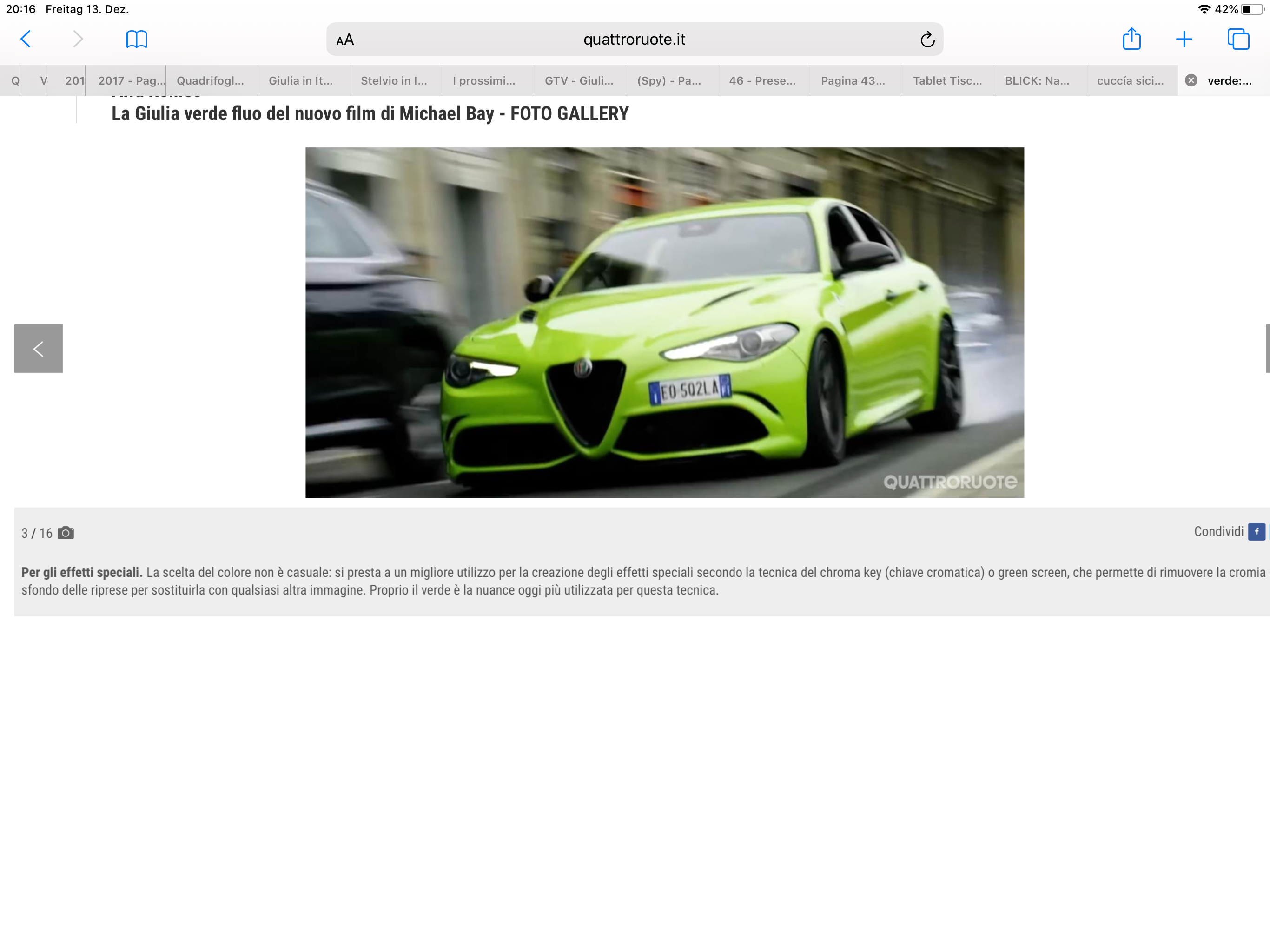
1 punto1 puntoIn pratica i francesi starebbero chiedendo di avere la prerogativa di nominare i nuovi CEO... ? Good luck with that! Secondo me BPI sa bene che non è detto che nella nuova società i cinesi siano sempre in accordo con loro e neppure è ovvio che Tavarez, una volta CEO del nuovo gruppo, sia il loro uomo di paglia ☏ Pixel 3 ☏1 punto1 puntoE così con i Francesi... Ecco perché spero che non si faccia... Faranno sempre meglio loro, al loro parere... e così non si cambiano. Ecco perché lascerei PSA sprofondare da solo... da qui in qualche anno senza FCA non resterà niente e si potrà prendere il tutto se si vuole, invece di una fusione 50/50... Comunque per il momento sembrano solo chiacchiere e che tutto prosegue come detto il 31/10.1 punto@HiTom il video è vecchio come il cucco... Comunque i primi a sottovalutare il problema marketing via social sono in FCA per primi, ci vuole per abbattere i pregiudizi, ma per questo devono investire e lavorare duramente per difendere e sviluppare un progetto eccellente1 punto1 puntoYep, conferme ufficiali credo non ci siano ancora, ma tra il numero 4 nel nome e, soprattutto, il video in cui si vede la partenza da fermo, si era capito ci fosse la TI. Soluzioni tecniche che nel segmento non adotta più nessuno ormai, chapeau alla casa giapponese ma soprattutto ad Akio Toyoda, che senza di lui mi sa che certe auto le avremmo salutate da un pezzo.1 punto1 punto1 puntoSe mantengono la "logica" delle 911, la GTS e' solo lo step di potenza che prima si chiamava X50/X51 come optional sui motori delle "S". Se cosi fosse, dovrebbe restare il B4 anche li. Sempre che non abbia capito male. Tutt'altro che improbabile.1 puntoGrazie @marcolino1969 Ad oggi sono quasi a 4mila km dall'acquisto, è molto divertente...non c'è che dire. Le trovo solo una spiccata propensione al sottosterzo con strada bagnata in curva stretta, ma è facilmente evitabile alleggerendo il gas quando "parte" di muso e non appena gli pneumatici fanno di nuovo presa, giù tutto e lei sta lì. Altro "neo" secondo me, è la sesta che ha un rapporto troppo corto. è molto allegra con i giri e i consumi purtroppo ne risentono parecchio. Avrei preferito quindi un rapporto più autostradale. Però questo ha un vantaggio, che si supera benissimo anche in sesta partendo da 70 km/h, tira molto bene ed è in coppia, quindi non serve spesso toccare la leva del cambio. Sound molto bello e coinvolgente, specie in dynamic. L'assenza del GPF (la mia è stata prodotta ad agosto 2018, una delle ultimissime prima della chiusura della linea) e per lo meno il sound c'è. Ho potuto appurare di persona una S3 del 2019....e davvero, il filtro aggiuntivo mortifica enormemente il sound...anche sulle RS3, nonché leva parecchi valli, dati di chi l'ha fatta rullare alla mano. Sicuramente sistemeranno questa cosa con il nuovo modello, ma sia S3 che RS3 sono da prendere pre 09/18 senza dubbio. In merito alla S1 mi compiace il fatto che qui da me in zona, la mia è l'unica che gira, così come sono l'unico ad avere una M140. Per assurdo ci sono diverse A35 (ed A45 del vecchio modello) nonché diverse S3 e molte RS3. Per cui, nella mia sobrietà, avere una vettura rara seppur meno poente....mi da quel che di "speciale" che mi aggrada e mi rende diverso come mi piace essere sempre. Arrivando dopo oltre 150 mila km di A1 1.6 TDI face lift, dico: consiglierei sia la TDI che la S1. L'ultima in particolar modo, non tanto per le prestazioni, ma proprio per la qualità che ritrovo a bordo. Anche la grafica dell'infotaiment è diversa, e anche sulla TDI avevo l'MMI plus, ma sulla S1 ho ritrovato la grafica di A4 ed A6, nonché la visualizzazione delle mappe con google earth ecc. Ma anche a livello qualità, i cuscinetti poggia braccio delle porte e il tunnel centrale sono in materiale tecnico, non pelle, ma con delle belle cuciture ribattute a vista, materiale che ha una sua tridimensionalità e si sente che è malleabile al tatto. Rispetto a prima che era tutta in plastica sulla TDI, l'impatto visivo e qualitativo è nettamente superiore. Inoltre trovo anche il parabrezza con fascia antiriflesso grigia (optional neanche disponibile sul resto della gamma), il volante tagliato in basso e un comando vocale che funziona sempre bene, a differenza di prima. Ultima cosa i sedili. Sono davvero confortevoli, faccio parecchia autostrada e rispetto a prima, è tutto un altro vivere. L'insonorizzazione infine è davvero buona, meglio di MINI dove invece il rotolamento delle ruote posteriori era davvero snervante. Qui il lavoro svolto da Audi è decisamente migliore. Come scritto nei primi post, il cambio non è contrastato come quello di una MINI R53, ma ha la sua fisicità, specie a freddo bisogna muoverlo con calma ed è davvero apprezzabile per un appassionato sentire gli ingranaggi che lavorano attraverso la leva, tanta roba...nel suo piccolo. La consiglierei? Assolutamente SI. io l'ho portata a casa con 19 mila euro (togliendo chiaramente il rientro della vecchia A1) ma mi hanno regalato un treno di gomme + cerchi in lega nuovi di zecca, tra l'altro cerchi originali e specifici per la S1 nel design, non un treno Audi qualunque, eì mi è stata regalata l'estensione di garanzia totale fino al 2023 o 100.000 km. La macchina aveva 9128km quando l'ho presa. di meglio, penso, non potevo chiedere. Alla consegna mi è stata fatta una confessione dal meccanico che me l'aveva tagliandata. Come capita spesso a molte auto a benzina pre-GPF (quindi ante 09/18) la potenza dichiarata è mediamente inferiore a quella effettiva. E' molto probabile quindi che le S1 abbiano qualcosina in più dei 231cv dichiarati. e ci posso pure credere, poiché ho fatto rullare anche la mia M140 due anni fa....e sono rimasto sbalordito dal responso dei rulli, con benzina 95 ottani...ha segnato ben 367cv, e moltissime M140 hanno fatto anche meglio, quindi ci posso credere, anche perché con l'S1 poi ho fatto uno 0-100 (sempre con benzina 95 ottani) con l'ausilio di un GPS professionale di un amico. dichiarati dovrebbe fare 5.8/ 5.9...io ho fatto 5.49....forse il meccanico non mi ha detto una bugia..... Per cui, finché ci sono queste piccole bombette (parlo di S1, FIesta ST, MINI JCW manuale, Abarth 595 ecc....) sono piccoli giocattolini che meritano di essere posseduti e guidati. Ci si diverte tantissimo con una spesa contenuta, per la prestazione offerta, senza contare che poi si possono anche mappare...ma qui è un altro discorso. Sono fautore dell'originalità della macchina, però ammetto che ogni tanto....mi piacerebbe fare qualche lavoretto....specie alla M140 che è fuori garanzia....ma ho paura di rovinare tutto. Alla fine anche 370cv, visto che non siamo in pista, sono più che sufficienti per la strada statale, così come i 240-250 che scarica la mia S1. Ultima cosa.....ho provato la Fiesta ST....sfiziosissima e sound che ricorda un 6 cilindri (ne ha 3), però se non mi fossi preso la S1 credo che sarei andato tout court sulla Abarth 595, quella si che è bella ignorante ed essenziale, come è giusto che sia! Diciamo che ciò che mi permetto di consigliare è la S1 se vuoi una seg.B più "macchina" matura, la 595 se vuoi avere la macchina zero compromessi, tutto sound e scoppiettii. La fiesta ST è una via di mezzo, la MINI JCW invece un po' troppo fighetta e filtrata, efficace, ma troppo "imborghesita".1 puntoNo, non mi sono spiegato bene. Intendo che non solo il design è accattivante, e per questo certamente ringraziamo il direttore, ma soprattutto che i creativi hanno la possibilità di realizzare tanta roba, e per questo bisogna ringraziare chi ci mette i soldi.1 puntohttps://www.quattroruote.it/news/curiosita/2019/12/11/_6_underground_una_giulia_da_urlo_nel_nuovo_film_di_michael_bay_foto_gallery.html
 1 punto1 puntoMi sembra un po' meno suvvizzata rispetto a Q3 e X1, la vedevo più coupettizzata ? al pari delle altre che ho citato. Ma anche in le riviste fanno il tuo stesso paragone, quindi forse va vista dal vivo.1 punto1 puntoIo però resto dell'idea....che se avessero fatto una versione con il v6 diesel da 249 cv (under superbollo) avrebbe venduto.... poi magari mi sbaglio.....ma resta un vero peccato non averla a listino. Sarebbe stata una vettura davvero interessante.1 puntoMa infatti di quel modello se ne sono viste ben poche, da noi. Tanto che è stata l'ultima esercitazione della Ford nel segmento. Decisamente più gradevole la prima serie: (Yes, in UK continuava a chiamarsi Granada) La gradevolezza si fermava alle linee esterne. Perchè se guardiamo gli interni, tradiva troppo l'origine: Ecco, diciamo che negli interni secondo non reggeva il confronto con la Lancia Thema. Forse l'errore è stato pensare la plancia con la stessa mentalità con la quale si progettava la plancia di un'Escort o di una Sierra. Insomma, una E sebbene generalista avrebbe meritato di più.1 punto1 puntoPer quale motivo? Vivo in un paesino, ho il garage e la rimetto sempre. Vivo davanti ai carabinieri. Localizzazione tramite app fatta con l'assicurazione. Se me la fregano passerò il resto della mia vita a dare la caccia ai responsabili e spendere i soldi rimanenti per cacciarli sottoterra. Che poi per rubarla credo non basti un cacciavite eh.... Chi minkia la vuole poi una berlina benzina nel 2020? esatto...se nza contare che,per chi consigliava una panda, 100km al giorno non sono pochi eh....fateli con una panda...e poi fateli con una segmento C comoda. Poi ne riparliamo1 puntoA causa della spending review i tecnici dell'aerodinamica delle monoposto hanno avuto anche l'onere di vestire adeguatamente Mattia Binotto per la cena aziendale. Resta il dubbio su quale compito riesca loro meglio.1 punto1 puntoLa mia foto preferita di tutta la cartella stampa è questa: PERCHE'???????? Cosa mi significa quel cammello accanto?? O ha un senso e sono io che non capisco una mazza di marketing?1 puntoera una specie di Thesis degli anni 90, occhi tristi e acquosi coda improponibile (in realtà la Scorpio è sempre stata inguardabile, ben peggio della Thesis) ...ed ebbe suppergiù lo stesso successo1 punto1 punto1 punto1 punto1 puntoChe sappia io, (ma non sono un esperto) le uscite di emergenza sono le "solite". Poi, hanno quelle supplementari nella parte superiore della fusoliera. Molto utili in caso di cappottamento. Sentiamo J-Gian...
 1 puntoPerchè si dovrebbero svegliare? Sto usando una Swift 1.2 SHVS e il suo motorino funziona molto bene. I MHEV BSG sono l'ideale per abbassare la CO2 di tutti i tipi di propulsori, soprattutto per i motori piccolini e a cambio manuale. E sono utili per mantenere basso il prezzo di auto vendute a peso come Panda Scusate se ve lo dico ma sembrate davvero andare a cerca della critica inutile.. P.S Oltre a Tipo, 500, Panda i GSE T4 saranno la colonna portante delle PHEV del gruppo1 puntoForse si tratta di un caso unico di pubblicità veritiera. All'epoca la Espace non aveva praticamente concorrenti, essendo stata lei a creare il segmento. Almeno in Europa. Koelliker è sempre stato audace, ad importare marchi diciamo...esotici. Tutto ciò che era di provenienza URSS ci pensava (o ci provava) lui ad importarlo. Insieme a Koreane e Giapponesi che, detto francamente, in Italia ben pochi si filavano verso la fine degli anni settanta/inizio ottanta... Onore al merito.1 punto1 puntoio vivo in un territorio a metà tra la pianura padana del nordest di cui state parlando e la grande città. ho abitato per quasi 30 anni in una frazione di Alessandria, distante circa 7 km dal capoluogo dove lavoro e ho fatto le superiori. ora vivo a Novi Ligure, circa 25km da Alessandria. faccio delle simulazioni dell'andare a lavoro in auto come faccio ora rispetto all'utilizzare il trasporto pubblico. faccio 8-12 14-18 e il mio orario non è flessibile, se faccio tardi, mezz'ora di permesso. l'azienda è in una zona semiperiferica della città ed è dotata di parcheggio privato per i dipendenti. non ho buoni pasto, non posso accorciare la pausa, a mezzogiorno vado a mangiare dai miei o dovrei stare due ore in ufficio a girarmi i pollici e mangiare la schiscetta. con i mezzi pubblici sarebbe impossibile in entrambi i casi tornare a casa a pranzo. casa dei miei-lavoro: 10 km in automobile 15 minuti, c'è traffico negli orari classici di entrata-uscita ufficio. pessimisticamente facendo solo urbano, diciamo che starei sugli 8 euro per 100km, vuol dire che con, ancor più pessimisticamente, 70 euro di carburante, vado a torno da lavoro per tutto il mese. senza auto sarei dovuto uscire di casa alle 7, per andare a prendere un bus dell'azienda municipale che parte alle 7.20 dalla fermata, arriva alla stazione di Alessandria alle 7.45, per poi fare a piedi un pezzo fino all'azienda guardando l'orologio. il mensile, non aggiornato (è del 2013, sul sito nuovo mi da errore 404) è 42 euro, 462 euro l'annuale. direi che non ci potevo mettere un'ora invece di un quarto d'ora, allo stesso prezzo. casa mia ora-lavoro: 25 km in automobile 30 minuti, quasi tutto urbano scorrevole, un po di extraurbano, pessimisticamente 7 euro per 100 km, per andare tutto il mese mi ci vogliono un centinaio di euro di carburante. qui non c'è mezzo pubblico su gomma, ma c'è il treno...dovrei uscire di casa a piedi per le 7.10, arrivare alla stazione, prendere il treno che arriva alla stazione di Alessandria alle 7.40 e farmela a piedi guardando un po meno l'orologio. l'abbonamento mensile è 65.50 o 72.50 euro, a seconda se è considerato sopra o sotto 25 km. per fortuna sono nella condizione di non avere bisogno di questi trenta euro.1 puntoSe l'alternativa è essere disoccupati, oppure dover tutti emigrare in città stile Inghilterra ottocentesca, cosa vuoi che ti risponda? Sarà lo stile di vita dei dodo, ma non troverai molta gente che concorderà con te. Senza offesa, ma secondo me si dimentica sempre che stiamo parlando delle vite di persone vere, con tanti altri problemi oltre a quello del traffico o del trasporto pubblico. Tacciarle tutte di arretratezza non servirà, quando ti risponderanno "Chissenefrega, meglio un po' di traffico e di confusione". E queste sono parole sante "Abitare lontano dal posto di lavoro non è un lusso, sopratutto in posti dove, per abitarci, di mutuo o di affitto spenderesti molto ma molto di più rispetto all'uso del mezzo privato. O per avere la possibilità di aiutare genitori che vivono in zona. O per mantenere amicizie senza dovere mettersi in viaggio."1 puntoPiazzarsi a caso sulla mappa? La Pianura Padana è un posto super industrializzato dal I secolo a.C., non è di sicuro colpa nostra. E non è che uno sceglie di vivere in provincia per comodità... ci nasce e basta. Non credo che il conseguente ragionamento di dover subire delle limitazioni non dovute a mie responsabilità, e che non potrò superare a causa di impossibilità economica, mi consolerà quando dovrò impiegare quattro volte il tempo che impiego adesso per andare al lavoro. Superato da chi viaggerà in Tesla.1 puntoSulla piattaforma Youtube, in realtà non scrivere nulla è più efficace per esprimere dissenso, più commenti e feedback (like/dislike) ci sono (che siano positivi o negativi poco importa) più danno visibilità al video e alzano le probabilità che esso venga "consigliato" nelle ricerche o una volta terminato un video simile.1 puntoDa studente di ingegneria dell'autoveicolo non posso che dire che i miei video preferiti sono quelli di Massai, perchè è capace di aggiungere davvero qualcosa alle classiche informazioni "di mercato". Nel complesso tra i vari video di giornalisti o pseudo-giornalisti il mio preferito è Giuliano Daniele, perchè sa essere simpatico ma mai eccessivamente burlone (che alla lunga scoccia) ed è competente. Capitolo Cironi...a me da fastidio innanzitutto per la dizione, ma so che è un mio problema perchè non ci possiamo far niente se parla così. Dal canto suo potrebbe leggermente lavorarci sopra. Detto questo, trovo che nei suoi video sia eccessivamente retorico, per usare un'espressione di 8coibaf, e pur di riempire momenti di silenzio con del parlato finisce per il dire un sacco si sciocchezze. In compenso mi piace vedere le riprese, che sono sempre valide, e quelle bellissime auto che ha la fortuna di provare. Gli altri che fanno video, a mio avviso, o non mi sono particolarmente simpatici come persona o non sono particolarmente capaci o competenti.1 puntoLa Leaderboard è riferita all'orario Roma/GMT+02:00








.jpg.0a9ff73d7a7ad09550fc411cda37bc7c.thumb.jpg.095392f5d8b6dc45c10ccf463694d027.jpg)










.thumb.jpg.d20c5008a881490f9c7f843d442a34f8.jpg)