



Tutte le attività
Questo flusso si aggiorna automaticamente
- Ultima ora
-
The new BMW i3: Second Neue Klasse model continues holistic approach to sustainability. Munich. In the BMW i3, as with the BMW iX3, the BMW Group applies a 360° approach to sustainability. At its core is decarbonisation throughout the entire vehicle lifecycle – from product development through the supply chain and production to the end of the use phase. In this way, the second Neue Klasse model also contributes to achieving the ambitious, overarching CO2e targets the company has set itself. CO2e benefits already after 1-2 years of use. Depending on the drive train variant, annual mileage and source of the electricity used for charging, the new BMW i3 50xDrive already achieves a CO2e advantage over a comparable model with an internal combustion engine after one to two years of use[1]. Decarbonisation in the supply chain. Targeted decarbonisation is a key starting point for reducing CO2e emissions throughout the supply chain. The use of renewable energies, the increasing share of secondary material, and product and process innovations – for example, in the Gen6 cell and high-voltage battery – contribute to a significant emissions reduction across the entire supply chain. The results of this systematic approach are demonstrated by the emission reductions achieved: Specific measures during product development of the BMW i3 lowered supply chain CO2e emissions by about a third.[2] Innovative materials and technologies for interior and exterior. The “Design for Circularity” principle is also systematically applied in the new BMW i3. The concept incorporates gradually increased use of secondary materials, targeted reduction of material selection and optimised dismantling capability. For example, the BMW i3 uses 30 percent recycled plastic in its front bumper trim. At the same time, the number of different materials used for the entire bumper, excluding mounted parts, was reduced from 15 to 7, compared to the predecessor model (seventh-generation BMW 3 Series). Due to the high use of a plastic particularly suitable for recycling, the proportion of recyclable plastic was increased from approximately 46 percent in the predecessor to about 85 percent[3]. This enables the recovery of high-quality plastic recyclates from the vehicle. Another example of how the “Design for Circularity” principle is implemented in the new BMW i3 is the Econeer seat covers offered as part of the “Essential” equipment line, which are made from a recyclable textile composite. The basic material for the upper fabric is 100-percent recycled PET. The use of recycled PET granulate – as the base material for the polyester yarn required – significantly reduces CO2e emissions and water consumption during manufacturing compared to primary material. The dismantling capability of the seat cover has also been improved to facilitate a material-specific separation at the end of the lifecycle. Use of secondary materials in the new BMW i3. The new BMW i3 consists of approx. 30 percent secondary materials in total[4]: These include cast aluminium components, such front and rear knuckle, with 80 percent secondary material content, and cast aluminium wheel rims with 70 percent secondary aluminium.The housing for the rear electric motor, produced at BMW Plant Landshut, comprises up to two-thirds secondary aluminium. A portion of the energy used in production comes from renewable sources. In the Gen6 battery cells of the BMW i3 high‑voltage battery, secondary materials are partially used for cobalt, lithium and nickel. Energy from renewable sources is used in manufacturing the anode and cathode materials, as well as for cell production. In comparison to the previous model’s Gen5 cell, CO2e emissions were reduced by approx. 33 percent per watt hour. Further examples of the innovative use of engineering and secondary materials include the engine compartment cover and the storage compartment under the BMW i3's bonnet. The starting material for these consists of 30 percent recycled maritime plastic – post-consumer material from used fishing nets and ropes – while the base material for the yarn used in the textiles for the headliner, A-pillar and parcel shelf consists entirely of recycled material. [1] The figure provided is a preliminary forecast value. The final figure will be published with the Vehicle Footprint (VFP) prior to the Start of Production (SOP). [2] The reduction is based on a comparison with industry averages from an internationally recognised LCA database. The figure provided is a preliminary forecast value. The final figure will be published with the Vehicle Footprint (VFP) prior to the Start of Production (SOP). [3] Figures represent the percentage of material that can be separated by type using a shredding process and subsequent separation methods. [4] The figure provided is a preliminary forecast value. The final figure will be published with the Vehicle Footprint (VFP) prior to the Start of Production (SOP). (BMW Group media)
-
-
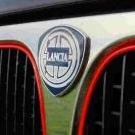
Che da bimbo anni '80, rispetto alla Golf II e Tipo* la trovavo molto vecchia. *Che ancora oggi rappresentano idealmente per me, l'inizio delle auto moderne come le conosciamo ora.Oddio, queste nei render hanno le proporzioni della termica però…Delta II era pronta nel 1987. Ma cifu il boom sportivo dell' integrale , ed allora delta 1 fi tenuta in produzione .Non mi pare niente di nuovo: sono a catena TUTTE le 1.2 IBRIDE, mentre di manuali a catena ci sono solo le Grande Panda/C3 e C3 Aircross (e saranno anche le Fiat Fastback/Grizzly ed eventuali Frontera manuali) Su 208 e 2008 MANUALI non sono ancora arrivati i motori a catena, ma arriveranno a breve: https://www.media.stellantis.com/fr-fr/peugeot/press/peugeot-presente-son-nouveau-moteur-turbo-100-concu-pour-prolonger-le-plaisir-de-conduire In pratica hanno finito la produzione dei 1.2 a cinghia e ora iniziano a mettere quelli a catena anche sulle manuali dei vari marchi...Se lo fai da browser devi cancellare i cookie di RSI e ricollegarti con la VPN prima di andare sul sito.io credo che se non si risolve entro l'estate siamo abbastanza nella 💩si intravvedono anche le minigonne della HF Turbo poi adottate se non sbaglio anche dalla 1.6 GT e poi dalla versione unificata finale Comunque è abbastanza incredibile quanto abbiano stirato la Delta 1 ben oltre il ragionevole. Andava ancora bene su strada ma a inizio anni 90 cominciava a essere assai superata su tutto il resto (comfort, spazio a bordo, accessori)Su questo.....non possiamo dargli tutti i torti; senza un piano chiaro e definito, non arrivi a nessun risultato. Cosa che possiamo notare anche nella gestione di certi brand premium....dove andare per tentativi non ha portato a nulla se non ad infossarli ancora di più. La cosa che mi fa paura dell'Audi, è che al netto di Binotto che è una pedina.....quando dietro ci sono i tedeschi, il risultato arriva eccome; esempi, in casa VAG, come Lamborghini, Ducati, Porsche, Bugatti, Bentley.......la dicono lunga. Ma soprattutto...Ducati nelle corse, presa da Audi che era in grave difficoltà....poi hanno dominato, e a livello aziendale, hanno avuto una crescita spaventosa. E' solo questione di tempo...e arrivano anche i quattro anelli. Ci manca solo che prendano Horner (magari al posto di Binotto ) e allora si che ci dovremo preoccupare sul serio nel breve periodo. Anche se non ci sono voci in merito.Riprendere pari pari il frontale della PuRa su vetture di grande serie da vendere in EU IMHO è difficile con le normative odierne. Per il resto sono abbastanza d'accordo, anche se la mera illuminazione del lettering IMHO non è che sia questo grande investimento da fare soprattutto se si considera Lancia come una startup.Il vantaggio delle erev e' proprio quello di svincolare la parte termica dalla trazione usandola solo come generatore . Questo permette il posizionamento del gruppo termico un po' ovunque, ( tipicamente nel frunk anteriore ). Nonche' il suo dimesionamento per la sola ricarica, non per la trazione Ma di fatto l'auto resta una bev con batteria ridotta, che dovrebbe essere usata come bev nella maggior parte dei casi e solo in caso di necessita' ( lunghe tratte autostradali ) come erev . E soprattutto mai come charge,( se non come opzione forzata ) ma solo come mantenimento carica . Cosa pervesempio, mai fatta nelle prove della mx 30 .
- Oggi
Dal punto di vista dell'efficienza in effetti è tutto da verificare, però è innegabile che tecnicamente una EREV è più semplice di una PHEV, quindi si suppone più economica per il costruttore e probabilmente anche per il cliente. Il sistema Toyota con il ruotismo epicicloidale è una via di mezzo, ma tutte le altre PHEV hanno un complesso cambio automatico che invece nelle EREV non c'è proprio, quindi meno pezzi, meno complessità, costi minori di acquisto e manutenzione. Inoltre le PHEV potendo viaggiare anche solo con trazione termica hanno anche motori termici piuttosto potenti, spesso e volentieri turbo, mentre nelle EREV può essere utilizzato anche un piccolo motore termico aspirato che serve solo a ricaricare le batterie, di solito di potenza inferiore al motore elettrico di trazione.Come gia detto prima, le celle sono completamente sviluppato inhouse a Bmw Parsdorf, la produzione di massa avviene attualmente presso tre fornitori, secondo le specifiche di BMW. Ungheria e Germania da Eve e Catl, a Messico e Usa da Aesc. Attualmente sono in corso trattative con altri due fornitori per evitare di creare una forte dipendenza da un unico fornitore.La "vera" calandra lasciamola dove è nel passato. Il calice nuovo non sarà perfetto ma è una ottima reinterpretazione moderna che può andare avanti nel tempo. Il problema è sempre e solo uno: I SOLDI. Potete immaginare loghi incastonati tra i led, lettering retroilluminato e via dicendo ma finché non vende nulla il risparmio sarà sempre ridotto all'osso. Questo concept è fantastico ma purtroppo se poi i veicoli di serie sono delle Peugeot con paraurti diversi non ci siamo.Secondo fonti di Autocar Fiat starebbe lavorando ad una versione Abarth della Grande Panda, e sarebbe termica. Il modello però non ha ancora ricevuto il semaforo verde. Autocar100hp reborn? Hot Panda inbound as Abarth plots return to...Poor sales of hot EVs have prompted Italian performance brand to rethink – and a new Panda is first in line

(1)(1).thumb.png.635c059adfaa3a2ca27f86ab608b04ba.png)
















.jpg.0a9ff73d7a7ad09550fc411cda37bc7c.thumb.jpg.095392f5d8b6dc45c10ccf463694d027.jpg)